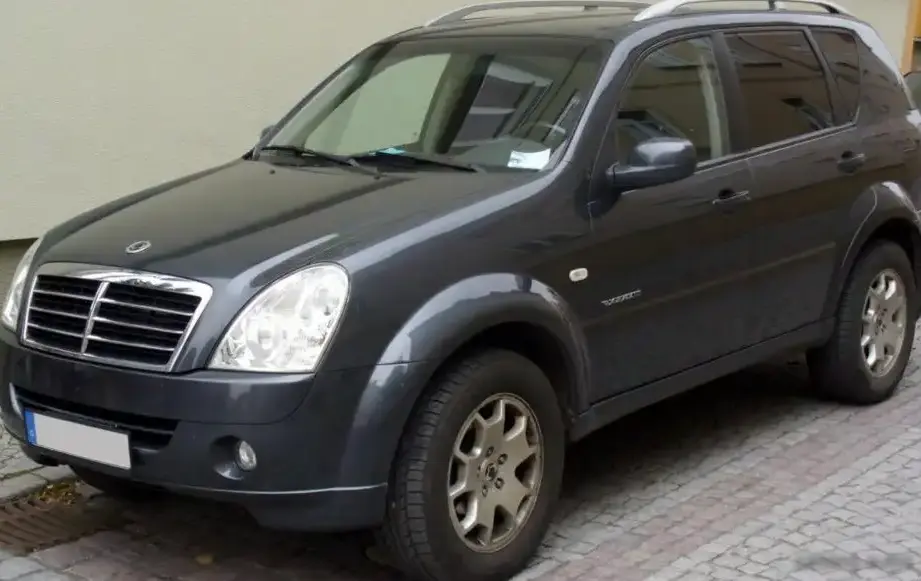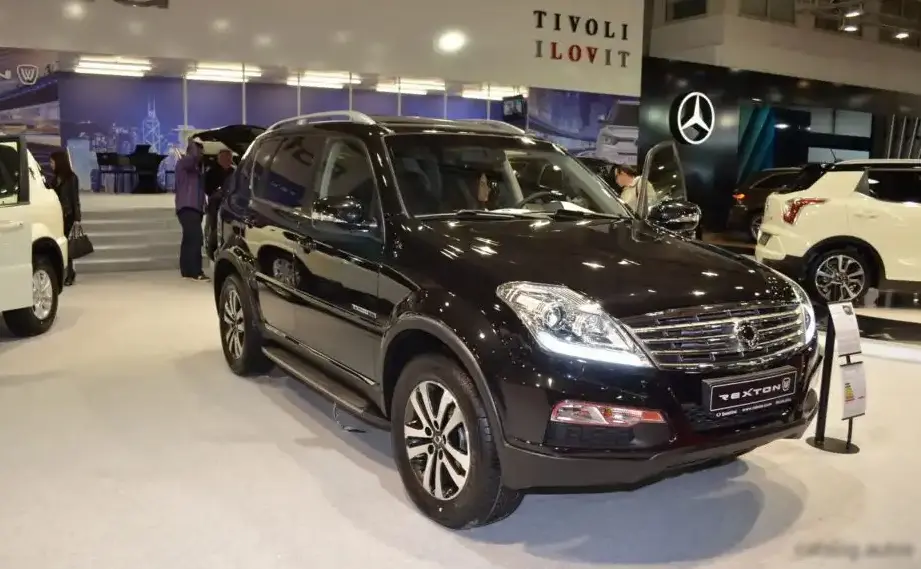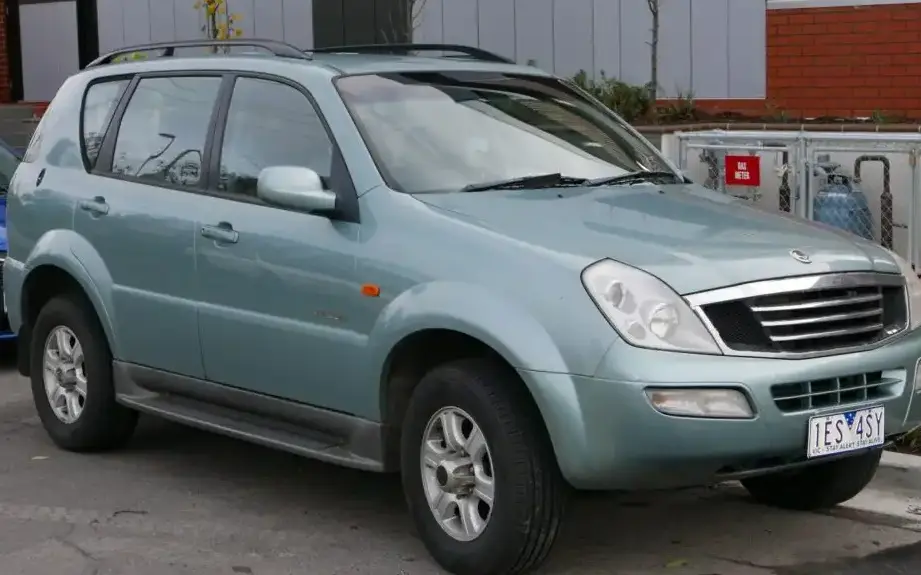
The SsangYong Rexton I RX 320, produced from 2001 to 2006, represents the initial foray of the South Korean automaker into the mid-size SUV segment. Built upon a body-on-frame construction, the Rexton aimed to provide a robust and capable vehicle, particularly appealing to those seeking towing capacity and off-road ability. The RX 320 variant, equipped with a 3.2-liter inline-six engine and a five-speed automatic transmission, occupied the upper echelon of the Rexton lineup, offering a balance of performance and convenience. It was positioned as a more premium offering compared to the lower-trim models, targeting buyers who desired a more refined driving experience without sacrificing the Rexton’s inherent ruggedness. While not widely sold in the United States, the Rexton found a niche market in Europe, Australia, and other regions where its combination of features and price point proved attractive.
Technical Specifications
| Brand | SsangYong |
| Model | Rexton |
| Generation | Rexton I |
| Type (Engine) | RX 320 (220 Hp) Automatic |
| Start of production | 2001 |
| End of production | 2006 |
| Powertrain Architecture | Internal Combustion engine |
| Body type | SUV |
| Seats | 5 |
| Doors | 5 |
| Fuel consumption (urban) | 19.2 l/100 km (12.3 US mpg) |
| Fuel consumption (extra urban) | 12.7 l/100 km (18.5 US mpg) |
| Fuel Type | Petrol (Gasoline) |
| Acceleration 0 – 100 km/h | 9.9 sec |
| Acceleration 0 – 62 mph | 9.9 sec |
| Acceleration 0 – 60 mph | 9.4 sec |
| Maximum speed | 182 km/h (113.09 mph) |
| Weight-to-power ratio | 8.5 kg/Hp |
| Weight-to-torque ratio | 6.3 kg/Nm |
| Power | 220 Hp @ 5750 rpm |
| Torque | 295 Nm @ 4000 rpm (217.58 lb.-ft. @ 4000 rpm) |
| Engine layout | Front, Longitudinal |
| Engine Model/Code | G32D |
| Engine displacement | 3199 cm3 (195.21 cu. in.) |
| Number of cylinders | 6 |
| Engine configuration | Inline |
| Cylinder Bore | 89.9 mm (3.54 in.) |
| Piston Stroke | 84 mm (3.31 in.) |
| Compression ratio | 10:1 |
| Number of valves per cylinder | 4 |
| Fuel injection system | Multi-port manifold injection |
| Engine aspiration | Naturally aspirated engine |
| Valvetrain | DOHC |
| Kerb Weight | 1860 kg (4100.6 lbs.) |
| Max. weight | 2550 kg (5621.79 lbs.) |
| Max load | 690 kg (1521.19 lbs.) |
| Trunk (boot) space – minimum | 500 l (17.66 cu. ft.) |
| Trunk (boot) space – maximum | 1920 l (67.8 cu. ft.) |
| Fuel tank capacity | 80 l (21.13 US gal) |
| Length | 4720 mm (185.83 in.) |
| Width | 1870 mm (73.62 in.) |
| Height | 1760 mm (69.29 in.) |
| Wheelbase | 2820 mm (111.02 in.) |
| Front track | 1550 mm (61.02 in.) |
| Rear (Back) track | 1540 mm (60.63 in.) |
| Drive wheel | All wheel drive (4×4) |
| Number of gears and type of gearbox | 5 gears, automatic transmission |
| Front suspension | Double wishbone |
| Rear suspension | Coil spring |
| Front brakes | Ventilated discs |
| Rear brakes | Disc |
| Assisting systems | ABS (Anti-lock braking system) |
| Steering type | Steering rack and pinion |
| Power steering | Hydraulic Steering |
| Tires size | 235/70 R16 |
Powertrain & Engine Architecture
The heart of the Rexton RX 320 is the SsangYong G32D, a 3.2-liter inline-six cylinder gasoline engine. This engine, developed with Mercedes-Benz technology from the early 1990s, features a double overhead camshaft (DOHC) valvetrain and multi-port fuel injection. The G32D produces 220 horsepower at 5750 rpm and 295 Nm (217.58 lb-ft) of torque at 4000 rpm. The engine’s longitudinal mounting allowed for a traditional rear-wheel-drive layout with a selectable four-wheel-drive system. Paired with the engine is a five-speed automatic transmission, providing smooth shifts but lacking the responsiveness of a manual gearbox. The automatic transmission was chosen to appeal to a broader audience seeking convenience, particularly in the SUV segment. The engine’s 10:1 compression ratio and naturally aspirated design contribute to its relatively linear power delivery.
Driving Characteristics
The Rexton RX 320, with its 3.2-liter engine and automatic transmission, offered adequate performance for its size and weight. Acceleration from 0 to 60 mph took approximately 9.4 seconds, and it could reach a top speed of 113 mph. However, the automatic transmission did detract from the engine’s potential, resulting in a slightly less engaging driving experience compared to the manual transmission options available in other Rexton trims. The gear ratios were tuned for comfortable cruising rather than outright acceleration. The Rexton’s body-on-frame construction provided a stable platform, but also resulted in a noticeable body roll during cornering. The four-wheel-drive system enhanced traction in various conditions, making it a capable vehicle for light off-roading and inclement weather.
Equipment & Trim Levels
The RX 320 trim generally included features such as air conditioning, power windows and locks, and a basic audio system. Higher-spec models could be equipped with leather upholstery, sunroof, and upgraded audio systems. The interior design was functional but lacked the sophistication of some of its European competitors. The dashboard layout was straightforward, with clearly labeled controls. Optional extras included a rear parking sensor and a navigation system, though these were not commonly fitted.
Chassis & Braking
The Rexton I utilized a traditional body-on-frame chassis, providing a robust and durable foundation. The front suspension featured a double wishbone setup, while the rear employed a coil spring arrangement. Braking duties were handled by ventilated discs at the front and solid discs at the rear. Anti-lock Braking System (ABS) was standard, enhancing safety during emergency braking situations. The steering was rack and pinion with hydraulic power assistance, providing reasonable steering feel and maneuverability. The RX 320 typically rode on 235/70 R16 tires, offering a balance of comfort and grip.
Market Reception & Comparison
The Rexton RX 320 received mixed reviews from automotive critics. While praised for its spacious interior, robust construction, and capable four-wheel-drive system, it was often criticized for its dated design, unrefined engine, and lackluster fuel economy (around 12.3 US mpg in the city and 18.5 US mpg on the highway). Compared to other trims, the RX 320 offered a significant performance upgrade over the lower-powered engines, but at the cost of increased fuel consumption. The 2.7-liter engine offered a more economical option, while the diesel variants provided superior torque and fuel efficiency.
Legacy
The SsangYong Rexton I, particularly the RX 320 variant, has developed a reputation for reliability, especially regarding the engine and transmission. While finding parts can sometimes be challenging due to SsangYong’s limited presence in some markets, the G32D engine is known for its durability. On the used car market, the Rexton RX 320 represents an affordable and capable SUV, appealing to buyers seeking a rugged vehicle with ample space and towing capacity. However, potential buyers should be aware of the vehicle’s age and potential maintenance requirements. The Rexton I laid the groundwork for SsangYong’s continued development of SUVs, and the Rexton nameplate continues to be used on subsequent generations of the vehicle.