Technical Specifications
| Brand | SsangYong |
| Model | Rodium II (facelift 2018) |
| Type (Engine) | SV220 (178 Hp) |
| Start of production | 2018 |
| End of production | 2023 |
| Powertrain Architecture | Internal Combustion engine |
| Body type | MPV |
| Seats | 7-11 |
| Doors | 5 |
| Fuel consumption (urban) | 9.3 l/100 km (25.3 US mpg) |
| Fuel consumption (extra urban) | 6.4 l/100 km (36.8 US mpg) |
| Fuel consumption (combined) | 7.5 l/100 km (31.4 US mpg) |
| CO2 emissions | 196 g/km |
| Fuel Type | Diesel |
| Maximum speed | 187 km/h (116.2 mph) |
| Emission standard | Euro 6 |
| Weight-to-power ratio | 11.7 kg/Hp |
| Weight-to-torque ratio | 5.2 kg/Nm |
| Power | 178 Hp @ 4000 rpm |
| Torque | 400 Nm @ 1400-2800 rpm (295.02 lb.-ft.) |
| Engine Model/Code | D22DTR |
| Engine displacement | 2157 cm3 (131.63 cu. in.) |
| Number of cylinders | 4 |
| Engine configuration | Inline |
| Cylinder Bore | 86.2 mm (3.39 in.) |
| Piston Stroke | 92.4 mm (3.64 in.) |
| Compression ratio | 15.5:1 |
| Number of valves per cylinder | 4 |
| Fuel injection system | Diesel Commonrail |
| Engine aspiration | Turbocharger, Intercooler |
| Engine oil capacity | 6 l (6.34 US qt | 5.28 UK qt) |
| Coolant | 8.5 l (8.98 US qt | 7.48 UK qt) |
| Kerb Weight | 2085-2144 kg (4596.64 – 4726.71 lbs.) |
| Max. weight | 2820 kg (6217.04 lbs.) |
| Max load | 676-735 kg (1490.32 – 1620.4 lbs.) |
| Permitted trailer load (braked) | 2000 kg (4409.25 lbs.) |
| Permitted trailer load (unbraked) | 750 kg (1653.47 lbs.) |
| Length | 5130 mm (201.97 in.) |
| Width | 1915 mm (75.39 in.) |
| Height | 1815-1850 mm (71.46 – 72.83 in.) |
| Wheelbase | 3000 mm (118.11 in.) |
| Front track | 1610 mm (63.39 in.) |
| Rear track | 1620 mm (63.78 in.) |
| Minimum turning circle | 11.4 m (37.4 ft.) |
| Drivetrain | Rear wheel drive |
| Number of gears | 6 |
| Gearbox type | Manual transmission |
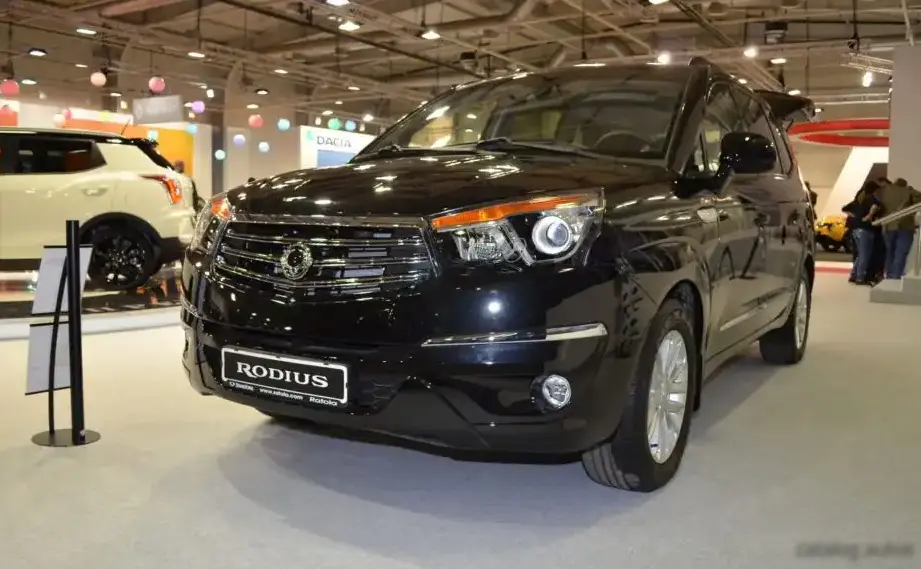
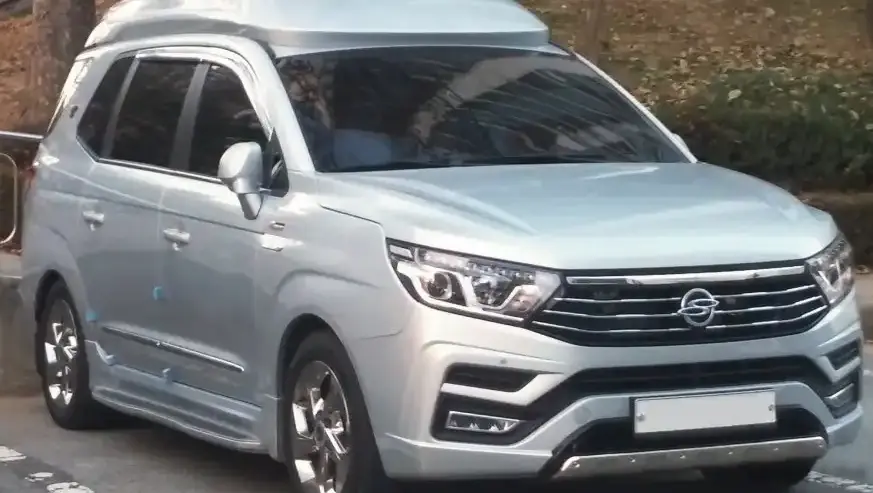
The SsangYong Rodius II SV220, produced from 2018 to 2023, represents a significant refresh of SsangYong’s large multi-purpose vehicle (MPV). Designed to cater to families and those needing substantial passenger or cargo space, the Rodius II aimed to provide a practical and affordable alternative to more established MPVs in the European and Asian markets. The SV220 trim, powered by a 2.2-liter diesel engine generating 178 horsepower, occupied a mid-range position within the Rodius II lineup, balancing performance, fuel economy, and available features. This facelifted version addressed many of the criticisms leveled at the original Rodius, with improvements to exterior styling, interior quality, and enhanced safety equipment.
Powertrain & Engine Architecture
At the heart of the SV220 lies the D22DTR, a 2.2-liter inline-four cylinder diesel engine. This engine employs a common-rail direct injection system, delivering fuel at exceptionally high pressure to optimize combustion efficiency and minimize emissions. A turbocharger, coupled with an intercooler, further boosts performance by increasing the amount of air entering the cylinders. The engine develops 178 horsepower at 4000 rpm and a robust 400 Nm (295 lb-ft) of torque between 1400 and 2800 rpm, providing ample power for a vehicle of this size. The standard transmission for the SV220 was a six-speed manual gearbox, offering drivers complete control over gear selection. The engine was engineered to comply with Euro 6 emission standards, incorporating a diesel particulate filter (DPF) to reduce harmful particulate matter.
Driving Characteristics
The SV220, when equipped with the six-speed manual transmission, delivers a reasonably engaging driving experience for an MPV. While not designed for sporty performance, the engine’s torque output provides brisk acceleration, particularly in the mid-range. The six-speed gearbox is well-matched to the engine’s powerband, enabling comfortable cruising on highways. Compared to higher-powered Rodius II variants, the SV220 prioritizes fuel efficiency over outright speed. The manual transmission allows for greater driver control and potentially improved fuel economy compared to an automatic, although it requires more driver involvement. The rear-wheel-drive configuration contributes to a balanced feel, but drivers should exercise caution with throttle application in adverse weather conditions.
Equipment & Trim Levels
The SV220 trim level generally included standard features such as air conditioning, power windows, central locking, and a basic audio system. Higher-specification Rodius II models offered upgrades like leather upholstery, a touchscreen infotainment system with navigation capabilities, and parking sensors. Safety features included anti-lock brakes (ABS), electronic stability control (ESC), and multiple airbags. The Rodius II was conceived as a practical family vehicle, and the SV220 trim provided a good balance of features at a competitive price point.
Chassis & Braking
The Rodius II utilizes a traditional body-on-frame construction, providing a robust and durable chassis. The suspension system features independent double wishbones at the front and a multi-link setup at the rear. The SV220 typically came equipped with disc brakes on all four wheels, offering adequate stopping power. The rear suspension was tuned to prioritize ride comfort, making it well-suited for long journeys with a full passenger load. Stabilizer bars were fitted to both the front and rear axles to minimize body roll during cornering maneuvers.
Market Reception & Comparison
The SsangYong Rodius II, including the SV220 variant, received a mixed reception from automotive reviewers. While its spacious interior and practicality were often praised, it was frequently criticized for its somewhat dated styling and a less refined driving experience compared to some of its competitors. Fuel economy was generally considered acceptable for a vehicle of its size and weight class. Compared to other trims within the Rodius II lineup, the SV220 offered a more accessible price point, appealing to budget-conscious buyers. However, customers seeking greater performance or a more luxurious experience often opted for the higher-spec models.
Legacy
The SsangYong Rodius II, and the SV220 in particular, occupies a unique niche within the MPV segment. While not achieving mainstream success, it has cultivated a following among those who prioritize space, practicality, and value. The D22DTR engine, while not renowned for exceptional refinement, has proven to be relatively reliable with consistent maintenance. In the used car market, the SV220 can be found at attractive prices, making it a viable option for large families or individuals requiring a versatile vehicle for work or leisure. Its rear-wheel-drive layout and body-on-frame construction differentiate it from many contemporary MPVs, offering a distinct driving experience and a more rugged character.