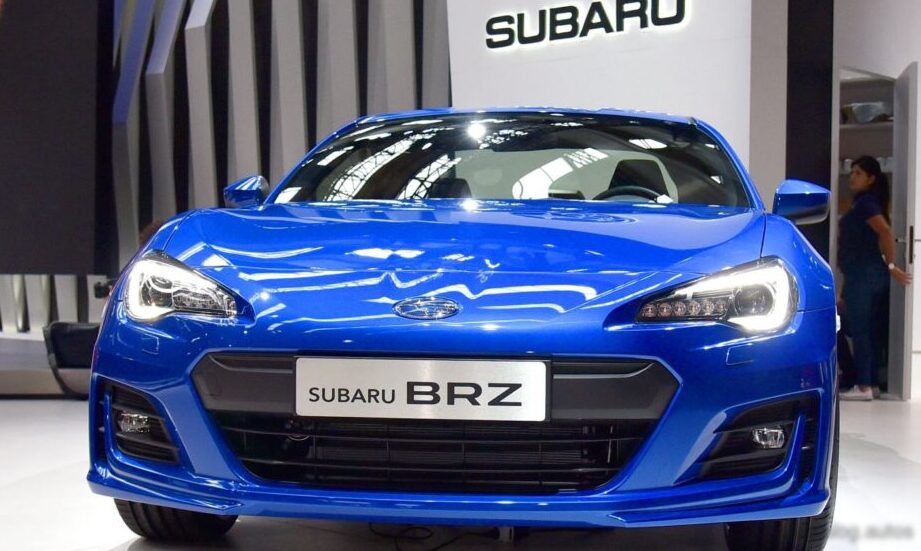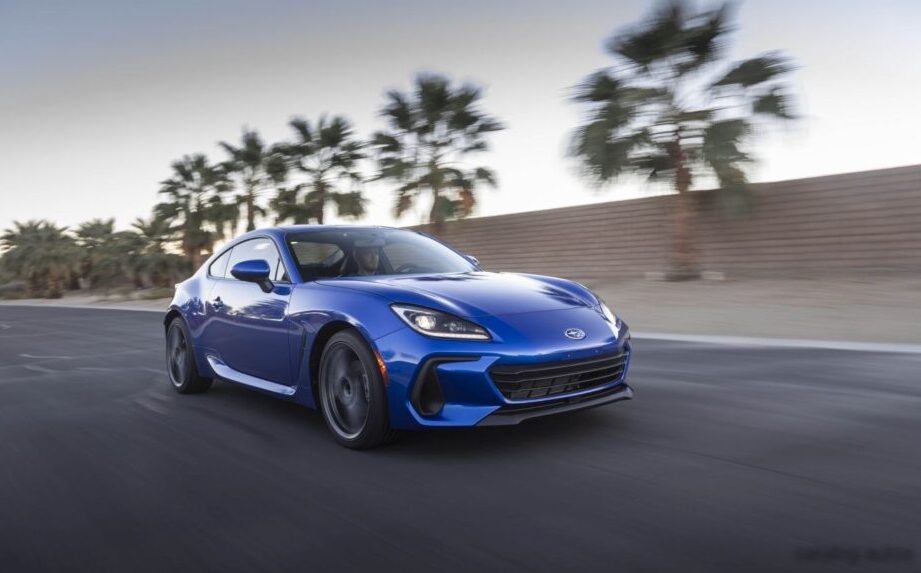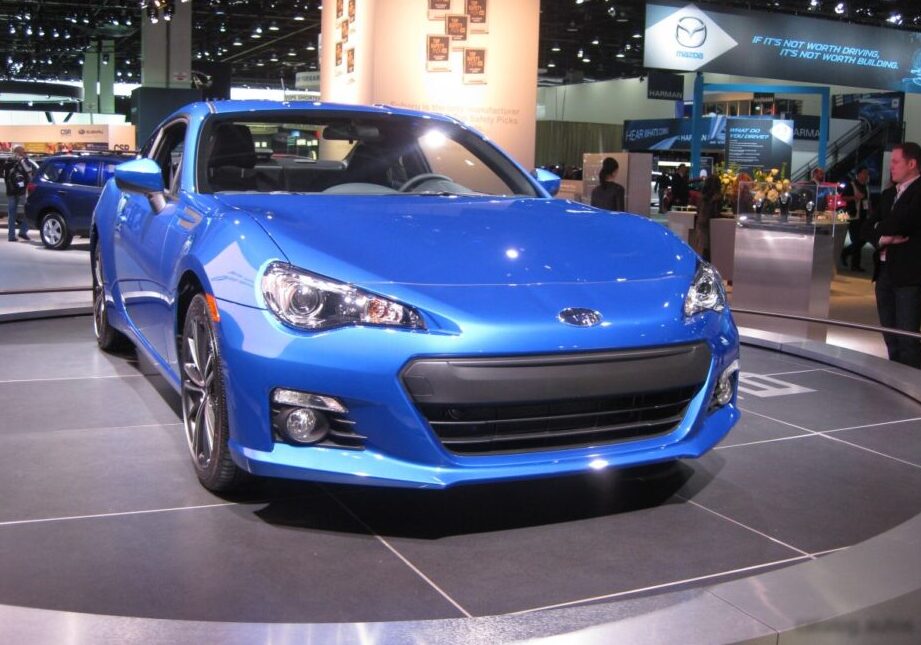
The Subaru BRZ, specifically the first generation (internally designated BRZ I) produced between 2012 and 2016, represented a significant departure for the Japanese automaker. Developed in collaboration with Toyota (resulting in the nearly identical Toyota 86/GT86), the BRZ aimed to revive the affordable, lightweight, rear-wheel-drive sports car segment. The 2.0-liter (1998cc) 200 horsepower automatic variant occupied a middle ground in the BRZ lineup, offering a more accessible entry point than the six-speed manual while still providing a spirited driving experience. It was positioned as a daily-drivable sports coupe, appealing to enthusiasts seeking a balance between performance and convenience.
Technical Specifications
| Brand | Subaru |
| Model | BRZ |
| Generation | BRZ I |
| Type (Engine) | 2.0 (200 Hp) Automatic |
| Start of production | 2012 |
| End of production | 2016 |
| Powertrain Architecture | Internal Combustion engine |
| Body type | Coupe |
| Seats | 4 |
| Doors | 2 |
| Fuel consumption (urban) | 9.4 l/100 km (25 US mpg) |
| Fuel consumption (extra urban) | 5.5 l/100 km (42.8 US mpg) |
| Fuel consumption (combined) | 6.9 l/100 km (34.1 US mpg) |
| Fuel Type | Petrol (Gasoline) |
| Acceleration 0 – 100 km/h | 8.2 sec |
| Acceleration 0 – 62 mph | 8.2 sec |
| Acceleration 0 – 60 mph | 7.8 sec |
| Maximum speed | 210 km/h (130.49 mph) |
| Weight-to-power ratio | 6.1 kg/Hp |
| Weight-to-torque ratio | 6 kg/Nm |
| Power | 200 Hp @ 7000 rpm |
| Torque | 205 Nm @ 6400-6600 rpm (151.2 lb.-ft. @ 6400-6600 rpm) |
| Engine layout | Front, Longitudinal |
| Engine Model/Code | FA20D |
| Engine displacement | 1998 cm3 (121.93 cu. in.) |
| Number of cylinders | 4 |
| Engine configuration | Boxer |
| Cylinder Bore | 86 mm (3.39 in.) |
| Piston Stroke | 86 mm (3.39 in.) |
| Compression ratio | 12.5:1 |
| Number of valves per cylinder | 4 |
| Fuel injection system | Direct injection |
| Engine aspiration | Naturally aspirated engine |
| Valvetrain | DOHC |
| Engine oil capacity | 5.4 l (5.71 US qt | 4.75 UK qt) |
| Coolant | 7.5 l (7.93 US qt | 6.6 UK qt) |
| Kerb Weight | 1224 kg (2698.46 lbs.) |
| Trunk (boot) space | 243 l (8.58 cu. ft.) |
| Fuel tank capacity | 50 l (13.21 US gal | 11 UK gal) |
| Length | 4240 mm (166.93 in.) |
| Width | 1775 mm (69.88 in.) |
| Height | 1425 mm (56.1 in.) |
| Wheelbase | 2570 mm (101.18 in.) |
| Front track | 1520 mm (59.84 in.) |
| Rear track | 1540 mm (60.63 in.) |
| Minimum turning circle | 10.8 m (35.43 ft.) |
| Drive wheel | Rear wheel drive |
| Number of gears | 6 |
| Gearbox type | automatic transmission |
| Front suspension | Independent type McPherson |
| Rear suspension | Double wishbone |
| Front brakes | Ventilated discs |
| Rear brakes | Disc |
| Assisting systems | ABS (Anti-lock braking system) |
| Steering type | Steering rack and pinion |
| Tires size | 205/55 R16 |
| Wheel rims size | 6.5J x 16 |
Powertrain & Engine Architecture
The heart of the BRZ I 2.0 Automatic is the FA20D 2.0-liter horizontally-opposed (boxer) four-cylinder engine. This engine, a key component of the Toyota/Subaru joint venture, was designed with a focus on compactness and low weight. The boxer configuration, with its pistons moving horizontally, contributes to a lower center of gravity, enhancing handling. The FA20D utilizes direct fuel injection, maximizing combustion efficiency and power output. It also features a dual overhead camshaft (DOHC) valvetrain with four valves per cylinder, further optimizing airflow. The engine produces 200 horsepower at 7,000 rpm and 151.2 lb-ft of torque between 6,400 and 6,600 rpm. Paired with the engine is a six-speed automatic transmission. This transmission, while offering convenience, was often criticized for its relatively slow shift speeds compared to the available manual gearbox. The automatic transmission was tuned for fuel efficiency and smooth operation, prioritizing comfort over outright performance.
Driving Characteristics
The 200 hp automatic BRZ delivers a noticeably different driving experience compared to its manual counterpart. While the manual version emphasizes driver engagement and precise control, the automatic prioritizes ease of use. Acceleration from 0-60 mph takes approximately 7.8 seconds, slightly slower than the manual. The automatic transmission’s gear ratios are optimized for fuel economy, resulting in a less aggressive feel. Power delivery is linear, but the automatic transmission can sometimes feel hesitant during quick downshifts. However, the rear-wheel-drive layout and well-tuned suspension still provide a balanced and enjoyable driving experience, particularly on winding roads. The relatively low weight of the vehicle (around 2,700 lbs) helps to mitigate the performance deficit compared to the manual.
Equipment & Trim Levels
The BRZ I 2.0 Automatic typically came standard with features such as air conditioning, power windows and locks, a basic audio system with auxiliary input, and stability control. Interior upholstery was typically cloth, with a sporty design. Optional extras included a premium audio system with navigation, leather upholstery, keyless entry, and a rear spoiler. The BRZ was offered in a limited number of trim levels, with the automatic transmission generally available on the base and Limited models. The Limited trim added features like heated seats and upgraded interior trim.
Chassis & Braking
The BRZ’s chassis is designed for optimal balance and responsiveness. It features an independent McPherson strut suspension in the front and a double wishbone suspension in the rear. The suspension tuning is firm, providing excellent body control and minimizing roll during cornering. Braking duties are handled by ventilated discs in the front and solid discs in the rear. Anti-lock brakes (ABS) are standard. The BRZ’s relatively lightweight construction contributes to its nimble handling and efficient braking performance.
Market Reception & Comparison
The BRZ I 2.0 Automatic received mixed reviews. Critics praised its handling, affordability, and unique driving experience. However, the automatic transmission was often criticized for its sluggishness and lack of engagement. Compared to the manual version, the automatic offered slightly worse fuel economy and slower acceleration. Within the BRZ lineup, the automatic variant appealed to buyers who prioritized convenience and ease of driving over outright performance. It was often seen as a good option for daily commuting and weekend drives.
Legacy
The Subaru BRZ I, including the 2.0-liter automatic variant, has established a strong following among driving enthusiasts. The FA20D engine, while not known for exceptional reliability issues, requires regular maintenance, including oil changes and valve adjustments. The automatic transmission, while generally reliable, can experience issues with the torque converter over time. On the used car market, well-maintained BRZs hold their value relatively well, particularly those with the manual transmission. The 2012-2016 BRZ is remembered as a return to the basics of sports car design – lightweight, rear-wheel drive, and focused on the driving experience.