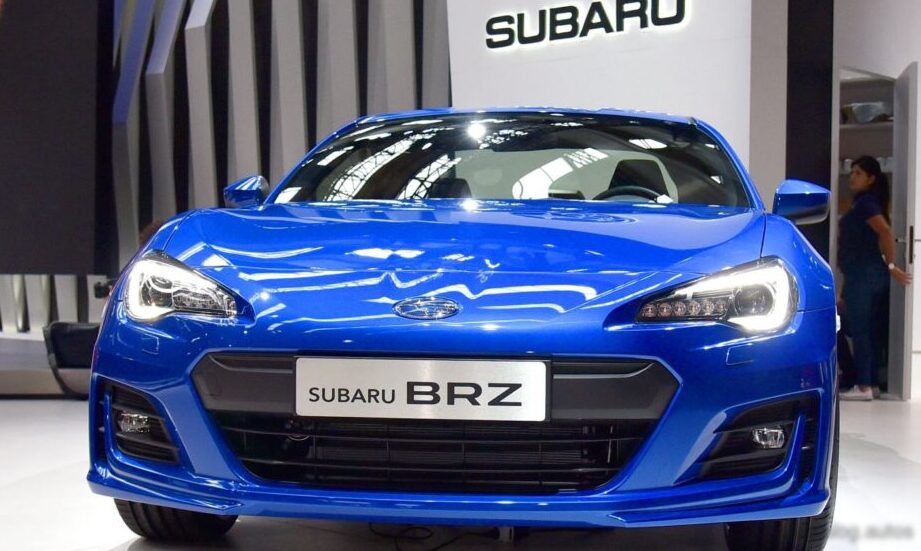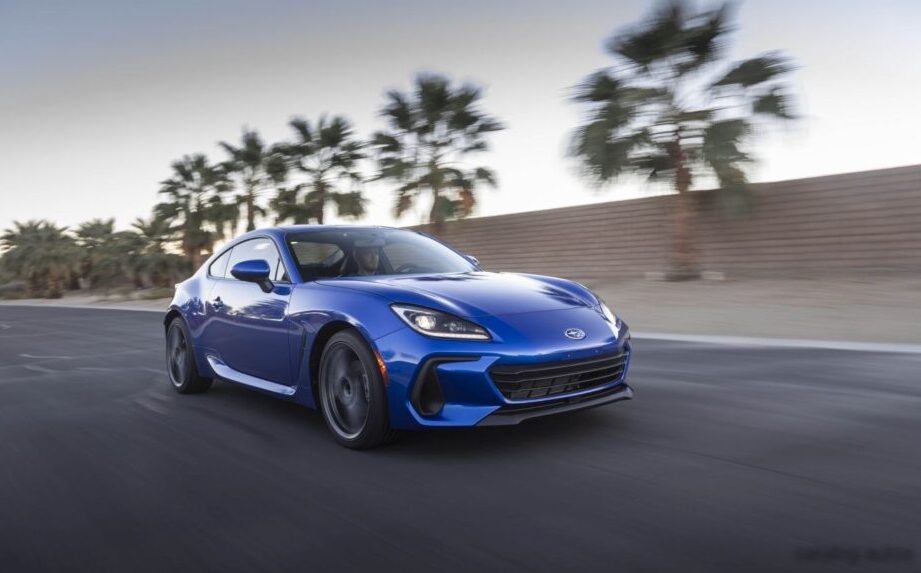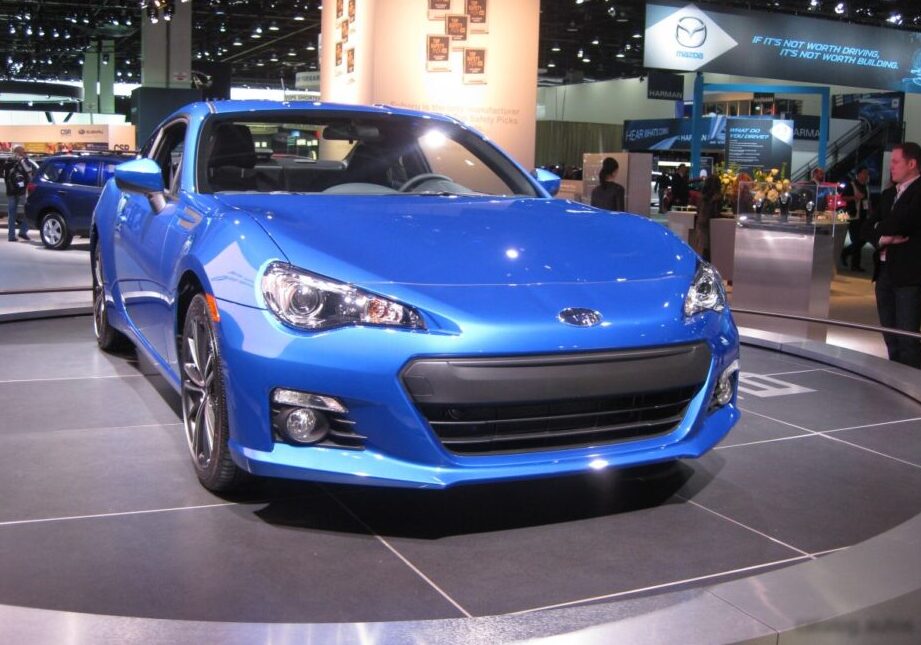
The Subaru BRZ Premium 2.0 Automatic, produced from 2012 to 2016, represents the initial iteration of Subaru’s rear-wheel-drive sports coupe, developed in collaboration with Toyota (who marketed their version as the Toyota 86/GT86). This variant occupied the mid-range position within the first generation (BRZ I) lineup, offering a balance between performance and convenience with its six-speed automatic transmission. The BRZ aimed to revive the affordable sports car segment, focusing on driver engagement and handling rather than outright power. It was a significant departure for Subaru, traditionally known for its all-wheel-drive vehicles, and quickly gained a following among enthusiasts seeking a lightweight, nimble, and customizable platform.
Technical Specifications
| Brand | Subaru |
| Model | BRZ |
| Generation | BRZ I |
| Type | Premium 2.0 (200 Hp) Automatic |
| Start of production | 2012 |
| End of production | 2016 |
| Powertrain Architecture | Internal Combustion engine |
| Body type | Coupe |
| Seats | 4 |
| Doors | 2 |
| Fuel consumption (urban) | 9.6 l/100 km (24.5 US mpg) |
| Fuel consumption (extra urban) | 5.7 l/100 km (41.3 US mpg) |
| Fuel consumption (combined) | 7.1 l/100 km (33.1 US mpg) |
| Fuel Type | Petrol (Gasoline) |
| Acceleration 0 – 100 km/h | 8.2 sec |
| Acceleration 0 – 62 mph | 8.2 sec |
| Acceleration 0 – 60 mph | 7.8 sec |
| Maximum speed | 210 km/h (130.49 mph) |
| Weight-to-power ratio | 6.3 kg/Hp |
| Weight-to-torque ratio | 6.2 kg/Nm |
| Power | 200 Hp @ 7000 rpm |
| Torque | 205 Nm @ 6400-6600 rpm (151.2 lb.-ft.) |
| Engine layout | Front, Longitudinal |
| Engine Model/Code | FA20D |
| Engine displacement | 1998 cm3 (121.93 cu. in.) |
| Number of cylinders | 4 |
| Engine configuration | Boxer |
| Cylinder Bore | 86 mm (3.39 in.) |
| Piston Stroke | 86 mm (3.39 in.) |
| Compression ratio | 12.5:1 |
| Number of valves per cylinder | 4 |
| Fuel injection system | Direct injection |
| Engine aspiration | Naturally aspirated engine |
| Valvetrain | DOHC |
| Engine oil capacity | 5.4 l (5.71 US qt | 4.75 UK qt) |
| Coolant capacity | 7.5 l (7.93 US qt | 6.6 UK qt) |
| Kerb Weight | 1262 kg (2782.23 lbs.) |
| Trunk (boot) space | 243 l (8.58 cu. ft.) |
| Fuel tank capacity | 50 l (13.21 US gal | 11 UK gal) |
| Length | 4240 mm (166.93 in.) |
| Width | 1775 mm (69.88 in.) |
| Height | 1425 mm (56.1 in.) |
| Wheelbase | 2570 mm (101.18 in.) |
| Front track | 1520 mm (59.84 in.) |
| Rear track | 1540 mm (60.63 in.) |
| Minimum turning circle | 10.8 m (35.43 ft.) |
| Drivetrain | Rear wheel drive |
| Number of gears | 6 |
| Gearbox type | Automatic transmission |
| Front suspension | Independent type McPherson |
| Rear suspension | Double wishbone |
| Front brakes | Ventilated discs |
| Rear brakes | Ventilated discs |
| Tires size | 215/45 R17 |
| Wheel rims size | 7J x 17 |
Powertrain & Engine Architecture
The heart of the BRZ Premium 2.0 Automatic is the FA20D 2.0-liter naturally aspirated boxer-four engine. This engine, a hallmark of Subaru’s engineering, features a horizontally opposed configuration, which contributes to a low center of gravity and improved balance. The FA20D utilizes direct fuel injection and a dual overhead camshaft (DOHC) valvetrain with four valves per cylinder. This combination allows for efficient combustion and a respectable power output of 200 horsepower at 7,000 rpm and 151.2 lb-ft of torque between 6,400 and 6,600 rpm. The engine’s relatively high compression ratio of 12.5:1 further enhances its performance. Paired with the engine is a six-speed automatic transmission, designed to provide smooth shifts and ease of use. While not as engaging as the available six-speed manual, the automatic offered a more accessible driving experience for a wider range of drivers.
Driving Characteristics
The BRZ Premium 2.0 Automatic delivers a distinct driving experience focused on handling and balance. While the automatic transmission slightly diminishes the raw acceleration compared to the manual version (0-60 mph in approximately 7.8 seconds versus 6.8 seconds for the manual), it still provides adequate performance for spirited driving. The automatic’s gear ratios are tuned for a balance between fuel efficiency and responsiveness. The lower gears provide sufficient acceleration, while the higher gears allow for comfortable cruising on the highway. The rear-wheel-drive layout and the boxer engine’s low center of gravity contribute to exceptional handling characteristics, making the BRZ a joy to drive on winding roads. However, the automatic transmission can sometimes feel hesitant during quick downshifts, and lacks the direct control offered by the manual.
Equipment & Trim Levels
The Premium trim level of the BRZ included several standard features designed to enhance comfort and convenience. These typically included keyless entry, push-button start, a leather-wrapped steering wheel, and a premium audio system. Interior upholstery consisted of a combination of cloth and synthetic leather. Optional extras available for the Premium trim included a rear spoiler, upgraded speakers, and various cosmetic enhancements. The dashboard layout was driver-focused, with clearly visible gauges and intuitive controls. The BRZ prioritized a minimalist interior design, focusing on functionality rather than luxury.
Chassis & Braking
The BRZ’s chassis is designed for optimal handling and rigidity. It features an independent McPherson strut suspension in the front and a double wishbone suspension in the rear. This setup provides excellent wheel control and minimizes body roll during cornering. The BRZ Premium 2.0 Automatic came equipped with ventilated disc brakes on all four wheels, providing ample stopping power. An Anti-lock Braking System (ABS) was standard, enhancing safety and control during emergency braking situations. The relatively lightweight construction of the BRZ (approximately 2,782 lbs) further contributes to its agile handling.
Market Reception & Comparison
The Subaru BRZ, and its Toyota counterpart, were generally well-received by automotive critics. The 1.8L Automatic variant was often praised for its affordability and ease of use, making it an attractive option for drivers who preferred the convenience of an automatic transmission. However, some critics noted that the automatic transmission detracted from the overall driving experience compared to the manual. Fuel economy was a strong point, with combined MPG figures around 33.1. Compared to other trims, the automatic version offered a slightly lower performance ceiling but a more relaxed driving experience. Reliability was generally good, with the FA20D engine proving to be a robust and dependable unit.
Legacy
The Subaru BRZ Premium 2.0 Automatic has established itself as a popular choice in the used car market. The FA20D engine is known for its longevity and relatively low maintenance costs, provided it is properly maintained. The BRZ’s lightweight design and rear-wheel-drive layout continue to appeal to driving enthusiasts. The first-generation BRZ paved the way for the second-generation model, which addressed some of the criticisms leveled at the original, including improvements to power and chassis rigidity. Today, the BRZ remains a sought-after platform for modification and customization, with a thriving aftermarket support network.