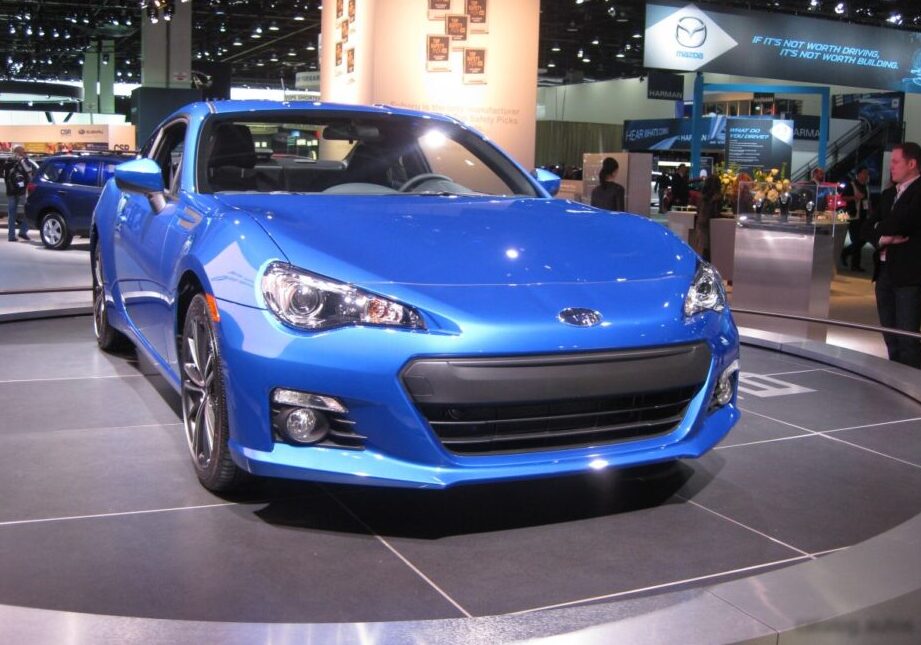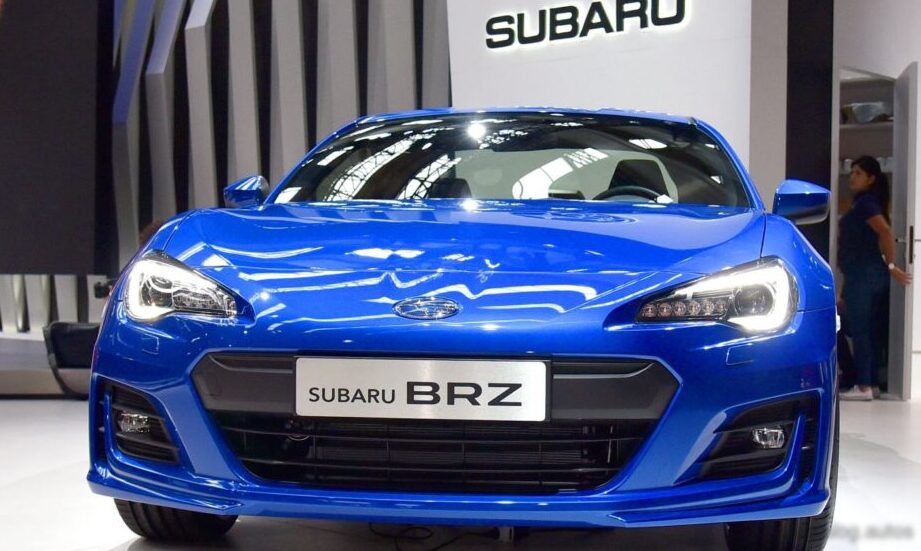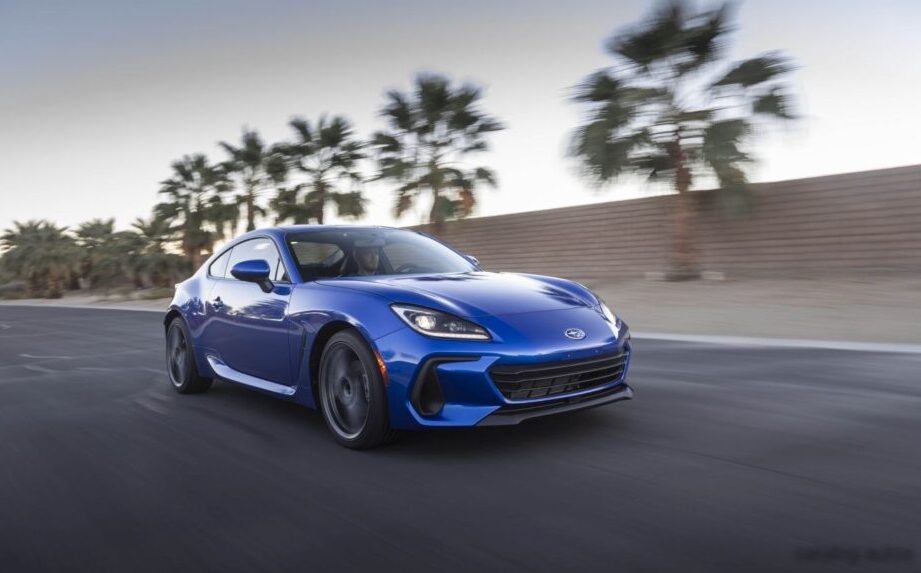
The Subaru BRZ II 2.4 D-4S Automatic, introduced for the 2022 model year (representing the second generation of the BRZ), represents a significant evolution of the rear-wheel-drive sports coupe co-developed with Toyota. This variant, equipped with the naturally aspirated 2.4-liter boxer engine and a six-speed automatic transmission, occupies a central position within the BRZ lineup, offering a balance between performance and accessibility. It builds upon the foundation laid by the first-generation BRZ (2013-2020), addressing criticisms regarding the original’s power delivery while retaining the engaging driving experience that defined the model. The BRZ II is built on Subaru’s global platform, designated as the ZD8 chassis.
Technical Specifications
| Brand | Subaru |
| Model | BRZ |
| Generation | BRZ II |
| Type (Engine) | 2.4 D-4S (228 Hp) Automatic |
| Start of production | 2021 year |
| Powertrain Architecture | Internal Combustion engine |
| Body type | Coupe |
| Seats | 4 |
| Doors | 2 |
| Fuel Type | Petrol (Gasoline) |
| Weight-to-power ratio | 5.7 kg/Hp, 175.5 Hp/tonne |
| Weight-to-torque ratio | 5.2 kg/Nm, 191.7 Nm/tonne |
| Power | 228 Hp @ 7000 rpm |
| Torque | 249 Nm @ 3700 rpm, 183.65 lb.-ft. @ 3700 rpm |
| Engine layout | Front, Longitudinal |
| Engine Model/Code | FA24 |
| Number of cylinders | 4 |
| Engine configuration | Boxer |
| Cylinder Bore | 93.98 mm (3.7 in) |
| Piston Stroke | 86.11 mm (3.39 in) |
| Compression ratio | 13.5:1 |
| Number of valves per cylinder | 4 |
| Fuel injection system | Direct injection and Multi-port manifold injection |
| Engine aspiration | Naturally aspirated engine |
| Valvetrain | DOHC, DAVCS |
| Engine oil capacity | 5 l (5.28 US qt | 4.4 UK qt) |
| Coolant | 7.7 l (8.14 US qt | 6.78 UK qt) |
| Kerb Weight | 1299-1307 kg (2863.8 – 2881.44 lbs) |
| Length | 4265 mm (167.91 in) |
| Width | 1775 mm (69.88 in) |
| Height | 1311 mm (51.61 in) |
| Wheelbase | 2576 mm (101.42 in) |
| Drivetrain Architecture | Rear wheel drive |
| Number of gears and type of gearbox | 6 gears, automatic transmission |
| Front suspension | Independent, type McPherson with coil spring and anti-roll bar |
| Rear suspension | Double wishbone |
| Front brakes | Ventilated discs |
| Rear brakes | Ventilated discs |
| Assisting systems | ABS (Anti-lock braking system) |
| Steering type | Steering rack and pinion |
| Tires size | 215/45 R17 87W; 215/40 R18 85Y |
| Wheel rims size | 17; 18 |
Powertrain & Engine Architecture
The heart of the BRZ II 2.4 D-4S Automatic is the FA24 2.4-liter horizontally-opposed (boxer) four-cylinder engine. This engine represents a substantial upgrade over the 2.0-liter FA20 found in the first-generation BRZ. The “D-4S” designation refers to Subaru’s Direct and Port Injection system, which combines direct fuel injection for improved efficiency and reduced emissions with port injection for enhanced throttle response and power. The engine utilizes a dual-scroll turbocharger, contributing to its improved torque characteristics. The FA24 boasts a higher compression ratio of 13.5:1 and features dual overhead camshafts (DOHC) with Dual Active Valve Control System (DAVCS) on both intake and exhaust valves, optimizing valve timing for varying engine speeds and loads. The six-speed automatic transmission is a conventional torque-converter type, offering smooth shifts and a more relaxed driving experience compared to the available six-speed manual. It’s programmed with adaptive learning, adjusting shift points based on driving style.
Driving Characteristics
The 228 horsepower and 184 lb-ft of torque delivered by the FA24 engine, coupled with the automatic transmission, provide a noticeable improvement in acceleration compared to the previous generation BRZ. While not a drag racer, the BRZ II 2.4 D-4S Automatic offers brisk performance, particularly in the mid-range. The automatic transmission, while smooth, is tuned for efficiency and doesn’t offer the same level of driver engagement as the manual. Gear ratios are optimized for everyday driving, with a focus on maintaining the engine within its optimal power band. Compared to the manual transmission variant, the automatic sacrifices some responsiveness but gains in ease of use, making it a more suitable option for daily commuting and less experienced drivers. The rear-wheel-drive configuration continues to provide a balanced and engaging driving experience, with predictable handling and a relatively neutral chassis balance.
Equipment & Trim Levels
The BRZ II 2.4 D-4S Automatic was offered in two primary trim levels: base and Limited. The base model included standard features such as LED headlights, a 7-inch touchscreen infotainment system with Apple CarPlay and Android Auto compatibility, a rearview camera, and a suite of safety features including Vehicle Stability Control and Traction Control. The Limited trim added upgrades like leather and suede upholstery, heated front seats, an upgraded Harman Kardon premium audio system, and blind-spot monitoring with rear cross-traffic alert. Optional extras included automatic climate control and various cosmetic enhancements.
Chassis & Braking
The BRZ II utilizes a McPherson strut front suspension and a double-wishbone rear suspension, providing a well-controlled and responsive ride. The suspension tuning is geared towards sporty handling, with relatively firm damping and minimal body roll. The braking system consists of ventilated discs on all four wheels, providing ample stopping power. ABS (Anti-lock Braking System) is standard, enhancing safety and stability during hard braking. The chassis is designed to be lightweight, contributing to the car’s agility and handling balance. Stabilizer bars are fitted to both the front and rear axles to further reduce body roll.
Market Reception & Comparison
The BRZ II 2.4 D-4S Automatic was generally well-received by automotive critics. The increased power output of the FA24 engine was widely praised, addressing a key criticism of the first-generation model. The automatic transmission was considered a competent and smooth-shifting unit, although some reviewers preferred the engagement of the manual transmission. Fuel economy is respectable, averaging around 21 mpg city and 30 mpg highway. Compared to the manual transmission version, the automatic typically achieves slightly better fuel economy. The BRZ competes with other affordable rear-wheel-drive sports cars such as the Mazda MX-5 Miata and the Toyota GR86 (which shares the same platform and powertrain).
Legacy
The FA24 engine, in both manual and automatic configurations, has proven to be a reliable and durable powertrain. Early reports suggest good long-term reliability, with no widespread issues reported. The BRZ II 2.4 D-4S Automatic holds its value relatively well in the used car market, reflecting its popularity and the enduring appeal of the rear-wheel-drive sports coupe formula. Its combination of performance, affordability, and engaging driving dynamics ensures its continued desirability among enthusiasts. The second-generation BRZ, and specifically the 2.4 D-4S Automatic variant, has cemented the model’s position as a modern classic, offering a compelling alternative to more expensive and complex sports cars.