Technical Specifications
| Brand | Subaru |
| Model | Crosstrek |
| Generation | Crosstrek I (facelift 2015) |
| Type (Engine) | 2.0 (148 Hp) AWD |
| Start of production | 2015 |
| End of production | 2017 |
| Powertrain Architecture | Internal Combustion engine |
| Body type | SUV, Crossover |
| Seats | 5 |
| Doors | 5 |
| Fuel consumption (urban) | 10.2 l/100 km (23.1 US mpg) |
| Fuel consumption (extra urban) | 7.6-7.8 l/100 km (30.9 – 30.2 US mpg) |
| Fuel consumption (combined) | 9 l/100 km (26.1 US mpg) |
| Fuel Type | Petrol (Gasoline) |
| Weight-to-power ratio | 9.5 kg/Hp |
| Weight-to-torque ratio | 7.2 kg/Nm |
| Power | 148 Hp @ 6200 rpm |
| Power per litre | 74.2 Hp/l |
| Torque | 197 Nm @ 4200 rpm (145.3 lb.-ft. @ 4200 rpm) |
| Engine layout | Front, Longitudinal |
| Engine Model/Code | FB20 |
| Engine displacement | 1995 cm3 (121.74 cu. in.) |
| Number of cylinders | 4 |
| Engine configuration | Boxer |
| Cylinder Bore | 84 mm (3.31 in.) |
| Piston Stroke | 90 mm (3.54 in.) |
| Compression ratio | 10.5:1 |
| Number of valves per cylinder | 4 |
| Fuel injection system | Multi-port manifold injection |
| Engine aspiration | Naturally aspirated engine |
| Valvetrain | DOHC, DAVCS |
| Engine oil capacity | 4.8 l (5.07 US qt | 4.22 UK qt) |
| Coolant capacity | 8 l (8.45 US qt | 7.04 UK qt) |
| Kerb Weight | 1410 kg (3108.52 lbs.) |
| Trunk (boot) space – minimum | 631 l (22.28 cu. ft.) |
| Trunk (boot) space – maximum | 1470 l (51.91 cu. ft.) |
| Fuel tank capacity | 60 l (15.85 US gal | 13.2 UK gal) |
| Length | 4450 mm (175.2 in.) |
| Width | 1780 mm (70.08 in.) |
| Width including mirrors | 2004 mm (78.9 in.) |
| Height | 1615 mm (63.58 in.) |
| Wheelbase | 2635 mm (103.74 in.) |
| Front track | 1525 mm (60.04 in.) |
| Rear track | 1525 mm (60.04 in.) |
| Ride height (ground clearance) | 220 mm (8.66 in.) |
| Minimum turning circle | 10.6 m (34.78 ft.) |
| Approach angle | 18° |
| Departure angle | 27.7° |
| Ramp-over angle | 21.1° |
| Drivetrain Architecture | All wheel drive (4×4) |
| Number of gears | 5 |
| Gearbox type | Manual transmission |
| Front suspension | Independent, McPherson with coil spring and anti-roll bar |
| Rear suspension | Double wishbone, Transverse stabilizer, Coil spring |
| Front brakes | Ventilated discs, 294 mm |
| Rear brakes | Disc, 274 mm |
| Assisting systems | ABS (Anti-lock braking system) |
| Steering type | Steering rack and pinion |
| Power steering | Electric Steering |
| Tires size | 225/55 R17 |
| Wheel rims size | 7J x 17 |
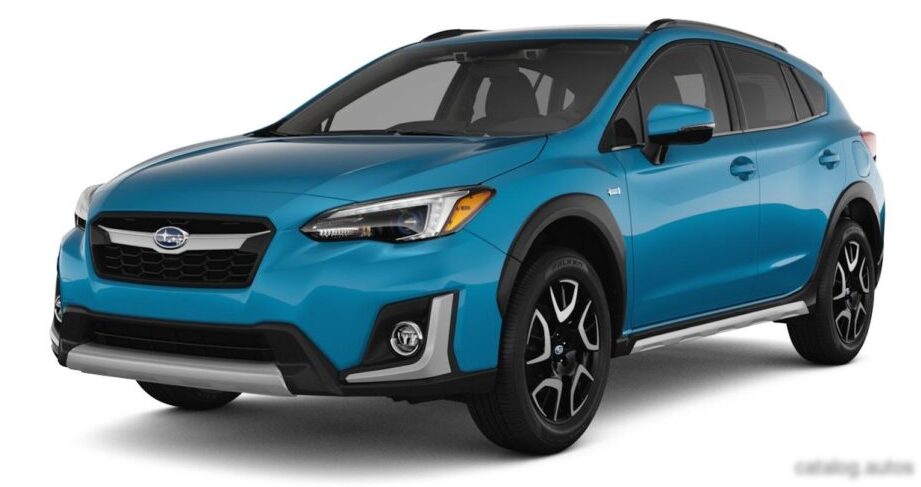
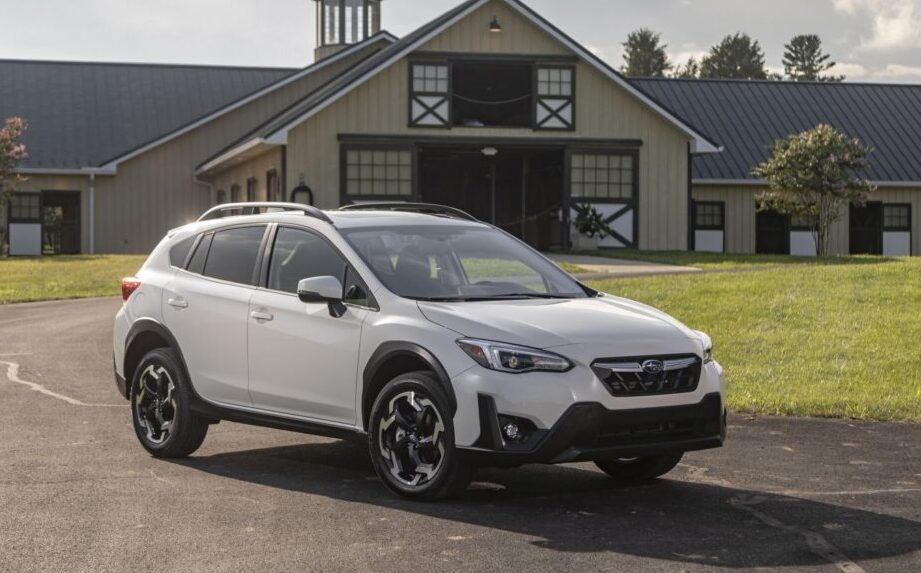
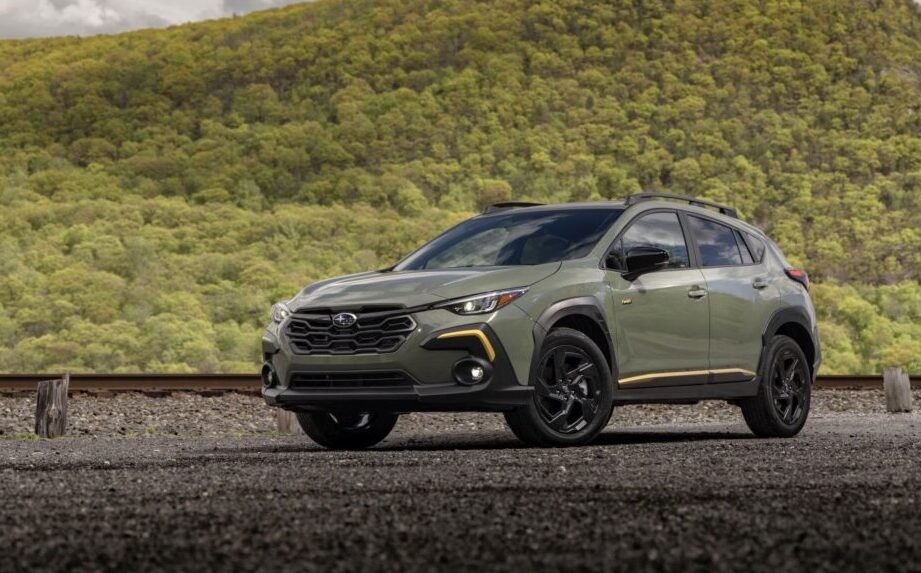
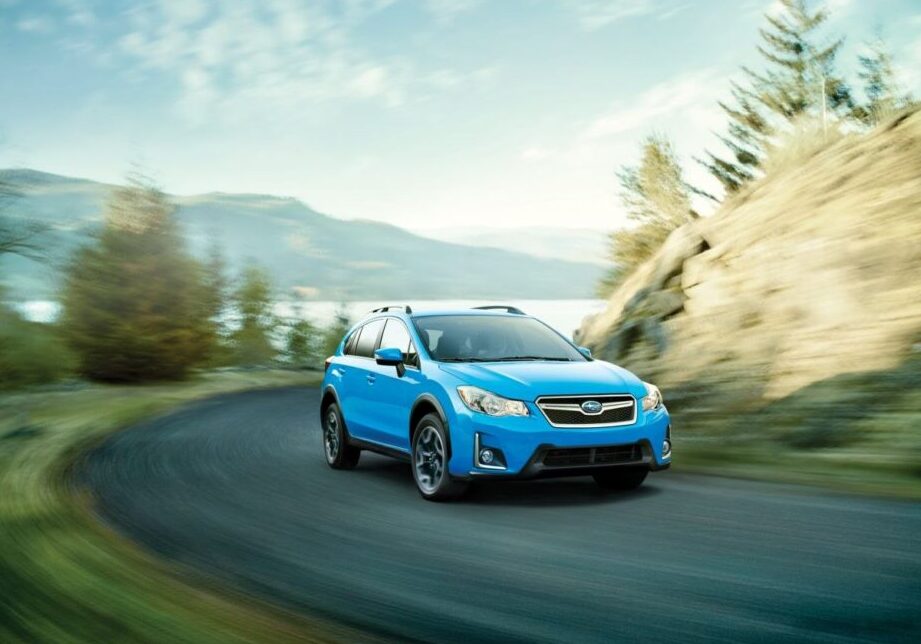
The 2015-2017 Subaru Crosstrek 2.0 AWD represents a key iteration of Subaru’s popular subcompact crossover. Built on the Subaru Impreza platform (specifically the 1HX0/A3 generation), the Crosstrek aimed to blend the practicality of a hatchback with the increased ride height and all-weather capability expected of a Subaru. The 2.0-liter engine and five-speed manual transmission combination was a mainstay of the lineup, offering a balance of affordability and functionality. It served as the entry-level option, appealing to buyers prioritizing fuel efficiency and Subaru’s renowned symmetrical all-wheel drive system over outright performance.
Powertrain & Engine Architecture
At the heart of this Crosstrek variant lies the FB20 2.0-liter horizontally-opposed (Boxer) four-cylinder engine. This engine is a hallmark of Subaru engineering, known for its compact design and inherent balance, reducing vibrations. The FB20 utilizes multi-point fuel injection and a double overhead camshaft (DOHC) valvetrain with Dual Active Valve Control System (DAVCS) – Subaru’s variable valve timing technology. DAVCS optimizes valve timing based on engine load and speed, improving both fuel efficiency and power delivery. The engine produces 148 horsepower at 6,200 rpm and 197 Nm (145.3 lb-ft) of torque at 4,200 rpm. The five-speed manual transmission provides direct control over the engine’s power, with gear ratios tailored for everyday driving. The transmission is mechanically simple and reliable, contributing to the Crosstrek’s overall ease of maintenance.
Driving Characteristics
The 2.0-liter engine and manual transmission pairing in the Crosstrek delivers adequate, though not exhilarating, performance. Acceleration is best described as steady, with the engine requiring moderate throttle input for brisk overtaking maneuvers. The five-speed manual transmission offers a reasonably engaging driving experience, although the shift action isn’t particularly sporty. The gear ratios are spaced to prioritize fuel economy and drivability, rather than outright speed. Compared to the optional 2.5-liter engine available in later Crosstrek models, the 2.0-liter feels noticeably less powerful, especially when fully loaded. However, the lower weight of the 2.0-liter model contributes to slightly better handling and fuel economy. The symmetrical all-wheel drive system provides excellent traction in various conditions, making the Crosstrek a confident performer in rain, snow, and on unpaved roads.
Equipment & Trim Levels
The base 2.0-liter Crosstrek typically came standard with features such as air conditioning, power windows and locks, a rearview camera, and a basic audio system with Bluetooth connectivity. Interior upholstery was typically cloth, with a functional, if somewhat spartan, dashboard layout. Available optional extras included a sunroof, upgraded audio system, heated front seats, and keyless entry. Higher trim levels added features like leather upholstery, automatic climate control, and a larger touchscreen infotainment system. The 2015 facelift brought minor interior refinements, including updated materials and a revised dashboard design.
Chassis & Braking
The Crosstrek’s chassis features independent McPherson strut suspension in the front and a double-wishbone setup in the rear. This configuration provides a comfortable ride quality, absorbing bumps and irregularities in the road surface effectively. A stabilizer bar is fitted to both the front and rear axles to reduce body roll during cornering. The braking system consists of ventilated discs at the front and solid discs at the rear. Anti-lock braking system (ABS) is standard, enhancing braking performance and stability. The Crosstrek’s increased ride height (220 mm / 8.66 inches) provides ample ground clearance for navigating rough terrain and obstacles.
Market Reception & Comparison
The 2015-2017 Subaru Crosstrek 2.0 AWD was generally well-received by automotive critics. It was praised for its standard all-wheel drive, fuel efficiency, and practicality. However, some reviewers noted the engine’s lack of power, particularly when compared to competitors offering turbocharged engines. Fuel economy figures averaged around 26.1 US mpg combined, which was competitive for its class. Reliability was generally good, with the FB20 engine proving to be a durable and dependable unit. Compared to the higher-trim 2.5-liter models, the 2.0-liter Crosstrek offered a more affordable entry point, appealing to budget-conscious buyers who prioritized functionality over performance.
Legacy
The FB20 engine has proven to be a robust and long-lasting powertrain, with many examples exceeding 200,000 miles with proper maintenance. The 2015-2017 Crosstrek 2.0 AWD remains a popular choice in the used car market, offering a compelling combination of affordability, reliability, and all-weather capability. While not the fastest or most luxurious crossover in its class, it represents a practical and dependable option for buyers seeking a versatile and capable vehicle.