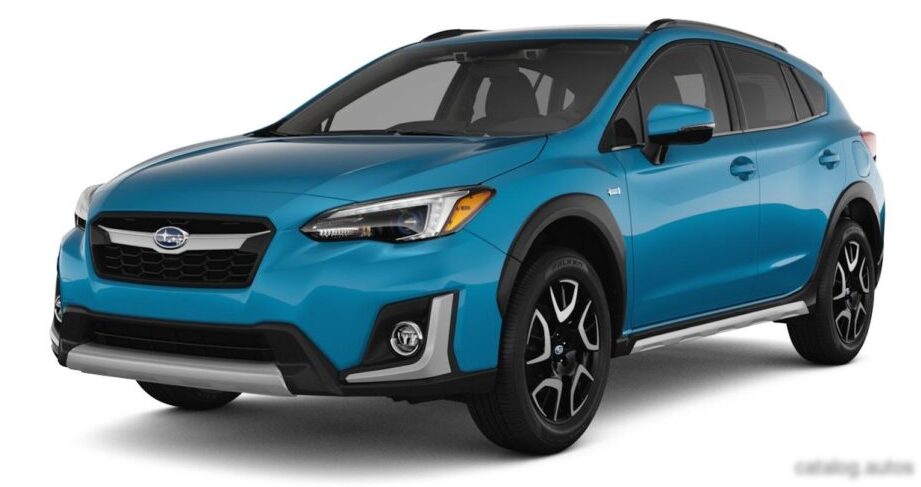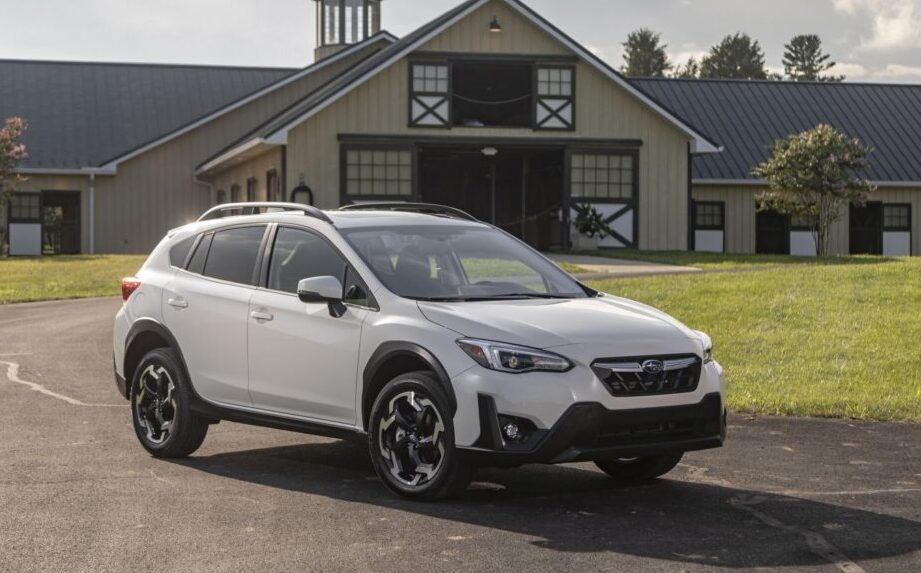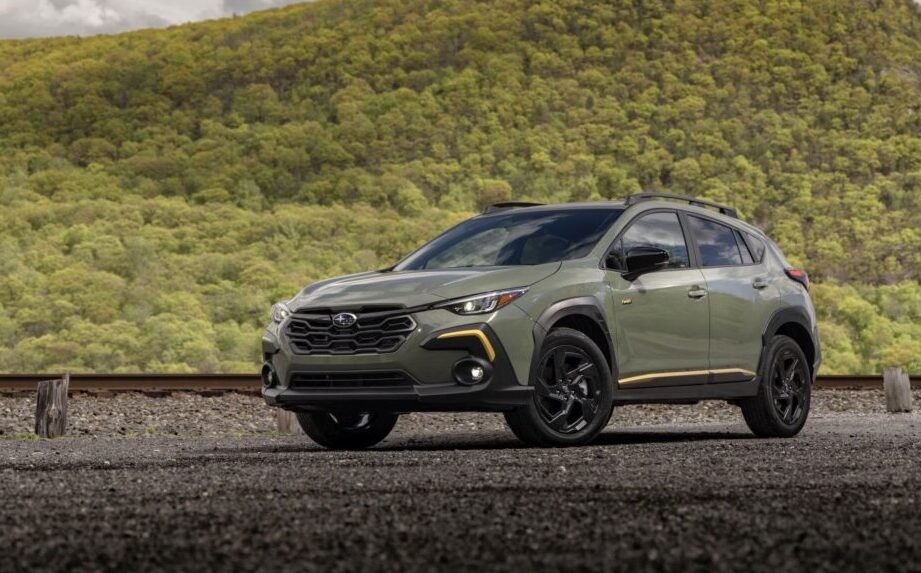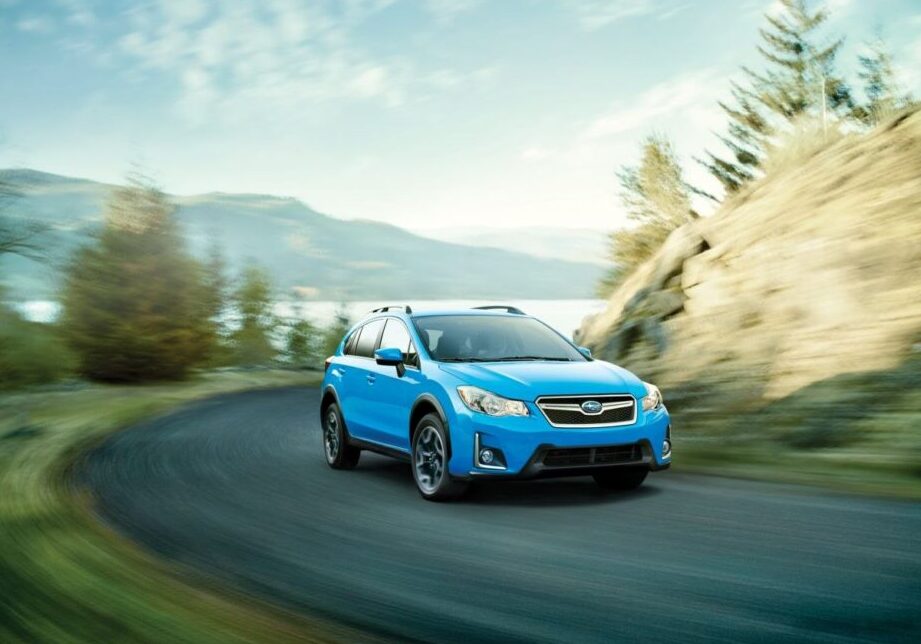
The Subaru Crosstrek, known as the Subaru XV in many markets outside of North America, is a compact crossover SUV introduced by Subaru in 2012. The first generation, designated as the Crosstrek I, received a significant facelift in 2015, bringing updated styling and minor mechanical revisions. This article focuses specifically on the 2015-2017 facelifted Crosstrek equipped with the 2.0-liter naturally aspirated four-cylinder engine producing 148 horsepower, paired with Subaru’s Lineartronic continuously variable transmission (CVT) and symmetrical all-wheel drive. This configuration represented a popular, mid-range option within the Crosstrek lineup, balancing affordability with Subaru’s renowned all-weather capability.
Technical Specifications
| Brand | Subaru |
| Model | Crosstrek |
| Generation | Crosstrek I (facelift 2015) |
| Type (Engine) | 2.0 (148 Hp) AWD Lineartronic |
| Start of production | 2015 |
| End of production | 2017 |
| Powertrain Architecture | Internal Combustion engine |
| Body type | SUV, Crossover |
| Seats | 5 |
| Doors | 5 |
| Fuel consumption (urban) | 9 l/100 km (26.1 US mpg) |
| Fuel consumption (extra urban) | 6.9-7.1 l/100 km (34.1 – 33.1 US mpg) |
| Fuel consumption (combined) | 8.1 l/100 km (29 US mpg) |
| Fuel Type | Petrol (Gasoline) |
| Weight-to-power ratio | 9.8 kg/Hp |
| Weight-to-torque ratio | 7.3 kg/Nm |
| Power | 148 Hp @ 6200 rpm |
| Power per litre | 74.2 Hp/l |
| Torque | 197 Nm @ 4200 rpm (145.3 lb.-ft. @ 4200 rpm) |
| Engine layout | Front, Longitudinal |
| Engine Model/Code | FB20 |
| Engine displacement | 1995 cm3 (121.74 cu. in.) |
| Number of cylinders | 4 |
| Engine configuration | Boxer |
| Cylinder Bore | 84 mm (3.31 in.) |
| Piston Stroke | 90 mm (3.54 in.) |
| Compression ratio | 10.5:1 |
| Number of valves per cylinder | 4 |
| Fuel injection system | Multi-port manifold injection |
| Engine aspiration | Naturally aspirated engine |
| Valvetrain | DOHC, DAVCS |
| Engine oil capacity | 4.8 l (5.07 US qt | 4.22 UK qt) |
| Coolant capacity | 8.4 l (8.88 US qt | 7.39 UK qt) |
| Kerb Weight | 1445-1455 kg (3185.68 – 3207.73 lbs.) |
| Trunk (boot) space (minimum) | 631 l (22.28 cu. ft.) |
| Trunk (boot) space (maximum) | 1470 l (51.91 cu. ft.) |
| Fuel tank capacity | 60 l (15.85 US gal | 13.2 UK gal) |
| Length | 4450 mm (175.2 in.) |
| Width | 1780 mm (70.08 in.) |
| Width including mirrors | 2004 mm (78.9 in.) |
| Height | 1615 mm (63.58 in.) |
| Wheelbase | 2635 mm (103.74 in.) |
| Front track | 1525 mm (60.04 in.) |
| Rear track | 1525 mm (60.04 in.) |
| Ride height (ground clearance) | 220 mm (8.66 in.) |
| Minimum turning circle | 10.6 m (34.78 ft.) |
| Front brakes | Ventilated discs, 294 mm |
| Rear brakes | Disc, 274 mm |
| Gearbox | automatic transmission Lineartronic |
| Front suspension | Independent, type McPherson with coil spring and anti-roll bar |
| Rear suspension | Double wishbone, Transverse stabilizer, Coil spring |
| Tires size | 225/55 R17 |
| Wheel rims size | 7J x 17 |
INTRODUCTION
The 2015-2017 Subaru Crosstrek 2.0L AWD Lineartronic represents Subaru’s entry into the burgeoning compact crossover segment. Building upon the Impreza platform (specifically the GP7/GJ7 chassis codes), the Crosstrek aimed to offer a more rugged and versatile alternative to traditional hatchbacks. The facelifted model introduced a more aggressive front fascia, revised interior trim, and enhanced safety features. The 2.0-liter engine and Lineartronic CVT combination was positioned as the mainstream offering, appealing to buyers prioritizing fuel efficiency and ease of use over outright performance. It sat below the more powerful, though less commonly available, 2.5-liter engine option.
Powertrain & Engine Architecture
At the heart of this Crosstrek variant lies the FB20 2.0-liter horizontally-opposed (Boxer) four-cylinder engine. This engine is a key component of Subaru’s engineering philosophy, known for its low center of gravity and inherent balance. The FB20 utilizes multi-point fuel injection and a double overhead camshaft (DOHC) valvetrain with Dual Active Valve Control System (DAVCS) on both intake and exhaust camshafts, optimizing performance and efficiency. The Lineartronic CVT, developed in partnership with Torotrak, is a key feature. Unlike traditional stepped automatic transmissions, the Lineartronic uses a belt and pulley system to provide a virtually infinite number of gear ratios, resulting in smooth acceleration and optimized fuel economy. The CVT is programmed with simulated “shift points” to mimic the feel of a conventional automatic, addressing a common complaint about early CVTs. The engine produces 148 horsepower at 6,200 rpm and 145.3 lb-ft of torque at 4,200 rpm.
Driving Characteristics
The 2.0L Lineartronic Crosstrek delivers a comfortable and predictable driving experience. While not particularly quick, the CVT effectively utilizes the engine’s torque band, providing adequate acceleration for everyday driving situations. The simulated shift points help to mitigate the “rubber band” feel often associated with CVTs. Compared to the six-speed manual transmission option, the CVT prioritizes smoothness and fuel efficiency over driver engagement. The symmetrical all-wheel-drive system provides excellent traction in various weather conditions, a hallmark of Subaru vehicles. The power delivery is linear, and the CVT keeps the engine within its optimal operating range. However, drivers seeking a more spirited driving experience may find the engine and transmission combination somewhat lacking in responsiveness.
Equipment & Trim Levels
The 2.0L Lineartronic Crosstrek typically came standard with features such as air conditioning, power windows and locks, a rearview camera, a 6.2-inch touchscreen infotainment system with Bluetooth connectivity, and Subaru’s EyeSight driver-assist technology (depending on the specific trim level). Interior upholstery was typically cloth, with options for upgraded leather or simulated leather. Available options included a power sunroof, heated front seats, and a premium audio system. Trim levels varied by market, but generally included base, Premium, and Limited models, with increasing levels of standard equipment and available options.
Chassis & Braking
The Crosstrek utilizes a McPherson strut front suspension and a double-wishbone rear suspension, providing a comfortable ride and predictable handling. Stabilizer bars are fitted to both axles to reduce body roll. The braking system consists of ventilated discs at the front and solid discs at the rear. Anti-lock brakes (ABS) are standard, along with electronic brake-force distribution (EBD) and brake assist. The relatively lightweight construction of the Crosstrek, combined with the all-wheel-drive system, contributes to its stable and secure handling characteristics.
Market Reception & Comparison
The 2015-2017 Crosstrek 2.0L Lineartronic was generally well-received by automotive critics. It was praised for its fuel efficiency, standard all-wheel drive, and comfortable ride. However, some reviewers noted the engine’s lack of power and the CVT’s sometimes uninspiring driving experience. Compared to the 2.5-liter version, the 2.0L offered better fuel economy but less performance. Against competitors like the Honda HR-V and Mazda CX-3, the Crosstrek stood out with its standard all-wheel drive and rugged styling. Fuel economy figures averaged around 29 mpg combined, making it a competitive option in its class.
Legacy
The FB20 engine and Lineartronic CVT pairing proved to be a reliable powertrain combination in the Crosstrek. While some early CVTs experienced issues, Subaru addressed these concerns with updated software and hardware. Today, well-maintained examples of the 2015-2017 Crosstrek 2.0L Lineartronic are readily available on the used car market at affordable prices. They continue to appeal to buyers seeking a practical, fuel-efficient, and all-weather capable compact crossover. The Crosstrek’s success helped establish Subaru as a major player in the crossover segment, paving the way for subsequent generations of the vehicle.