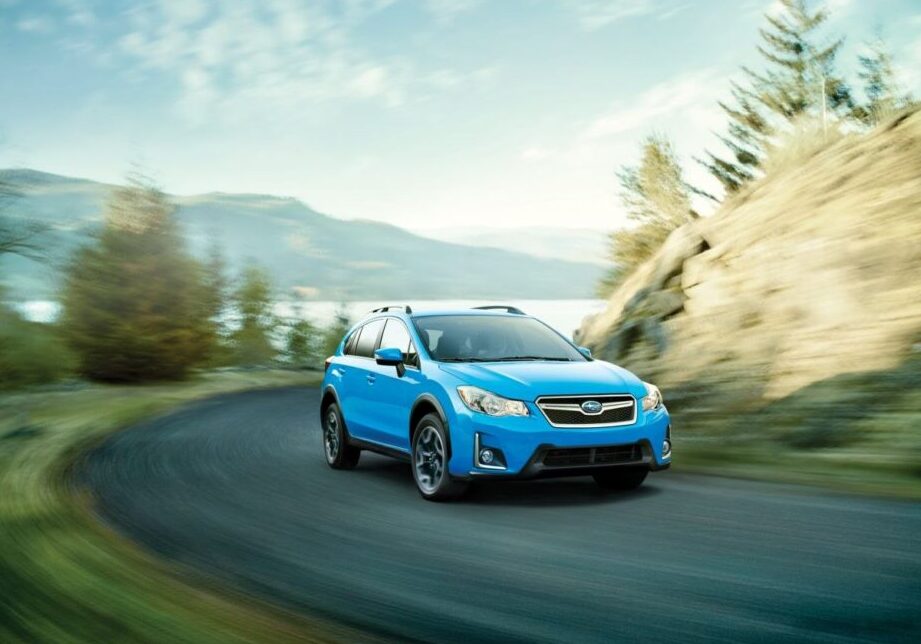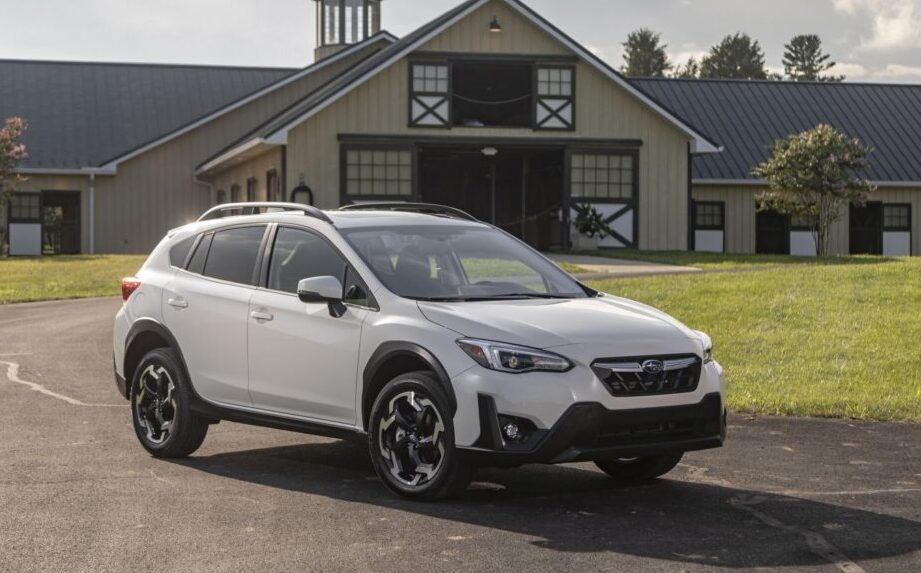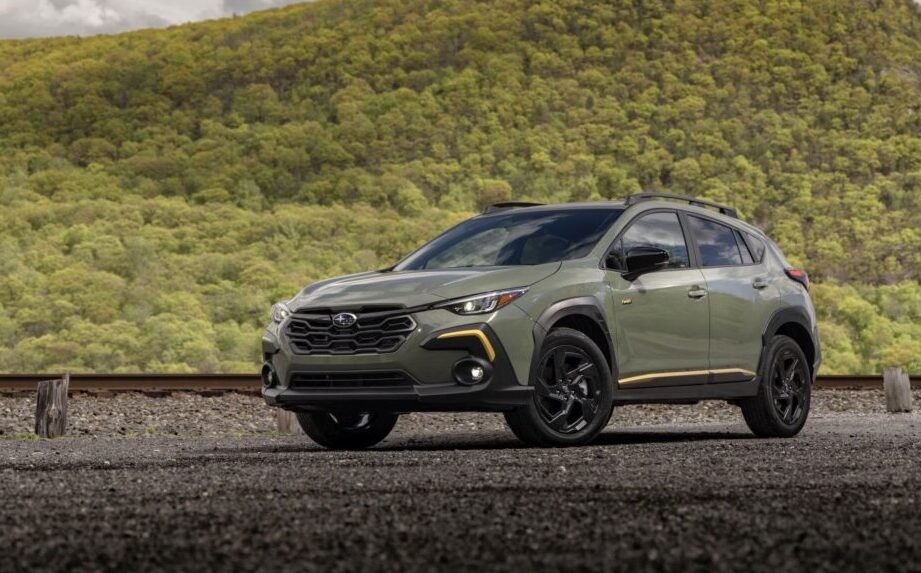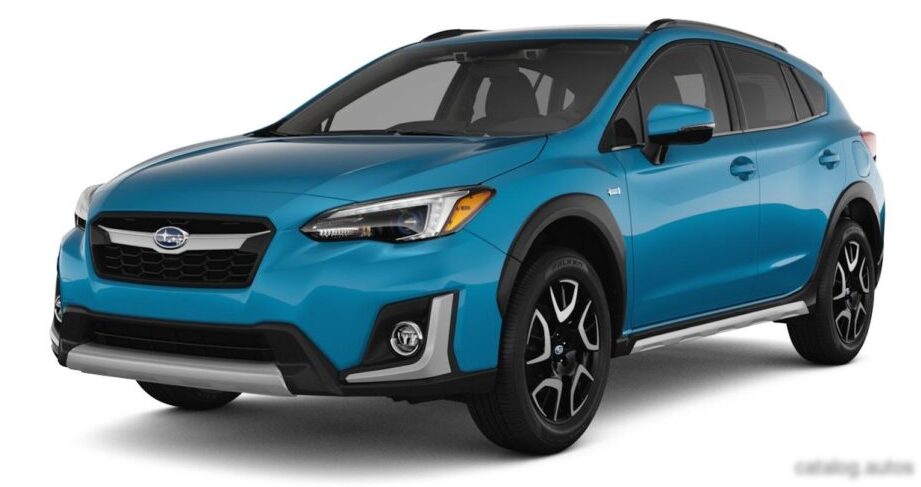
The Subaru Crosstrek II 2.0, produced from 2017 to 2020, represents the second generation of Subaru’s popular subcompact crossover SUV. Positioned as a versatile and capable vehicle, the 2.0-liter variant with 152 horsepower and symmetrical all-wheel drive (AWD) served as the mainstay of the Crosstrek II lineup during its production run. It was designed to appeal to buyers seeking a blend of fuel efficiency, practicality, and Subaru’s renowned all-weather capability. This model occupied the mid-range position within the Crosstrek II family, offering a balance between the base 2.0L trims and the later introduced hybrid variants.
Technical Specifications
| Brand | Subaru |
| Model | Crosstrek |
| Generation | Crosstrek II |
| Type (Engine) | 2.0 (152 Hp) AWD |
| Start of production | 2017 |
| End of production | 2020 |
| Powertrain Architecture | Internal Combustion engine |
| Body type | SUV, Crossover |
| Seats | 5 |
| Doors | 5 |
| Fuel consumption (urban) | 10.2-10.7 l/100 km (23.1 – 22 US mpg) |
| Fuel consumption (extra urban) | 8.1 l/100 km (29 US mpg) |
| Fuel consumption (combined) | 9.4 l/100 km (25 US mpg) |
| Fuel Type | Petrol (Gasoline) |
| Weight-to-power ratio | 9.3 kg/Hp |
| Weight-to-torque ratio | 7.2 kg/Nm |
| Power | 152 Hp @ 6000 rpm |
| Power per litre | 76.2 Hp/l |
| Torque | 197 Nm @ 4000 rpm (145.3 lb.-ft. @ 4000 rpm) |
| Engine layout | Front, Longitudinal |
| Engine Model/Code | FB20 |
| Engine displacement | 1995 cm3 (121.74 cu. in.) |
| Number of cylinders | 4 |
| Engine configuration | Boxer |
| Cylinder Bore | 84 mm (3.31 in.) |
| Piston Stroke | 90 mm (3.54 in.) |
| Compression ratio | 12.5:1 |
| Number of valves per cylinder | 4 |
| Fuel injection system | Direct injection |
| Engine aspiration | Naturally aspirated engine |
| Valvetrain | DOHC, DAVCS |
| Engine oil capacity | 4.4 l (4.65 US qt | 3.87 UK qt) |
| Coolant capacity | 7.6 l (8.03 US qt | 6.69 UK qt) |
| Kerb Weight | 1412-1427 kg (3112.93 – 3146 lbs.) |
| Trunk (boot) space (min) | 589 l (20.8 cu. ft.) |
| Trunk (boot) space (max) | 1566 l (55.3 cu. ft.) |
| Fuel tank capacity | 63 l (16.64 US gal | 13.86 UK gal) |
| Length | 4465 mm (175.79 in.) |
| Width | 1800 mm (70.87 in.) |
| Width including mirrors | 2007 mm (79.02 in.) |
| Height | 1615 mm (63.58 in.) |
| Wheelbase | 2665 mm (104.92 in.) |
| Front track | 1550 mm (61.02 in.) |
| Rear track | 1555 mm (61.22 in.) |
| Ride height (ground clearance) | 220 mm (8.66 in.) |
| Minimum turning circle | 10.8 m (35.43 ft.) |
| Approach angle | 18° |
| Departure angle | 29° |
| Ramp-over angle | 19.7° |
| Drivetrain Architecture | All wheel drive (4×4) |
| Number of gears | 6 gears, manual transmission |
| Front suspension | Independent, McPherson with coil spring and anti-roll bar |
| Rear suspension | Double wishbone, Transverse stabilizer, Coil spring |
| Front brakes | Ventilated discs, 294 mm |
| Rear brakes | Disc, 274 mm |
| Assisting systems | ABS (Anti-lock braking system) |
| Steering type | Steering rack and pinion |
| Power steering | Electric Steering |
| Tires size | 225/60 R17; 225/55 R18 |
| Wheel rims size | 7J x 17; 7J x 18 |
INTRODUCTION
The Subaru Crosstrek II, launched in 2017, represented a significant evolution of the original Crosstrek (XV in many international markets). Built on the Subaru Global Platform, it offered increased rigidity, improved safety, and a more refined driving experience. The 2.0-liter naturally aspirated engine paired with a six-speed manual transmission was a core offering, providing a balance of affordability and capability. This configuration was particularly popular in markets where automatic transmissions weren’t universally preferred, and for drivers who enjoyed a more engaging driving experience. The Crosstrek II aimed to bridge the gap between compact hatchbacks and larger SUVs, offering a practical and versatile option for individuals and small families.
Powertrain & Engine Architecture
At the heart of the Crosstrek II 2.0 lies the FB20 2.0-liter horizontally-opposed (Boxer) four-cylinder engine. This engine is a hallmark of Subaru engineering, known for its smooth operation and low center of gravity, contributing to the vehicle’s stability. The FB20 utilizes direct fuel injection, maximizing combustion efficiency and power output. The engine also features Subaru’s Dual Active Valve Control System (DAVCS), which optimizes valve timing for improved performance and fuel economy across the rev range. The six-speed manual transmission provides precise gear changes and allows the driver to fully utilize the engine’s 152 horsepower and 145 lb.-ft. of torque. The transmission’s gear ratios are tuned for a balance of acceleration and fuel efficiency, with a relatively tall sixth gear for highway cruising.
Driving Characteristics
The 2.0-liter manual Crosstrek II delivers a competent and engaging driving experience. While not exceptionally quick, the engine provides adequate power for everyday driving situations, including merging onto highways and passing slower vehicles. The Boxer engine’s low center of gravity contributes to stable handling, and the symmetrical all-wheel-drive system provides excellent traction in various weather conditions. Compared to the later available CVT automatic transmission, the manual version offers a more direct connection to the engine and a greater sense of control. The six-speed gearbox is well-matched to the engine’s powerband, allowing for spirited driving when desired. However, it doesn’t offer the same level of effortless acceleration as the higher-output 2.5-liter engine found in later Crosstrek models.
Equipment & Trim Levels
The 2.0-liter manual Crosstrek II typically came standard with features such as a rearview camera, a 6.5-inch touchscreen infotainment system with Apple CarPlay and Android Auto compatibility, and Subaru’s EyeSight suite of driver-assist technologies (including adaptive cruise control, lane departure warning, and automatic emergency braking). Interior upholstery was typically cloth, with options for upgraded materials on higher trim levels. Available options included a power moonroof, heated front seats, and a premium audio system. The base trim focused on providing essential features at an affordable price point, while higher trims added convenience and luxury items.
Chassis & Braking
The Crosstrek II utilizes a MacPherson strut front suspension and a double-wishbone rear suspension, providing a comfortable ride and responsive handling. The suspension is tuned to balance on-road comfort with off-road capability, allowing the Crosstrek to handle rough terrain with confidence. Braking duties are handled by ventilated discs at the front and solid discs at the rear. The anti-lock braking system (ABS) with electronic brake-force distribution (EBD) ensures optimal braking performance in various conditions. The vehicle’s relatively light weight contributes to its braking performance and overall agility.
Market Reception & Comparison
The Subaru Crosstrek II 2.0 was generally well-received by automotive critics, who praised its practicality, fuel efficiency, and standard all-wheel drive. The manual transmission was appreciated by enthusiasts who preferred a more engaging driving experience. Compared to other subcompact crossovers, the Crosstrek II stood out for its standard AWD and its rugged, outdoorsy image. However, some critics noted that the 2.0-liter engine could feel underpowered when fully loaded or driving uphill. Fuel economy was competitive within its class, averaging around 25 mpg in combined driving. The manual transmission version typically offered slightly better fuel economy than the CVT automatic.
Legacy
The Subaru Crosstrek II 2.0 has proven to be a reliable and durable vehicle, with many examples still on the road today. The FB20 engine is known for its longevity, and the symmetrical all-wheel-drive system is highly regarded for its dependability. In the used car market, the 2.0-liter manual Crosstrek II represents a good value for buyers seeking a practical, capable, and fuel-efficient crossover SUV. Its combination of affordability, reliability, and Subaru’s renowned all-weather capability continues to make it a popular choice among used car shoppers.