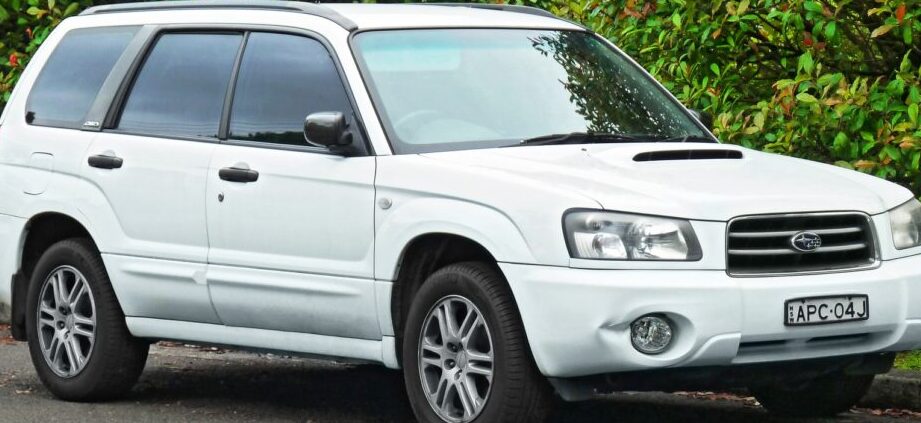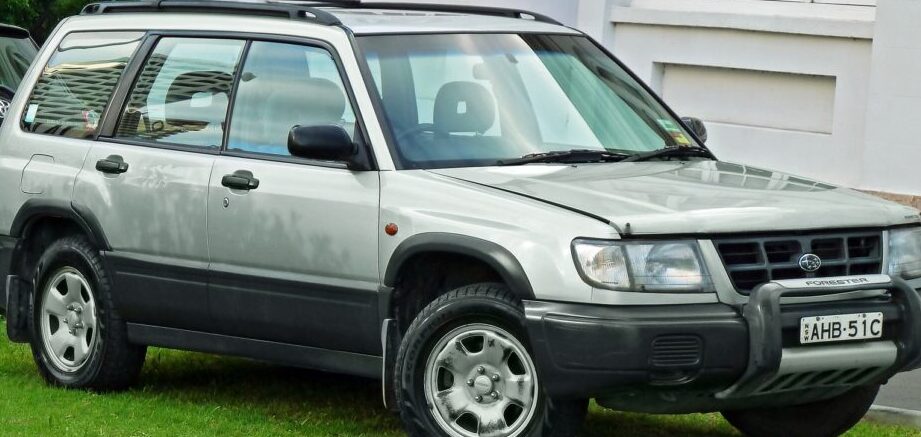
The Subaru Forester I 2.5, produced between 1997 and 2000, represented Subaru’s entry into the burgeoning compact SUV market. Built on the Subaru S platform, it offered a unique combination of car-like handling and all-wheel-drive capability, setting it apart from many of its contemporaries. This first-generation Forester aimed to provide a practical and versatile vehicle for active lifestyles, appealing to buyers seeking a blend of utility and comfort. The 2.5-liter engine variant, producing 165 horsepower, was a key offering within the Forester I lineup, positioned as a strong performer balancing power and fuel efficiency. It was available exclusively with a five-speed manual transmission during its production run.
Technical Specifications
| Brand | Subaru |
| Model | Forester |
| Generation | Forester I |
| Type (Engine) | 2.5 (165 Hp) 4WD |
| Start of production | 1997 |
| End of production | 2000 |
| Powertrain Architecture | Internal Combustion engine |
| Body type | SUV, Crossover |
| Seats | 5 |
| Doors | 5 |
| Fuel consumption (urban) | 11.2 l/100 km (21 US mpg) |
| Fuel consumption (extra urban) | 8.7 l/100 km (27 US mpg) |
| Fuel Type | Petrol (Gasoline) |
| Acceleration 0 – 100 km/h | 10.8 sec |
| Acceleration 0 – 62 mph | 10.8 sec |
| Acceleration 0 – 60 mph | 10.3 sec |
| Maximum speed | 178 km/h (110.6 mph) |
| Weight-to-power ratio | 8.4 kg/Hp |
| Power | 165 Hp |
| Engine Model/Code | DACT EJ25D |
| Engine aspiration | Naturally aspirated engine |
| Kerb Weight | 1380 kg (3042.38 lbs) |
| Max. weight | 1860 kg (4100.6 lbs) |
| Max load | 480 kg (1058.22 lbs) |
| Trunk (boot) space – minimum | 410 l (14.48 cu. ft) |
| Trunk (boot) space – maximum | 1530 l (54.03 cu. ft) |
| Fuel tank capacity | 60 l (15.85 US gal) |
| Length | 4450 mm (175.2 in) |
| Width | 1735 mm (68.31 in) |
| Height | 1590 mm (62.6 in) |
| Wheelbase | 2525 mm (99.41 in) |
| Front track | 1475 mm (58.07 in) |
| Rear track | 1450 mm (57.09 in) |
| Drive wheel | All wheel drive (4×4) |
| Number of gears and type of gearbox | 5 gears, manual transmission |
| Front suspension | Spring Strut |
| Rear suspension | Double wishbone |
| Front brakes | Ventilated discs |
| Rear brakes | Drum |
| Assisting systems | ABS (Anti-lock braking system) |
| Steering type | Steering rack and pinion |
| Power steering | Hydraulic Steering |
| Tires size | 205/70 R15 |
Powertrain & Engine Architecture
The heart of the Forester I 2.5 was the DACT (Dual Active Camshaft Technology) EJ25D 2.5-liter naturally aspirated four-cylinder engine. This engine was a significant departure from Subaru’s earlier, smaller displacement offerings. The EJ25D featured a cast iron block and an aluminum cylinder head, contributing to its durability and relatively lightweight construction. The DACT system allowed for variable valve timing on both the intake and exhaust camshafts, optimizing performance across the rev range. Fuel delivery was managed by a multi-point fuel injection system. The engine produced 165 horsepower at 5600 rpm and 162 lb-ft of torque at 4000 rpm. The sole transmission option for this engine was a robust five-speed manual gearbox, known for its smooth shifts and durability. The engine’s layout was a horizontally opposed “boxer” configuration, a Subaru hallmark, which contributed to a low center of gravity and improved handling characteristics.
Driving Characteristics
The 2.5-liter engine provided a noticeable step up in performance compared to the smaller 1.8-liter engine offered in some markets. While not a sports car, the Forester I 2.5 offered brisk acceleration, reaching 60 mph in approximately 10.3 seconds. The manual transmission allowed for precise control and engaged driving experience. The all-wheel-drive system, a standard feature, provided excellent traction in various conditions, making the Forester a capable vehicle on both paved and unpaved surfaces. The gear ratios were well-suited for everyday driving, with a fifth gear designed for comfortable highway cruising. Compared to later, more powerful Forester models, the I 2.5 felt less refined, with more noticeable engine noise and a slightly less sophisticated suspension. However, its simplicity and direct connection between driver and machine were appreciated by many enthusiasts.
Equipment & Trim Levels
The Forester I 2.5 was generally well-equipped for its time, though trim levels were relatively limited. Standard features typically included power windows and locks, air conditioning, and an AM/FM stereo. The interior featured durable cloth upholstery and a functional, if somewhat basic, dashboard layout. Optional extras included a sunroof, upgraded stereo systems, and alloy wheels. Safety features included standard ABS brakes and dual airbags. The interior space was a key selling point, offering ample room for passengers and cargo. The rear seats could be folded down to create a larger cargo area, enhancing the Forester’s versatility.
Chassis & Braking
The Forester I utilized a MacPherson strut front suspension and a double-wishbone rear suspension, providing a comfortable ride and predictable handling. The suspension was tuned for a balance between on-road comfort and off-road capability. The braking system consisted of ventilated discs at the front and drum brakes at the rear. While adequate for most driving situations, the rear drum brakes were a point of criticism compared to the all-disc setups found on some competitors. The steering was rack-and-pinion with hydraulic power assistance, providing responsive and precise steering feel. The 205/70 R15 tires offered a good compromise between grip and ride comfort.
Market Reception & Comparison
The Subaru Forester I 2.5 was generally well-received by automotive critics. It was praised for its spacious interior, all-wheel-drive capability, and practical design. The 2.5-liter engine was considered a good match for the vehicle, providing sufficient power for most driving needs. Fuel economy was reasonable for its class, averaging around 21 mpg in the city and 27 mpg on the highway. Compared to other compact SUVs of the time, such as the Honda CR-V and Toyota RAV4, the Forester offered a more rugged and adventurous character. The manual transmission was favored by enthusiasts, while some buyers preferred the convenience of an automatic transmission (not offered with the 2.5L engine). Reliability was generally good, though some owners reported minor issues with the cooling system and electrical components.
Legacy
The Subaru Forester I 2.5 laid the foundation for the successful Forester line that continues today. Its combination of practicality, capability, and affordability resonated with buyers, establishing the Forester as a popular choice in the compact SUV segment. The EJ25D engine proved to be a durable and reliable powerplant, and many examples are still on the road today. In the used car market, the Forester I 2.5 remains a relatively affordable and practical option, particularly for those seeking a capable all-wheel-drive vehicle. While it may lack the refinement and features of more modern SUVs, its simplicity, durability, and unique character continue to appeal to a dedicated following.