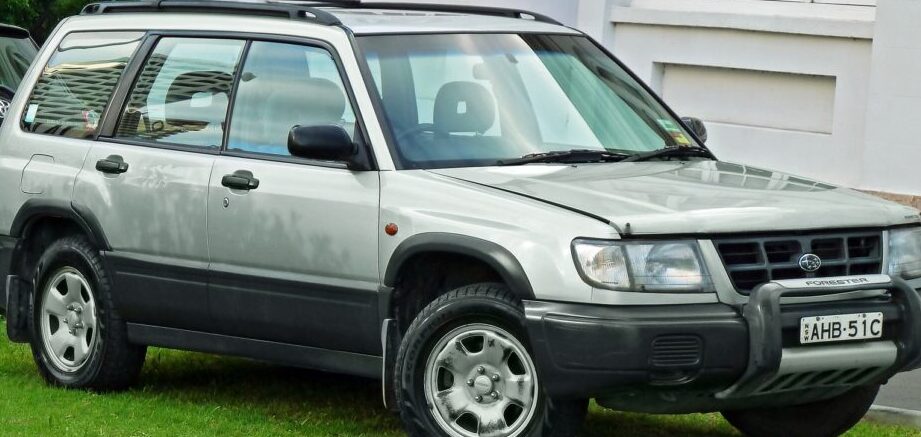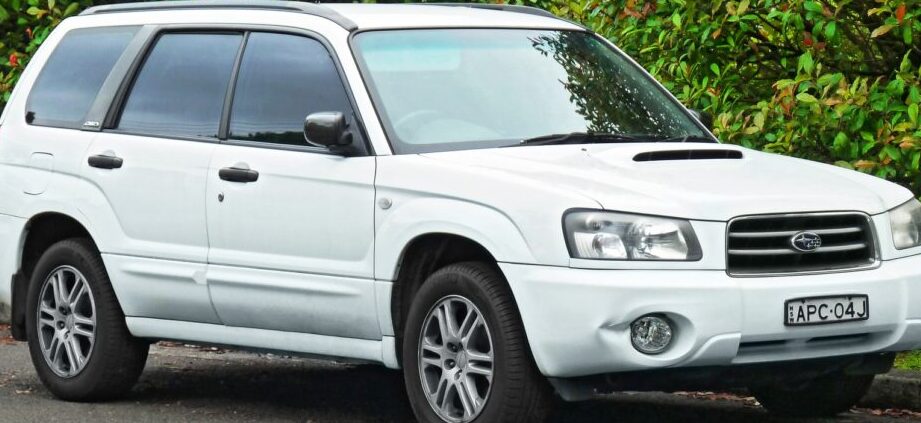
The Subaru Forester II 2.0 X, produced between 2002 and 2005, represented a significant evolution of Subaru’s popular compact SUV. Positioned as a mid-range offering within the second-generation Forester (SF5) lineup, the 2.0 X variant, boasting a 125 horsepower 2.0-liter engine paired with a five-speed manual transmission, aimed to balance affordability with Subaru’s renowned all-wheel-drive capability and practicality. It served as a key model in both the North American and European markets, appealing to buyers seeking a versatile vehicle for daily commuting and weekend adventures. The Forester II built upon the success of the original, offering increased interior space, improved refinement, and a more modern aesthetic.
Technical Specifications
| Brand | Subaru |
| Model | Forester |
| Generation | Forester II |
| Type (Engine) | 2.0 X (125 Hp) |
| Start of production | 2002 |
| End of production | 2005 |
| Powertrain Architecture | Internal Combustion engine |
| Body type | SUV, Crossover |
| Seats | 5 |
| Doors | 5 |
| Fuel consumption (urban) | 11.6 l/100 km (20.3 US mpg) |
| Fuel consumption (extra urban) | 6.7 l/100 km (35.1 US mpg) |
| Fuel consumption (combined) | 8.5 l/100 km (27.7 US mpg) |
| Fuel Type | Petrol (Gasoline) |
| Acceleration 0 – 100 km/h | 11.4 sec |
| Acceleration 0 – 62 mph | 11.4 sec |
| Acceleration 0 – 60 mph | 10.8 sec |
| Maximum speed | 180 km/h (111.85 mph) |
| Weight-to-power ratio | 10.9 kg/Hp |
| Weight-to-torque ratio | 7.4 kg/Nm |
| Power | 125 Hp @ 5600 rpm |
| Torque | 184 Nm @ 3600 rpm (135.71 lb.-ft. @ 3600 rpm) |
| Engine layout | Front, Longitudinal |
| Engine Model/Code | EJ20J |
| Engine displacement | 1994 cm3 (121.68 cu. in.) |
| Number of cylinders | 4 |
| Engine configuration | Boxer |
| Cylinder Bore | 92 mm (3.62 in.) |
| Piston Stroke | 75 mm (2.95 in.) |
| Compression ratio | 10:1 |
| Number of valves per cylinder | 4 |
| Fuel injection system | Multi-port manifold injection |
| Engine aspiration | Naturally aspirated engine |
| Valvetrain | OHC |
| Engine oil capacity | 4 l (4.23 US qt | 3.52 UK qt) |
| Kerb Weight | 1360 kg (2998.29 lbs.) |
| Trunk (boot) space – minimum | 406 l (14.34 cu. ft.) |
| Trunk (boot) space – maximum | 1525 l (53.85 cu. ft.) |
| Fuel tank capacity | 60 l (15.85 US gal | 13.2 UK gal) |
| Length | 4450 mm (175.2 in.) |
| Width | 1735 mm (68.31 in.) |
| Height | 1590 mm (62.6 in.) |
| Wheelbase | 2525 mm (99.41 in.) |
| Front track | 1495 mm (58.86 in.) |
| Rear (Back) track | 1485 mm (58.46 in.) |
| Drive wheel | All wheel drive (4×4) |
| Number of gears and type of gearbox | 5 gears, manual transmission |
| Front suspension | Spring Strut |
| Rear suspension | Wishbone |
| Front brakes | Ventilated discs |
| Rear brakes | Drum |
| Assisting systems | ABS (Anti-lock braking system) |
| Steering type | Steering rack and pinion |
| Power steering | Hydraulic Steering |
| Tires size | 205/70 R15 |
Powertrain & Engine Architecture
The heart of the 2.0 X Forester is the EJ20J engine, a 1994cc naturally aspirated, horizontally-opposed (boxer) four-cylinder gasoline engine. This engine design, a Subaru hallmark, contributes to a lower center of gravity, enhancing handling and stability. The EJ20J utilizes a single overhead camshaft (SOHC) valvetrain with four valves per cylinder. Fuel delivery is managed by a multi-point fuel injection system, providing precise fuel metering for optimal combustion. The engine produces 125 horsepower at 5600 rpm and 184 Nm (135.71 lb-ft) of torque at 3600 rpm. The five-speed manual transmission was the standard offering for this trim, providing drivers with direct control over the engine’s power. The transmission’s gear ratios were tuned for a balance of acceleration and fuel efficiency, though it wasn’t geared for particularly sporty performance.
Driving Characteristics
The 2.0 X Forester, with its 125 hp engine and manual transmission, offered a competent but not exhilarating driving experience. Acceleration from 0-60 mph took around 10.8 seconds, making it adequate for everyday driving but slower than higher-powered Forester variants like the 2.5 XT turbo model. The boxer engine provided a unique engine note and smooth power delivery, but the lack of significant low-end torque meant the engine needed to be revved to access its full potential. The all-wheel-drive system provided excellent traction in various conditions, making it a capable vehicle for inclement weather and light off-road use. The manual transmission allowed for greater driver engagement, but the shift quality wasn’t as refined as some competitors.
Equipment & Trim Levels
The 2.0 X trim level typically included standard features such as air conditioning, power windows and locks, and a basic audio system. Interior upholstery was usually cloth, and the dashboard featured a functional but somewhat utilitarian design. Optional extras included a sunroof, upgraded audio systems, and alloy wheels. Compared to the base model, the 2.0 X offered a step up in terms of features and aesthetics, while remaining more affordable than the top-of-the-line trims.
Chassis & Braking
The Forester II utilized a MacPherson strut front suspension and a double-wishbone rear suspension, providing a comfortable ride and predictable handling. The chassis was reinforced compared to the first-generation Forester, improving rigidity and crash safety. Braking duties were handled by ventilated discs at the front and drum brakes at the rear. Anti-lock Braking System (ABS) was standard, enhancing braking performance and stability. The suspension tuning was geared towards comfort and practicality rather than sporty handling, resulting in a slightly softer ride quality.
Market Reception & Comparison
The Subaru Forester II 2.0 X was generally well-received by automotive critics as a practical and versatile SUV. It was praised for its all-wheel-drive capability, spacious interior, and good visibility. However, some reviewers noted that the 2.0-liter engine felt underpowered, especially when fully loaded or tackling steep hills. Compared to the 2.5-liter models, the 2.0 X offered lower running costs due to its smaller engine, but at the expense of performance. Fuel economy was respectable for its class, averaging around 27.7 US mpg in combined driving. Reliability was generally good, although some owners reported minor issues with the fuel injection system and cooling system.
Legacy
The Subaru Forester II 2.0 X remains a popular choice in the used car market, particularly for buyers seeking an affordable and reliable all-wheel-drive SUV. The EJ20J engine, while not known for its blistering performance, is generally considered to be a durable and long-lasting unit when properly maintained. Common maintenance items include regular oil changes, timing belt replacement (typically every 100,000 miles), and inspection of the cooling system. Today, these Foresters are appreciated for their simplicity, practicality, and the inherent safety of Subaru’s symmetrical all-wheel-drive system. They represent a solid value proposition for those seeking a capable and dependable vehicle for everyday use.