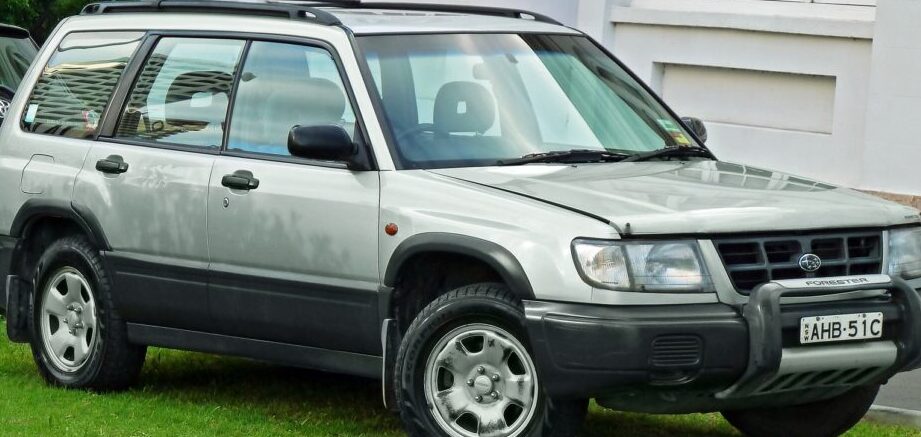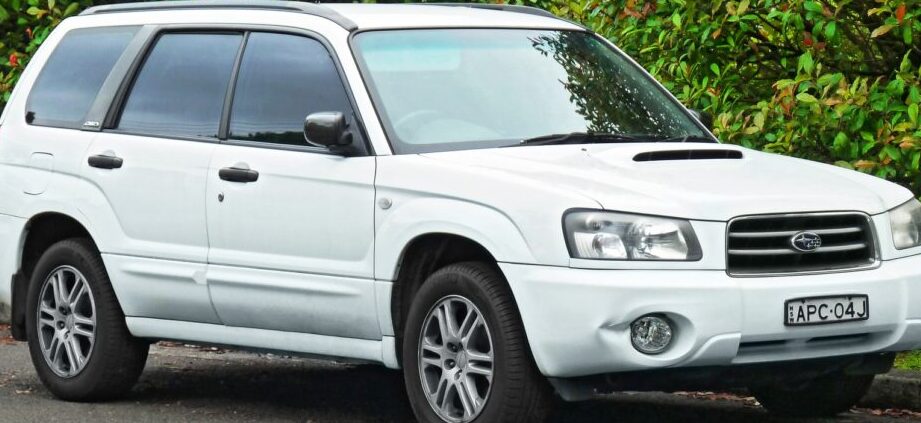
The Subaru Forester II 2.5i, produced between 2002 and 2005, represented a significant evolution of Subaru’s popular compact SUV. Positioned as a mid-range offering within the second-generation Forester (SF5) lineup, the 2.5i variant aimed to balance affordability with a more potent engine option than the base 2.0L models. It served as a key model for Subaru in North America and other markets where consumers desired a practical, all-wheel-drive vehicle with enhanced performance. This generation Forester built upon the success of the original, offering increased interior space, improved refinement, and Subaru’s signature symmetrical all-wheel drive system.
Technical Specifications
| Brand | Subaru |
| Model | Forester |
| Generation | Forester II |
| Type (Engine) | 2.5 i (165 Hp) |
| Start of production | 2002 |
| End of production | 2005 |
| Powertrain Architecture | Internal Combustion engine |
| Body type | SUV, Crossover |
| Seats | 5 |
| Doors | 5 |
| Fuel Type | Petrol (Gasoline) |
| Weight-to-power ratio | 8.8 kg/Hp, 113.4 Hp/tonne |
| Weight-to-torque ratio | 6.5 kg/Nm, 154.6 Nm/tonne |
| Power | 165 Hp @ 5600 rpm |
| Power per litre | 67.2 Hp/l |
| Torque | 225 Nm @ 4000 rpm, 165.95 lb.-ft. @ 4000 rpm |
| Engine layout | Front, Longitudinal |
| Engine Model/Code | EJ251 |
| Engine displacement | 2457 cm3, 149.94 cu. in. |
| Number of cylinders | 4 |
| Engine configuration | Boxer |
| Cylinder Bore | 99.5 mm, 3.92 in. |
| Piston Stroke | 79 mm, 3.11 in. |
| Compression ratio | 10:1 |
| Number of valves per cylinder | 4 |
| Fuel injection system | Multi-port manifold injection |
| Engine aspiration | Naturally aspirated engine |
| Valvetrain | SOHC |
| Engine oil capacity | 4 l, 4.23 US qt | 3.52 UK qt |
| Coolant | 6.9 l, 7.29 US qt | 6.07 UK qt |
| Kerb Weight | 1455 kg, 3207.73 lbs |
| Max. weight | 2000 kg, 4409.25 lbs |
| Max load | 545 kg, 1201.52 lbs |
| Trunk (boot) space – minimum | 406 l, 14.34 cu. ft. |
| Trunk (boot) space – maximum | 1525 l, 53.85 cu. ft. |
| Fuel tank capacity | 60 l, 15.85 US gal | 13.2 UK gal |
| Length | 4450 mm, 175.2 in. |
| Width | 1735 mm, 68.31 in. |
| Height | 1585 mm, 62.4 in. |
| Wheelbase | 2525 mm, 99.41 in. |
| Front track | 1495 mm, 58.86 in. |
| Rear (Back) track | 1485 mm, 58.46 in. |
| Drive wheel | All wheel drive (4×4) |
| Number of gears and type of gearbox | 5 gears, manual transmission |
| Front suspension | Spring Strut |
| Rear suspension | Double wishbone |
| Front brakes | Ventilated discs |
| Rear brakes | Disc |
| Assisting systems | ABS (Anti-lock braking system) |
| Steering type | Steering rack and pinion |
| Power steering | Hydraulic Steering |
| Tires size | 215/60 R15 |
Powertrain & Engine Architecture
The heart of the 2.5i Forester is the EJ251 2.5-liter naturally aspirated boxer-four engine. This engine is a hallmark of Subaru engineering, known for its horizontally opposed pistons which contribute to a low center of gravity and reduced vibration. The EJ251 utilizes a single overhead camshaft (SOHC) design, with four valves per cylinder, and multi-port fuel injection. The engine’s 165 horsepower at 5600 rpm and 225 Nm (165.95 lb-ft) of torque at 4000 rpm provided a noticeable improvement over the base 2.0-liter engine. The engine’s longitudinal mounting and all-wheel-drive system required a robust drivetrain. The 5-speed manual transmission was standard, offering precise shifts and good control. The engine’s design prioritized reliability and durability over outright performance, making it a practical choice for everyday driving.
Driving Characteristics
The 2.5i Forester with the 5-speed manual transmission offered a balanced driving experience. While not a sports car, the engine provided sufficient power for confident acceleration and highway cruising. The all-wheel-drive system delivered excellent traction in various conditions, making it a capable vehicle for inclement weather or light off-road use. The manual transmission allowed for greater driver engagement and control, although the gear ratios were tuned for fuel efficiency and everyday usability rather than aggressive performance. Compared to the base 2.0L models, the 2.5i felt noticeably more responsive, particularly when fully loaded or climbing hills. The boxer engine’s unique sound and smooth power delivery were also distinguishing characteristics.
Equipment & Trim Levels
The 2.5i trim level typically included features such as air conditioning, power windows and locks, and a basic audio system. Interior upholstery was generally cloth, with options for upgraded materials available. Depending on the market and optional packages, features like a sunroof, alloy wheels, and upgraded audio systems could be added. The dashboard layout was functional and straightforward, prioritizing ease of use over flashy design. Safety features, such as anti-lock brakes (ABS), were standard equipment, reflecting Subaru’s commitment to safety.
Chassis & Braking
The Forester II utilized a MacPherson strut front suspension and a double-wishbone rear suspension, providing a comfortable ride and predictable handling. The suspension was tuned to balance ride comfort with body control, making it suitable for both on-road and light off-road driving. Braking duties were handled by ventilated discs at the front and solid discs at the rear. The ABS system helped to maintain control during hard braking situations. The chassis was designed to accommodate the all-wheel-drive system and provide a stable platform for the vehicle.
Market Reception & Comparison
The Subaru Forester II 2.5i was generally well-received by automotive critics. It was praised for its practicality, all-wheel-drive capability, and improved engine performance compared to the base models. However, some critics noted that the interior was somewhat basic and that the handling wasn’t as sporty as some competitors. Compared to the 2.0L Forester, the 2.5i offered a significant performance upgrade, but at a higher price point. It also offered better fuel economy than some larger SUVs, making it an attractive option for budget-conscious buyers. The 2.5i positioned itself as a sweet spot in the lineup, offering a good balance of features, performance, and value.
Legacy
The EJ251 engine, found in the 2.5i Forester, is known for its overall reliability when properly maintained. Common issues include oil consumption and potential head gasket failures, particularly in older examples. However, these issues are often manageable with regular maintenance and preventative repairs. Today, the second-generation Forester 2.5i remains a popular choice in the used car market, particularly among those seeking a practical, reliable, and affordable all-wheel-drive vehicle. Its reputation for durability and capability has ensured its continued appeal to a wide range of buyers. The Forester II 2.5i represents a significant step forward in Subaru’s SUV offerings, laying the foundation for the continued success of the Forester model line.