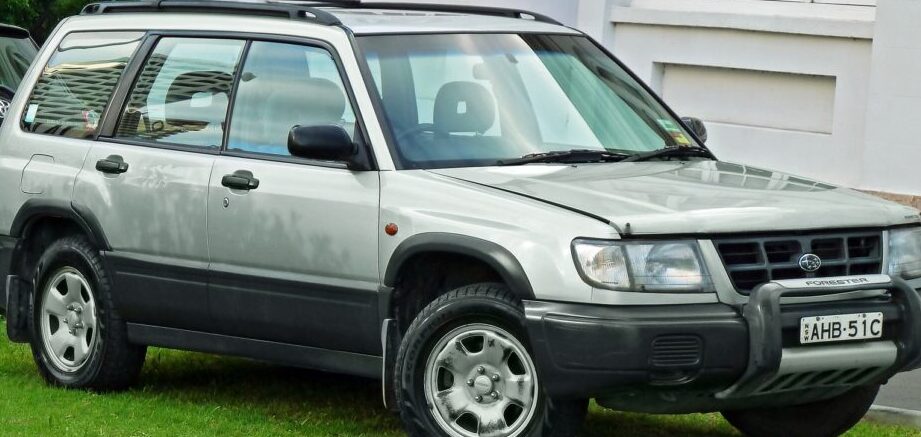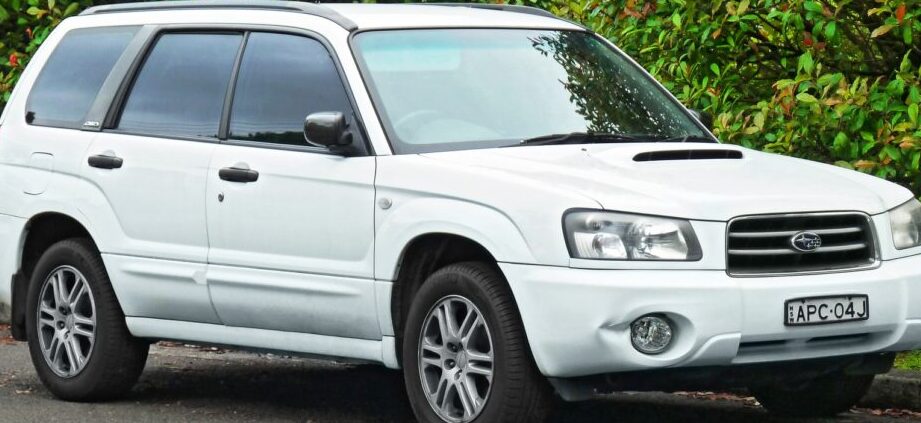
The Subaru Forester II 2.5i Automatic, produced between 2002 and 2005, represented a significant evolution of Subaru’s popular compact SUV. Positioned as a mid-range offering within the second-generation Forester (SF5) lineup, this variant combined a 2.5-liter naturally aspirated boxer engine with a four-speed automatic transmission, appealing to buyers seeking a blend of practicality, all-wheel-drive capability, and ease of use. It built upon the foundation of the first-generation Forester, offering increased refinement and interior space while retaining the brand’s signature symmetrical all-wheel-drive system. This model played a key role in solidifying the Forester’s reputation as a versatile and reliable vehicle in the North American market, where Subaru had steadily gained a loyal following.
Technical Specifications
| Brand | Subaru |
| Model | Forester |
| Generation | Forester II |
| Type (Engine) | 2.5 i (165 Hp) Automatic |
| Start of production | 2002 |
| End of production | 2005 |
| Powertrain Architecture | Internal Combustion engine |
| Body type | SUV, Crossover |
| Seats | 5 |
| Doors | 5 |
| Fuel Type | Petrol (Gasoline) |
| Weight-to-power ratio | 8.8 kg/Hp, 113.4 Hp/tonne |
| Weight-to-torque ratio | 6.5 kg/Nm, 154.6 Nm/tonne |
| Power | 165 Hp @ 5600 rpm |
| Power per litre | 67.2 Hp/l |
| Torque | 225 Nm @ 4000 rpm, 165.95 lb.-ft. @ 4000 rpm |
| Engine layout | Front, Longitudinal |
| Engine Model/Code | EJ251 |
| Engine displacement | 2457 cm3, 149.94 cu. in. |
| Number of cylinders | 4 |
| Engine configuration | Boxer |
| Cylinder Bore | 99.5 mm, 3.92 in. |
| Piston Stroke | 79 mm, 3.11 in. |
| Compression ratio | 10:1 |
| Number of valves per cylinder | 4 |
| Fuel injection system | Multi-port manifold injection |
| Engine aspiration | Naturally aspirated engine |
| Valvetrain | SOHC |
| Engine oil capacity | 4 l, 4.23 US qt | 3.52 UK qt |
| Coolant | 6.8 l, 7.19 US qt | 5.98 UK qt |
| Kerb Weight | 1455 kg, 3207.73 lbs |
| Max. weight | 2000 kg, 4409.25 lbs |
| Max load | 545 kg, 1201.52 lbs |
| Trunk (boot) space – minimum | 406 l, 14.34 cu. ft. |
| Trunk (boot) space – maximum | 1525 l, 53.85 cu. ft. |
| Fuel tank capacity | 60 l, 15.85 US gal | 13.2 UK gal |
| Length | 4450 mm, 175.2 in. |
| Width | 1735 mm, 68.31 in. |
| Height | 1585 mm, 62.4 in. |
| Wheelbase | 2525 mm, 99.41 in. |
| Front track | 1495 mm, 58.86 in. |
| Rear (Back) track | 1485 mm, 58.46 in. |
| Drive wheel | All wheel drive (4×4) |
| Number of gears and type of gearbox | 4 gears, automatic transmission |
| Front suspension | Spring Strut |
| Rear suspension | Double wishbone |
| Front brakes | Ventilated discs |
| Rear brakes | Disc |
| Assisting systems | ABS (Anti-lock braking system) |
| Steering type | Steering rack and pinion |
| Power steering | Hydraulic Steering |
| Tires size | 215/60 R15 |
Powertrain & Engine Architecture
The heart of the 2.5i Automatic Forester is the EJ251 engine, a 2.5-liter (2457 cc) naturally aspirated, horizontally-opposed (boxer) four-cylinder. This engine design, a Subaru hallmark, contributes to a lower center of gravity, enhancing stability and handling. The EJ251 utilizes a single overhead camshaft (SOHC) valvetrain with four valves per cylinder. Fuel delivery is managed by a multi-port fuel injection system, providing adequate, though not exceptional, performance. The engine produces 165 horsepower at 5600 rpm and 225 Nm (165.95 lb-ft) of torque at 4000 rpm. The four-speed automatic transmission, while providing convenience, was a relatively conventional unit for its time. It featured electronically controlled torque converter lock-up for improved fuel efficiency at highway speeds. The transmission’s gear ratios were tuned for comfortable cruising rather than aggressive acceleration.
Driving Characteristics
The 2.5i Automatic Forester offered a comfortable and predictable driving experience. The automatic transmission, while smooth, did detract somewhat from the engine’s available power. Acceleration was adequate for everyday driving, but passing maneuvers required planning. Compared to the five-speed manual version of the same engine, the automatic felt noticeably slower. The automatic’s gear ratios prioritized fuel economy over performance, resulting in a less engaging driving experience. However, the symmetrical all-wheel-drive system provided excellent traction in various weather conditions, a key selling point for Subaru vehicles. The boxer engine’s low center of gravity contributed to stable handling and reduced body roll.
Equipment & Trim Levels
The 2.5i Automatic trim typically included standard features such as air conditioning, power windows and locks, a CD player, and alloy wheels. Interior upholstery was generally cloth, with options for leather available. Available options included a sunroof, upgraded audio system, and side airbags. The dashboard layout was functional and straightforward, prioritizing usability over stylistic flair. The Forester II offered a relatively spacious interior for its class, with ample headroom and legroom for both front and rear passengers. The rear seats could be folded down to expand cargo capacity significantly.
Chassis & Braking
The Forester II utilized a MacPherson strut front suspension and a double-wishbone rear suspension, providing a comfortable ride and predictable handling. The chassis was reinforced compared to the first-generation Forester, improving rigidity and crash safety. Braking duties were handled by ventilated discs at the front and solid discs at the rear. An anti-lock braking system (ABS) was standard, enhancing braking performance and stability. The steering system employed a rack-and-pinion setup with hydraulic power assistance, providing responsive and precise steering feel. The standard tire size was 215/60 R15, offering a good balance of ride comfort and handling.
Market Reception & Comparison
The Subaru Forester II 2.5i Automatic was generally well-received by automotive critics. It was praised for its practicality, all-wheel-drive capability, and comfortable ride. However, the automatic transmission was often criticized for its lack of responsiveness and its impact on fuel economy. Compared to the 2.5-liter manual transmission version, the automatic offered less engaging driving experience. The 2.5i Automatic was positioned above the base 2.0-liter models in terms of price and performance, but below the more powerful turbocharged variants. Fuel economy was respectable for its class, averaging around 20-24 mpg in combined driving conditions.
Legacy
The EJ251 engine, when properly maintained, proved to be a relatively reliable powertrain. Common issues included head gasket failures, a known weakness of early EJ-series engines, and occasional oil leaks. The four-speed automatic transmission was generally durable, but could experience issues with solenoid failure or valve body wear over time. Today, the 2002-2005 Subaru Forester II 2.5i Automatic remains a popular choice in the used car market, particularly in regions with inclement weather. Its affordability, practicality, and all-wheel-drive capability continue to appeal to buyers seeking a versatile and reliable SUV. Parts availability is generally good, and the Forester’s relatively simple mechanical design makes it a relatively easy vehicle to maintain and repair.