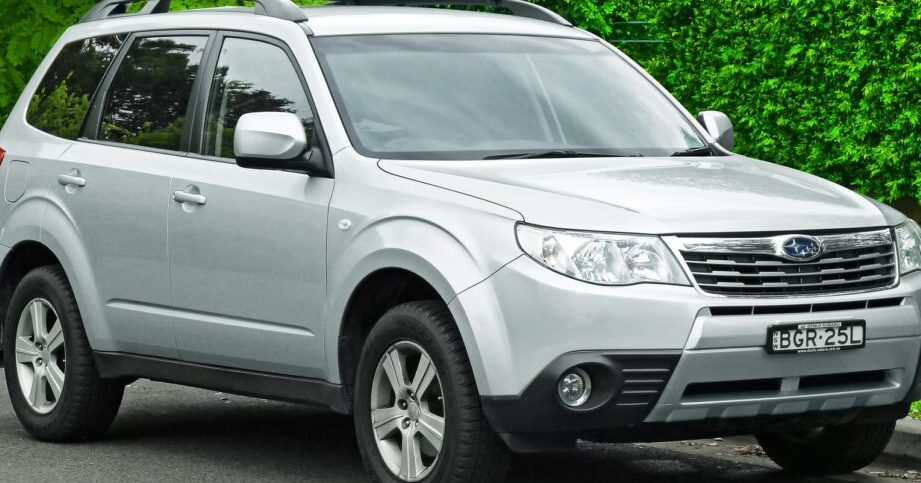
The Subaru Forester III 2.5 XS E-4AT, produced between 2007 and 2010, represented a significant evolution in Subaru’s popular compact SUV lineup. Positioned as a mid-range offering within the third-generation Forester (introduced as the SG platform in 2002, and later updated to the SH platform in 2008), this variant combined a 2.5-liter naturally aspirated boxer engine with a four-speed automatic transmission and Subaru’s symmetrical all-wheel drive system. It aimed to provide a balance of practicality, comfort, and Subaru’s renowned all-weather capability for the North American market, where the Forester had established a strong foothold. This model year saw a refresh of the Forester line, incorporating styling and mechanical updates.
| Brand | Subaru |
| Model | Forester |
| Generation | Forester III |
| Type | 2.5 XS (171 Hp) E-4AT |
| Start of production | 2007 |
| End of production | 2010 |
| Powertrain Architecture | Internal Combustion engine |
| Body type | SUV, Crossover |
| Seats | 5 |
| Doors | 5 |
| Fuel consumption (urban) | 12.9 l/100 km (18.2 US mpg) |
| Fuel consumption (extra urban) | 7.7 l/100 km (30.5 US mpg) |
| Fuel consumption (combined) | 9.6 l/100 km (24.5 US mpg) |
| Fuel Type | Petrol (Gasoline) |
| Maximum speed | 182 km/h (113.09 mph) |
| Emission standard | Euro 4 |
| Weight-to-power ratio | 8.9 kg/Hp |
| Weight-to-torque ratio | 6.6 kg/Nm |
| Power | 171 Hp @ 6000 rpm |
| Power per litre | 69.6 Hp/l |
| Torque | 229 Nm @ 4400 rpm (168.9 lb.-ft. @ 4400 rpm) |
| Engine layout | Front, Longitudinal |
| Engine Model/Code | EJ253 |
| Engine displacement | 2457 cm3 (149.94 cu. in.) |
| Number of cylinders | 4 |
| Engine configuration | Boxer |
| Cylinder Bore | 99.5 mm (3.92 in.) |
| Piston Stroke | 79 mm (3.11 in.) |
| Compression ratio | 10:1 |
| Number of valves per cylinder | 4 |
| Fuel injection system | Multi-port manifold injection |
| Engine aspiration | Naturally aspirated engine |
| Valvetrain | DOHC |
| Engine oil capacity | 4.2 l (4.44 US qt | 3.7 UK qt) |
| Kerb Weight | 1515 kg (3340 lbs.) |
| Max. weight | 2000 kg (4409.25 lbs.) |
| Max load | 485 kg (1069.24 lbs.) |
| Trunk (boot) space – minimum | 387 l (13.67 cu. ft.) |
| Fuel tank capacity | 60 l (15.85 US gal | 13.2 UK gal) |
| Length | 4560 mm (179.53 in.) |
| Width | 1780 mm (70.08 in.) |
| Height | 1700 mm (66.93 in.) |
| Wheelbase | 2615 mm (102.95 in.) |
| Front track | 1530 mm (60.24 in.) |
| Rear track | 1530 mm (60.24 in.) |
| Minimum turning circle | 10.6 m (34.78 ft.) |
| Drive wheel | All wheel drive (4×4) |
| Number of gears | 4 |
| Gearbox type | automatic transmission |
| Front suspension | Independent type McPherson |
| Rear suspension | Independent coil spring |
| Front brakes | Ventilated discs |
| Rear brakes | Disc |
| Assisting systems | ABS (Anti-lock braking system) |
| Steering type | Steering rack and pinion |
| Power steering | Hydraulic Steering |
| Tires size | 225/55 R17 |
Powertrain & Engine Architecture
The heart of the 2.5 XS was the EJ253 engine, a 2.5-liter (2457 cc) naturally aspirated, horizontally-opposed (boxer) four-cylinder. This engine was a staple of Subaru’s lineup, known for its smooth operation and relatively low center of gravity, contributing to the Forester’s balanced handling. The EJ253 featured a single overhead camshaft (SOHC) design per cylinder bank, operating four valves per cylinder. Fuel delivery was handled by a multi-point fuel injection system. The engine produced 171 horsepower at 6000 rpm and 229 Nm (168.9 lb-ft) of torque at 4400 rpm. Paired with this engine was a four-speed automatic transmission (E-4AT), a common choice for buyers prioritizing convenience over ultimate performance. This transmission was designed for smooth shifts and reliable operation, but lacked the efficiency and responsiveness of more modern transmissions.
Driving Characteristics
The 2.5 XS E-4AT offered a comfortable and capable driving experience, though not a particularly sporty one. The four-speed automatic transmission, while smooth, resulted in noticeable gear changes and a tendency to hold onto gears longer than more modern automatics. Acceleration was adequate for everyday driving, but the 0-60 mph time was around 9.5 seconds. The symmetrical all-wheel drive system provided excellent traction in various conditions, making it a confident performer in rain, snow, and on gravel roads. Compared to the five-speed manual version of the 2.5 XS, the automatic suffered a slight performance penalty and reduced fuel economy. The manual transmission offered more driver engagement and slightly quicker acceleration. Compared to the turbocharged Forester XT models, the 2.5 XS was significantly less powerful, but offered better fuel economy and lower maintenance costs.
Equipment & Trim Levels
The 2.5 XS trim level offered a good balance of features and value. Standard equipment typically included air conditioning, power windows and locks, keyless entry, a CD player with auxiliary input, and alloy wheels. Safety features included anti-lock brakes (ABS) and multiple airbags. Optional extras included a sunroof, premium audio system, leather upholstery, and a navigation system. The interior featured a functional and durable design, with comfortable seating and ample cargo space. The dashboard layout was straightforward and easy to use, with clearly labeled controls.
Chassis & Braking
The Forester III utilized a MacPherson strut front suspension and an independent coil spring rear suspension. This setup provided a comfortable ride and predictable handling. The 2.5 XS featured ventilated disc brakes on the front wheels and solid disc brakes on the rear. ABS was standard, enhancing braking performance and stability. The suspension was tuned for comfort and all-weather capability, rather than outright sportiness. The Forester’s relatively high ground clearance (8.5 inches) made it suitable for light off-road driving.
Market Reception & Comparison
The Subaru Forester III 2.5 XS E-4AT was generally well-received by automotive critics. It was praised for its practicality, safety, and all-weather capability. However, the four-speed automatic transmission was often criticized for its lack of responsiveness and fuel efficiency. Compared to competitors like the Honda CR-V and Toyota RAV4, the Forester offered a more rugged and adventurous character, along with standard all-wheel drive. Fuel economy was comparable to other vehicles in its class, averaging around 24.5 mpg in combined driving. Reliability was generally good, although some owners reported minor issues with the automatic transmission over time.
Legacy
The Subaru Forester III 2.5 XS E-4AT remains a popular choice in the used car market today. Its reputation for reliability, practicality, and all-weather capability continues to attract buyers. The EJ253 engine is known for its durability, although regular maintenance is essential to prevent oil leaks and other issues. The four-speed automatic transmission, while not the most advanced, has proven to be reasonably reliable with proper servicing. These Foresters are often sought after by those looking for a capable and affordable SUV that can handle a variety of driving conditions. The model helped solidify the Forester’s position as a leading contender in the compact SUV segment, paving the way for future generations of the vehicle.