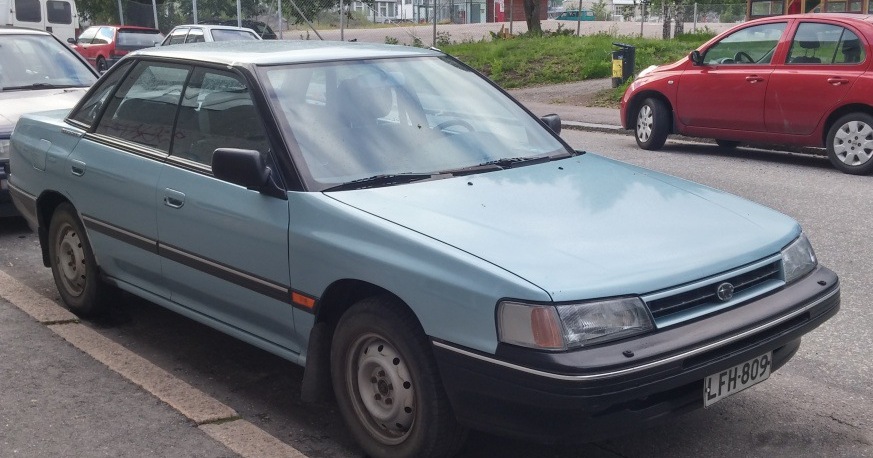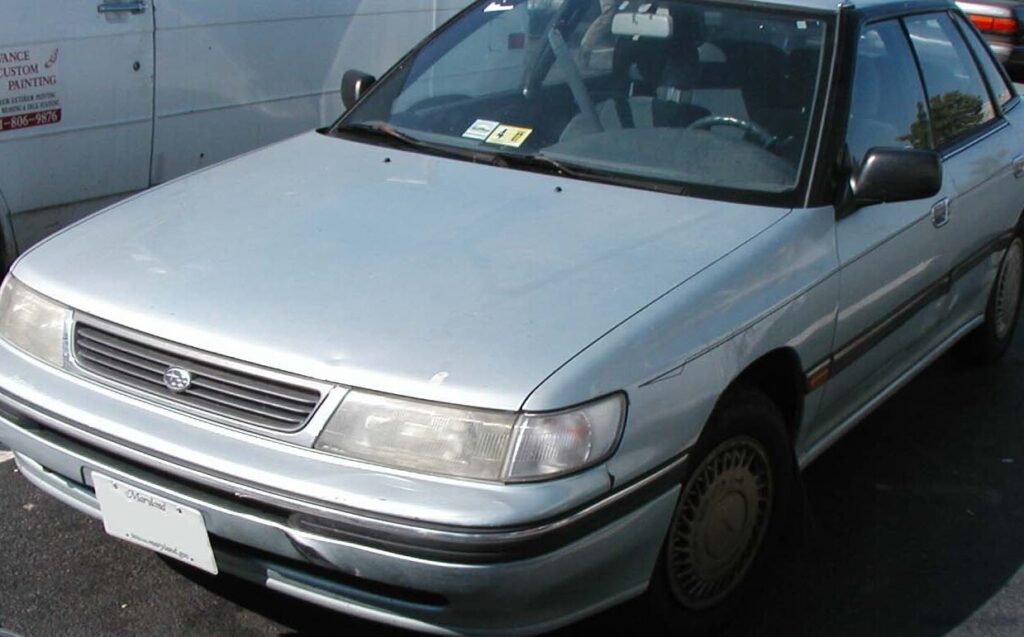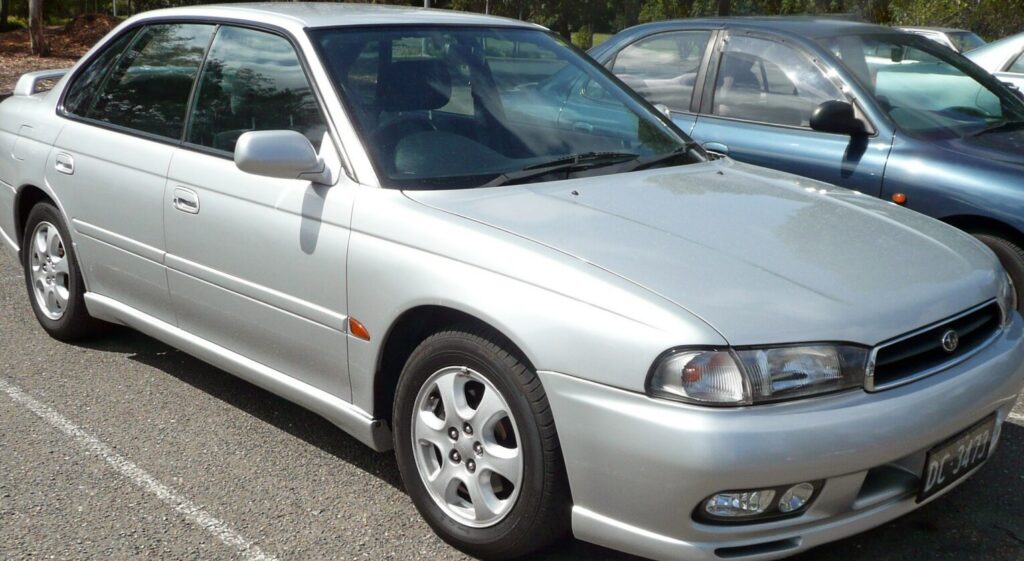
The Subaru Legacy II (BD, BG) 2.0 turbo, produced between 1997 and 1999, represented a significant step forward for Subaru’s mid-size offering. Falling within the second generation of the Legacy, designated chassis codes BD and BG, this variant was positioned as the performance flagship of the range, appealing to drivers seeking a blend of all-weather capability and spirited driving. It was primarily marketed in Japan, Australia, and Europe, where the demand for turbocharged, all-wheel-drive sedans was relatively strong. The BD series represented the sedan body style, while the BG denoted the wagon (touring) version, both sharing the same mechanical underpinnings. This model played a crucial role in solidifying Subaru’s reputation for robust engineering and innovative drivetrain technology.
Technical Specifications
| Brand | Subaru |
| Model | Legacy |
| Generation | Legacy II (BD,BG) |
| Type (Engine) | 2.0 turbo (250 Hp) AWD |
| Start of production | 1997 |
| End of production | 1999 |
| Powertrain Architecture | Internal Combustion engine |
| Body type | Sedan |
| Seats | 5 |
| Doors | 4 |
| Fuel consumption (urban) | 13.9 l/100 km (16.9 US mpg, 20.3 UK mpg, 7.2 km/l) |
| Fuel consumption (extra urban) | 8.1 l/100 km (29 US mpg, 34.9 UK mpg, 12.3 km/l) |
| Fuel consumption (combined) | 9.4 l/100 km (25 US mpg, 30.1 UK mpg, 10.6 km/l) |
| Fuel Type | Petrol (Gasoline) |
| Acceleration 0 – 100 km/h | 6.7 sec |
| Acceleration 0 – 62 mph | 6.7 sec |
| Acceleration 0 – 60 mph | 6.4 sec |
| Maximum speed | 230 km/h (142.92 mph) |
| Weight-to-power ratio | 5.3 kg/Hp, 188 Hp/tonne |
| Weight-to-torque ratio | 3.9 kg/Nm, 255.6 Nm/tonne |
| Power | 250 Hp @ 6500 rpm |
| Power per litre | 125.4 Hp/l |
| Torque | 340 Nm @ 3600 rpm (250.77 lb.-ft. @ 3600 rpm) |
| Engine layout | Front, Longitudinal |
| Engine Model/Code | EJ20T |
| Engine displacement | 1994 cm3 (121.68 cu. in.) |
| Number of cylinders | 4 |
| Engine configuration | Boxer |
| Cylinder Bore | 92 mm (3.62 in.) |
| Piston Stroke | 75 mm (2.95 in.) |
| Compression ratio | 9.5:1 |
| Number of valves per cylinder | 4 |
| Fuel injection system | Multi-port manifold injection |
| Engine aspiration | Turbocharger |
| Valvetrain | DOHC |
| Engine oil capacity | 4.5 l (4.76 US qt | 3.96 UK qt) |
| Coolant capacity | 7.2 l (7.61 US qt | 6.34 UK qt) |
| Kerb Weight | 1330 kg (2932.15 lbs.) |
| Max. weight | 1870 kg (4122.64 lbs.) |
| Max load | 540 kg (1190.5 lbs.) |
| Trunk (boot) space – minimum | 451 l (15.93 cu. ft.) |
| Fuel tank capacity | 60 l (15.85 US gal | 13.2 UK gal) |
| Length | 4595 mm (180.91 in.) |
| Width | 1695 mm (66.73 in.) |
| Height | 1405 mm (55.31 in.) |
| Wheelbase | 2630 mm (103.54 in.) |
| Front track | 1460 mm (57.48 in.) |
| Rear (Back) track | 1455 mm (57.28 in.) |
| Ride height (ground clearance) | 160 mm (6.3 in.) |
| Drive wheel | All wheel drive (4×4) |
| Number of gears and type of gearbox | 5 gears, manual transmission |
| Front suspension | Wishbone |
| Rear suspension | Several levers and rods |
| Front brakes | Ventilated discs |
| Rear brakes | Ventilated discs |
| Assisting systems | ABS (Anti-lock braking system) |
| Steering type | Steering rack and pinion |
| Power steering | Hydraulic Steering |
| Tires size | 215/45 R17 |
| Wheel rims size | 17 |
Powertrain & Engine Architecture
The heart of the Legacy II 2.0 turbo was the EJ20T engine, a 1994cc, horizontally-opposed (boxer) four-cylinder. The boxer configuration, a Subaru hallmark, provided a low center of gravity, contributing to improved handling. The EJ20T featured a single turbocharger with an intercooler, boosting power output to 250 horsepower at 6500 rpm and 340 Nm (250.77 lb-ft) of torque at 3600 rpm. Fuel delivery was managed by a multi-port fuel injection system. The engine utilized a dual overhead camshaft (DOHC) valvetrain with four valves per cylinder, optimizing airflow for increased performance. The standard transmission was a robust 5-speed manual, designed to handle the engine’s output. While an automatic transmission was offered in other Legacy trims, it wasn’t typically paired with the high-output EJ20T due to its limitations in handling the increased torque.
Driving Characteristics
The 2.0 turbo variant offered a noticeably more engaging driving experience than lower-spec Legacy models. Acceleration to 60 mph was achieved in approximately 6.4 seconds, and the car could reach a top speed of 230 km/h (142.92 mph). The turbocharger provided a surge of power in the mid-range, making overtaking maneuvers effortless. The all-wheel-drive system delivered excellent traction in various conditions, enhancing stability and confidence. Compared to the naturally aspirated 2.2-liter engine found in other Legacy models, the 2.0 turbo offered significantly more power, but at the expense of some low-end torque. The manual transmission’s gear ratios were well-matched to the engine’s powerband, allowing for precise control and spirited driving.
Equipment & Trim Levels
The 2.0 turbo typically came with a higher level of standard equipment than other Legacy trims. This included features like power windows, power locks, air conditioning, and a premium sound system. Interior upholstery was often a combination of cloth and leather, with sport seats providing enhanced support. Optional extras included a sunroof, upgraded audio systems, and alloy wheels. The dashboard layout was functional and driver-focused, with clear instrumentation and easy-to-reach controls. The overall interior ambiance was geared towards a sporty, yet comfortable experience.
Chassis & Braking
The Legacy II featured a MacPherson strut front suspension and a multi-link rear suspension, providing a good balance between ride comfort and handling precision. The 2.0 turbo variant often benefited from slightly stiffer suspension components compared to lower trims, further enhancing its handling capabilities. Braking duties were handled by ventilated disc brakes on all four wheels, providing ample stopping power. An Anti-lock Braking System (ABS) was standard, improving braking performance and stability, especially on slippery surfaces. The car’s relatively low curb weight of 1330 kg (2932.15 lbs) contributed to its agile handling characteristics.
Market Reception & Comparison
The Legacy II 2.0 turbo was generally well-received by automotive critics, who praised its performance, handling, and all-weather capability. However, some reviewers noted that the turbocharger could exhibit a degree of lag, and fuel economy was not a strong point (9.4 l/100 km combined). Compared to the naturally aspirated Legacy models, the 2.0 turbo offered a significant performance upgrade, but it also came with a higher price tag and increased maintenance costs. It competed with other turbocharged, all-wheel-drive sedans from brands like Mitsubishi and Mazda, offering a compelling alternative with Subaru’s unique boxer engine and symmetrical all-wheel-drive system.
Legacy
The EJ20T engine, while robust, requires diligent maintenance, particularly regarding oil changes and turbocharger health. Today, well-maintained examples of the Legacy II 2.0 turbo are becoming increasingly sought after by enthusiasts. The car’s combination of performance, all-wheel-drive capability, and relative rarity has made it a desirable classic. Parts availability can be a challenge, but a dedicated aftermarket exists to support these vehicles. The Legacy II 2.0 turbo remains a testament to Subaru’s engineering prowess and its commitment to building capable and engaging automobiles.