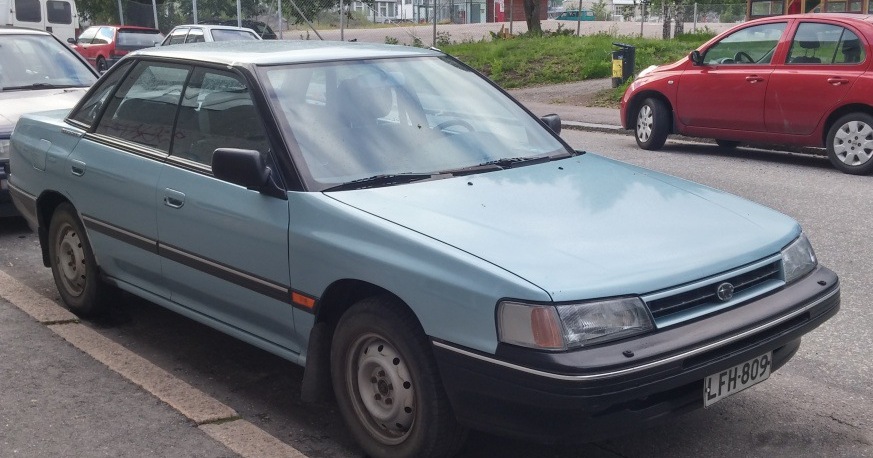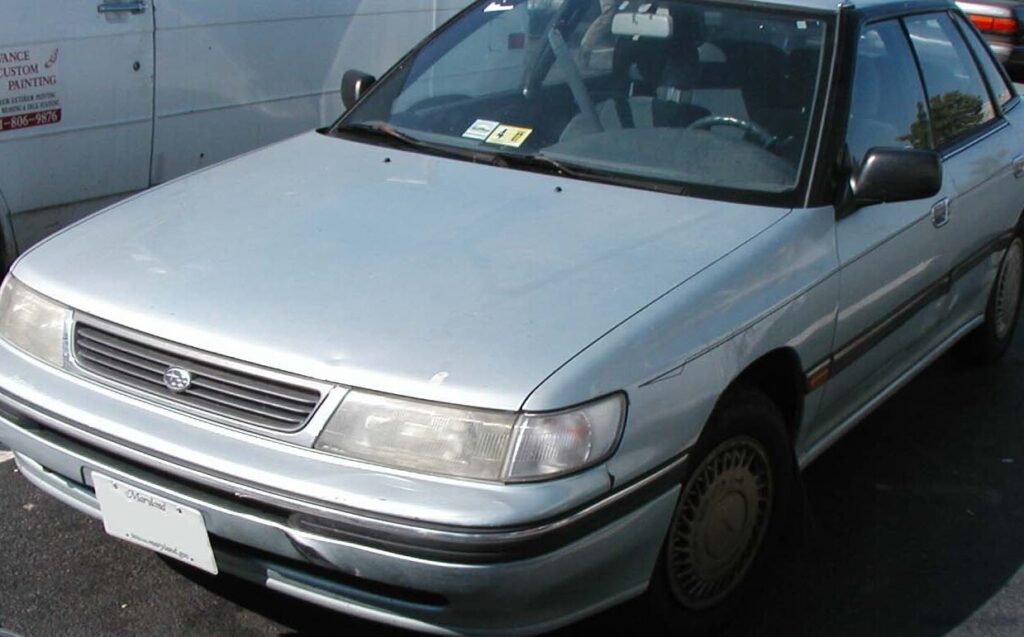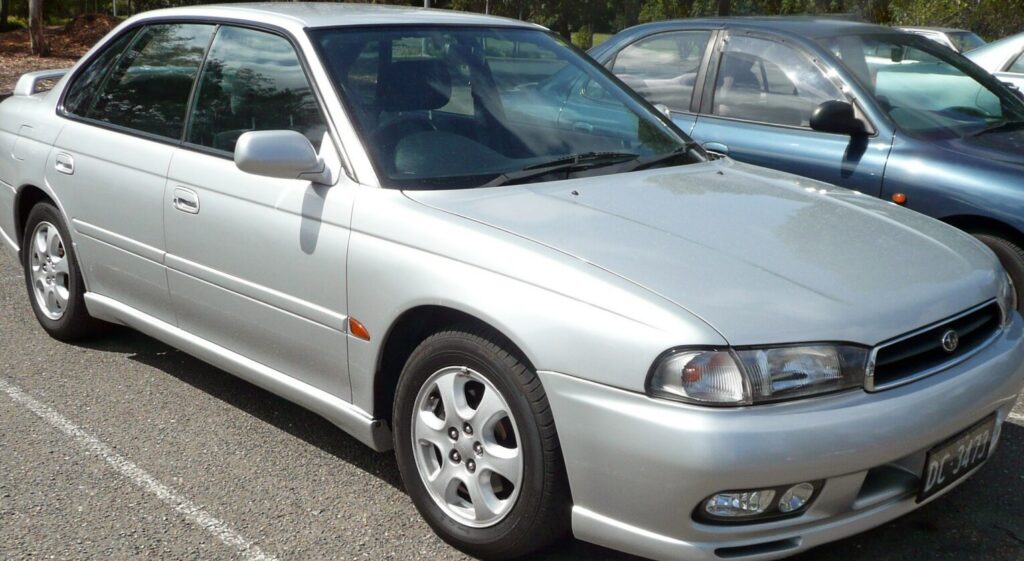
The Subaru Legacy II, internally designated the BD and BG series, represented a significant evolution for Subaru’s mid-size offering. Produced between 1996 and 1999, this generation built upon the success of the original Legacy, offering increased refinement, improved safety features, and a wider range of engine and drivetrain options. The 2.2-liter, 131 horsepower all-wheel-drive variant occupied a central position in the Legacy II lineup, appealing to buyers seeking a balance of performance, practicality, and Subaru’s renowned symmetrical all-wheel-drive system. It was primarily marketed in North America, Europe, and Australia, where the demand for all-weather capability was high.
Technical Specifications
| Brand | Subaru |
| Model | Legacy |
| Generation | Legacy II (BD,BG) |
| Type (Engine) | 2.2 (131 Hp) AWD |
| Start of production | 1996 |
| End of production | 1999 |
| Powertrain Architecture | Internal Combustion engine |
| Body type | Sedan |
| Seats | 5 |
| Doors | 4 |
| Fuel consumption (urban) | 12.4 l/100 km (19 US mpg, 22.8 UK mpg, 8.1 km/l) |
| Fuel consumption (extra urban) | 7.6 l/100 km (30.9 US mpg, 37.2 UK mpg, 13.2 km/l) |
| Fuel consumption (combined) | 9.4 l/100 km (25 US mpg, 30.1 UK mpg, 10.6 km/l) |
| Fuel Type | Petrol (Gasoline) |
| Acceleration 0 – 100 km/h | 9.5 sec |
| Acceleration 0 – 62 mph | 9.5 sec |
| Acceleration 0 – 60 mph | 9 sec |
| Maximum speed | 196 km/h (121.79 mph) |
| Weight-to-power ratio | 9.6 kg/Hp, 104.4 Hp/tonne |
| Weight-to-torque ratio | 6.5 kg/Nm, 153.8 Nm/tonne |
| Power | 131 Hp @ 5600 rpm |
| Power per litre | 59.2 Hp/l |
| Torque | 193 Nm @ 4000 rpm (142.35 lb.-ft. @ 4000 rpm) |
| Engine layout | Front, Longitudinal |
| Engine Model/Code | EJ22E |
| Engine displacement | 2212 cm3 (134.98 cu. in.) |
| Number of cylinders | 4 |
| Engine configuration | Boxer |
| Cylinder Bore | 96.9 mm (3.81 in.) |
| Piston Stroke | 75 mm (2.95 in.) |
| Compression ratio | 9.7:1 |
| Number of valves per cylinder | 4 |
| Fuel injection system | Multi-port manifold injection |
| Engine aspiration | Naturally aspirated |
| Engine oil capacity | 4 l (4.23 US qt | 3.52 UK qt) |
| Coolant capacity | 5.8 l (6.13 US qt | 5.1 UK qt) |
| Kerb Weight | 1255 kg (2766.8 lbs.) |
| Max. weight | 1795 kg (3957.3 lbs.) |
| Max load | 540 kg (1190.5 lbs.) |
| Trunk (boot) space – minimum | 451 l (15.93 cu. ft.) |
| Fuel tank capacity | 60 l (15.85 US gal | 13.2 UK gal) |
| Length | 4595 mm (180.91 in.) |
| Width | 1695 mm (66.73 in.) |
| Height | 1405 mm (55.31 in.) |
| Wheelbase | 2630 mm (103.54 in.) |
| Front track | 1460 mm (57.48 in.) |
| Rear track | 1455 mm (57.28 in.) |
| Ride height (ground clearance) | 160 mm (6.3 in.) |
| Drive wheel | All wheel drive (4×4) |
| Number of gears and type of gearbox | 5 gears, manual transmission |
| Front suspension | Wishbone |
| Rear suspension | Several levers and rods |
| Front brakes | Ventilated discs |
| Rear brakes | Disc |
| Assisting systems | ABS (Anti-lock braking system) |
| Steering type | Steering rack and pinion |
| Power steering | Hydraulic |
| Tires size | 195/60 R15 |
| Wheel rims size | 15 |
Powertrain & Engine Architecture
The heart of this Legacy variant was the EJ22E 2.2-liter horizontally-opposed (boxer) four-cylinder engine. This engine was a staple of Subaru’s lineup, known for its smooth operation and inherent balance due to the opposing piston design. The EJ22E featured a single overhead camshaft (SOHC) design with four valves per cylinder, and utilized multi-port fuel injection for precise fuel delivery. The engine produced 131 horsepower at 5600 rpm and 193 Nm (142.35 lb-ft) of torque at 4000 rpm. The engine’s longitudinal mounting and the standard all-wheel-drive system contributed to the car’s balanced handling characteristics. The five-speed manual transmission was the standard offering, providing drivers with direct control over the engine’s power. The transmission was chosen for its durability and relatively simple design.
Driving Characteristics
The 2.2-liter Legacy II with a manual transmission offered a reasonably engaging driving experience. Acceleration to 60 mph took around 9 seconds, which was competitive for its class in the late 1990s. While not a sports car, the engine provided adequate power for everyday driving and highway cruising. The all-wheel-drive system instilled confidence in various weather conditions, providing enhanced traction and stability. The manual transmission allowed for precise gear selection, and the relatively short gear ratios kept the engine within its optimal power band. Compared to the more powerful 2.5-liter engine option, the 2.2-liter felt less strained during acceleration, but lacked the same level of outright performance. The 2.2L was also more fuel efficient than the larger engine.
Equipment & Trim Levels
The 2.2-liter AWD Legacy II typically came with a respectable level of standard equipment. This included power windows, power locks, air conditioning, and an AM/FM stereo. Higher trim levels, such as the LSi, added features like alloy wheels, a sunroof, and upgraded interior upholstery. The interior was generally functional and well-built, though not particularly luxurious. Optional extras included a CD player, cruise control, and upgraded sound systems. Safety features, such as anti-lock brakes (ABS), were becoming increasingly common on this trim level.
Chassis & Braking
The Legacy II utilized a MacPherson strut front suspension and a multi-link rear suspension, providing a comfortable ride and predictable handling. The chassis was relatively lightweight, contributing to the car’s agility. Braking duties were handled by ventilated discs at the front and solid discs at the rear. The ABS system helped to prevent wheel lockup during hard braking, enhancing safety. The steering was rack-and-pinion, providing precise and responsive steering feel. The standard tire size was 195/60R15, offering a good balance of grip and ride comfort.
Market Reception & Comparison
The Subaru Legacy II 2.2 AWD was generally well-received by automotive critics. It was praised for its all-weather capability, comfortable ride, and reliable powertrain. However, some critics noted that the engine lacked the refinement and power of some of its competitors. Compared to other trims in the Legacy lineup, the 2.2-liter offered a more affordable entry point into the Legacy range, making it an attractive option for budget-conscious buyers. It provided a good balance between fuel economy and performance, and its all-wheel-drive system set it apart from many of its rivals.
Legacy
The EJ22E engine, while not without its quirks, proved to be a durable and reliable powerplant. Properly maintained examples of the Legacy II 2.2 AWD continue to be found on the used car market today. Common issues include oil leaks and occasional head gasket failures, but these are generally manageable with regular maintenance. The Legacy II’s reputation for reliability and its all-weather capability have made it a popular choice among enthusiasts and those seeking a practical and dependable used car. The 2.2L variant, in particular, is often seen as a sweet spot in the lineup, offering a good balance of affordability, performance, and long-term durability.