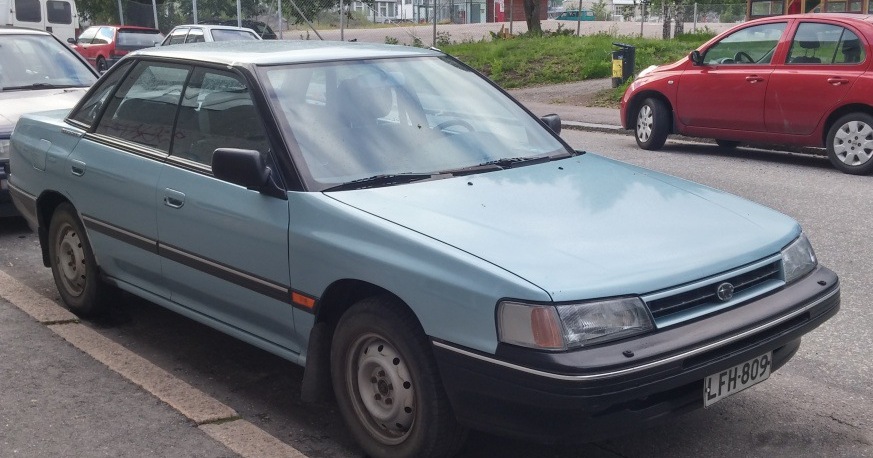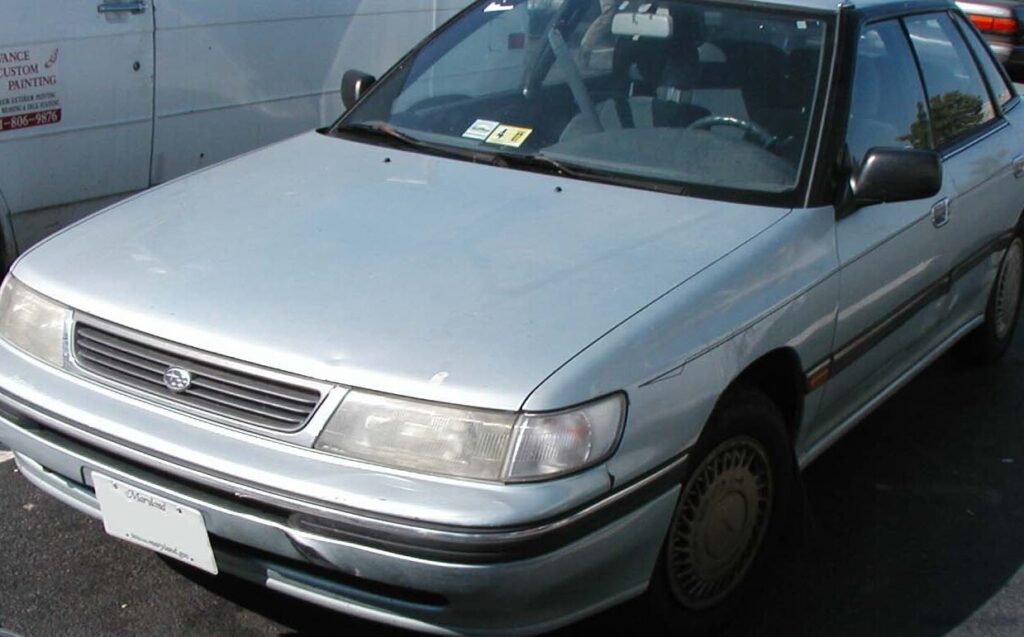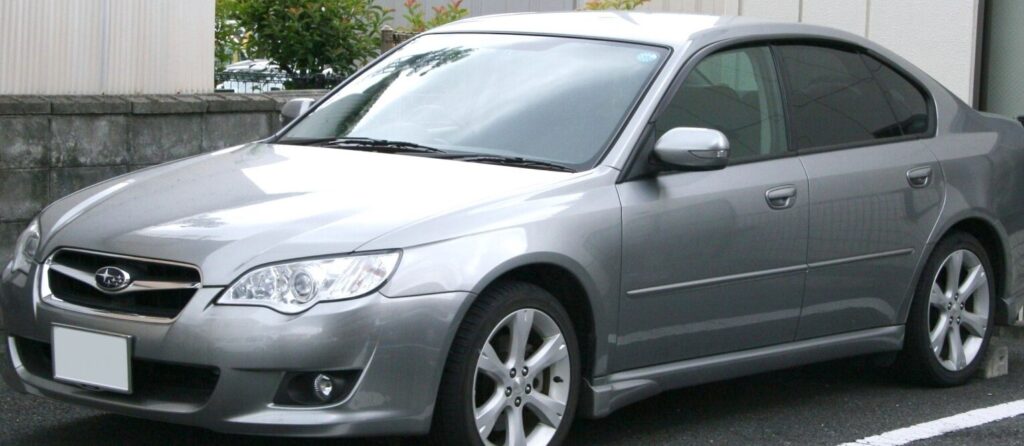
The Subaru Legacy IV (facelift, introduced in 2006) 2.5i GT, equipped with a 250 horsepower turbocharged engine and an automatic transmission, represented a significant offering in Subaru’s lineup during its production run from 2006 to 2009. This variant occupied the upper-midrange position within the fourth-generation Legacy (BP/BL platform) series, appealing to buyers seeking a blend of performance, all-weather capability, and relative comfort. The facelift brought styling updates and refinements to the existing Legacy IV, solidifying its position as a competitive family sedan in the North American market, where Subaru had steadily gained recognition for its symmetrical all-wheel drive system.
Technical Specifications
| Brand | Subaru |
| Model | Legacy |
| Generation | Legacy IV (facelift 2006) |
| Type | 2.5i GT (250 Hp) AWD Automatic |
| Start of production | 2006 |
| End of production | 2009 |
| Powertrain Architecture | Internal Combustion engine |
| Body type | Sedan |
| Seats | 5 |
| Doors | 4 |
| Fuel Type | Petrol (Gasoline) |
| Weight-to-power ratio | 6 kg/Hp, 167 Hp/tonne |
| Weight-to-torque ratio | 4.4 kg/Nm, 226.5 Nm/tonne |
| Power | 250 Hp @ 6000 rpm |
| Power per litre | 101.8 Hp/l |
| Torque | 339 Nm @ 3600 rpm, 250.03 lb.-ft. @ 3600 rpm |
| Engine layout | Front, Longitudinal |
| Engine Model/Code | EJ255 |
| Engine displacement | 2457 cm3, 149.94 cu. in. |
| Number of cylinders | 4 |
| Engine configuration | Boxer |
| Cylinder Bore | 99.5 mm, 3.92 in. |
| Piston Stroke | 79 mm, 3.11 in. |
| Compression ratio | 8.2:1 |
| Number of valves per cylinder | 4 |
| Fuel injection system | Multi-port manifold injection |
| Engine aspiration | Turbocharger, Intercooler |
| Valvetrain | DOHC |
| Engine oil capacity | 4.2 l, 4.44 US qt | 3.7 UK qt |
| Coolant | 7.3 l, 7.71 US qt | 6.42 UK qt |
| Kerb Weight | 1497 kg, 3300.32 lbs |
| Max. weight | 2030 kg, 4475.38 lbs |
| Max load | 533 kg, 1175.06 lbs |
| Trunk (boot) space – minimum | 433 l, 15.29 cu. ft |
| Fuel tank capacity | 64 l, 16.91 US gal | 14.08 UK gal |
| Length | 4730 mm, 186.22 in |
| Width | 1730 mm, 68.11 in |
| Height | 1425 mm, 56.1 in |
| Wheelbase | 2670 mm, 105.12 in |
| Front track | 1495 mm, 58.86 in |
| Rear (Back) track | 1485 mm, 58.46 in |
| Ride height (ground clearance) | 150 mm, 5.91 in |
| Minimum turning circle (turning diameter) | 11.6 m, 38.06 ft |
| Drive wheel | All wheel drive (4×4) |
| Number of gears and type of gearbox | 5 gears, automatic transmission |
| Front suspension | Spring Strut |
| Rear suspension | Coil spring |
| Front brakes | Ventilated discs |
| Rear brakes | Disc |
| Assisting systems | ABS (Anti-lock braking system) |
| Steering type | Steering rack and pinion |
| Power steering | Hydraulic Steering |
| Tires size | 215/45 R17 |
| Wheel rims size | 7.0J x 17 |
Powertrain & Engine Architecture
The heart of the 2.5i GT was the EJ255, a 2.5-liter horizontally-opposed (boxer) four-cylinder engine. This engine was a key component of Subaru’s engineering philosophy, known for its inherent balance and smooth operation. The EJ255 featured a single turbocharger with an intercooler, boosting power output to 250 horsepower and 250 lb-ft of torque. Fuel delivery was managed by a multi-port fuel injection system. The engine utilized a dual overhead camshaft (DOHC) valvetrain with four valves per cylinder, optimizing airflow for increased performance. The automatic transmission was a five-speed unit, specifically tuned to handle the engine’s torque output and provide smooth shifts. This transmission wasn’t known for being particularly sporty, prioritizing comfort and ease of use over aggressive downshifts.
Driving Characteristics
The 2.5i GT automatic offered a comfortable and capable driving experience. While not as engaging as the six-speed manual transmission available on some Legacy GT models, the automatic provided smooth acceleration and effortless cruising. The all-wheel drive system delivered excellent traction in various weather conditions, a hallmark of Subaru vehicles. The automatic transmission’s gear ratios were geared towards fuel efficiency and relaxed driving, meaning the engine didn’t always feel as responsive as it could be. Compared to the naturally aspirated 2.5i models, the 2.5i GT offered a substantial performance increase, making highway merging and passing maneuvers much easier. However, it didn’t possess the raw acceleration of some of its competitors with more powerful engines.
Equipment & Trim Levels
The 2.5i GT trim typically included a generous array of standard features. Interior appointments included cloth upholstery, though leather was often an optional upgrade. Standard equipment often featured power windows, power locks, a CD player with auxiliary input, and air conditioning. Higher-end options included a premium sound system, sunroof, and heated front seats. The dashboard layout was functional and straightforward, prioritizing usability over flashy design. The 2.5i GT was positioned as a step up from the base Legacy models, offering a more refined interior and a more powerful engine.
Chassis & Braking
The Legacy IV utilized a MacPherson strut front suspension and a coil spring rear suspension. The suspension was tuned to provide a balance between ride comfort and handling. The 2.5i GT typically featured slightly stiffer springs and dampers compared to the base models to manage the increased power. Braking duties were handled by ventilated discs at the front and solid discs at the rear. Anti-lock brakes (ABS) were standard, enhancing safety and control during emergency braking situations. The steering system was a rack-and-pinion setup with hydraulic power assist, providing responsive and precise steering feel.
Market Reception & Comparison
The 2006-2009 Subaru Legacy 2.5i GT received generally positive reviews. Critics praised its standard all-wheel drive, comfortable ride, and strong turbocharged engine. However, the automatic transmission was sometimes criticized for being less engaging than the manual option. Fuel economy was respectable for a turbocharged all-wheel drive vehicle, but not class-leading. Compared to other mid-size sedans, the Legacy offered a unique combination of features and capabilities. It appealed to buyers who prioritized all-weather performance and reliability over outright sportiness. The 2.5i GT offered a compelling alternative to front-wheel drive competitors, particularly in regions with harsh winters.
Legacy
The EJ255 engine, while generally reliable, is known to require regular maintenance, particularly regarding oil changes. The turbocharger can be a potential point of failure if not properly maintained. The automatic transmission, while durable, can exhibit wear and tear over time, especially with high mileage. Today, the 2006-2009 Legacy 2.5i GT represents an affordable entry point into the world of turbocharged Subaru performance. Well-maintained examples are still relatively common on the used car market, offering a blend of practicality, performance, and all-weather capability. Its symmetrical all-wheel drive system continues to be a desirable feature, making it a viable option for buyers seeking a reliable and capable family sedan.