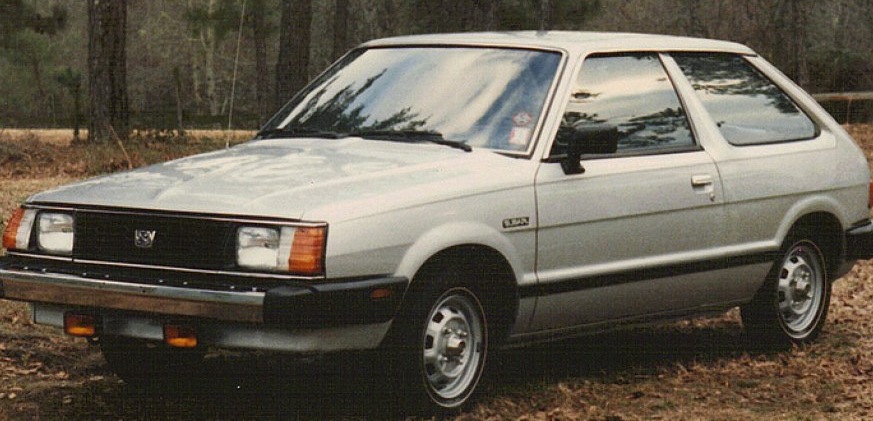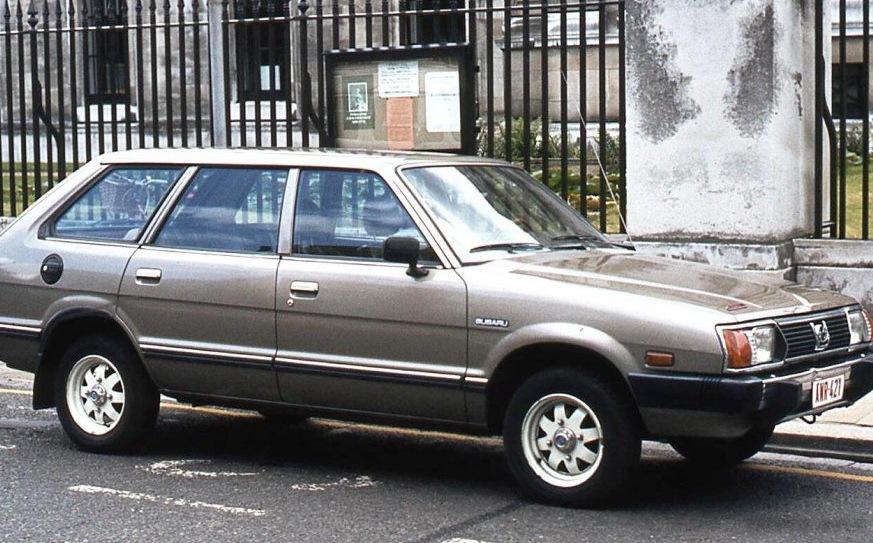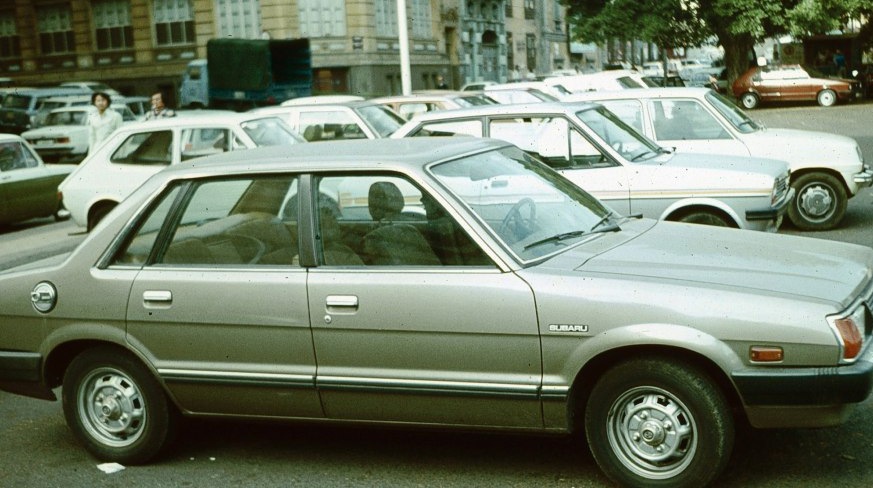
The Subaru Leone II (AB) 1800 4WD, produced between 1980 and 1984, represents a significant step in Subaru’s development of all-wheel-drive passenger vehicles. Positioned as a practical and capable family car, this variant of the Leone II offered a blend of affordability and Subaru’s signature symmetrical all-wheel-drive system. It was part of the second generation Leone, internally designated AB, which saw improvements in styling, interior space, and mechanical refinement over the original Leone. This 1800cc, 80 horsepower model served as a mainstay in Subaru’s lineup during this period, appealing to buyers seeking a reliable and versatile vehicle for both daily commuting and light off-road adventures. It was primarily sold in Japan, Australia, and select European markets, with limited direct import to the United States.
Technical Specifications
| Brand | Subaru |
| Model | Leone |
| Generation | Leone II (AB) |
| Type | 1800 4WD (80 Hp) |
| Start of Production | 1980 |
| End of Production | 1984 |
| Powertrain Architecture | Internal Combustion Engine |
| Body Type | Sedan |
| Seats | 5 |
| Doors | 4 |
| Fuel Type | Petrol (Gasoline) |
| Power | 80 Hp |
| Engine Model/Code | EA81 |
| Engine Aspiration | Naturally Aspirated |
| Engine Oil Capacity | 4 l (4.23 US qt | 3.52 UK qt) |
Powertrain & Engine Architecture
The heart of the Leone II 1800 4WD is the EA81 engine, a 1.8-liter (1785cc) naturally aspirated, horizontally opposed four-cylinder engine. This “boxer” engine design, a Subaru hallmark, provides a low center of gravity, contributing to improved handling and stability. The EA81 featured a single overhead camshaft (SOHC) operating two valves per cylinder. Fuel delivery was managed by a carburetor, a common feature for vehicles of this era, though later iterations of the EA81 would adopt fuel injection. The 80 horsepower output at approximately 5,200 rpm and 108 lb-ft of torque at 3,200 rpm were modest, but adequate for the vehicle’s intended purpose. The engine’s relatively simple design prioritized reliability and ease of maintenance.
The transmission paired with the EA81 in this variant was a three-speed automatic. While not offering the most responsive driving experience, the automatic transmission catered to buyers prioritizing convenience over performance. The automatic transmission featured a torque converter, providing smooth engagement and multiplication of engine torque. The all-wheel-drive system was a part-time system, allowing the driver to engage or disengage the front wheels as needed, improving fuel economy on paved roads. The system utilized a viscous coupling center differential, automatically distributing torque between the front and rear axles based on traction conditions.
Driving Characteristics
The Leone II 1800 4WD with the automatic transmission delivered a comfortable, if not particularly exhilarating, driving experience. Acceleration was adequate for merging onto highways and maintaining cruising speeds, but the 80 horsepower engine and three-speed automatic limited its ability to handle steep inclines or quick overtaking maneuvers. The automatic transmission’s gear ratios were optimized for fuel economy and smooth operation, rather than outright performance. Compared to the available five-speed manual transmission, the automatic version resulted in a noticeable decrease in responsiveness and fuel efficiency. The all-wheel-drive system provided enhanced traction on loose surfaces, making it a capable vehicle for navigating gravel roads, snow, and other challenging conditions. The suspension, consisting of MacPherson struts in the front and a trailing arm setup in the rear, offered a reasonably comfortable ride, absorbing bumps and irregularities in the road surface.
Equipment & Trim Levels
The Leone II 1800 4WD typically came equipped with a fairly basic level of standard features. Interior appointments included cloth upholstery, vinyl door panels, and a simple dashboard layout. Amenities such as a radio (often AM/FM), a heater, and basic instrumentation were standard. Power steering was not always standard, and air conditioning was typically an optional extra. Trim levels varied depending on the market, but generally, this 1800 4WD automatic variant represented a mid-range offering within the Leone II lineup. Higher trim levels, often featuring larger engines (like the 1.6L or 2.0L) and more luxurious interior appointments, were available for buyers seeking a more premium experience. Optional extras could include upgraded audio systems, sunroofs, and alloy wheels.
Chassis & Braking
The Leone II utilized a body-on-frame construction, a common practice for vehicles of this era. This construction method provided a robust and durable chassis, well-suited for off-road use. The suspension system, as mentioned previously, consisted of MacPherson struts in the front and a trailing arm setup in the rear. Braking duties were handled by disc brakes in the front and drum brakes in the rear. The braking system was adequate for normal driving conditions, but lacked the stopping power of more modern vehicles. Stabilizer bars were typically fitted to the front suspension to reduce body roll during cornering. The tires were typically narrow, reflecting the emphasis on fuel economy and all-weather capability rather than high-performance handling.
Market Reception & Comparison
The Subaru Leone II 1800 4WD was generally well-received by automotive critics as a practical and capable all-wheel-drive vehicle. Its affordability and versatility made it an attractive option for buyers seeking a reliable family car with added traction. However, the 80 horsepower engine and three-speed automatic transmission were often criticized for their lack of performance. Compared to other trims in the Leone II lineup, such as the 2.0-liter models, the 1800 4WD offered a more economical entry point into the Subaru all-wheel-drive experience. Fuel economy was reasonable for the time, but lower than that of comparable front-wheel-drive vehicles. Reliability was generally good, although the carburetor required periodic maintenance.
Legacy
The Subaru Leone II 1800 4WD played a crucial role in establishing Subaru’s reputation for building durable and capable all-wheel-drive vehicles. The EA81 engine, while eventually superseded by more modern designs, proved to be a remarkably robust and long-lasting powerplant. Today, these vehicles are relatively rare, but those that remain are often sought after by Subaru enthusiasts and collectors. The 1800 4WD automatic variant, while not the most desirable trim level, offers a unique glimpse into Subaru’s early foray into the all-wheel-drive market. Parts availability can be a challenge, but the EA81 engine’s simplicity makes it relatively easy to repair and maintain. The Leone II 1800 4WD remains a testament to Subaru’s commitment to engineering durable and versatile vehicles.