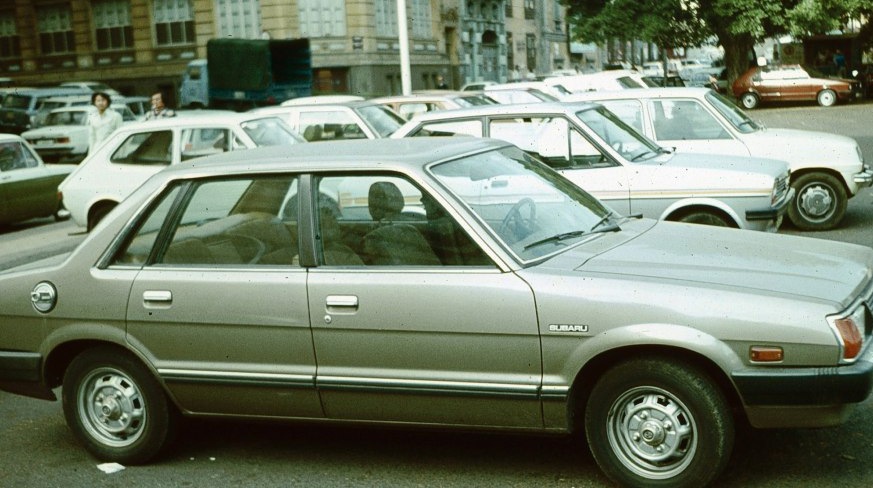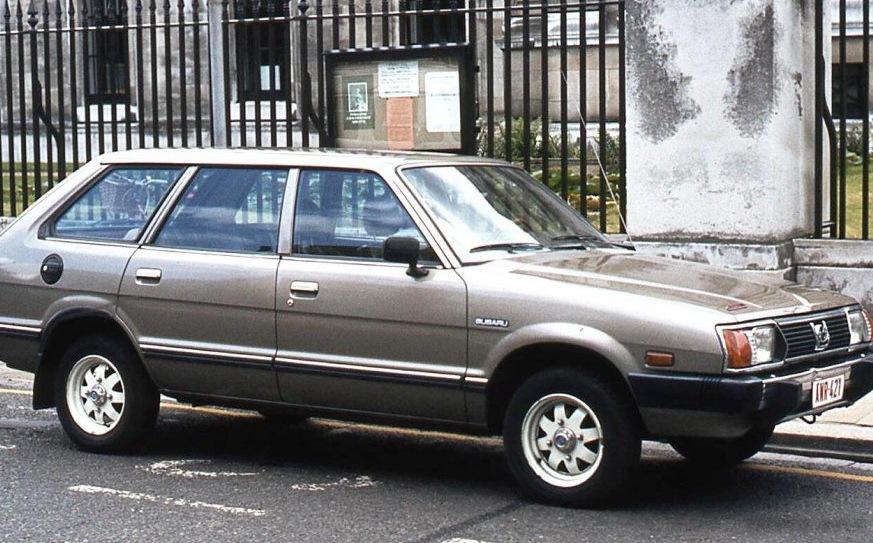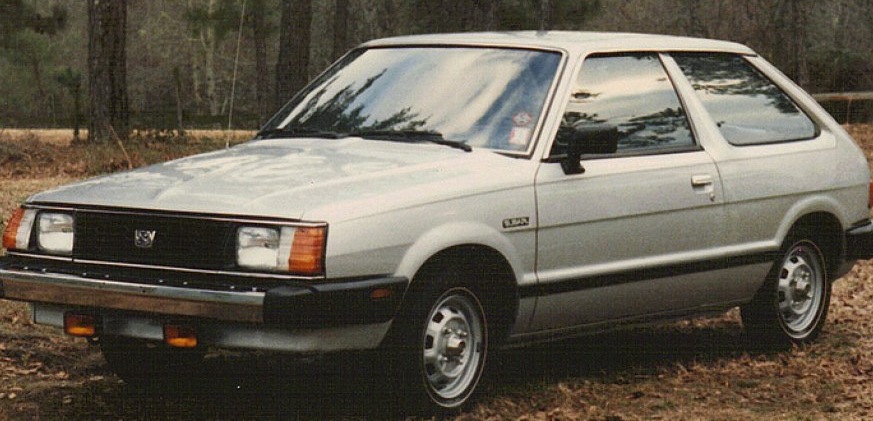
The Subaru Leone II Hatchback 1600, producing 86 horsepower, was a significant model in Subaru’s lineup from 1979 to 1984. Representing the second generation of the Leone, this variant played a crucial role in establishing Subaru’s presence in the compact car market, particularly in North America where it was often marketed as the Subaru DL. The Leone II, built on the platform code A10, offered a practical and increasingly refined alternative to established Japanese and European competitors. This 1600cc model served as a mainstay, offering a balance between affordability, fuel economy, and usability for a broad range of drivers.
Technical Specifications
| Brand | Subaru |
| Model | Leone |
| Generation | Leone II Hatchback |
| Type (Engine) | 1600 (86 Hp) |
| Start of production | 1979 |
| End of production | 1984 |
| Powertrain Architecture | Internal Combustion Engine |
| Body type | Hatchback |
| Seats | 5 |
| Doors | 3 |
| Fuel Type | Petrol (Gasoline) |
| Power | 86 Hp |
| Engine Model/Code | EA71 |
| Engine aspiration | Naturally aspirated |
| Engine oil capacity | 3.5 l (3.7 US qt | 3.08 UK qt) |
Powertrain & Engine Architecture
The heart of the Leone II 1600 was the EA71 engine, a 1.6-liter, naturally aspirated, horizontally opposed four-cylinder engine – a hallmark of Subaru’s engineering philosophy. This “boxer” engine design, with its pistons moving horizontally, offered inherent balance and a lower center of gravity, contributing to the car’s handling characteristics. The EA71 featured a single overhead camshaft (SOHC) operating two valves per cylinder. Fuel delivery was managed by a carburetor, a common setup for the time, though later iterations saw the introduction of electronic fuel injection in some markets. The engine produced 86 horsepower at approximately 6,000 rpm and 92 lb-ft of torque at 4,000 rpm. The Leone II 1600 was typically paired with either a four-speed manual transmission or a three-speed automatic transmission. The automatic, while offering convenience, was known for its relatively conservative gearing, prioritizing fuel economy over outright acceleration.
Driving Characteristics
The 1600cc engine, coupled with the three-speed automatic transmission, provided adequate, though not exhilarating, performance. Acceleration from 0 to 60 mph was estimated to be around 14-16 seconds, making it competitive with other compact cars of the era. The automatic transmission’s gear ratios were spaced to maximize fuel efficiency, resulting in a somewhat sluggish response during quick overtaking maneuvers. The manual transmission version offered a more engaging driving experience, allowing drivers to better utilize the engine’s power band. The Leone II’s all-wheel-drive system, even in its early form, provided enhanced traction, particularly on slippery surfaces, a key selling point for Subaru. The car’s relatively light weight (around 2,000 lbs) helped to mitigate the engine’s modest power output, making it feel reasonably nimble in everyday driving situations. Steering was light and responsive, though lacking in significant feedback.
Equipment & Trim Levels
The Leone II 1600, particularly in base trim levels like the DL, was generally equipped with basic amenities. Standard features typically included cloth upholstery, a simple dashboard layout with analog gauges, and a two-speaker AM/FM radio. Power steering was often an optional extra, as was air conditioning. Higher trim levels, such as the GL, offered upgrades like upgraded interior materials, additional chrome trim, and more comprehensive instrumentation. The hatchback body style provided a practical cargo area, further enhanced by the folding rear seats. The interior design was functional and durable, prioritizing practicality over luxury. Optional extras included sunroofs, upgraded sound systems, and alloy wheels.
Chassis & Braking
The Leone II utilized a conventional chassis layout with independent front suspension using MacPherson struts and a solid rear axle with leaf springs. This setup provided a comfortable ride, though it wasn’t particularly sporty. The steering was rack and pinion, contributing to its light and responsive feel. Braking was typically accomplished with disc brakes on the front wheels and drum brakes on the rear. The braking system was adequate for the car’s weight and performance, but lacked the stopping power of more modern systems. Stabilizer bars were often included, particularly on higher trim levels, to reduce body roll during cornering. The suspension was tuned for comfort, absorbing bumps and irregularities in the road surface effectively.
Market Reception & Comparison
The Subaru Leone II 1600 was generally well-received by automotive critics as a practical and reliable compact car. It was praised for its standard all-wheel drive, which provided a significant advantage in inclement weather. However, the 1600cc engine was often criticized for being underpowered, especially when paired with the automatic transmission. Compared to other trims in the Leone lineup, such as the 1.8L models, the 1600 offered a more affordable entry point, but at the expense of performance. Against competitors like the Toyota Corolla and Honda Civic, the Leone II 1600 offered a unique combination of all-wheel drive and a horizontally opposed engine, setting it apart from the crowd. Fuel economy was respectable for the time, averaging around 25-30 mpg in mixed driving conditions. Reliability was generally good, though carburetor maintenance could be required periodically.
Legacy
The Subaru Leone II 1600, while not a performance icon, played a vital role in establishing Subaru’s reputation for building durable, reliable, and capable vehicles. The EA71 engine, despite its limitations, proved to be a robust and long-lasting powerplant. Today, the Leone II 1600 is a relatively affordable classic car, appealing to enthusiasts seeking a simple, practical, and unique vehicle. Parts availability can be a challenge, but the engine’s simplicity makes it relatively easy to maintain for those with mechanical skills. The Leone II’s enduring appeal lies in its combination of practicality, reliability, and the distinctive character of its boxer engine and all-wheel-drive system. Well-maintained examples are increasingly sought after by collectors and Subaru enthusiasts alike, representing a significant piece of the brand’s history.