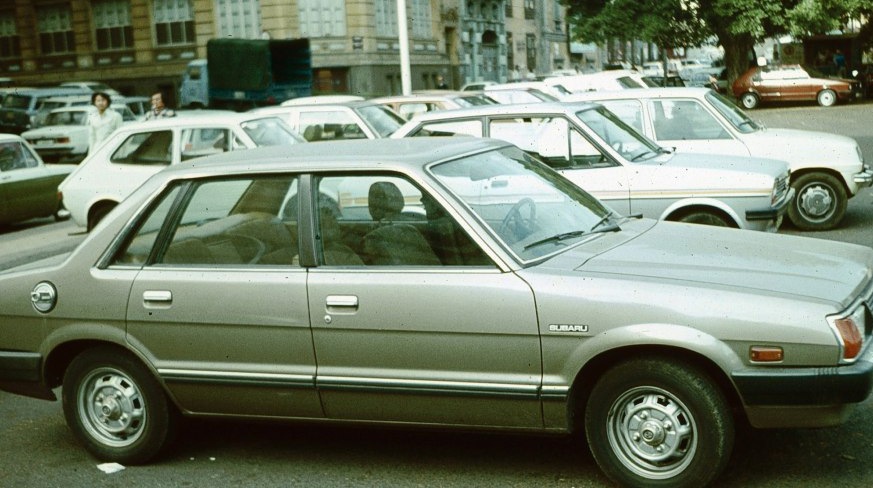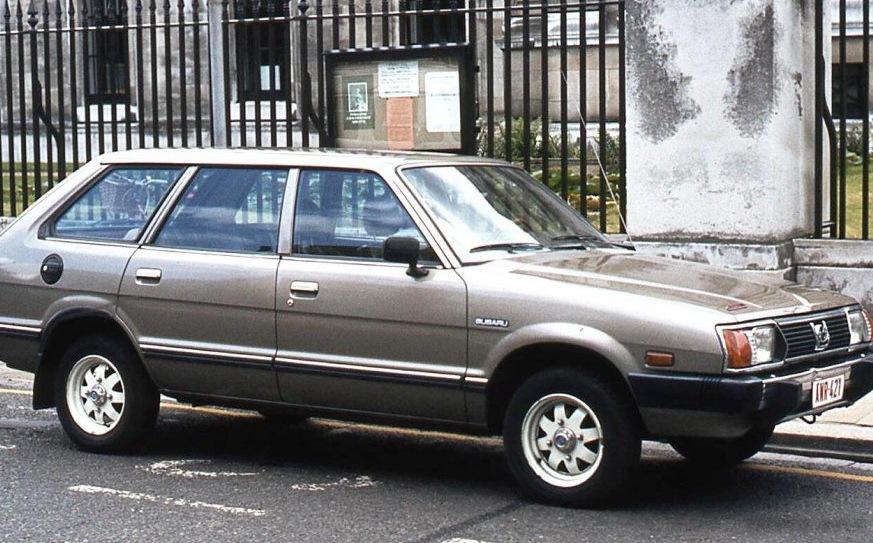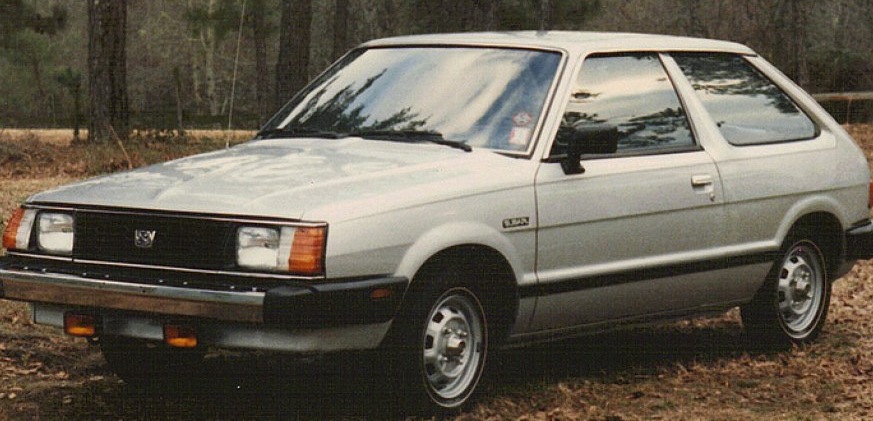
The Subaru Leone II Hatchback 1800 4WD, produced between 1980 and 1984, represents a significant step in Subaru’s development of all-wheel-drive passenger vehicles. Positioned as a practical and capable compact car, the Leone II aimed to provide reliable transportation with the added benefit of Subaru’s symmetrical all-wheel-drive system. This particular 1800cc, 80 horsepower variant with a four-wheel-drive configuration was a mainstay of the Leone II lineup, offering a balance between affordability and functionality, particularly in markets where inclement weather or rough road conditions were common. It was part of the second generation Leone, internally designated as the Leone II, and built upon the foundation laid by its predecessor, offering improvements in styling, comfort, and mechanical refinement.
Technical Specifications
| Brand | Subaru |
| Model | Leone |
| Generation | Leone II Hatchback |
| Type (Engine) | 1800 4WD (80 Hp) |
| Start of Production | 1980 |
| End of Production | 1984 |
| Powertrain Architecture | Internal Combustion Engine |
| Body Type | Hatchback |
| Seats | 5 |
| Doors | 3 |
| Fuel Type | Petrol (Gasoline) |
| Power | 80 Hp |
| Engine Model/Code | EA81 |
| Engine Aspiration | Naturally Aspirated |
| Engine Oil Capacity | 4 l (4.23 US qt | 3.52 UK qt) |
Powertrain & Engine Architecture
The heart of the Leone II 1800 4WD is the EA81 engine, a 1.8-liter (1785cc) naturally aspirated, horizontally opposed four-cylinder engine. This “boxer” engine design, a Subaru hallmark, contributes to a low center of gravity, enhancing stability and handling. The EA81 features a single overhead camshaft (SOHC) operating two valves per cylinder. Fuel delivery is managed by a carburetor, a common feature for vehicles of this era, rather than fuel injection. The carburetor provides adequate fuel atomization for the engine’s modest power output. The EA81 is known for its relative simplicity and durability, though it isn’t particularly powerful or fuel-efficient by modern standards. The engine produces 80 horsepower at approximately 5,200 rpm and 109 lb-ft of torque at 3,200 rpm. The Leone II 1800 4WD typically came equipped with either a 4-speed manual transmission or a 3-speed automatic transmission. The automatic transmission, while offering convenience, contributes to slightly reduced fuel economy and acceleration compared to the manual version.
Driving Characteristics
The driving experience in the Leone II 1800 4WD is characterized by its surefootedness, thanks to the symmetrical all-wheel-drive system. The 4WD system is primarily part-time, engaging automatically when wheel slippage is detected. This provides enhanced traction on slippery surfaces like snow, gravel, or mud. However, it’s not a sophisticated system like modern AWD setups; it’s designed for supplemental traction rather than performance driving. The 80 horsepower engine provides adequate, but not exhilarating, performance. Acceleration is modest, and highway passing requires careful planning. The 3-speed automatic transmission has relatively wide gear ratios, which can result in noticeable engine braking and a tendency to hunt for gears on inclines. The suspension is relatively soft, prioritizing ride comfort over sporty handling. Steering is somewhat vague by modern standards, but provides sufficient control for everyday driving. Compared to the manual transmission version, the automatic suffers a slight performance penalty, but offers a more relaxed driving experience, particularly in urban environments.
Equipment & Trim Levels
The Leone II 1800 4WD was generally offered with a fairly basic level of equipment, reflecting its position as an affordable compact car. Standard features typically included cloth upholstery, vinyl floor covering, and a basic AM/FM radio. The dashboard layout is functional and straightforward, with clearly marked gauges for speed, fuel level, and coolant temperature. Optional extras included a cassette player, upgraded upholstery, and a sunroof. Trim levels were relatively limited; the 1800 4WD was often offered as a single, well-equipped variant, with options being added individually. Interior space is reasonable for a compact hatchback, offering adequate room for five passengers, although rear legroom can be limited. The hatchback configuration provides a practical cargo area that can be expanded by folding down the rear seats.
Chassis & Braking
The Leone II utilizes a conventional body-on-frame construction, which was common for vehicles of this era. The suspension consists of independent front suspension with MacPherson struts and a live axle with leaf springs in the rear. This setup provides a comfortable ride, but doesn’t offer the same level of handling precision as more modern independent rear suspension designs. Braking is accomplished via drum brakes on all four wheels, which were standard for this class of vehicle at the time. The braking system is adequate for normal driving conditions, but lacks the stopping power and modulation of disc brakes. The Leone II 1800 4WD does not typically feature power steering, requiring more effort at low speeds. Stabilizer bars were not standard equipment on all models, and their presence can vary depending on the specific configuration.
Market Reception & Comparison
The Subaru Leone II 1800 4WD was generally well-received by automotive critics for its practicality, reliability, and all-wheel-drive capability. It was seen as a sensible choice for buyers seeking a compact car that could handle challenging weather conditions. Compared to other compact cars of the era, the Leone II’s all-wheel-drive system was a significant differentiator. However, its modest engine performance and basic interior appointments were often noted. Fuel economy was average for the time, typically around 22-26 mpg in combined driving. Compared to other Leone II variants, such as the 1.6-liter models, the 1800 offered a noticeable performance improvement, albeit at a slightly higher price point. The 1800 4WD was often seen as a step up from the base models, providing a better balance of power and capability.
Legacy
The Subaru Leone II 1800 4WD, while not a particularly groundbreaking vehicle, played an important role in establishing Subaru’s reputation for building durable, reliable, and capable all-wheel-drive cars. The EA81 engine, despite its limitations, proved to be a robust and long-lasting powerplant. Today, the Leone II 1800 4WD is a relatively rare sight on the roads, but it has a dedicated following among Subaru enthusiasts and classic car collectors. Parts availability can be challenging, but the engine’s simplicity makes it relatively easy to repair. Well-maintained examples are often sought after for their nostalgic appeal and unique combination of features. The Leone II laid the groundwork for Subaru’s future success in the all-wheel-drive market, paving the way for models like the Outback and Forester.