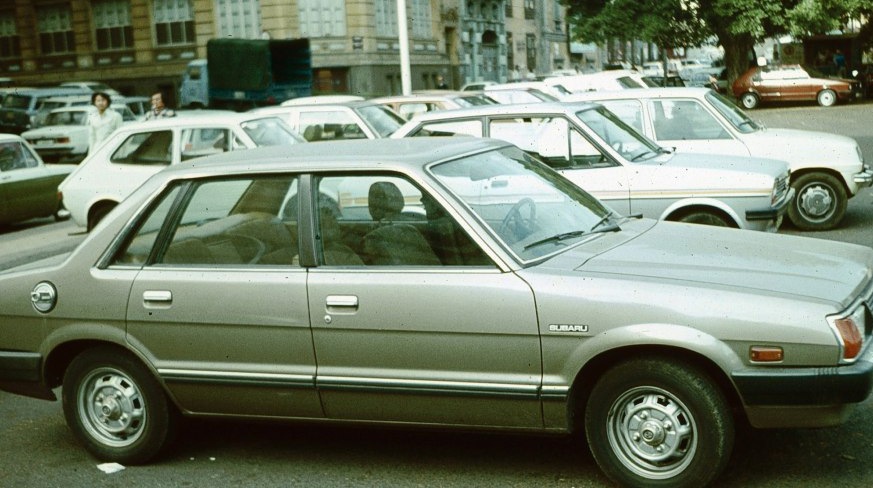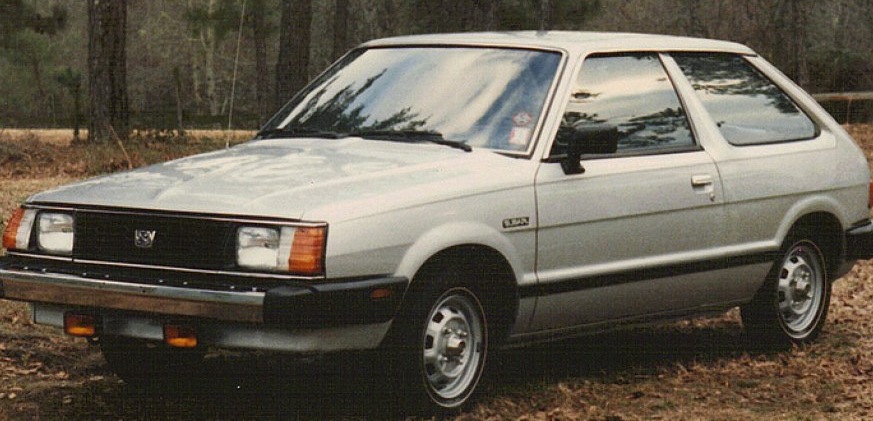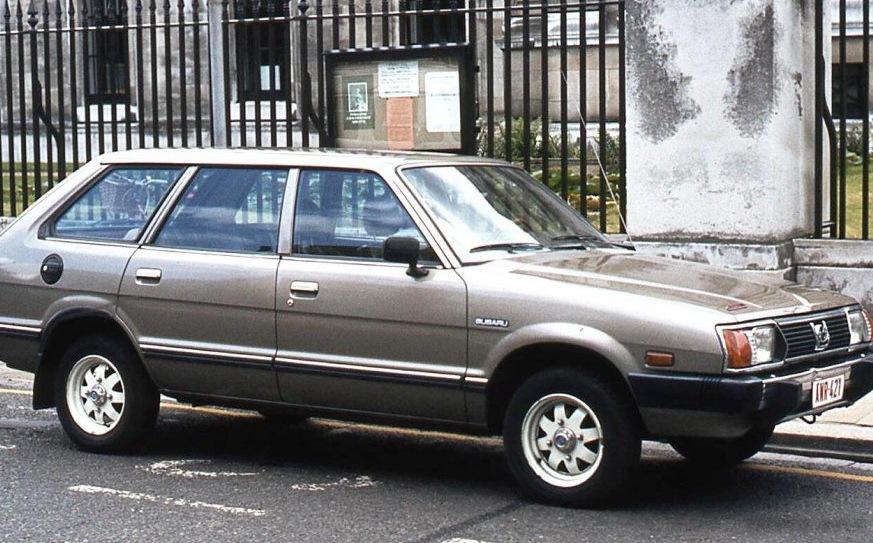
The Subaru Leone II Station Wagon 1300, produced between 1979 and 1984, represents a significant step in Subaru’s expansion into the global automotive market. Part of the second generation Leone (also known as the DL in some markets), this variant offered a practical and affordable family vehicle, particularly appealing to buyers seeking a compact station wagon with all-wheel drive capability – a feature relatively uncommon at the time. The 1300 model, powered by the EA65 engine, served as the entry point into the Leone II lineup, offering a balance of fuel economy and Subaru’s signature symmetrical all-wheel drive system. It was a key model in establishing Subaru’s reputation for durability and all-weather performance, especially in regions with challenging road conditions.
Technical Specifications
| Brand | Subaru |
| Model | Leone |
| Generation | Leone II Station Wagon |
| Type (Engine) | 1300 (61 Hp) |
| Start of Production | 1979 |
| End of Production | 1984 |
| Powertrain Architecture | Internal Combustion Engine |
| Body Type | Station Wagon (Estate) |
| Seats | 5 |
| Doors | 5 |
| Fuel Type | Petrol (Gasoline) |
| Power | 61 Hp |
| Engine Model/Code | EA65 |
| Engine Aspiration | Naturally Aspirated |
| Engine Oil Capacity | 3.5 l (3.7 US qt | 3.08 UK qt) |
Powertrain & Engine Architecture
The heart of the Leone II 1300 is the EA65, a 1.3-liter (1298 cc) naturally aspirated, horizontally opposed four-cylinder engine. This “boxer” engine design, a Subaru hallmark, contributes to a lower center of gravity, improving handling and stability. The EA65 utilizes a single overhead camshaft (SOHC) design operating two valves per cylinder. Fuel delivery is managed by a carburetor, a common feature for vehicles of this era, rather than fuel injection. The engine produces 61 horsepower at approximately 6000 rpm and 78 lb-ft of torque at 3600 rpm. The Leone II 1300 was typically paired with either a four-speed manual transmission or a three-speed automatic transmission. The automatic transmission, while offering convenience, was known for its relatively simple design and focus on durability rather than performance. The engine block is constructed from cast iron, contributing to its robustness, while the cylinder head is made of aluminum alloy.
Driving Characteristics
The 1300 engine in the Leone II Station Wagon delivers modest performance. Acceleration is best described as adequate for everyday driving, with a 0-60 mph time estimated around 16-18 seconds. The three-speed automatic transmission further softens acceleration, prioritizing smooth shifts over rapid gear changes. The gear ratios are geared towards fuel efficiency and relaxed cruising. The Leone II 1300’s strength lies not in outright speed, but in its all-wheel drive system. This provides significantly improved traction in slippery conditions – snow, gravel, or wet roads – compared to conventional two-wheel drive vehicles. The handling is predictable and stable, though not particularly sporty. The suspension, consisting of MacPherson struts in the front and a trailing arm setup in the rear, provides a comfortable ride, absorbing bumps and irregularities in the road surface effectively. Compared to the slightly more powerful 1.6-liter versions of the Leone II, the 1300 feels noticeably slower, especially when fully loaded with passengers and cargo. However, the 1300’s lighter weight and simpler engine contribute to better fuel economy.
Equipment & Trim Levels
The Leone II 1300, as the entry-level model, typically came with a fairly basic level of equipment. Standard features generally included cloth upholstery, vinyl floor covering, and a simple two-spoke steering wheel. The dashboard layout is functional and straightforward, with clearly marked gauges for speed, fuel level, and coolant temperature. Optional extras included a radio (often an AM/FM unit), upgraded upholstery, and a sunroof. Higher trim levels, such as the DL and GL, offered more luxurious features like upgraded interior trim, additional sound insulation, and more sophisticated audio systems. The 1300 model often featured steel wheels with hubcaps, while higher trims could be equipped with alloy wheels. Air conditioning was typically an optional extra, and not always standard even on higher trim levels.
Chassis & Braking
The Leone II Station Wagon utilizes a unibody construction, providing a good balance of strength and weight. The suspension system, as mentioned previously, consists of MacPherson struts in the front and a trailing arm setup in the rear. The 1300 model typically featured drum brakes on all four wheels, a cost-saving measure for the base model. Later models or those equipped with optional packages might have featured front disc brakes for improved stopping power. Steering is a recirculating ball system, providing a relatively direct feel, though it requires more effort than modern rack-and-pinion steering. The all-wheel drive system is a part-time system, engaging the rear wheels automatically when traction is lost. Stabilizer bars were not typically standard on the 1300 model, contributing to a slightly more pronounced body roll in corners compared to higher trim levels.
Market Reception & Comparison
The Subaru Leone II 1300 was generally well-received as a practical and reliable family vehicle. Critics praised its all-wheel drive capability, particularly in regions prone to inclement weather. However, the 1300 engine was often criticized for its lack of power, especially when compared to competitors offering larger displacement engines. Fuel economy was a strong point, averaging around 28-32 mpg in mixed driving conditions. Compared to the 1.6-liter Leone II models, the 1300 offered a more affordable entry point into the Subaru lineup, but at the expense of performance. The 1.6-liter models were favored by buyers who prioritized acceleration and overall driving enjoyment. The Leone II 1300 competed with other compact station wagons of the era, such as the Toyota Corolla Wagon, the Datsun 510 Wagon, and the Volkswagen Variant. The Subaru’s all-wheel drive system gave it a distinct advantage in terms of all-weather capability.
Legacy
The Subaru Leone II 1300, while not the most powerful or luxurious vehicle of its time, played a crucial role in establishing Subaru’s reputation for durability, reliability, and all-wheel drive technology. The EA65 engine, while simple in design, proved to be remarkably robust and long-lasting. Today, well-maintained examples of the Leone II 1300 are becoming increasingly sought after by collectors and enthusiasts. The automatic transmission, while not known for its performance, is generally considered to be reliable if properly maintained. Common issues with these vehicles include carburetor problems, rust (particularly in regions with harsh winters), and wear and tear on suspension components. Parts availability can be challenging, but many components are still available through specialist Subaru parts suppliers. The Leone II 1300 remains a testament to Subaru’s commitment to building practical and dependable vehicles, and a significant piece of automotive history.