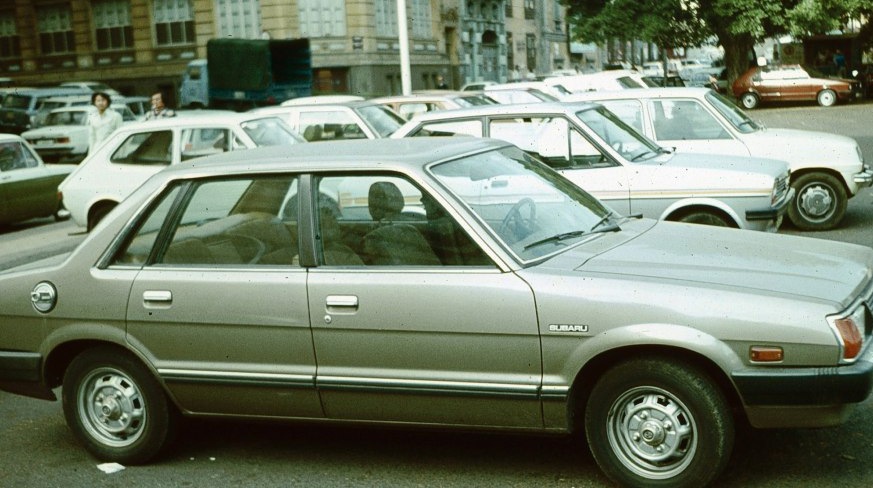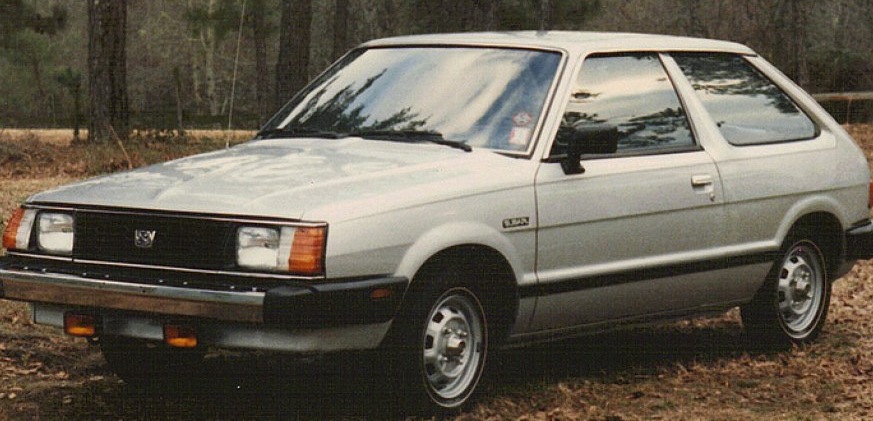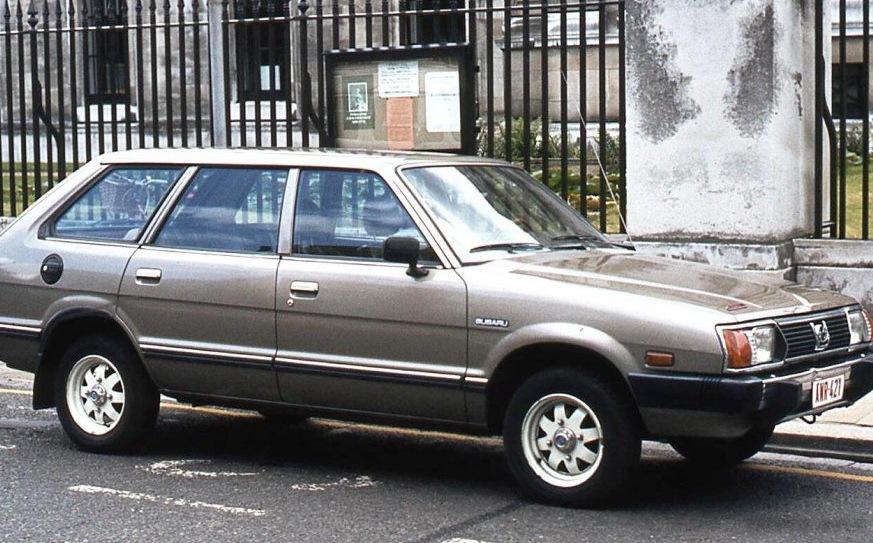
The Subaru Leone II Station Wagon 1600 4WD, produced between 1979 and 1984, represents a significant step in Subaru’s development of all-wheel-drive passenger vehicles. Positioned as a practical and capable family vehicle, this variant of the Leone II offered a blend of affordability, utility, and Subaru’s signature symmetrical all-wheel-drive system. It was a key model in establishing Subaru’s foothold in markets seeking vehicles capable of handling varied weather conditions and light off-road use. The Leone II, built on Subaru’s new-for-1979 platform, aimed to provide a more refined and spacious alternative to earlier Leone models, while maintaining the brand’s commitment to durable, reliable transportation.
Technical Specifications
| Brand | Subaru |
| Model | Leone |
| Generation | Leone II Station Wagon |
| Type (Engine) | 1600 4WD (71 Hp) |
| Start of Production | 1979 |
| End of Production | 1984 |
| Powertrain Architecture | Internal Combustion Engine |
| Body Type | Station Wagon (Estate) |
| Seats | 5 |
| Doors | 5 |
| Fuel Type | Petrol (Gasoline) |
| Power | 71 Hp |
| Engine Model/Code | EA71 |
| Engine Aspiration | Naturally Aspirated |
| Engine Oil Capacity | 3.6 l (3.8 US qt | 3.17 UK qt) |
Powertrain & Engine Architecture
The heart of the Leone II 1600 4WD is the EA71 engine, a 1.6-liter, naturally aspirated, horizontally opposed four-cylinder engine. This “boxer” engine design, a Subaru hallmark, contributes to a low center of gravity, enhancing stability and handling. The EA71 featured a simple, robust design with a single overhead camshaft (SOHC) operating two valves per cylinder. Fuel delivery was managed by a carburetor, typical for vehicles of this era, rather than fuel injection. The carburetor system, while less precise than modern fuel injection, was known for its relative simplicity and ease of maintenance. The engine produced 71 horsepower at approximately 5,200 rpm and around 98 lb-ft of torque at 3,200 rpm. The engine’s relatively low output was a characteristic of the time, prioritizing fuel economy and durability over outright performance.
The transmission paired with the EA71 in this variant was a four-speed automatic. This automatic transmission was chosen to appeal to buyers seeking convenience and ease of driving, particularly in urban environments. While the automatic offered smooth operation, it did come at the cost of some performance and fuel efficiency compared to the available five-speed manual transmission. The all-wheel-drive system was a part-time system, engaging the front wheels under normal driving conditions and automatically engaging the rear wheels when wheel slip was detected. This system provided enhanced traction in slippery conditions without the complexity and fuel consumption of a full-time all-wheel-drive setup.
Driving Characteristics
The Leone II 1600 4WD with the automatic transmission offered a comfortable, if not particularly exhilarating, driving experience. Acceleration was modest, with a 0-60 mph time estimated to be around 16-18 seconds. The automatic transmission’s gear ratios were geared towards fuel economy and smooth cruising, rather than quick acceleration. The all-wheel-drive system provided noticeable improvements in traction on loose surfaces like gravel, snow, and mud, making it a capable vehicle for navigating challenging road conditions. However, the part-time system meant that the Leone wasn’t designed for sustained off-road use. The steering was relatively light, making it easy to maneuver in tight spaces, but lacked the precision of more modern steering systems. The suspension, consisting of MacPherson struts in the front and a trailing arm setup in the rear, provided a reasonably comfortable ride, absorbing bumps and imperfections in the road surface.
Equipment & Trim Levels
The Leone II 1600 4WD Automatic was generally positioned as a mid-range trim level within the Leone II lineup. Standard equipment typically included cloth upholstery, a basic AM/FM radio, and manual windows and door locks. The interior was functional and durable, prioritizing practicality over luxury. Optional extras included a sunroof, upgraded audio systems, and air conditioning. The dashboard layout was straightforward, with clearly labeled controls and a simple instrument cluster. The station wagon body style offered ample cargo space, making it a practical choice for families and those needing to transport larger items. Exterior features included steel wheels with hubcaps, and relatively basic exterior trim.
Chassis & Braking
The Leone II’s chassis was a body-on-frame construction, providing a robust and durable platform. The front suspension utilized MacPherson struts, while the rear employed a trailing arm setup with coil springs. This suspension configuration provided a reasonable balance between ride comfort and handling. Braking duties were handled by disc brakes in the front and drum brakes in the rear. The braking system was adequate for the vehicle’s weight and performance, but lacked the stopping power and modulation of more advanced braking systems. The steering system was a recirculating ball type, providing relatively light steering effort but lacking the precision of rack-and-pinion steering.
Market Reception & Comparison
The Subaru Leone II 1600 4WD Automatic was generally well-received by critics and consumers alike. It was praised for its practicality, reliability, and all-wheel-drive capability. However, the engine’s modest power output and the automatic transmission’s impact on fuel economy were often cited as drawbacks. Compared to other trims in the Leone II lineup, such as the 1.8-liter models or those with the five-speed manual transmission, the 1600 Automatic offered a more relaxed and convenient driving experience, but at the expense of performance. It competed with other compact station wagons of the era, such as the Toyota Corolla Wagon and the Datsun 510 Wagon, offering a unique selling point with its standard all-wheel-drive system.
Legacy
The Subaru Leone II 1600 4WD Automatic, while not a high-performance vehicle, played a crucial role in establishing Subaru’s reputation for building durable, reliable, and capable all-wheel-drive vehicles. The EA71 engine, while simple, proved to be remarkably robust and long-lasting. Today, these vehicles are relatively rare, but those that remain are often sought after by Subaru enthusiasts and collectors. The Leone II’s legacy lies in its contribution to the development of Subaru’s all-wheel-drive technology and its role in building the brand’s loyal following. Finding parts can be challenging, but the relative simplicity of the vehicle makes it a viable project for mechanically inclined owners. The Leone II 1600 4WD Automatic remains a testament to Subaru’s commitment to building practical and dependable vehicles for a wide range of drivers.