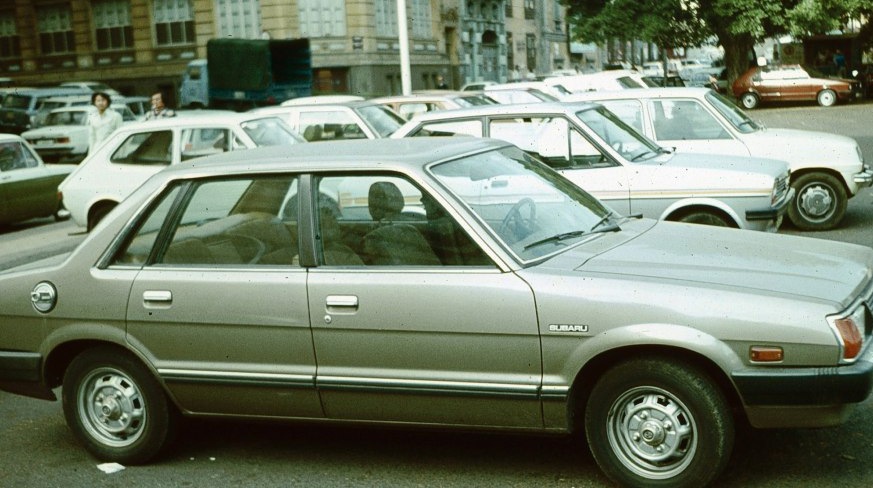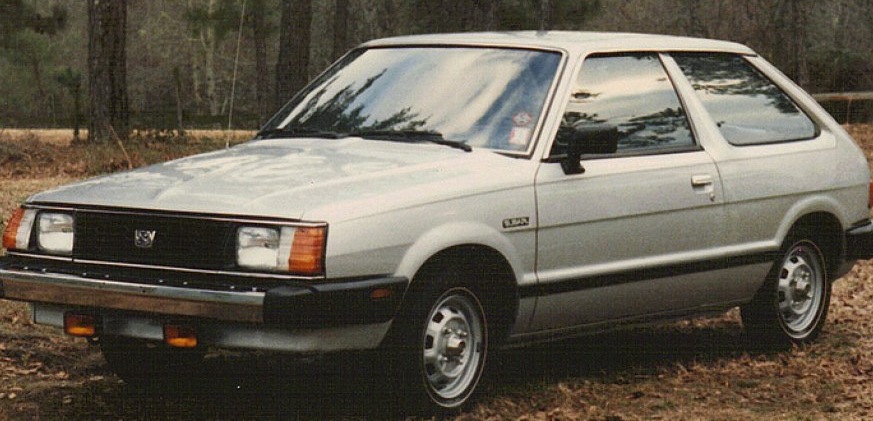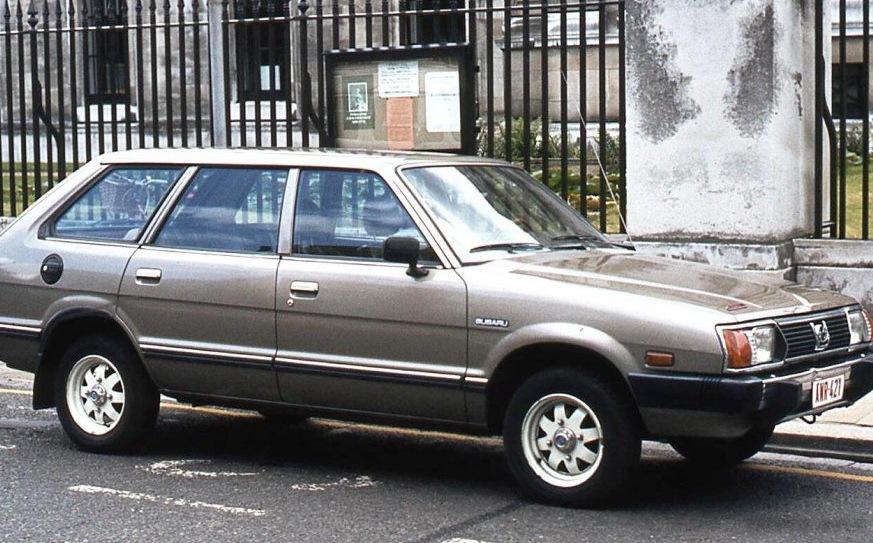
The Subaru Leone II Station Wagon 1600, producing 86 horsepower, was a key model in Subaru’s lineup from 1979 to 1984. Representing the second generation of the Leone, this station wagon played a significant role in establishing Subaru’s reputation for durable, all-weather capable vehicles, particularly in markets outside of North America where it was often seen as a practical and reliable family car. It was built upon Subaru’s ongoing development of rear-wheel drive and eventually all-wheel drive technology, offering a blend of affordability and utility. This variant, with its 1.6-liter engine and typically a four-speed manual or three-speed automatic transmission, occupied a middle ground in the Leone II range, positioned between the smaller 1.4-liter models and the more powerful 1.8-liter versions.
Technical Specifications
| Brand | Subaru |
| Model | Leone |
| Generation | Leone II Station Wagon |
| Type (Engine) | 1600 (86 Hp) |
| Start of Production | 1979 |
| End of Production | 1984 |
| Powertrain Architecture | Internal Combustion Engine |
| Body Type | Station Wagon (Estate) |
| Seats | 5 |
| Doors | 5 |
| Fuel Type | Petrol (Gasoline) |
| Power | 86 Hp |
| Engine Model/Code | EA71 |
| Engine Aspiration | Naturally Aspirated |
| Engine Oil Capacity | 3.5 l (3.7 US qt | 3.08 UK qt) |
Powertrain & Engine Architecture
The heart of the Leone II 1600 was the EA71 engine, a 1.6-liter (1584 cc) naturally aspirated, horizontally opposed four-cylinder engine. This “boxer” engine design, a Subaru hallmark, provided a low center of gravity, contributing to the car’s handling characteristics. The EA71 featured a single overhead camshaft (SOHC) operating two valves per cylinder. Fuel delivery was managed by a carburetor, a common feature for vehicles of this era. While not particularly sophisticated by modern standards, the carburetor provided reliable fuel atomization for the engine’s needs. The engine produced 86 horsepower at approximately 6,000 rpm and 98 lb-ft of torque at 3,600 rpm. The Leone II 1600 was available with either a four-speed manual transmission or a three-speed automatic transmission. The automatic, while offering convenience, was known for its relatively conservative gearing, prioritizing fuel economy over outright acceleration. The engine block was constructed from cast iron, known for its durability, while the cylinder head was made of aluminum alloy to reduce weight.
Driving Characteristics
The driving experience in the Leone II 1600 was characterized by practicality and ease of use. The 86 horsepower engine provided adequate, though not exhilarating, performance. Acceleration was modest, particularly with the three-speed automatic transmission. The automatic transmission’s gear ratios were spaced to favor fuel efficiency, resulting in a noticeable delay during kickdown for passing maneuvers. The manual transmission offered a more engaging driving experience, allowing the driver to better utilize the engine’s available power. Handling was generally considered safe and predictable, thanks to the low center of gravity afforded by the boxer engine. The rear-wheel drive configuration provided a balanced feel, although it lacked the all-weather capability of Subaru’s later all-wheel drive systems. The suspension, consisting of independent front suspension with MacPherson struts and a live axle with leaf springs in the rear, provided a comfortable ride, absorbing bumps and imperfections in the road surface reasonably well.
Equipment & Trim Levels
The Leone II 1600 station wagon was typically equipped with basic, functional features. Standard equipment generally included cloth upholstery, vinyl floor covering, and a simple dashboard layout. The instrument cluster typically featured a speedometer, odometer, fuel gauge, and temperature gauge. Power steering and air conditioning were often optional extras, depending on the market and trim level. Higher trim levels might include features such as upgraded upholstery, a more comprehensive instrument panel, and a radio. The interior was designed with practicality in mind, offering ample space for passengers and cargo. The rear seats could be folded down to increase cargo capacity, making the Leone II 1600 a versatile vehicle for families and those needing to transport larger items.
Chassis & Braking
The Leone II 1600 utilized a body-on-frame construction, a common practice for station wagons of the era. This construction method provided a robust and durable chassis. The front suspension featured independent MacPherson struts, while the rear suspension employed a live axle with leaf springs. This setup provided a good balance between ride comfort and load-carrying capacity. Braking was typically accomplished with disc brakes on the front wheels and drum brakes on the rear wheels. The braking system was adequate for the vehicle’s weight and performance, but lacked the sophistication of more modern braking systems. Steering was manual rack and pinion, providing a direct and responsive feel. The tires were typically steel-belted radials, offering a good compromise between grip and durability.
Market Reception & Comparison
The Subaru Leone II 1600 station wagon was generally well-received in its target markets. Critics praised its reliability, practicality, and fuel efficiency. However, some reviewers noted its modest performance and relatively basic interior. Compared to other station wagons of the time, such as the Toyota Corolla Wagon or the Datsun 510 Wagon, the Leone II 1600 offered a unique combination of features, including the horizontally opposed engine and a reputation for durability. The 1.6-liter engine provided a noticeable improvement in performance over the smaller 1.4-liter models, while remaining more affordable than the 1.8-liter versions. Fuel economy was competitive for the era, typically ranging from 25 to 30 miles per gallon. The automatic transmission version, while convenient, sacrificed some performance and fuel economy compared to the manual transmission model.
Legacy
The Subaru Leone II 1600, while not a groundbreaking vehicle, played an important role in establishing Subaru’s brand identity. Its durable engine and robust construction contributed to its long-term reliability, and many examples remain on the road today. The EA71 engine, while simple in design, proved to be remarkably resilient, capable of withstanding years of use with proper maintenance. In the used car market, the Leone II 1600 is often sought after by enthusiasts and collectors who appreciate its classic styling and mechanical simplicity. Parts availability can be a challenge, but many components are still available through specialist suppliers. The Leone II 1600 represents a significant chapter in Subaru’s history, showcasing the company’s commitment to building durable, practical, and reliable vehicles.