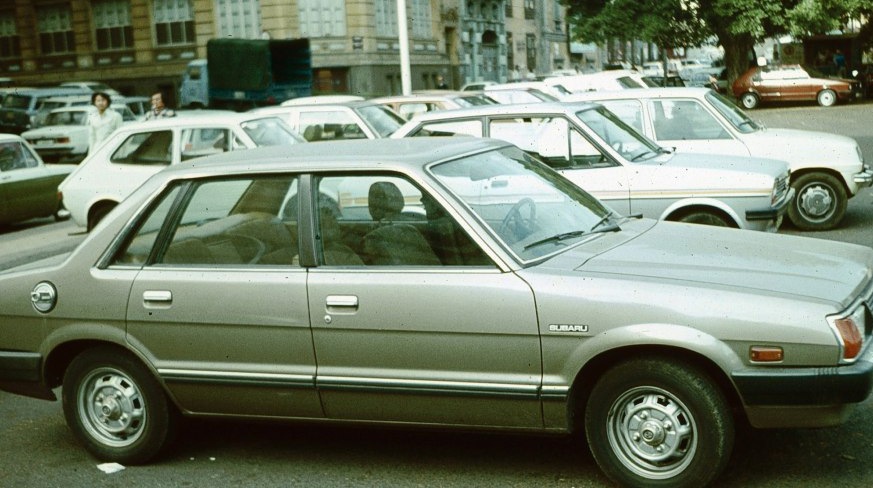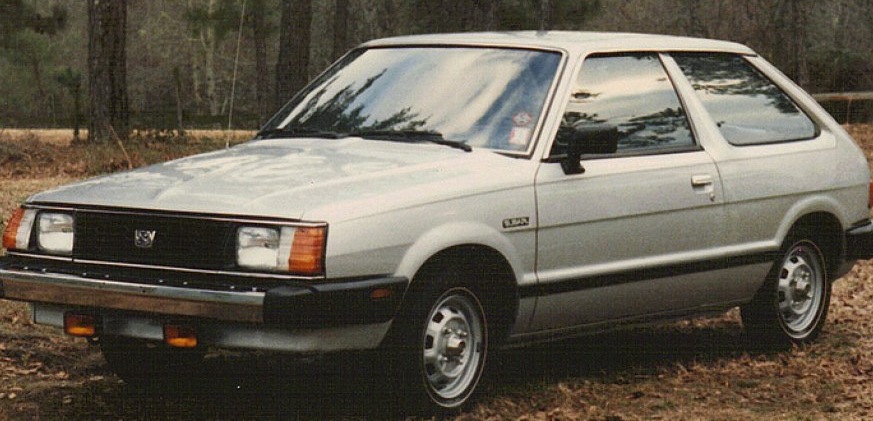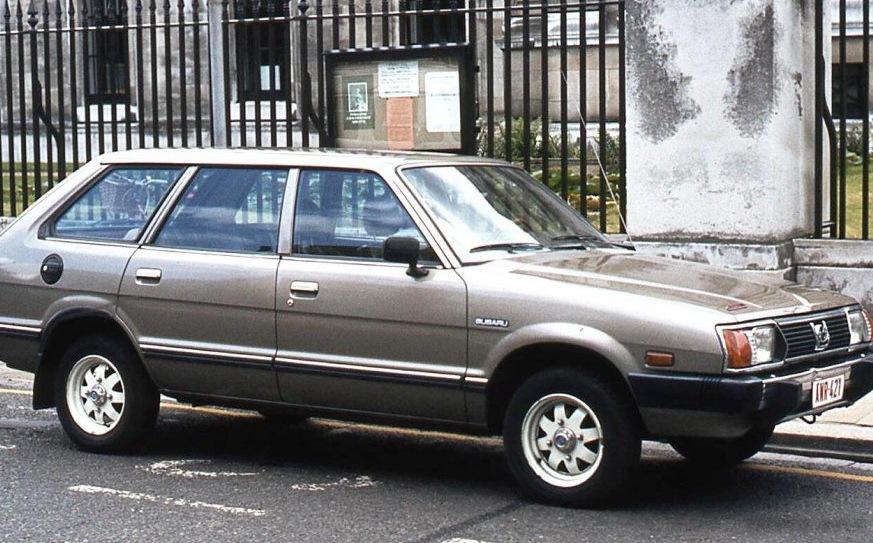
The Subaru Leone II Station Wagon 1800 Super 4WD (AM, AJ) represents a significant iteration in Subaru’s early foray into all-wheel-drive passenger vehicles. Produced between 1980 and 1984, this variant occupied a middle ground within the Leone II lineup, offering a blend of practicality, modest performance, and Subaru’s burgeoning symmetrical all-wheel-drive technology. It was a key model for establishing Subaru’s reputation for ruggedness and capability, particularly in markets where inclement weather and challenging road conditions were prevalent. While not the most powerful Leone II available, the 1800 Super 4WD catered to buyers seeking a versatile family vehicle with enhanced traction.
Technical Specifications
| Brand | Subaru |
| Model | Leone |
| Generation | Leone II Station Wagon |
| Type (Engine) | 1800 Super 4WD (AM, AJ) (82 Hp) |
| Start of production | 1980 |
| End of production | 1984 |
| Powertrain Architecture | Internal Combustion engine |
| Body type | Station wagon (estate) |
| Seats | 5 |
| Doors | 5 |
| Fuel Type | Petrol (Gasoline) |
| Power | 82 Hp |
| Engine Model/Code | EA81 |
| Engine aspiration | Naturally aspirated engine |
| Engine oil capacity | 4 l (4.23 US qt | 3.52 UK qt) |
Powertrain & Engine Architecture
The heart of the Leone II 1800 Super 4WD is the EA81 1.8-liter flat-four (horizontally opposed) engine. This engine, a hallmark of Subaru’s engineering philosophy, was chosen for its compact size, low center of gravity, and inherent balance. The EA81 featured a single overhead camshaft (SOHC) design, operating two valves per cylinder. Fuel delivery was managed by a carburetor, a common feature for vehicles of this era. While not particularly powerful by modern standards, the EA81 provided adequate torque for everyday driving and, crucially, was relatively reliable. The engine’s flat configuration contributed to a lower center of gravity, enhancing stability. The transmission paired with the EA81 in this variant was typically a three-speed automatic. This automatic transmission, while offering convenience, was not known for its responsiveness or fuel efficiency compared to the available four-speed manual. The 4WD system was a part-time system, allowing the driver to engage or disengage all-wheel drive as needed, typically via a lever or button located within the cabin.
Driving Characteristics
The driving experience in the Leone II 1800 Super 4WD was characterized by its surefootedness, particularly on slippery surfaces. The all-wheel-drive system provided significantly improved traction compared to two-wheel-drive competitors. However, the 82 horsepower output and the three-speed automatic transmission meant that acceleration was modest. Passing maneuvers required careful planning, and the vehicle felt strained when fully loaded or climbing steep hills. The automatic transmission’s gear ratios were geared more towards fuel economy than performance. Steering was relatively light, making it easy to maneuver in urban environments, but lacked the precision found in more modern vehicles. The suspension, while comfortable enough for everyday use, was not particularly sporty, resulting in some body roll during cornering. Compared to the manual transmission versions of the 1800, the automatic suffered a noticeable performance penalty. The higher-output versions of the Leone II, such as those equipped with larger engines, offered a more engaging driving experience, but at a higher price point.
Equipment & Trim Levels
The “Super” designation in the 1800 Super 4WD indicated a step up in trim level compared to the base Leone II models. Standard features typically included cloth upholstery, a basic AM/FM radio, and a heater/defroster system. The interior was functional and durable, prioritizing practicality over luxury. Optional extras available for this trim could include a sunroof, upgraded audio systems, and power windows, though these were not commonly equipped. The dashboard layout was simple and straightforward, with clearly labeled controls. The Leone II’s interior space was a key selling point, offering ample room for passengers and cargo. The station wagon body style further enhanced its practicality, providing a large and accessible cargo area.
Chassis & Braking
The Leone II Station Wagon utilized a body-on-frame construction, a common practice for vehicles of this era. This construction method contributed to the vehicle’s durability and off-road capability. The suspension consisted of independent front suspension with MacPherson struts and a live axle with leaf springs in the rear. Braking was typically accomplished with disc brakes on the front wheels and drum brakes on the rear. Steering was a recirculating ball system, providing a relatively simple and reliable steering experience. The chassis was designed to accommodate the all-wheel-drive system without compromising ground clearance. Stabilizer bars were often included, though their thickness varied depending on the specific market and trim level.
Market Reception & Comparison
The Subaru Leone II 1800 Super 4WD was generally well-received by automotive critics as a practical and capable family vehicle. Its all-wheel-drive system was praised for providing enhanced traction and safety in adverse weather conditions. However, the engine’s modest power output and the automatic transmission’s lack of responsiveness were often cited as drawbacks. Compared to other station wagons of the time, such as the Ford Fairmont or the Chevrolet Citation, the Leone II offered a unique combination of all-wheel-drive capability and fuel efficiency. The 1.8L automatic variant was positioned as a comfortable and convenient option for buyers who prioritized practicality over performance. The manual transmission versions of the Leone II were favored by enthusiasts seeking a more engaging driving experience, while the larger-engined models appealed to those who needed more power.
Legacy
The Subaru Leone II 1800 Super 4WD played a crucial role in establishing Subaru’s reputation for building reliable and capable all-wheel-drive vehicles. The EA81 engine, while not without its quirks, proved to be a durable and long-lasting powerplant. Today, the Leone II is considered a classic vehicle, and well-maintained examples are sought after by collectors and Subaru enthusiasts. The 1800 Super 4WD automatic variant, while not the most desirable trim level, remains a viable option for those seeking a vintage Subaru with all-wheel-drive capability. Parts availability can be a challenge, but a dedicated community of Subaru enthusiasts continues to support these vehicles. The Leone II’s legacy extends beyond its mechanical attributes; it represents a pivotal moment in Subaru’s history, laying the foundation for the company’s future success in the all-wheel-drive market.