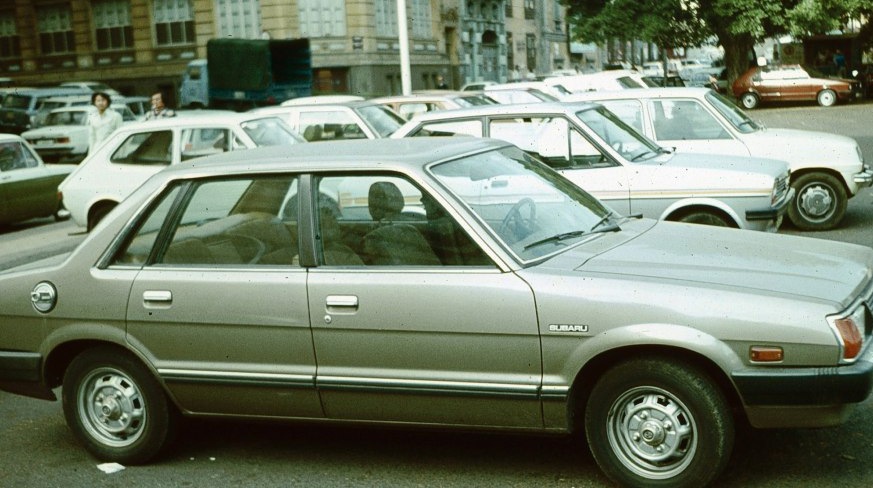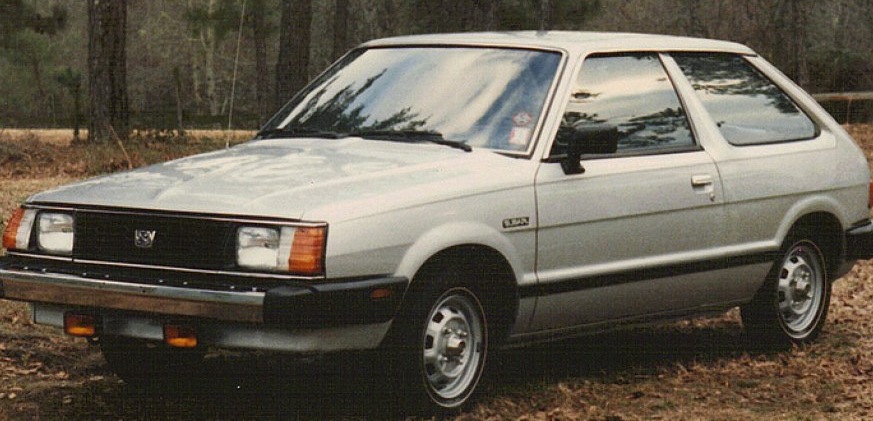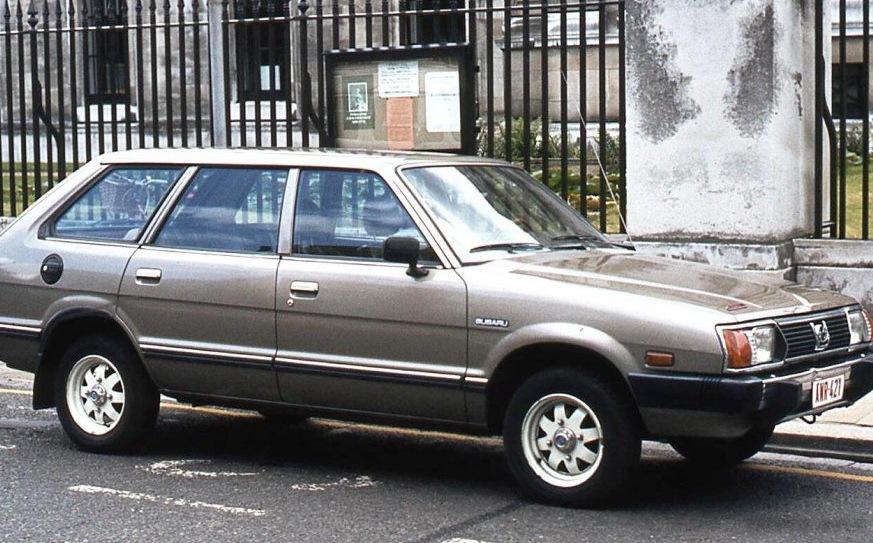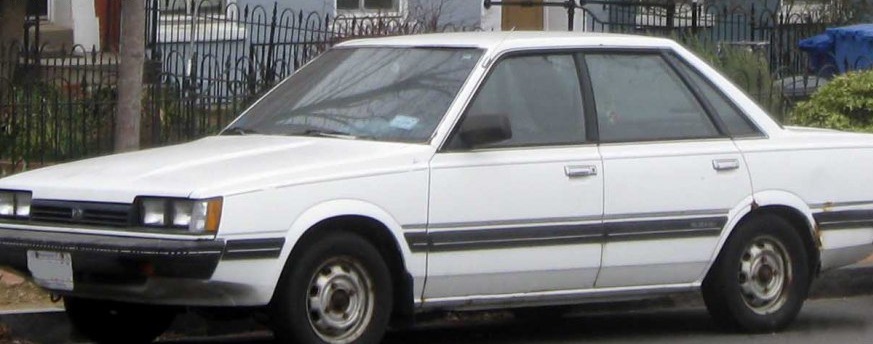
The Subaru Leone III 1300, produced between 1984 and 1986, represents a significant iteration in Subaru’s early foray into the compact car market. Falling within the Leone III generation (often referred to as the EA series), this 65 horsepower variant served as the entry point to the Leone lineup, primarily aimed at buyers seeking economical and reliable transportation. It was a key model in Subaru’s strategy to broaden its appeal beyond its traditional all-wheel-drive, outdoorsy image, though all-wheel drive remained an available option. The Leone III, and specifically this 1300cc model, played a crucial role in establishing Subaru’s presence in various international markets, including North America, Australia, and Europe.
Technical Specifications
| Brand | Subaru |
| Model | Leone |
| Generation | Leone III |
| Type (Engine) | 1300 (65 Hp) |
| Start of production | 1984 |
| End of production | 1986 |
| Powertrain Architecture | Internal Combustion Engine |
| Body type | Sedan |
| Seats | 5 |
| Doors | 4 |
| Fuel Type | Petrol (Gasoline) |
| Power | 65 Hp |
| Engine Model/Code | EA65 |
| Engine aspiration | Naturally Aspirated |
| Engine oil capacity | 4 l (4.23 US qt | 3.52 UK qt) |
Powertrain & Engine Architecture
The heart of the Leone III 1300 is the EA65 engine, a 1.3-liter (1298 cc) naturally aspirated, horizontally opposed four-cylinder engine. This “boxer” engine configuration, a Subaru hallmark, contributes to a low center of gravity, enhancing handling characteristics. The EA65 utilizes a single overhead camshaft (SOHC) design operating two valves per cylinder. Fuel delivery is managed by a carburetor, a common feature for vehicles of this era, rather than fuel injection. This carburetor setup, while simple and reliable, contributes to the engine’s modest power output. The EA65 engine is known for its relative simplicity, making it easier to maintain and repair compared to more complex engine designs. The engine’s block and cylinder heads are constructed from cast iron, providing durability, while the crankshaft is forged steel. While a five-speed manual transmission was standard, a three-speed automatic transmission was offered as an option, significantly impacting the vehicle’s acceleration and fuel economy. The automatic transmission was a Jatco-sourced unit, common in many Japanese vehicles of the period.
Driving Characteristics
The 1300’s driving experience is best described as practical and unpretentious. With only 65 horsepower on tap, acceleration is leisurely, particularly with the three-speed automatic transmission. The automatic transmission’s gear ratios are geared towards fuel efficiency rather than performance. The car feels most comfortable at moderate speeds on level roads. The boxer engine provides a unique engine note and contributes to a smoother power delivery compared to inline engines. The Leone III’s suspension, consisting of MacPherson struts in the front and a trailing arm setup in the rear, provides a reasonably comfortable ride, absorbing bumps and imperfections in the road surface adequately. However, the car’s handling is not particularly sporty, with noticeable body roll during cornering. The steering is relatively light, making it easy to maneuver in urban environments. Compared to the later, more powerful 1.6-liter and 1.8-liter Leone variants, the 1300 feels significantly underpowered, especially when fully loaded with passengers and cargo. The manual transmission version offered a more engaging driving experience and slightly improved acceleration.
Equipment & Trim Levels
The Leone III 1300, as the entry-level model, was typically equipped with basic amenities. Standard features generally included cloth upholstery, vinyl floor covering, and a simple dashboard layout. The instrument cluster typically featured a speedometer, odometer, and fuel gauge. A basic AM radio was often included, with an optional cassette player available. Power steering and air conditioning were generally not standard on the 1300 and were offered as optional extras. Trim levels varied depending on the market, but generally, the 1300 was offered in a single, relatively basic trim. Exterior features typically included steel wheels with hubcaps, black plastic bumpers, and relatively simple exterior trim. The interior plastics were durable but lacked the refinement of higher-end models. Optional extras included upgraded audio systems, tinted glass, and a sunroof.
Chassis & Braking
The Leone III 1300 utilizes a body-on-frame construction, a common practice for vehicles of this era. This construction method contributes to the car’s durability but also adds to its weight. The front suspension features MacPherson struts with coil springs and a stabilizer bar, while the rear suspension employs a trailing arm setup with coil springs. Braking duties are handled by disc brakes in the front and drum brakes in the rear. The braking system is adequate for normal driving conditions but lacks the stopping power of more modern vehicles. The steering system is a recirculating ball type, providing a relatively simple and reliable steering experience. The chassis is designed to provide a balance between ride comfort and handling, but it is not particularly sophisticated. The availability of all-wheel drive (AWD) was a significant feature of the Leone III, even on the 1300 model, offering improved traction in adverse weather conditions. However, the AWD system added to the vehicle’s weight and complexity.
Market Reception & Comparison
The Subaru Leone III 1300 was generally well-received as an affordable and reliable compact car. Critics praised its fuel efficiency and durability, but noted its lack of performance. Compared to its siblings, such as the 1.6-liter and 1.8-liter models, the 1300 offered a more economical option, but at the expense of power and refinement. The 1.6-liter engine provided a noticeable improvement in performance, while the 1.8-liter engine offered even more power and a more refined driving experience. The 1300’s fuel economy was generally better than the larger-engined models, making it an attractive option for budget-conscious buyers. In terms of reliability, the 1300 proved to be a durable and dependable vehicle, with relatively few major mechanical issues. However, the carburetor required periodic maintenance and adjustment to ensure optimal performance.
Legacy
The Subaru Leone III 1300, while not the most powerful or sophisticated vehicle in its class, holds a significant place in Subaru’s history. It helped to establish the brand as a maker of reliable and affordable cars. The EA65 engine, while simple, proved to be a durable and long-lasting powerplant. Today, the Leone III 1300 is a relatively rare sight on the roads, but it remains a popular choice among Subaru enthusiasts and collectors. The car’s simplicity and affordability make it an attractive option for restoration projects. Parts availability can be a challenge, but many components are still available through specialist suppliers. The Leone III 1300’s legacy lies in its contribution to Subaru’s growth and its reputation for building durable and reliable vehicles.