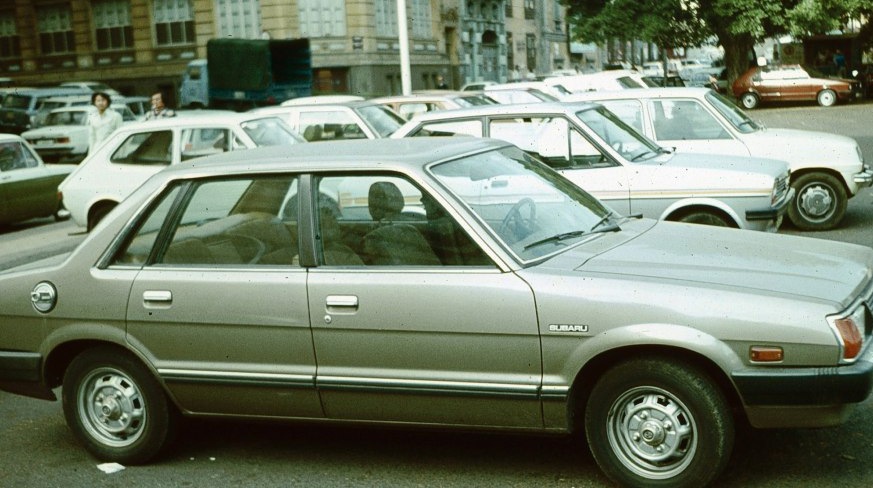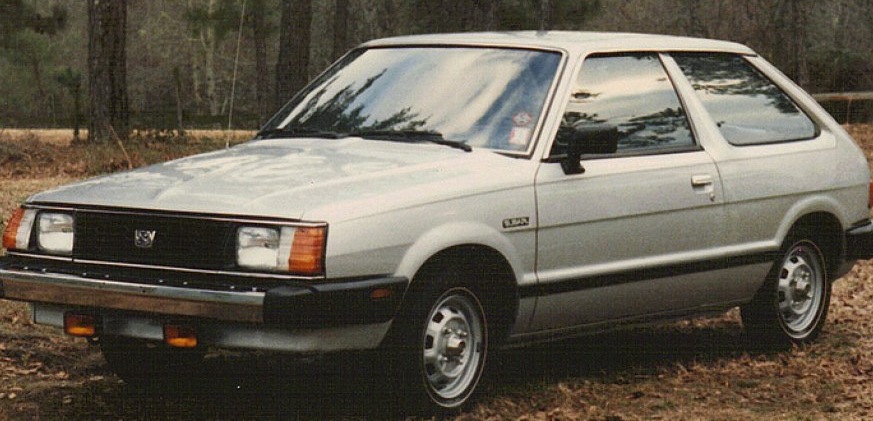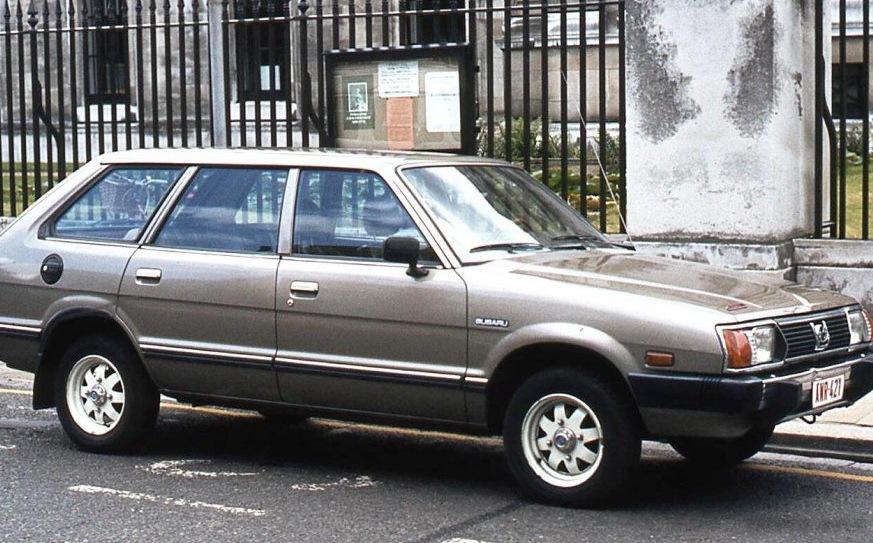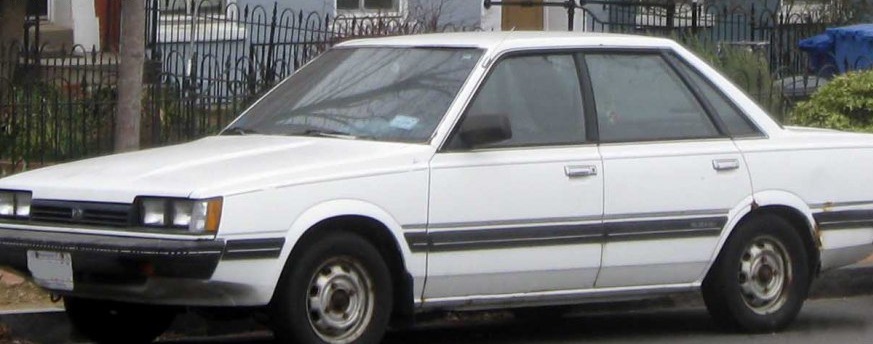
The Subaru Leone III 1800 4WD, produced between 1988 and 1990, represents a significant iteration in Subaru’s long-standing commitment to all-wheel drive passenger vehicles. Positioned as a mid-range offering within the Leone III generation (internally designated as the second series), this variant aimed to provide a balance of practicality, all-weather capability, and reasonable fuel economy for the North American and European markets. The Leone, known as the Domingo in Japan, served as Subaru’s mainstay compact car, competing with vehicles like the Toyota Corolla and Honda Civic, but distinguished by its standard all-wheel drive system. This 1800 4WD model was a key component in establishing Subaru’s reputation for robust, reliable, and capable vehicles, particularly in regions experiencing inclement weather.
Technical Specifications
| Brand | Subaru |
| Model | Leone |
| Generation | Leone III |
| Type (Engine) | 1800 4WD (120 Hp) |
| Start of production | 1988 |
| End of production | 1990 |
| Powertrain Architecture | Internal Combustion Engine |
| Body type | Sedan |
| Seats | 5 |
| Doors | 4 |
| Fuel Type | Petrol (Gasoline) |
| Power | 120 Hp |
| Engine Model/Code | EA82 |
| Engine aspiration | Naturally aspirated |
| Engine oil capacity | 4 l (4.23 US qt | 3.52 UK qt) |
Powertrain & Engine Architecture
The heart of the Leone III 1800 4WD is the EA82 engine, a 1.8-liter (1781 cc) naturally aspirated, horizontally opposed four-cylinder engine – a hallmark of Subaru’s engineering philosophy. This “boxer” engine configuration, with its pistons moving horizontally, contributes to a lower center of gravity, enhancing stability and handling. The EA82 featured a single overhead camshaft (SOHC) design operating two valves per cylinder. Fuel delivery was managed by a multi-point fuel injection system, a significant upgrade from the carburetors used in earlier Leone models, improving efficiency and reducing emissions. The engine produced 120 horsepower at approximately 5200 rpm and 109 lb-ft of torque at 3600 rpm.
The transmission paired with the EA82 in this variant was a four-speed automatic. While not known for its sporty performance, this automatic transmission provided smooth and convenient operation, appealing to a broader range of drivers. The automatic transmission was selected to provide ease of use, particularly in challenging driving conditions where the all-wheel drive system was most beneficial. The transmission’s gear ratios were geared towards fuel efficiency and everyday drivability rather than outright acceleration.
Driving Characteristics
The Leone III 1800 4WD, with its 120 hp and automatic transmission, offered a comfortable and predictable driving experience. Acceleration was adequate for merging onto highways and navigating city streets, but it wasn’t particularly brisk. Compared to the five-speed manual transmission version of the 1800, the automatic suffered a noticeable performance deficit, primarily due to the inherent power loss within the torque converter and the less aggressive gear ratios. The automatic transmission prioritized smooth shifts and ease of use over maximizing performance.
The real strength of this variant lay in its all-wheel drive system. Subaru’s symmetrical all-wheel drive provided excellent traction in a variety of conditions, including rain, snow, and gravel. This made the Leone III 1800 4WD a popular choice in regions with harsh winters or unpaved roads. The handling was stable and predictable, although the suspension, while comfortable, wasn’t particularly sporty. The car felt planted and secure, inspiring confidence in less-than-ideal driving conditions.
Equipment & Trim Levels
The Leone III 1800 4WD typically came equipped with a reasonable level of standard features for its time. These included cloth upholstery, a basic AM/FM radio, and manual windows and locks. Air conditioning was often an optional extra, as were power windows and a more advanced sound system. The interior design was functional and straightforward, prioritizing practicality over luxury. The dashboard layout was simple and easy to use, with clearly marked controls.
Trim levels varied depending on the market. In North America, the Leone was often offered in base and GL trims. The GL trim typically included additional features such as upgraded upholstery, a better sound system, and optional alloy wheels. The 1800 4WD automatic was generally positioned as a mid-range offering, appealing to buyers who wanted the benefits of all-wheel drive without the higher cost of the more luxurious trims.
Chassis & Braking
The Leone III utilized a conventional body-on-frame construction, providing a robust and durable platform. The suspension consisted of MacPherson struts in the front and a semi-trailing arm setup in the rear. This suspension configuration provided a comfortable ride, but it wasn’t particularly sophisticated. The steering was rack-and-pinion, offering reasonable precision.
Braking duties were handled by disc brakes in the front and drum brakes in the rear. While adequate for everyday driving, the drum brakes in the rear were a limitation compared to the all-disc setups found on some competing vehicles. The braking system lacked modern features such as ABS (Anti-lock Braking System), which was not yet commonplace on vehicles in this price range during the late 1980s.
Market Reception & Comparison
The Subaru Leone III 1800 4WD was generally well-received by automotive critics. It was praised for its all-wheel drive system, reliability, and practicality. However, the automatic transmission was often criticized for its lack of responsiveness and its impact on fuel economy. Compared to the manual transmission version, the automatic returned lower fuel economy figures – approximately 20 mpg city and 26 mpg highway.
Compared to other trims in the Leone lineup, the 1800 4WD automatic offered a compelling balance of features and price. The smaller 1.6-liter engine was less powerful, while the larger 2.2-liter engine was more expensive. The 1800 4WD automatic appealed to buyers who prioritized all-weather capability and ease of use over outright performance.
Legacy
The EA82 engine, while not known for being particularly refined, proved to be remarkably durable and reliable. Many Leone III 1800 4WD models have remained on the road for decades, a testament to Subaru’s engineering and build quality. The all-wheel drive system, a defining feature of the Leone, paved the way for Subaru’s continued success in the all-wheel drive market.
In the used car market today, the Leone III 1800 4WD is considered a classic vehicle, particularly among Subaru enthusiasts. Well-maintained examples are sought after for their simplicity, reliability, and unique character. While not a high-performance vehicle, the Leone III 1800 4WD remains a capable and charming reminder of Subaru’s early commitment to all-wheel drive technology and durable automotive engineering.