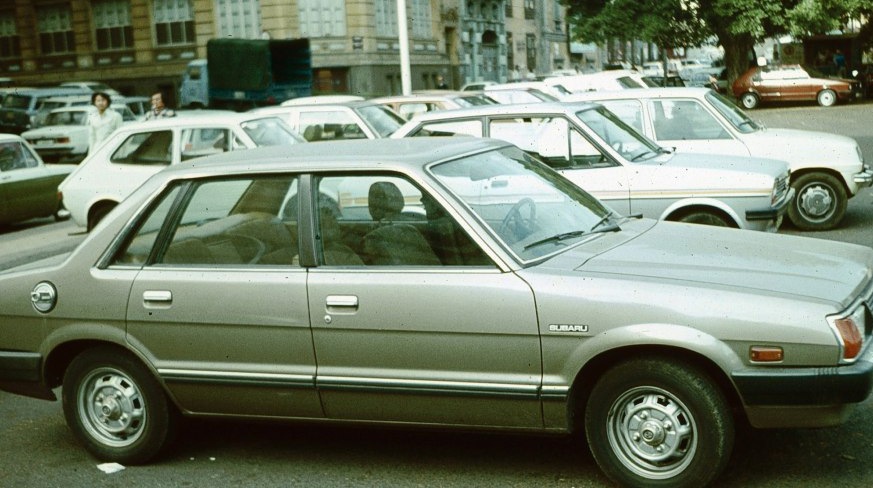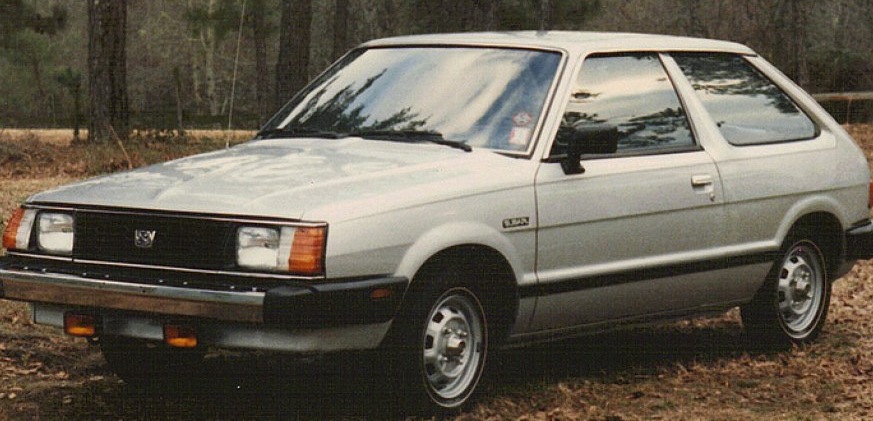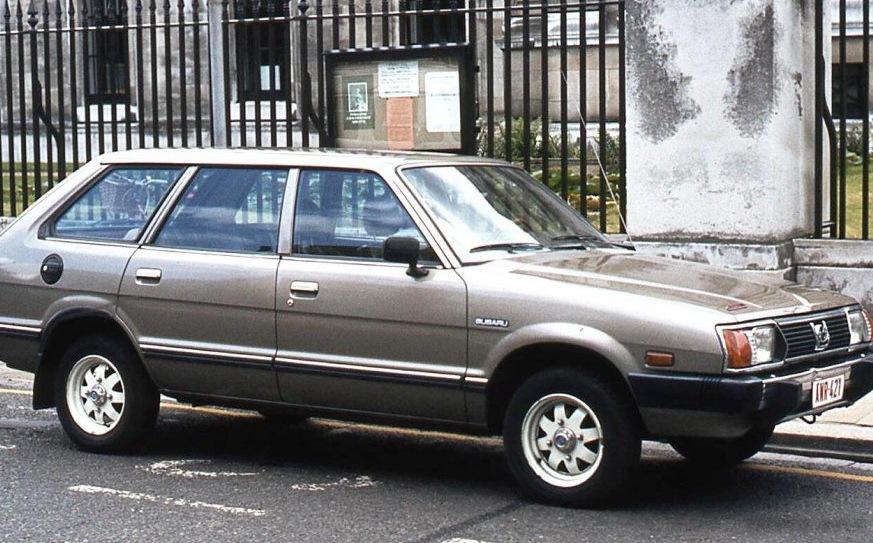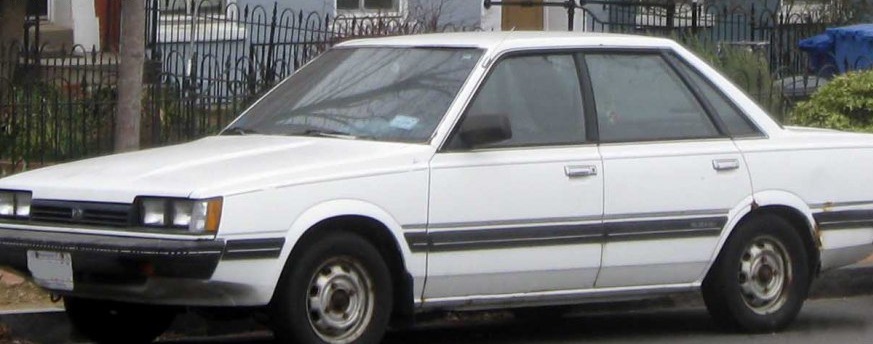
The Subaru Leone III 1800 Turbo 4WD, produced from 1989 to 1990, represented a significant step forward for Subaru’s popular Leone line. This variant, positioned as a performance-oriented option within the third-generation Leone (1988-1994), combined a turbocharged 1.8-liter engine with Subaru’s renowned symmetrical all-wheel drive system. It aimed to offer a blend of practicality, all-weather capability, and respectable performance, appealing to buyers seeking a more engaging driving experience than the base models. The Leone III, internally designated as the AD series, was a crucial model for Subaru, solidifying their reputation for durable, reliable, and capable vehicles, particularly in markets where inclement weather was common.
Technical Specifications
| Brand | Subaru |
| Model | Leone |
| Generation | Leone III |
| Type (Engine) | 1800 Turbo 4WD (131 Hp) |
| Start of production | 1989 |
| End of production | 1990 |
| Powertrain Architecture | Internal Combustion engine |
| Body type | Sedan |
| Seats | 5 |
| Doors | 4 |
| Fuel Type | Petrol (Gasoline) |
| Maximum speed | 220 km/h (136.7 mph) |
| Power | 131 Hp |
| Engine Model/Code | EA82T |
| Engine aspiration | Turbocharger |
| Steering type | Steering rack and pinion |
| Power steering | Hydraulic Steering |
Powertrain & Engine Architecture
The heart of the Leone III 1800 Turbo 4WD is the EA82T engine, a 1.8-liter (1781cc) flat-four (boxer) engine. This engine is a derivative of Subaru’s long-running EA82 series, but distinguished by the addition of a turbocharger and intercooler. The turbocharger, a Garrett T25 unit in most applications, significantly boosted power output compared to the naturally aspirated EA82 variants. The EA82T featured multi-port fuel injection, a substantial improvement over the carburetor systems found in earlier Leone models. The engine utilized a single overhead camshaft (SOHC) design, operating two valves per cylinder. The EA82 engine family was known for its relatively simple design and robust construction, contributing to its longevity. The Leone III 1800 Turbo 4WD paired this engine with a four-speed automatic transmission, offering convenience but sacrificing some of the performance potential achievable with a manual gearbox. The automatic transmission was electronically controlled, a relatively advanced feature for the time, providing smoother shifts and improved fuel efficiency compared to older hydraulic automatics.
Driving Characteristics
The 131 horsepower and approximately 157 lb-ft of torque produced by the EA82T engine provided the Leone III 1800 Turbo 4WD with noticeably quicker acceleration than its naturally aspirated counterparts. While not a sports car by any means, the turbocharger provided a useful boost in power for highway passing and merging. The automatic transmission, while convenient, did detract somewhat from the driving experience. Gear ratios were optimized for fuel economy and comfortable cruising, rather than outright performance. Turbo lag was present, typical of turbochargers of that era, meaning there was a slight delay between pressing the accelerator and feeling the full power delivery. However, once the turbo spooled up, the Leone offered a respectable surge of acceleration. The symmetrical all-wheel drive system provided excellent traction in a variety of conditions, making it a capable vehicle in snow, gravel, and wet roads. The Leone’s handling was generally considered safe and predictable, but not particularly sporty. The suspension was tuned for comfort, resulting in a relatively soft ride.
Equipment & Trim Levels
The Leone III 1800 Turbo 4WD was generally positioned as a mid-to-upper trim level within the Leone lineup. Standard equipment typically included power steering, air conditioning, and a decent sound system. Interior upholstery was usually cloth, with options for upgraded materials available. The dashboard featured a straightforward layout with easy-to-read gauges. Optional extras included a sunroof, upgraded audio systems, and alloy wheels. The exterior styling was relatively conservative for the time, with a boxy sedan shape. The turbo models often featured subtle styling cues, such as a rear spoiler and unique wheel designs, to differentiate them from the base models. The level of equipment varied slightly depending on the specific market, with Japanese-market models often featuring more standard features than those sold in other regions.
Chassis & Braking
The Leone III utilized a conventional body-on-frame construction, which was common for vehicles of that era. The suspension consisted of MacPherson struts at the front and a semi-trailing arm setup at the rear. The 1800 Turbo 4WD typically featured a slightly stiffer suspension tuning compared to the base models to handle the increased power and improve handling. Braking was accomplished via disc brakes at the front and drum brakes at the rear. Power assist was standard. The braking system was adequate for normal driving conditions, but lacked the stopping power of more modern vehicles. The Leone’s all-wheel drive system employed a viscous coupling center differential, which automatically distributed torque between the front and rear axles based on traction conditions. This system provided excellent all-weather capability without requiring any driver intervention.
Market Reception & Comparison
The Subaru Leone III 1800 Turbo 4WD was generally well-received by automotive critics. It was praised for its all-weather capability, comfortable ride, and respectable performance. However, some critics noted the presence of turbo lag and the relatively slow response of the automatic transmission. Compared to other trims in the Leone lineup, the 1800 Turbo 4WD offered a significant performance advantage. It was a more engaging driving experience than the base models, but it also came with a higher price tag. Fuel economy was reasonable for a turbocharged vehicle of that era, averaging around 20-25 mpg in mixed driving conditions. Compared to competitors like the Toyota Camry or Honda Accord, the Leone offered a unique combination of all-wheel drive and turbocharged power, setting it apart from the mainstream competition.
Legacy
The EA82T engine, while not without its quirks, proved to be a relatively durable and reliable powerplant. With proper maintenance, these engines can last for many years. The Leone III 1800 Turbo 4WD has developed a cult following among Subaru enthusiasts, particularly those who appreciate its unique combination of features and its historical significance. In the used car market today, these vehicles are becoming increasingly rare and collectible. Values have been steadily increasing as enthusiasts seek out well-maintained examples. The Leone III 1800 Turbo 4WD represents a pivotal moment in Subaru’s history, showcasing their commitment to all-wheel drive technology and their willingness to experiment with forced induction. It laid the groundwork for the more sophisticated turbocharged Subarus that would follow, cementing the brand’s reputation for performance and capability.