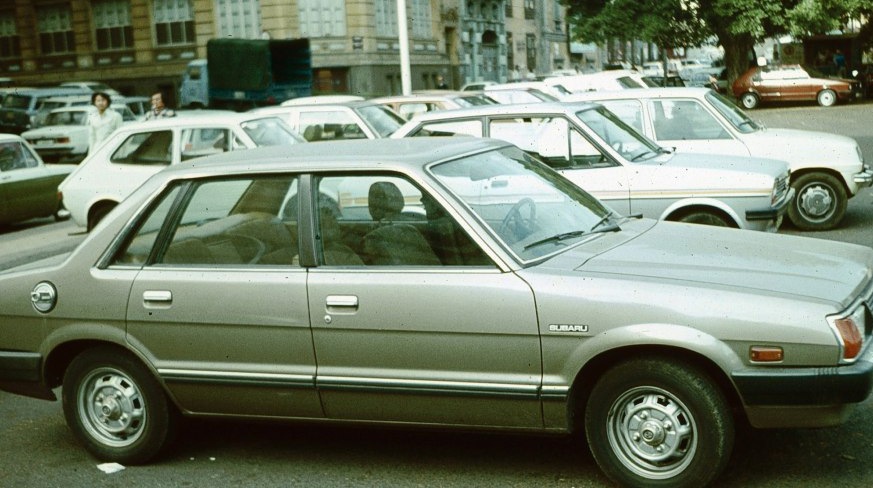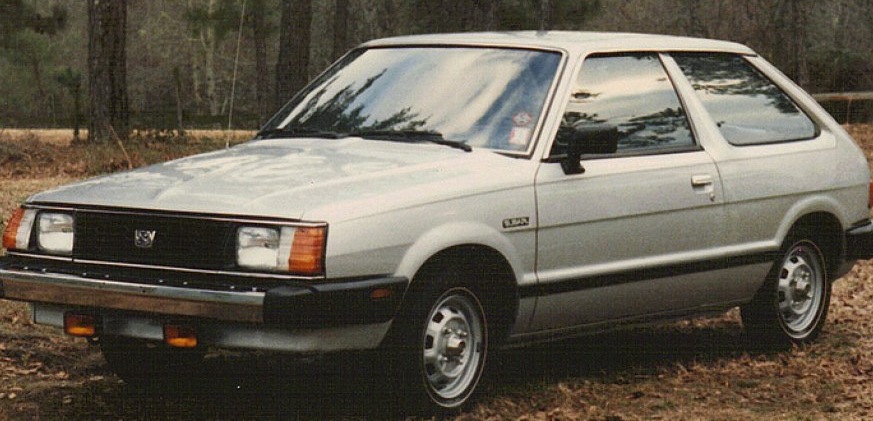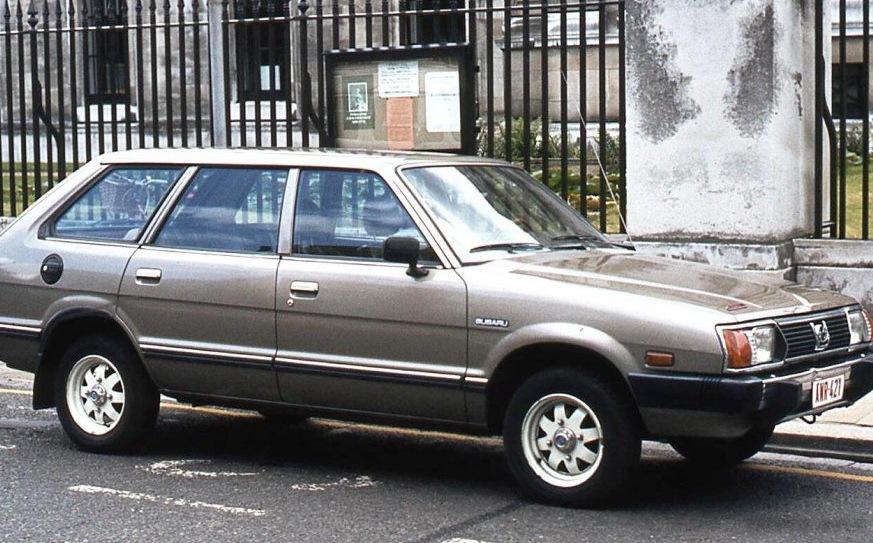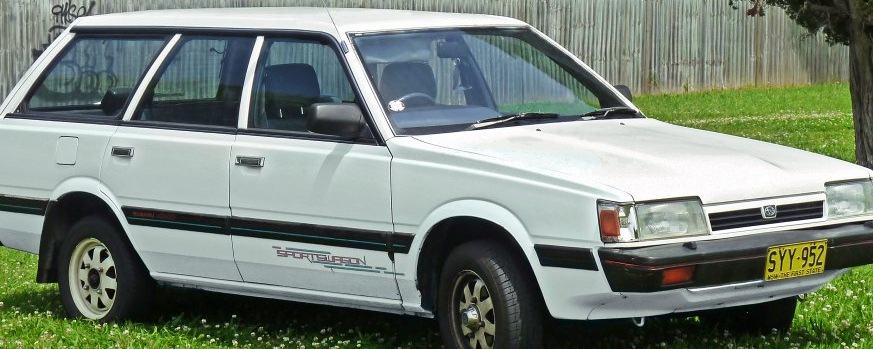
The Subaru Leone III Station Wagon 1800 4WD, produced between 1984 and 1990, represents a significant iteration in Subaru’s long-standing commitment to all-wheel drive passenger vehicles. This particular variant, equipped with the 90 horsepower EA82 engine and a four-wheel-drive system, served as a practical and capable family vehicle, particularly appealing to buyers in regions requiring enhanced traction due to inclement weather or challenging road conditions. It was positioned as a mid-range offering within the Leone III lineup, slotting below the more powerful GL models and above the base DX trims. The Leone III, internally designated as the second generation of the Leone, built upon the success of its predecessors, offering improved refinement and a more modern design while retaining the core attributes that defined the Subaru brand: durability, reliability, and all-weather capability.
Technical Specifications
| Brand | Subaru |
| Model | Leone |
| Generation | Leone III Station Wagon |
| Type | 1800 4WD (90 Hp) |
| Production Years | 1984 – 1990 |
| Body Type | Station Wagon (Estate) |
| Seats | 5 |
| Doors | 5 |
| Fuel Type | Petrol (Gasoline) |
| Power | 90 Hp |
| Engine Model/Code | EA82 |
| Engine Aspiration | Naturally Aspirated |
| Engine Oil Capacity | 4 l (4.23 US qt | 3.52 UK qt) |
Powertrain & Engine Architecture
The heart of the Leone III 1800 4WD is the EA82 1.8-liter flat-four (horizontally opposed) engine. This engine, a hallmark of Subaru engineering, was known for its relatively smooth operation and inherent balance due to its design. The EA82 featured a single overhead camshaft (SOHC) design, operating two valves per cylinder. Fuel delivery was managed by a carburetor in earlier models (1984-1986) and transitioned to electronic fuel injection (EFI) in later years (1987-1990), improving fuel efficiency and reducing emissions. The EFI system utilized a throttle body injection setup. The engine’s architecture, with its horizontally opposed pistons, contributed to a lower center of gravity, enhancing stability and handling. While not a high-performance engine, the EA82 was lauded for its durability and relatively simple maintenance requirements. The transmission paired with this engine was typically a four-speed automatic, designed to provide comfortable and convenient operation for everyday driving. The automatic transmission was not known for its sporty responsiveness, prioritizing smooth shifts and ease of use over outright acceleration.
Driving Characteristics
The 1800 4WD variant of the Leone III offered a comfortable, if not particularly exhilarating, driving experience. The 90 horsepower output, coupled with the four-speed automatic transmission, resulted in modest acceleration. Real-world performance was adequate for highway cruising and city driving, but passing maneuvers required careful planning. The automatic transmission’s gear ratios were geared towards fuel economy and smooth operation, rather than maximizing performance. The Leone’s defining characteristic was its all-wheel-drive system. This system, a permanent symmetrical all-wheel drive, provided excellent traction in a variety of conditions, including snow, gravel, and wet pavement. The 4WD system enhanced stability and confidence, making the Leone a capable vehicle for drivers in regions with challenging weather. Compared to the manual transmission versions of the Leone 1800, the automatic suffered a slight performance penalty, but offered a more relaxed driving experience. Higher-trim Leone models, equipped with larger engines (like the 2.2-liter), offered significantly more power and a sportier driving experience, but at a higher price point.
Equipment & Trim Levels
The Leone III 1800 4WD typically came equipped with a reasonable level of standard features for its time. Interior appointments generally included cloth upholstery, a basic AM/FM radio, and manual windows and door locks. Air conditioning was often an optional extra, as were power windows and a more advanced audio system. The dashboard layout was functional and straightforward, prioritizing usability over aesthetics. Trim levels varied slightly depending on the market, but generally, the 1800 4WD occupied a mid-range position. It offered more features than the base DX models, but lacked the luxury appointments found in the GL trims. Optional extras could include a sunroof, upgraded interior trim, and alloy wheels. The station wagon body style provided ample cargo space, making it a practical choice for families and those needing to transport larger items.
Chassis & Braking
The Leone III utilized a conventional body-on-frame construction, providing a robust and durable chassis. The suspension consisted of independent front suspension with MacPherson struts and a live axle rear suspension with leaf springs. This setup provided a comfortable ride, although it wasn’t particularly sporty. The braking system typically featured disc brakes on the front wheels and drum brakes on the rear wheels. Power steering was often included as standard equipment, making the vehicle easier to maneuver. Stabilizer bars (anti-roll bars) were typically fitted to the front suspension to reduce body roll during cornering. The chassis and braking system were designed to provide safe and reliable operation under a variety of conditions, prioritizing durability and ease of maintenance over outright performance.
Market Reception & Comparison
The Subaru Leone III 1800 4WD was generally well-received by automotive critics and consumers alike. It was praised for its all-wheel-drive capability, durability, and practicality. However, the 90 horsepower engine and four-speed automatic transmission were often criticized for being underpowered, particularly when compared to competitors offering more powerful engines. Fuel economy was considered average for the time. Compared to other trims in the Leone lineup, the 1800 4WD offered a good balance of price and features. The more powerful GL models were more expensive, while the base DX models lacked the all-wheel-drive system that was a key selling point of the Leone. Competitors included other compact station wagons, such as the Toyota Corolla Wagon and the Honda Civic Wagon, but few offered the standard all-wheel-drive capability of the Leone.
Legacy
The EA82 engine, while not known for being a powerhouse, proved to be remarkably durable and reliable. Many Leone III 1800 4WD models continue to operate today, a testament to the engine’s robust design and Subaru’s reputation for building long-lasting vehicles. The Leone III helped solidify Subaru’s image as a manufacturer of capable and reliable all-wheel-drive vehicles. In the used car market, the Leone III 1800 4WD is often sought after by enthusiasts and those looking for a practical and affordable vehicle with all-wheel-drive capability. Maintenance costs are generally reasonable, and parts availability is still relatively good, although some components may be becoming increasingly difficult to find. The Leone III 1800 4WD remains a fondly remembered vehicle for those who experienced its blend of practicality, durability, and all-weather capability.