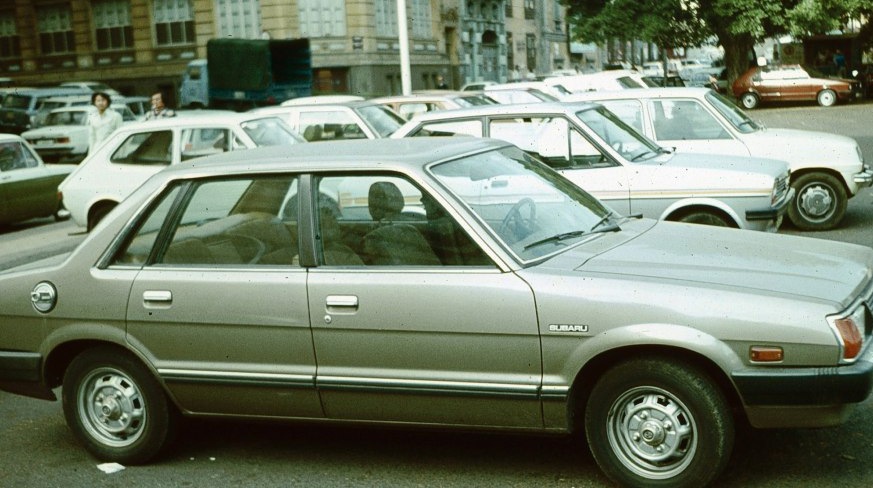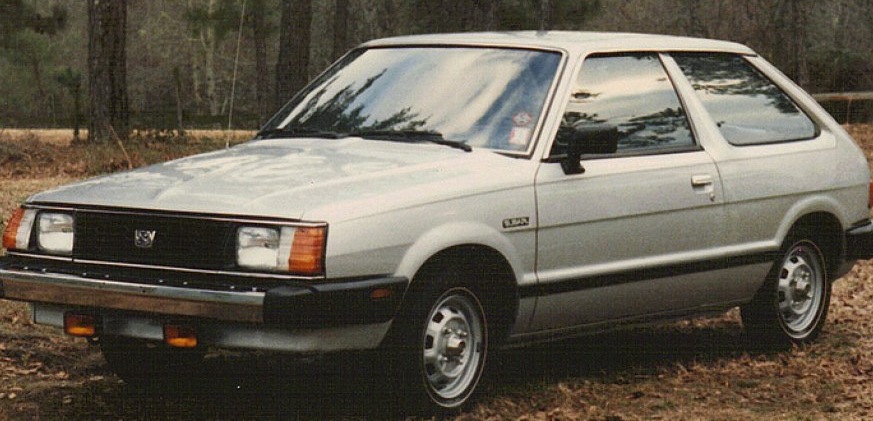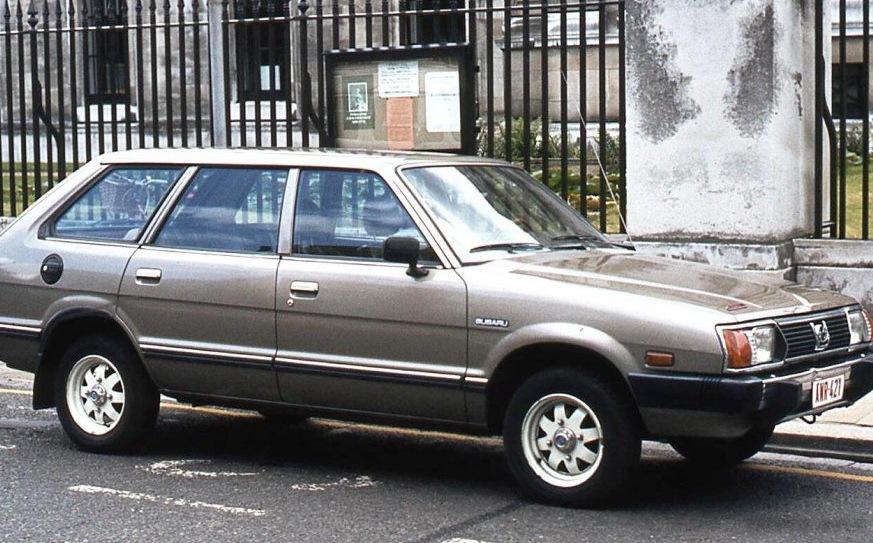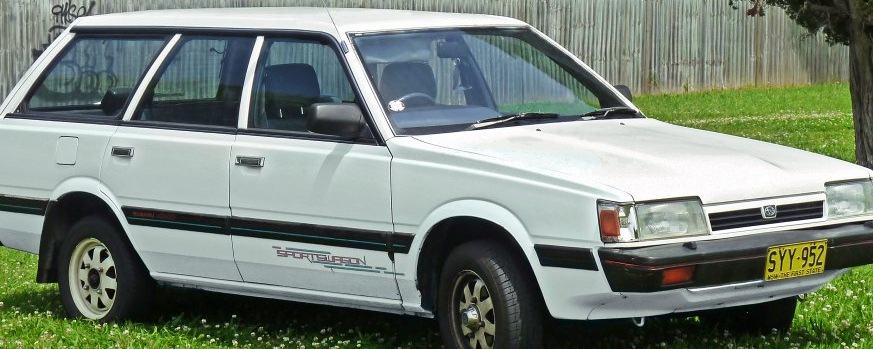
The Subaru Leone III Station Wagon 1800 4WD, produced from 1986 to 1994, represents a significant iteration in Subaru’s long-standing commitment to all-wheel drive passenger vehicles. This variant, powered by the naturally aspirated EA82 engine producing 98 horsepower, occupied a crucial position within the Leone III lineup, offering a practical and capable option for families and those requiring all-weather capability. It was part of the broader Leone (also known as the Loyale in some markets) third generation, which saw improvements in comfort, refinement, and overall practicality compared to its predecessors. The Leone III, built on Subaru’s expertise in symmetrical all-wheel drive, aimed to provide a reliable and versatile vehicle for a diverse range of drivers.
Technical Specifications
| Brand | Subaru |
| Model | Leone |
| Generation | Leone III Station Wagon |
| Type (Engine) | 1800 4WD (98 Hp) |
| Start of Production | 1986 |
| End of Production | 1994 |
| Powertrain Architecture | Internal Combustion Engine |
| Body Type | Station Wagon (Estate) |
| Seats | 5 |
| Doors | 5 |
| Fuel Type | Petrol (Gasoline) |
| Power | 98 Hp |
| Engine Model/Code | EA82 |
| Engine Aspiration | Naturally Aspirated |
| Engine Oil Capacity | 4 l (4.23 US qt | 3.52 UK qt) |
Powertrain & Engine Architecture
The heart of the Leone III 1800 4WD is the EA82 1.8-liter flat-four (horizontally opposed) engine. This engine, a hallmark of Subaru engineering for many years, is known for its relatively compact size and inherent balance due to its opposing piston design. The EA82 featured a single overhead camshaft (SOHC) design operating two valves per cylinder. Fuel delivery was managed by a multi-point fuel injection system, a significant upgrade from the carburetors used in earlier Leone models, improving fuel efficiency and emissions. The engine’s architecture contributed to a low center of gravity, enhancing handling characteristics. The 98 horsepower output was achieved at approximately 5,200 rpm, with peak torque of around 108 lb-ft at 3,600 rpm. This engine was paired with a 3-speed automatic transmission, which, while providing ease of use, was not known for its particularly quick shifts or wide gear ratio spread. The automatic transmission was a key differentiator for this trim, targeting buyers who prioritized convenience over sporty driving dynamics.
Driving Characteristics
The Leone III 1800 4WD with the automatic transmission offered a comfortable, if not particularly exhilarating, driving experience. The automatic transmission, while smooth in operation, resulted in somewhat slower acceleration compared to the available 5-speed manual transmission. The 3-speed automatic’s gear ratios were optimized for fuel economy and everyday driving rather than performance. The all-wheel drive system, a defining feature of the Leone, provided excellent traction in a variety of conditions, particularly on slippery surfaces like snow and gravel. The suspension, consisting of MacPherson struts in the front and a trailing arm setup in the rear, provided a reasonably comfortable ride, although it could feel somewhat soft and wallowy when pushed hard. The steering was relatively light and responsive, making it easy to maneuver in urban environments. Compared to the manual transmission versions, the automatic felt less engaging, but it appealed to a broader audience seeking a hassle-free driving experience.
Equipment & Trim Levels
The 1800 4WD automatic variant of the Leone III Station Wagon typically came with a fairly standard level of equipment. Interior features generally included cloth upholstery, a basic AM/FM radio, and manual windows and door locks. Air conditioning was often an optional extra, as were power windows and a more advanced stereo system. The dashboard layout was functional and straightforward, prioritizing usability over aesthetics. Trim levels varied slightly depending on the market, but generally, this variant represented a mid-range offering within the Leone III lineup. It was positioned above the base models, which often featured smaller engines and fewer features, but below the more luxurious trims that might have included upgraded interior materials and additional convenience features. Exterior features typically included steel wheels with hubcaps, and relatively simple body cladding.
Chassis & Braking
The Leone III Station Wagon’s chassis was a traditional body-on-frame construction, providing robustness and durability. The all-wheel drive system employed a viscous coupling center differential, automatically distributing torque between the front and rear axles as needed. The front suspension utilized MacPherson struts, while the rear suspension featured a trailing arm design. Braking was typically accomplished with disc brakes in the front and drum brakes in the rear. The braking system was adequate for everyday driving, but lacked the stopping power of more modern vehicles. Stabilizer bars were often included, helping to reduce body roll during cornering. The chassis design, while robust, contributed to a relatively high curb weight, which impacted overall performance and fuel economy.
Market Reception & Comparison
The Subaru Leone III 1800 4WD automatic was generally well-received as a practical and reliable family vehicle. Critics praised its all-wheel drive capability and its ability to handle challenging road conditions. However, the automatic transmission was often criticized for its lack of responsiveness and its impact on fuel economy. Compared to other trims in the Leone III lineup, the 1.8L automatic offered a balance between affordability and capability. The manual transmission versions provided better performance and fuel economy, while the larger 2.2L engine offered more power. Against competitors like the Toyota Camry Wagon or Honda Civic Wagon, the Leone III distinguished itself with its standard all-wheel drive, a feature rarely found in mainstream wagons of that era. Fuel economy was typically in the range of 20-25 mpg, depending on driving conditions.
Legacy
The Subaru Leone III 1800 4WD, while not a particularly high-performance vehicle, holds a significant place in Subaru’s history. It solidified the brand’s reputation for building durable and capable all-wheel drive vehicles. The EA82 engine, despite its age, is known for its longevity and relative simplicity, making it relatively easy to maintain. Today, these vehicles are increasingly sought after by enthusiasts and collectors, particularly those interested in classic Subaru models. While finding well-maintained examples can be challenging, the Leone III 1800 4WD remains a testament to Subaru’s engineering prowess and its commitment to providing reliable transportation in all conditions. Parts availability can be limited, but a dedicated community of Subaru enthusiasts continues to support these vehicles, ensuring their continued survival on the road.