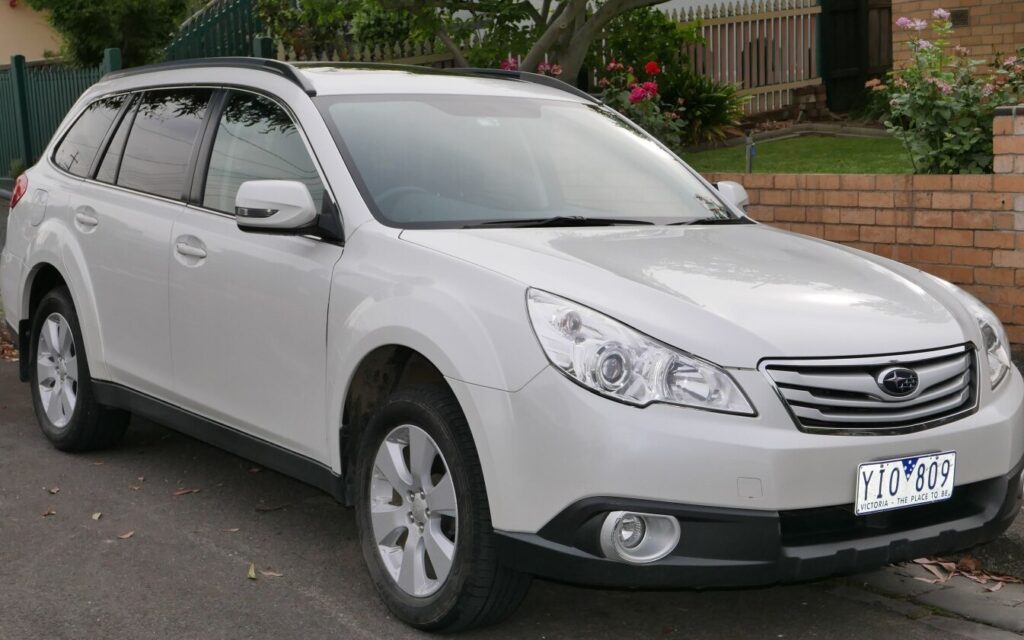
The Subaru Outback IV (BR, BM) 3.6R, produced between 2009 and 2013, represented the top-of-the-line engine option for the fourth generation of Subaru’s popular wagon. Positioned as a premium offering within the BR/BM Outback range, it catered to buyers seeking a blend of practicality, all-weather capability, and robust performance. This variant distinguished itself from the base 2.5i models with its significantly more powerful 3.6-liter boxer engine and standard all-wheel drive system. The Outback IV, built on Subaru’s versatile platform, aimed to bridge the gap between a traditional station wagon and a sport utility vehicle, offering a comfortable and capable vehicle for families and outdoor enthusiasts.
Technical Specifications
| Brand | Subaru |
| Model | Outback |
| Generation | Outback IV (BR, BM) |
| Type (Engine) | 3.6R (249 Hp) AWD |
| Start of production | 2009 |
| End of production | 2013 |
| Powertrain Architecture | Internal Combustion engine |
| Body type | Station wagon (estate) |
| Seats | 5 |
| Doors | 5 |
| Fuel Type | Petrol (Gasoline) |
| Power | 249 Hp |
| Engine layout | Front, Longitudinal |
| Engine Model/Code | EZ36D |
| Engine configuration | Boxer |
| Fuel injection system | Multi-port manifold injection |
| Engine aspiration | Naturally aspirated engine |
| Engine oil capacity | 6.5 l (6.87 US qt | 5.72 UK qt) |
| Coolant capacity | 6.5 l (6.87 US qt | 5.72 UK qt) |
| Length | 4775 mm (187.99 in.) |
| Width | 1820 mm (71.65 in.) |
| Height | 1605 mm (63.19 in.) |
| Wheelbase | 2745 mm (108.07 in.) |
| Front track | 1540 mm (60.63 in.) |
| Rear track | 1540 mm (60.63 in.) |
| Drive wheel | All wheel drive (4×4) |
| Number of gears and type of gearbox | 5 gears, automatic transmission |
| Front suspension | Independent type McPherson |
| Rear suspension | Double wishbone |
| Front brakes | Ventilated discs |
| Rear brakes | Disc |
| Assisting systems | ABS (Anti-lock braking system) |
| Power steering | Hydraulic Steering |
Powertrain & Engine Architecture
The heart of the Outback 3.6R is the EZ36D 3.6-liter horizontally-opposed (boxer) six-cylinder engine. This engine, a hallmark of Subaru engineering, was designed for smooth operation and a low center of gravity, contributing to the vehicle’s balanced handling. The EZ36D utilizes multi-port fuel injection, delivering fuel directly into the intake ports. The engine’s valvetrain features four valves per cylinder, dual overhead camshafts, and variable valve timing on both intake and exhaust sides, optimizing performance and efficiency across the rev range. Paired with the engine is a five-speed automatic transmission, designed to provide smooth and responsive shifts. This transmission featured adaptive learning, adjusting shift points based on driving style. The symmetrical all-wheel drive system, a Subaru signature, distributes power to all four wheels, enhancing traction and stability in various conditions.
Driving Characteristics
The 3.6R Outback offered a noticeable performance advantage over the 2.5i models. With 249 horsepower and 236 lb-ft of torque, acceleration was brisk, making highway merging and overtaking maneuvers effortless. The five-speed automatic transmission, while not as sporty as a manual, provided smooth and predictable shifts. The gear ratios were tuned for a balance of fuel economy and responsiveness. Compared to the manual transmission available on the 2.5i, the automatic prioritized comfort and ease of use. The symmetrical all-wheel drive system provided confident handling in inclement weather, offering superior grip on slippery surfaces. While not a sports car, the Outback 3.6R delivered a composed and capable driving experience, suitable for both daily commutes and long road trips.
Equipment & Trim Levels
The 3.6R Outback typically came standard with a generous array of features. Interior appointments included leather upholstery, heated front seats, a power-adjustable driver’s seat, and a premium audio system. Standard convenience features included automatic climate control, a multi-function steering wheel, and keyless entry. Optional extras often included a power moonroof, navigation system, and a rear-seat entertainment system. The exterior typically featured alloy wheels, roof rails, and fog lights. The 3.6R trim generally represented the highest level of equipment available on the Outback, offering a more luxurious and refined experience compared to the base models.
Chassis & Braking
The Outback IV utilized a robust chassis designed to handle the increased power of the 3.6R engine. The front suspension employed independent McPherson struts, while the rear featured a double-wishbone setup. This configuration provided a comfortable ride and predictable handling. The 3.6R models were equipped with ventilated front disc brakes and solid rear disc brakes, providing ample stopping power. An anti-lock braking system (ABS) was standard, enhancing safety during emergency braking situations. Hydraulic power steering provided responsive and precise steering feel. Stabilizer bars were fitted to both the front and rear suspension, minimizing body roll during cornering.
Market Reception & Comparison
The Subaru Outback 3.6R was generally well-received by automotive critics. Reviewers praised its spacious interior, comfortable ride, and capable all-wheel drive system. The 3.6-liter engine was lauded for its smooth power delivery and ample torque. However, some critics noted that the five-speed automatic transmission could feel slightly dated compared to newer transmissions with more gears. Fuel economy was also a point of concern, as the 3.6R consumed more fuel than the 2.5i models. Compared to competitors like the Toyota Venza and Honda Element, the Outback 3.6R offered a unique combination of wagon practicality, all-wheel drive capability, and a more engaging driving experience.
Legacy
The EZ36D engine, while generally reliable, is known to require regular maintenance, particularly regarding oil consumption. Owners should monitor oil levels closely and adhere to Subaru’s recommended maintenance schedule. The five-speed automatic transmission has also proven to be generally durable, but like any automatic, requires fluid changes at the recommended intervals. Today, the Outback IV 3.6R remains a popular choice in the used car market, particularly for buyers seeking a capable and reliable all-weather vehicle. Its blend of practicality, performance, and durability continues to appeal to a wide range of drivers. Parts availability is generally good, and a strong aftermarket support network exists for Subaru vehicles, ensuring that these Outbacks can be kept on the road for many years to come.