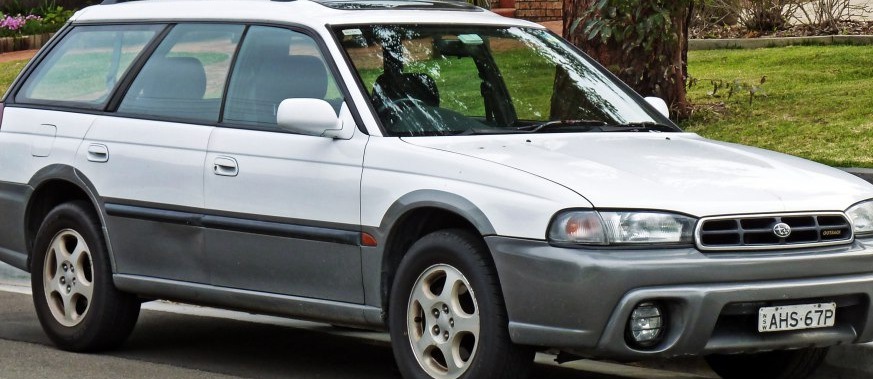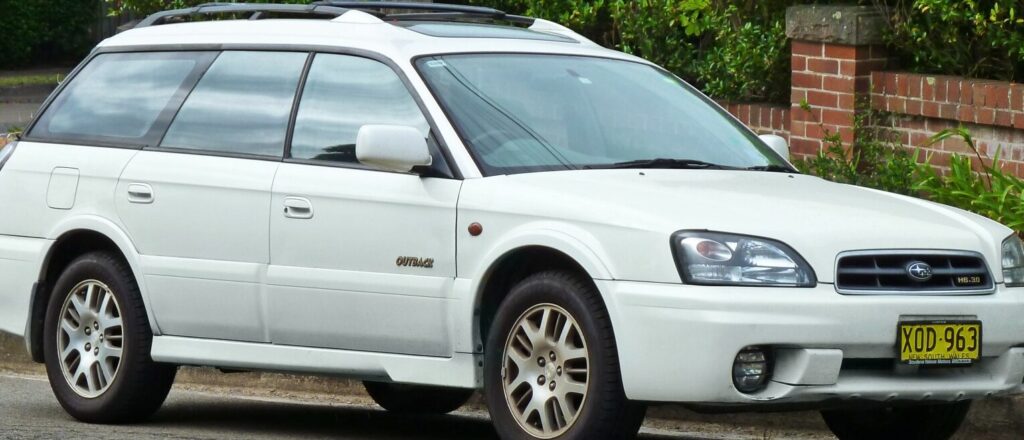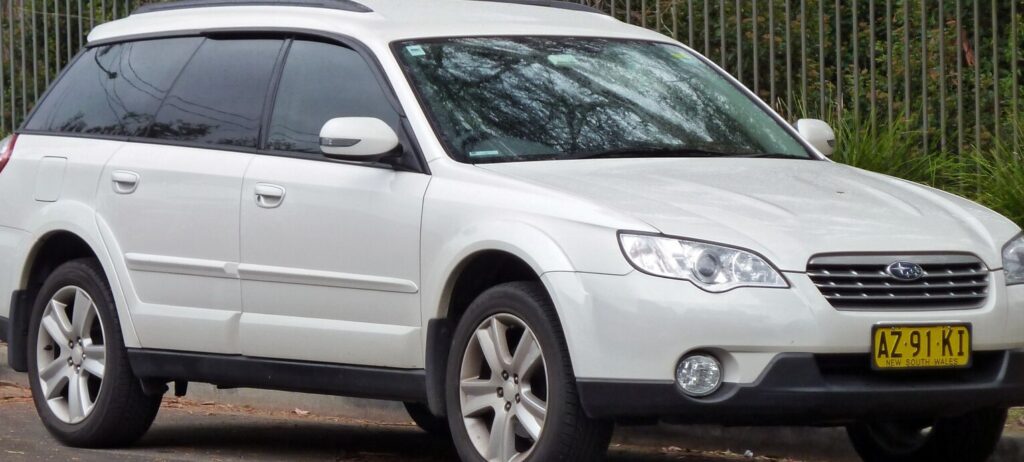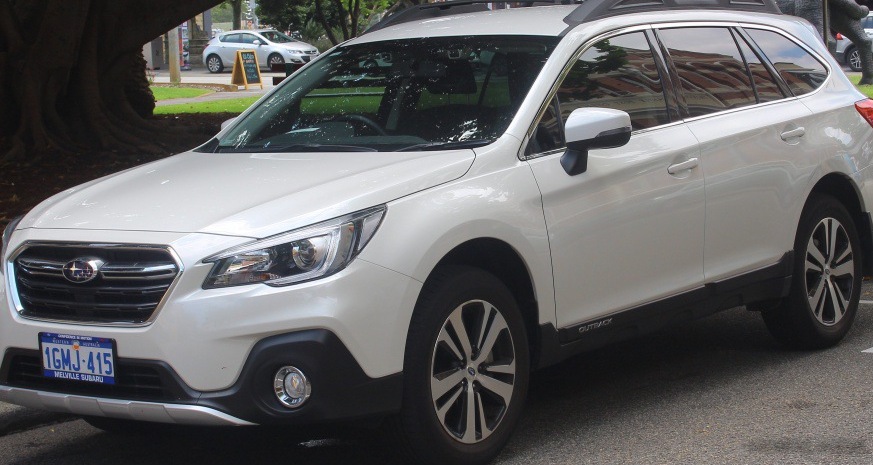
The Subaru Outback V (BS series, facelifted in 2018) R 3.6 AWD Lineartronic represents a significant offering in Subaru’s lineup during its production run from 2018 to 2019. Positioned as a premium trim level within the fifth-generation Outback (introduced in 2014 and facelifted in 2018), this variant combined a naturally aspirated 3.6-liter boxer engine with Subaru’s Lineartronic continuously variable transmission (CVT) and the brand’s renowned symmetrical all-wheel drive system. It aimed to provide a blend of performance, comfort, and capability for buyers seeking a versatile and spacious wagon. The facelift brought styling updates and refinements to the interior, enhancing the Outback’s appeal in the competitive crossover segment.
Technical Specifications
| Brand | Subaru |
| Model | Outback |
| Generation | Outback V (BS, facelift 2018) |
| Type | R 3.6 (256 Hp) AWD Lineartronic |
| Start of production | 2018 |
| End of production | 2019 |
| Powertrain Architecture | Internal Combustion engine |
| Body type | Station wagon (estate) |
| Seats | 5 |
| Doors | 5 |
| Fuel consumption (urban) | 14.1 l/100 km (16.7 US mpg, 20 UK mpg, 7.1 km/l) |
| Fuel consumption (extra urban) | 10.5 l/100 km (22.4 US mpg, 26.9 UK mpg, 9.5 km/l) |
| Fuel consumption (combined) | 12.8 l/100 km (18.4 US mpg, 22.1 UK mpg, 7.8 km/l) |
| Fuel Type | Petrol (Gasoline) |
| Emission standard | Euro 6 |
| Weight-to-power ratio | 6.9 kg/Hp, 145 Hp/tonne |
| Weight-to-torque ratio | 5.3 kg/Nm, 189.7 Nm/tonne |
| Power | 256 Hp @ 6000 rpm |
| Torque | 335 Nm @ 4400 rpm (247.08 lb.-ft. @ 4400 rpm) |
| Engine layout | Front, Longitudinal |
| Engine Model/Code | EZ36D |
| Number of cylinders | 6 |
| Engine configuration | Boxer |
| Number of valves per cylinder | 4 |
| Engine aspiration | Naturally aspirated engine |
| Valvetrain | DOHC |
| Engine oil capacity | 6.5 l (6.87 US qt, 5.72 UK qt) |
| Coolant capacity | 6.5 l (6.87 US qt, 5.72 UK qt) |
| Kerb Weight | 1766-1770 kg (3893.36 – 3902.18 lbs) |
| Trunk (boot) space – minimum | 1005 l (35.49 cu. ft) |
| Trunk (boot) space – maximum | 2076 l (73.31 cu. ft) |
| Length | 4824 mm (189.92 in) |
| Width | 1839 mm (72.4 in) |
| Width including mirrors | 2065 mm (81.3 in) |
| Height | 1656-1679 mm (65.2 – 66.1 in) |
| Wheelbase | 2746 mm (108.11 in) |
| Front track | 1570 mm (61.81 in) |
| Rear track | 1580 mm (62.2 in) |
| Ride height (ground clearance) | 221 mm (8.7 in) |
| Minimum turning circle | 11.0 m (36.09 ft) |
| Approach angle | 18.5° |
| Departure angle | 22.7° |
| Ramp-over angle | 20.0° |
| Drive wheel | All wheel drive (4×4) |
| Number of gears and type of gearbox | 6 gears, automatic transmission HCVT |
| Front suspension | Independent, type McPherson with coil spring and anti-roll bar |
| Rear suspension | Double wishbone |
| Front brakes | Ventilated discs |
| Rear brakes | Ventilated discs |
| Assisting systems | ABS (Anti-lock braking system) |
| Steering type | Steering rack and pinion |
| Power steering | Electric Steering |
| Tires size | 225/60 R18 |
| Wheel rims size | 7J x 18 |
Introduction
The 2018-2019 Subaru Outback R 3.6 AWD Lineartronic was the top-tier trim level for the fifth-generation Outback in many markets. Building upon the Outback’s reputation for practicality and all-weather capability, the R 3.6 aimed to deliver a more refined and powerful driving experience. The BS series Outback, and particularly the facelifted version, represented Subaru’s continued commitment to the crossover segment, offering a compelling alternative to traditional SUVs. It competed with vehicles like the Toyota Highlander, Honda Pilot, and Ford Explorer, though the Outback maintained a unique position with its standard all-wheel drive and wagon-style body.
Powertrain & Engine Architecture
At the heart of the Outback R 3.6 lies the EZ36D 3.6-liter horizontally opposed (boxer) six-cylinder engine. This engine is a hallmark of Subaru engineering, known for its smooth operation and inherent balance. The EZ36D features a 60-degree V-angle, contributing to a lower center of gravity and improved handling. It utilizes multi-port fuel injection and a dual overhead camshaft (DOHC) valvetrain with four valves per cylinder. The engine produces 256 horsepower at 6,000 rpm and 247 lb-ft of torque at 4,400 rpm.
The engine is paired with Subaru’s Lineartronic CVT, a continuously variable transmission designed to optimize fuel efficiency and provide seamless acceleration. Unlike traditional automatic transmissions with fixed gear ratios, the Lineartronic CVT uses a belt and pulley system to offer an infinite number of gear ratios within its operating range. This allows the engine to operate at its most efficient point for any given driving condition. The Lineartronic transmission also features simulated “shift points” to provide a more familiar driving feel for those accustomed to traditional automatics. Power is then distributed to all four wheels via Subaru’s symmetrical all-wheel drive system, which utilizes a variable torque distribution to optimize traction and stability.
Driving Characteristics
The 3.6-liter engine and Lineartronic CVT combination in the Outback R 3.6 delivers a noticeably more responsive driving experience compared to the base 2.5-liter four-cylinder engine. While the CVT doesn’t offer the immediate gear changes of a traditional automatic, it provides smooth and linear acceleration. The engine’s ample torque allows for confident passing maneuvers and effortless cruising on the highway. The symmetrical all-wheel drive system provides excellent grip in a variety of conditions, making the Outback R 3.6 a capable performer in rain, snow, and light off-road situations. However, the CVT can sometimes feel slightly disconnected, and the engine can be somewhat noisy under hard acceleration. The gear ratios are tuned for efficiency and everyday usability rather than outright performance.
Equipment & Trim Levels
The Outback R 3.6 was the most well-equipped trim level in the lineup. Standard features typically included leather upholstery, heated front and rear seats, a power driver’s seat, a premium audio system (often Harman Kardon), a large touchscreen infotainment system with navigation, and a suite of advanced safety features such as EyeSight driver assist technology (including adaptive cruise control, lane departure warning, and automatic emergency braking). Optional extras could include a power moonroof, premium paint colors, and various accessory packages.
Chassis & Braking
The Outback R 3.6 utilizes a McPherson strut front suspension and a double-wishbone rear suspension, providing a comfortable and controlled ride. Stabilizer bars are fitted to both the front and rear axles to reduce body roll during cornering. The braking system consists of ventilated discs on all four wheels, providing ample stopping power. The Outback R 3.6 typically features larger brake rotors compared to lower trim levels to accommodate the increased weight and performance. Electric power steering provides light and precise steering feel.
Market Reception & Comparison
Critics generally praised the Outback R 3.6 for its spacious interior, comfortable ride, and standard all-wheel drive. The 3.6-liter engine was seen as a significant upgrade over the base engine, providing ample power for most driving situations. However, some reviewers noted the CVT’s lack of responsiveness and the relatively high fuel consumption compared to competitors. Compared to the 2.5i models, the R 3.6 offered a more premium experience but came at a higher price point. The R 3.6 also offered a more refined alternative to the diesel options available in some markets.
Legacy
The EZ36D engine, while reliable, can be prone to oil consumption as it ages. Regular oil level checks are recommended. The Lineartronic CVT, when properly maintained (fluid changes are crucial), is generally durable. The Outback V (BS) series, including the R 3.6 variant, has maintained a good reputation for reliability and longevity in the used car market. Its combination of practicality, capability, and comfort continues to make it a popular choice for buyers seeking a versatile and dependable wagon. The Outback’s enduring appeal is a testament to Subaru’s commitment to building vehicles that are well-suited to a wide range of lifestyles and driving conditions.