
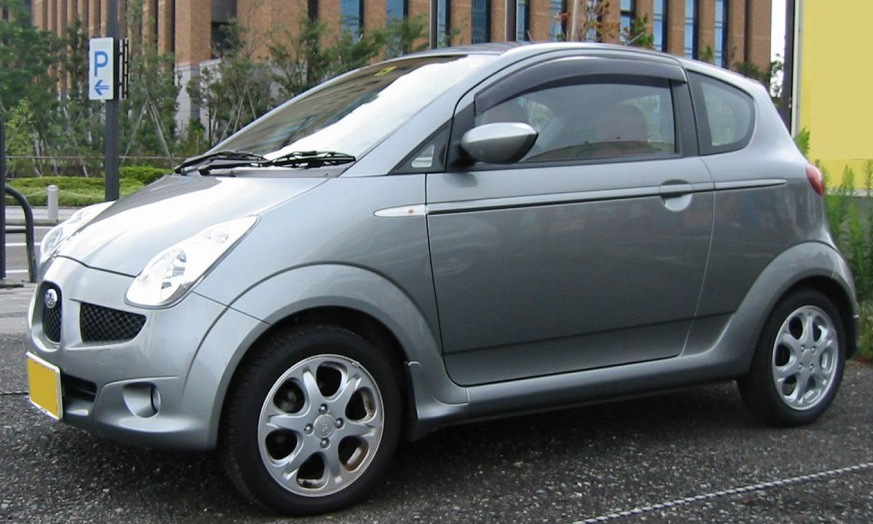
The Subaru R1 is a unique kei car produced by Subaru between 2005 and 2010. Designed primarily for the Japanese domestic market (JDM), the R1 represented Subaru’s entry into the ultra-compact vehicle segment, adhering to the strict regulations governing kei cars. The 0.7-liter, 45 horsepower, all-wheel-drive variant, the focus of this article, was positioned as an affordable and practical city car, offering Subaru’s renowned symmetrical all-wheel-drive system in a diminutive package. It was part of the first generation (R1) and utilized a front-engine, transverse layout within a 3-door hatchback body style.
Technical Specifications
| Brand | Subaru |
| Model | R1 |
| Generation | R1 |
| Type (Engine) | 0.7 (45 Hp) 4WD |
| Start of production | 2005 |
| End of production | 2010 |
| Powertrain Architecture | Internal Combustion engine |
| Body type | Hatchback |
| Seats | 4 |
| Doors | 3 |
| Fuel Type | Petrol (Gasoline) |
| Power | 45 Hp @ 6400 rpm |
| Power per litre | 68.4 Hp/l |
| Torque | 56 Nm @ 4000 rpm / 41.3 lb.-ft. @ 4000 rpm |
| Engine layout | Front, Transverse |
| Engine Model/Code | EN07 |
| Engine displacement | 658 cm3 / 40.15 cu. in. |
| Number of cylinders | 4 |
| Engine configuration | Inline |
| Cylinder Bore | 56 mm / 2.2 in. |
| Piston Stroke | 66.8 mm / 2.63 in. |
| Compression ratio | 10:1 |
| Number of valves per cylinder | 4 |
| Fuel injection system | Multi-port manifold injection |
| Engine aspiration | Naturally aspirated engine |
| Valvetrain | OHC |
| Engine oil capacity | 2.4 l / 2.54 US qt | 2.11 UK qt |
| Fuel tank capacity | 30 l / 7.93 US gal | 6.6 UK gal |
| Length | 3285 mm / 129.33 in. |
| Width | 1475 mm / 58.07 in. |
| Height | 1510 mm / 59.45 in. |
| Wheelbase | 2195 mm / 86.42 in. |
| Front track | 1295 mm / 50.98 in. |
| Rear (Back) track | 1285 mm / 50.59 in. |
| Drive wheel | All wheel drive (4×4) |
| Front brakes | Ventilated discs |
| Rear brakes | Drum |
| Assisting systems | ABS (Anti-lock braking system) |
| Tires size | 155/65 R14 |
Powertrain & Engine Architecture
The Subaru R1 was powered by the EN07, a 658cc inline-four cylinder engine. This engine, specifically designed to meet kei car regulations, featured a single overhead camshaft (OHC) valvetrain and multi-point fuel injection. The EN07 produced 45 horsepower at 6400 rpm and 56 Nm (41.3 lb-ft) of torque at 4000 rpm. While modest by conventional standards, the engine was designed for efficiency and ease of use within the urban environment. The engine’s compact size and lightweight construction contributed to the R1’s overall nimble handling. The transmission paired with this engine was a 3-speed automatic, chosen for its simplicity and ease of operation, catering to the target demographic of city drivers. The all-wheel-drive system, a hallmark of Subaru, was a viscous coupling type, providing enhanced traction in various weather conditions.
Driving Characteristics
The R1 0.7 Automatic offered a predictably leisurely driving experience. Acceleration was modest, with the 45 horsepower engine requiring a significant amount of throttle to achieve highway speeds. The 3-speed automatic transmission, while smooth, lacked the responsiveness of a manual gearbox or a more modern automatic with additional gears. Gear ratios were optimized for fuel economy and low-speed maneuverability rather than outright performance. Compared to potential higher-spec kei car variants (which the R1 didn’t have), the R1 prioritized usability over sporty driving dynamics. The all-wheel-drive system, however, provided a noticeable improvement in stability and grip, particularly on slippery surfaces, setting it apart from many rear-wheel-drive kei cars.
Equipment & Trim Levels
The Subaru R1 0.7 Automatic was relatively sparsely equipped, reflecting its position as an entry-level vehicle. Standard features typically included air conditioning, power steering, and basic audio system. Interior upholstery was typically cloth, with a functional, rather than luxurious, design. The dashboard layout was simple and straightforward, prioritizing ease of use. Optional extras were limited, but could include alloy wheels and upgraded audio systems. The R1’s interior space was maximized within the constraints of the kei car dimensions, offering reasonable headroom and legroom for its size. The rear seats were best suited for occasional use or smaller passengers.
Chassis & Braking
The R1 featured a MacPherson strut front suspension and a semi-trailing arm rear suspension. The suspension setup was tuned for comfort and ride quality, prioritizing a smooth ride over sporty handling. The braking system consisted of ventilated discs on the front wheels and drum brakes on the rear. Anti-lock Braking System (ABS) was standard, enhancing safety and control during emergency braking situations. The R1’s relatively light weight (around 830 kg or 1830 lbs) helped to offset the limitations of the braking system. The tires were typically 155/65 R14, chosen for their balance of grip, fuel efficiency, and cost.
Market Reception & Comparison
The Subaru R1 received mixed reviews. Critics praised its all-wheel-drive system and practical interior space for its size, but noted its lack of power and somewhat dated automatic transmission. Compared to other kei cars of the era, such as the Suzuki Alto or Daihatsu Mira, the R1 offered a more sophisticated driving experience thanks to its all-wheel-drive system, but at a higher price point. Fuel economy was reasonable, but not class-leading. Reliability was generally good, typical of Subaru products, but the limited production run and specialized parts could potentially pose challenges for long-term maintenance. The R1 was primarily aimed at buyers who valued Subaru’s reputation for reliability and all-weather capability over outright performance or luxury.
Legacy
The Subaru R1, while not a commercial success in the long term, remains a unique and interesting vehicle. Its combination of all-wheel drive and kei car dimensions was unusual, and it represents a niche offering within Subaru’s lineup. Today, the R1 is gaining a following among enthusiasts of JDM cars and collectors of unusual vehicles. The EN07 engine, while not known for its power, is generally considered reliable and relatively easy to maintain. Parts availability can be a concern, but a dedicated community of owners and enthusiasts is helping to preserve these vehicles. The R1 serves as a reminder of Subaru’s willingness to experiment and innovate, even within the constraints of specific market regulations.
