
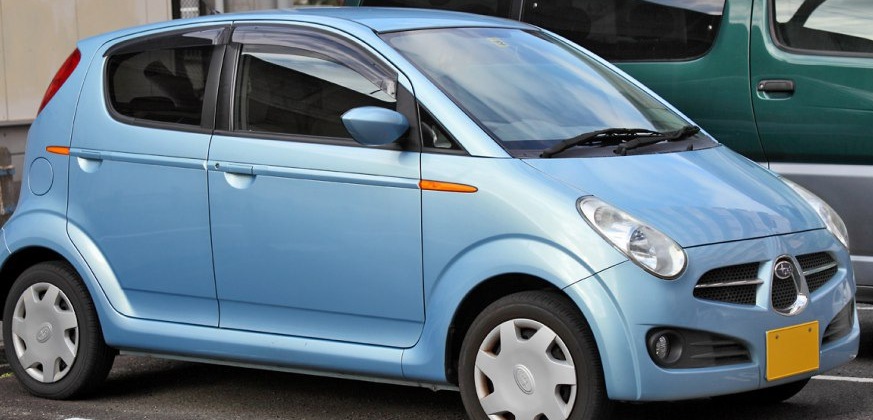
The Subaru R2 is a kei car that was produced by Subaru between December 2003 and March 2010. Positioned as a stylish and practical city car, the R2 aimed to appeal to a younger demographic within the Japanese domestic market. It was offered in a variety of trims, including the 0.7i 4WD variant, which featured a 658cc engine and all-wheel drive. This particular configuration represented an entry point into the R2 lineup, prioritizing fuel efficiency and accessibility over outright performance. The R2 competed with other kei cars like the Daihatsu Copen and Honda Beat, offering a unique blend of Subaru’s engineering and a focus on design.
Technical Specifications
| Brand | Subaru |
| Model | R2 |
| Generation | R2 |
| Type (Engine) | 0.7i (64 Hp) 4WD |
| Start of production | December, 2003 |
| End of production | March, 2010 |
| Powertrain Architecture | Internal Combustion engine |
| Body type | Hatchback |
| Seats | 5 |
| Doors | 5 |
| Fuel Type | Petrol (Gasoline) |
| Weight-to-power ratio | 12 kg/Hp, 83.1 Hp/tonne |
| Weight-to-torque ratio | 9.2 kg/Nm, 109.1 Nm/tonne |
| Power | 64 Hp @ 6400 rpm |
| Power per litre | 97.3 Hp/l |
| Torque | 84 Nm @ 4400 rpm, 61.96 lb.-ft. @ 4400 rpm |
| Engine layout | Front, Longitudinal |
| Engine Model/Code | EN07X |
| Engine displacement | 658 cm3, 40.15 cu. in. |
| Number of cylinders | 4 |
| Engine configuration | Inline |
| Cylinder Bore | 56 mm, 2.2 in. |
| Piston Stroke | 66.8 mm, 2.63 in. |
| Compression ratio | 10:1 |
| Fuel injection system | Multi-port manifold injection |
| Engine aspiration | Supercharger, Intercooler |
| Valvetrain | OHC |
| Engine oil capacity | 2.4 l, 2.54 US qt | 2.11 UK qt |
| Kerb Weight | 770 kg, 1697.56 lbs |
| Fuel tank capacity | 30 l, 7.93 US gal | 6.6 UK gal |
| Length | 3395 mm, 133.66 in. |
| Width | 1475 mm, 58.07 in. |
| Height | 1520 mm, 59.84 in. |
| Wheelbase | 2360 mm, 92.91 in. |
| Front track | 1295 mm, 50.98 in. |
| Rear (Back) track | 1285 mm, 50.59 in. |
| Drive wheel | All wheel drive (4×4) |
| Number of gears and type of gearbox | 5 gears, manual transmission |
| Front brakes | Ventilated discs |
| Rear brakes | Drum |
| Tires size | 155/65 R14 |
Powertrain & Engine Architecture
The Subaru R2 0.7i 4WD is powered by the EN07X engine, a 658cc inline-four cylinder petrol engine. This engine utilizes a single overhead camshaft (OHC) valvetrain and multi-port fuel injection. A key feature of this engine is its use of a supercharger and intercooler, which helps to boost power output and improve throttle response, particularly at lower engine speeds. The supercharger provides forced induction, effectively increasing the amount of air entering the engine. The intercooler cools the compressed air, further enhancing performance. The engine produces 64 horsepower at 6400 rpm and 84 Nm (61.96 lb-ft) of torque at 4400 rpm. The engine is mounted longitudinally in the front of the vehicle. The 0.7i 4WD variant was exclusively offered with a 5-speed manual transmission, providing drivers with direct control over gear selection.
Driving Characteristics
The R2 0.7i 4WD, with its relatively low weight of 770 kg (1697.56 lbs) and modest power output, offers a nimble and engaging driving experience. While not designed for rapid acceleration, the supercharger helps to provide adequate power for city driving and overtaking maneuvers. The all-wheel drive system enhances traction, particularly on slippery surfaces, making it a capable vehicle in various weather conditions. The 5-speed manual transmission allows for precise gear changes, and the relatively short gear ratios contribute to a responsive feel. Compared to potential higher-spec versions (had they existed), the 0.7i 4WD prioritizes fuel economy and ease of use over outright performance. The power delivery is linear, making it easy for novice drivers to control.
Equipment & Trim Levels
The R2 0.7i 4WD, as an entry-level trim, typically came equipped with basic amenities. Standard features included air conditioning, power windows, and a basic audio system. The interior upholstery was typically cloth, and the dashboard featured a simple, functional design. Optional extras available for this trim could include alloy wheels, upgraded audio systems, and various cosmetic enhancements. Safety features included dual airbags and anti-lock brakes (ABS) as standard equipment. The overall interior design focused on maximizing space within the compact dimensions of the kei car.
Chassis & Braking
The Subaru R2 features a MacPherson strut front suspension and a torsion beam rear suspension. The front brakes are ventilated discs, providing adequate stopping power, while the rear brakes are drums. This configuration was typical for kei cars of this era, balancing cost and performance. The relatively lightweight construction of the R2 contributes to its agile handling characteristics. The 155/65 R14 tires provide a comfortable ride and adequate grip for everyday driving. The all-wheel drive system adds to the vehicle’s stability and traction, particularly in adverse weather conditions.
Market Reception & Comparison
The Subaru R2 0.7i 4WD was generally well-received in the Japanese market as a stylish and practical kei car. Critics praised its unique design, nimble handling, and fuel efficiency. However, some reviewers noted that the engine’s power output was somewhat limited, particularly when fully loaded or driving on inclines. Compared to other kei cars in its class, the R2 offered a distinctive blend of Subaru’s engineering and a focus on design. Its all-wheel drive system was a notable advantage, providing enhanced traction and stability. Fuel economy was competitive with other kei cars, making it an attractive option for budget-conscious buyers.
Legacy
The Subaru R2, while not a massive sales success, remains a popular choice among kei car enthusiasts. The EN07X engine, while small, is known for its reliability and durability. The 0.7i 4WD variant, with its manual transmission and all-wheel drive system, is particularly sought after by those who appreciate a more engaging driving experience. In the used car market, the R2 is generally affordable and relatively easy to maintain. However, as with any older vehicle, it’s important to inspect potential purchases carefully for signs of wear and tear. The R2 represents a unique chapter in Subaru’s history, showcasing the company’s ability to create stylish and practical vehicles within the constraints of the kei car regulations.
