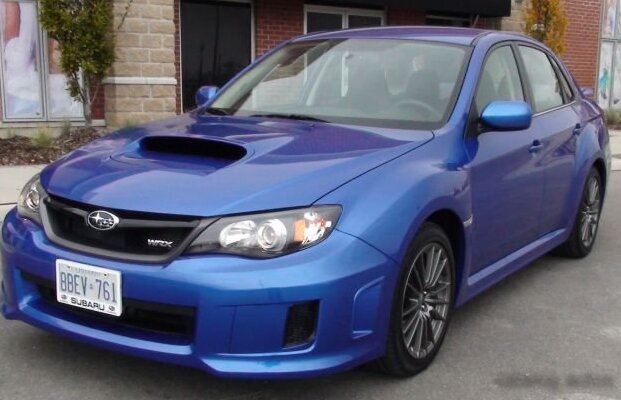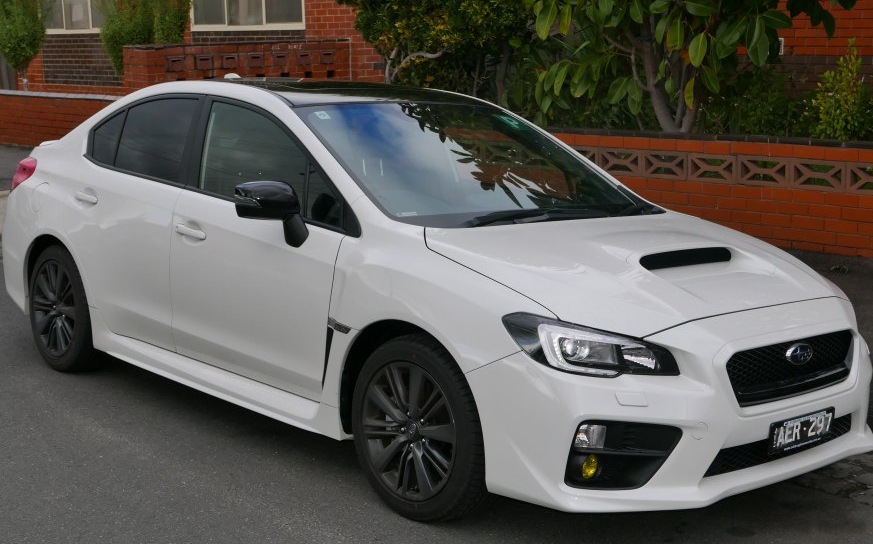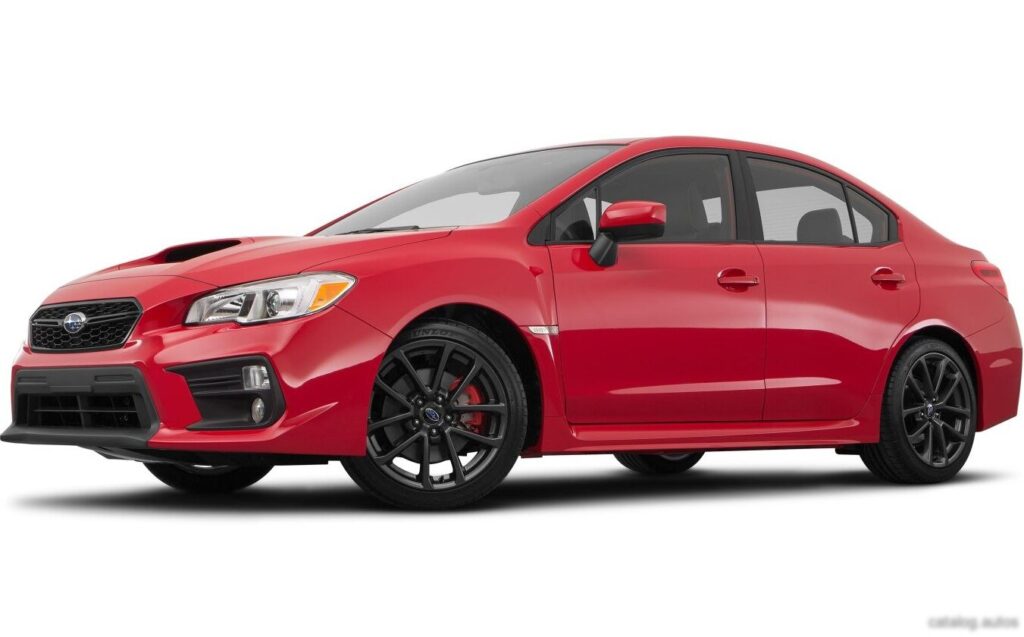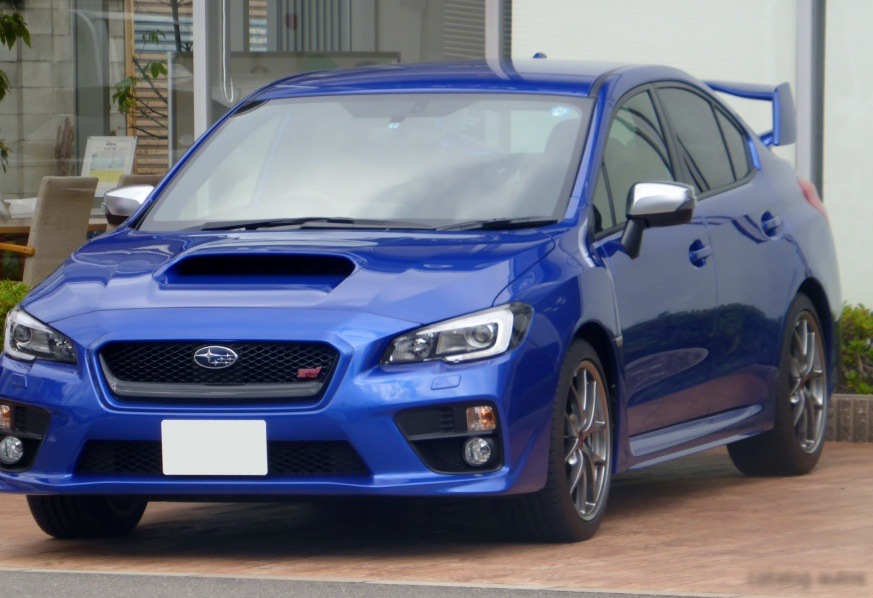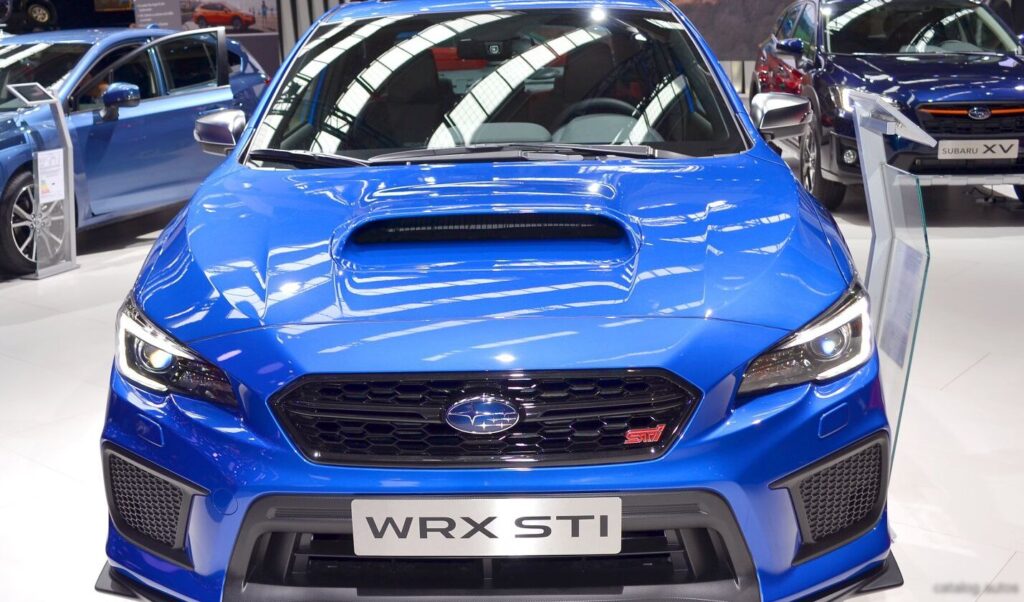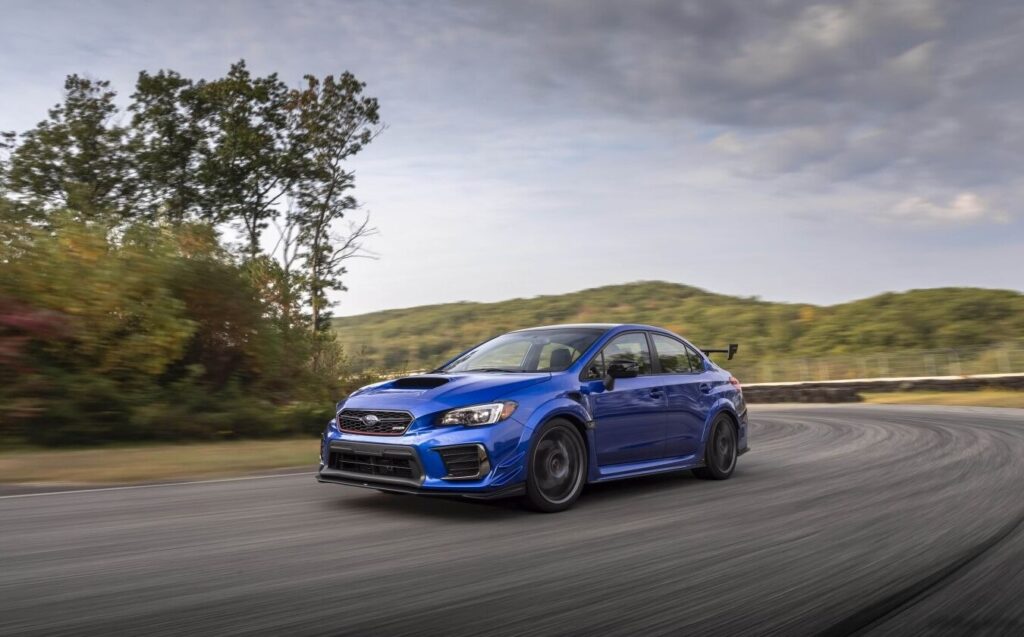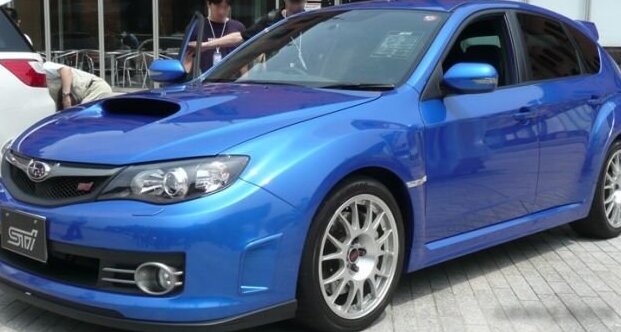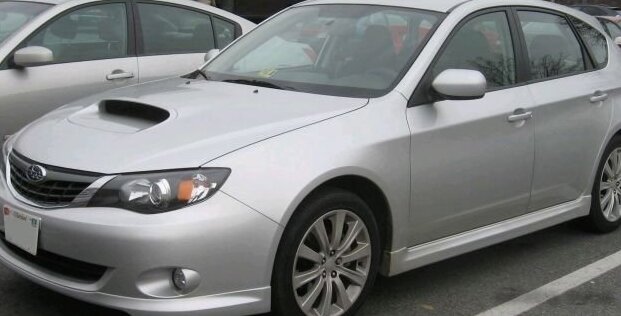
The Subaru WRX Hatchback 2.5, produced between 2007 and 2011, represented a significant expansion of the WRX model line, offering the performance and all-wheel-drive capability enthusiasts expected in a more practical, five-door hatchback body style. This generation, internally designated as the GE/GH chassis, aimed to broaden the WRX’s appeal beyond the traditional sedan buyer, particularly in markets where hatchbacks were favored. The 2.5-liter variant, producing 265 horsepower, sat at the top of the WRX hatchback range, offering a substantial performance upgrade over the base models. It was primarily sold in markets like Europe, Australia, and North America, where the demand for performance hatchbacks was strong.
Technical Specifications
| Brand | Subaru |
| Model | WRX |
| Generation | WRX Hatchback |
| Type (Engine) | 2.5 (265 Hp) |
| Start of production | 2007 |
| End of production | 2011 |
| Powertrain Architecture | Internal Combustion engine |
| Body type | Hatchback |
| Seats | 5 |
| Doors | 5 |
| Fuel consumption (economy) – urban | 14.4 l/100 km (16.3 US mpg, 19.6 UK mpg, 6.9 km/l) |
| Fuel consumption (economy) – extra urban | 8.1 l/100 km (29 US mpg, 34.9 UK mpg, 12.3 km/l) |
| Fuel consumption (economy) – combined | 10.4 l/100 km (22.6 US mpg, 27.2 UK mpg, 9.6 km/l) |
| Fuel Type | Petrol (Gasoline) |
| Acceleration 0 – 100 km/h | 6 sec |
| Acceleration 0 – 62 mph | 6 sec |
| Acceleration 0 – 60 mph | 5.7 sec |
| Maximum speed | 209 km/h (129.87 mph) |
| Weight-to-power ratio | 5.5 kg/Hp, 181.5 Hp/tonne |
| Weight-to-torque ratio | 4.3 kg/Nm, 234.9 Nm/tonne |
| Power | 265 Hp @ 6000 rpm |
| Power per litre | 107.9 Hp/l |
| Torque | 343 Nm @ 4000 rpm (252.98 lb.-ft. @ 4000 rpm) |
| Engine layout | Front, Longitudinal |
| Engine Model/Code | EJ255 |
| Engine displacement | 2457 cm3 (149.94 cu. in.) |
| Number of cylinders | 4 |
| Engine configuration | Boxer |
| Cylinder Bore | 99.5 mm (3.92 in.) |
| Piston Stroke | 79 mm (3.11 in.) |
| Compression ratio | 8.4:1 |
| Number of valves per cylinder | 4 |
| Fuel injection system | Multi-port manifold injection |
| Engine aspiration | Turbocharger, Intercooler |
| Valvetrain | DOHC |
| Engine oil capacity | 4 l (4.23 US qt | 3.52 UK qt) |
| Coolant | 6.7 l (7.08 US qt | 5.9 UK qt) |
| Kerb Weight | 1460 kg (3218.75 lbs.) |
| Trunk (boot) space – minimum | 1130 l (39.91 cu. ft.) |
| Fuel tank capacity | 60 l (15.85 US gal | 13.2 UK gal) |
| Length | 4415 mm (173.82 in.) |
| Width | 1795 mm (70.67 in.) |
| Height | 1475 mm (58.07 in.) |
| Wheelbase | 2625 mm (103.35 in.) |
| Front track | 1530 mm (60.24 in.) |
| Rear (Back) track | 1540 mm (60.63 in.) |
| Minimum turning circle | 11 m (36.09 ft.) |
| Drive wheel | All wheel drive (4×4) |
| Number of gears and type of gearbox | 5 gears, manual transmission |
| Front suspension | Independent type McPherson |
| Rear suspension | Double wishbone |
| Front brakes | Ventilated discs |
| Rear brakes | Disc |
| Assisting systems | ABS (Anti-lock braking system) |
| Steering type | Steering rack and pinion |
| Tires size | 235/45 R17 |
| Wheel rims size | 17 x 8JJ |
Powertrain & Engine Architecture
The heart of the WRX Hatchback 2.5 was the EJ255 2.5-liter turbocharged boxer-four engine. This engine, a hallmark of Subaru’s engineering, featured a horizontally opposed configuration, which contributed to a low center of gravity and improved balance. The EJ255 utilized multi-port fuel injection and an intercooled turbocharger to deliver its 265 horsepower and 252.98 lb-ft of torque. The engine’s robust construction and relatively simple design made it a popular choice for modification and tuning. The standard transmission was a five-speed manual, providing direct control over the engine’s power. The engine’s longitudinal mounting and symmetrical all-wheel-drive system were key components of Subaru’s performance philosophy.
Driving Characteristics
The 2.5-liter WRX Hatchback offered a compelling driving experience. The turbocharger provided a noticeable surge of power in the mid-range, making it responsive for both daily driving and spirited performance. While not as peaky as some smaller displacement turbocharged engines, the EJ255 delivered a broad torque curve, making it easy to manage. The five-speed manual transmission had well-chosen gear ratios, allowing the driver to keep the engine in its optimal power band. Compared to lower-spec WRX models, the 2.5-liter version offered significantly quicker acceleration and a more engaging driving experience. The all-wheel-drive system provided excellent traction in all weather conditions, enhancing both safety and performance.
Equipment & Trim Levels
The WRX Hatchback 2.5 typically came well-equipped, though specific features varied by market. Standard equipment generally included sport seats, a leather-wrapped steering wheel, air conditioning, and a basic audio system. Optional extras often included a sunroof, upgraded audio systems, and various cosmetic enhancements. The interior design was functional and driver-focused, with clear instrumentation and supportive seats. The hatchback body style offered a generous amount of cargo space, making it a practical choice for everyday use.
Chassis & Braking
The WRX Hatchback featured a McPherson strut front suspension and a double-wishbone rear suspension, providing a balance of handling and ride comfort. The suspension was tuned to be firm enough to provide good body control during cornering, but not so harsh as to compromise ride quality. Ventilated disc brakes were used on all four wheels, providing ample stopping power. An Anti-lock Braking System (ABS) was standard, enhancing safety. The chassis was reinforced to handle the increased power of the 2.5-liter engine, ensuring a stable and predictable driving experience.
Market Reception & Comparison
The WRX Hatchback 2.5 was generally well-received by automotive critics. It was praised for its performance, handling, and practicality. Compared to the WRX sedan, the hatchback offered increased cargo space and versatility. It also stood out from competitors like the Mitsubishi Lancer Evolution and the Volkswagen Golf R32, offering a unique combination of all-wheel-drive performance and affordability. Fuel economy was a common criticism, as the turbocharged engine and all-wheel-drive system resulted in relatively high fuel consumption. Reliability was generally good, although the turbocharged engine required regular maintenance to ensure optimal performance.
Legacy
The Subaru WRX Hatchback 2.5 remains a popular choice among enthusiasts today. The EJ255 engine is known for its durability and tunability, making it a favorite among those who enjoy modifying their vehicles. The all-wheel-drive system continues to be a major selling point, providing excellent traction and stability. While finding a well-maintained example can be challenging, the WRX Hatchback 2.5 offers a unique and rewarding driving experience that continues to appeal to a dedicated following. The model helped solidify Subaru’s reputation as a manufacturer of performance vehicles and paved the way for future generations of WRX models.