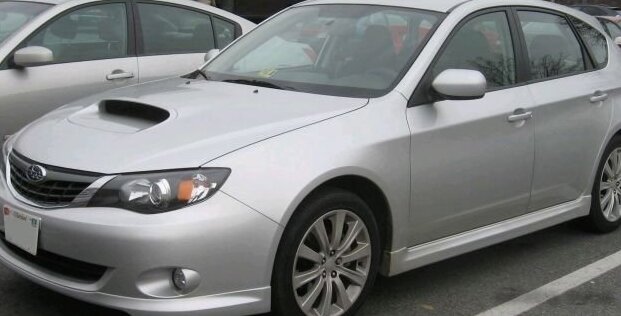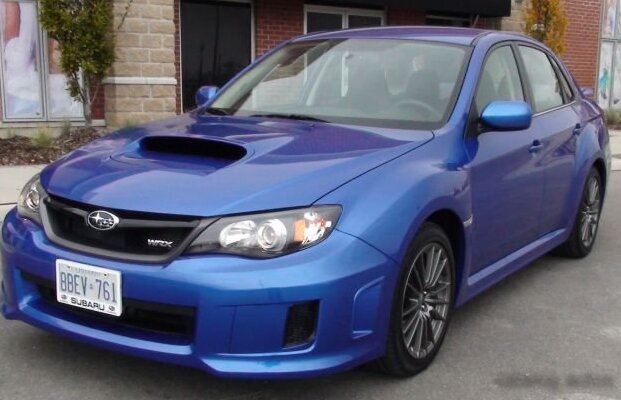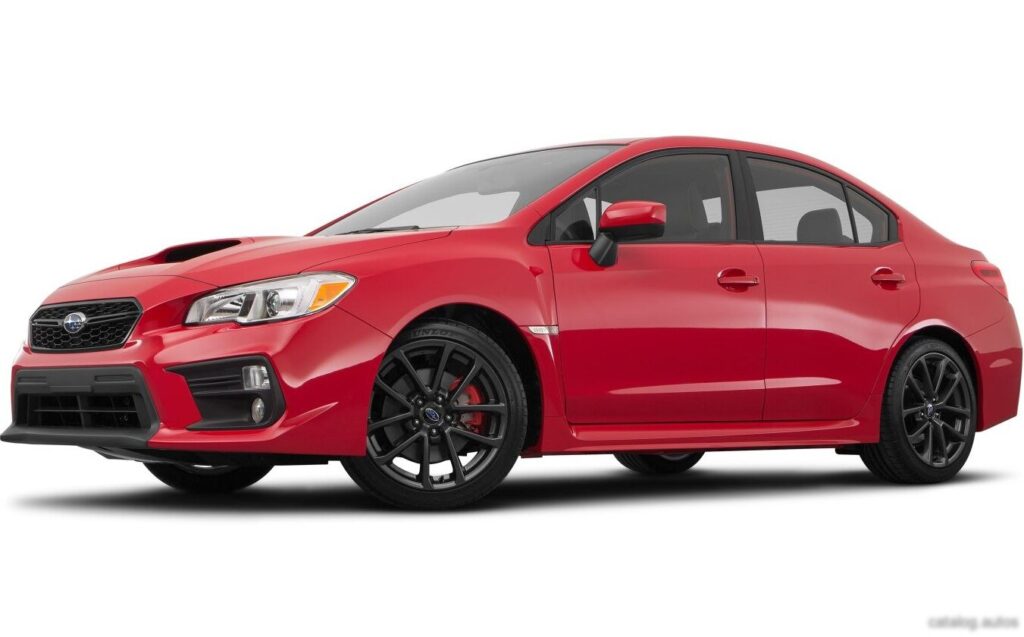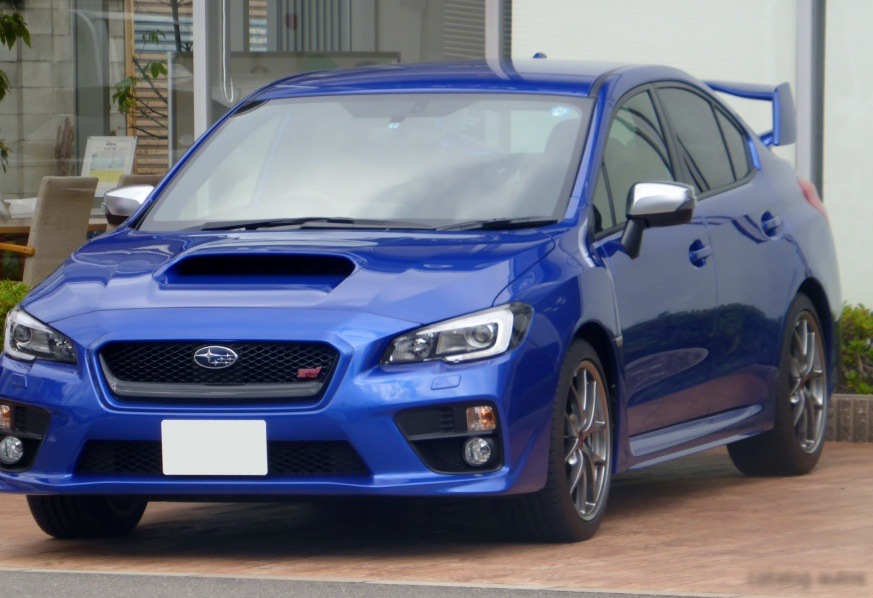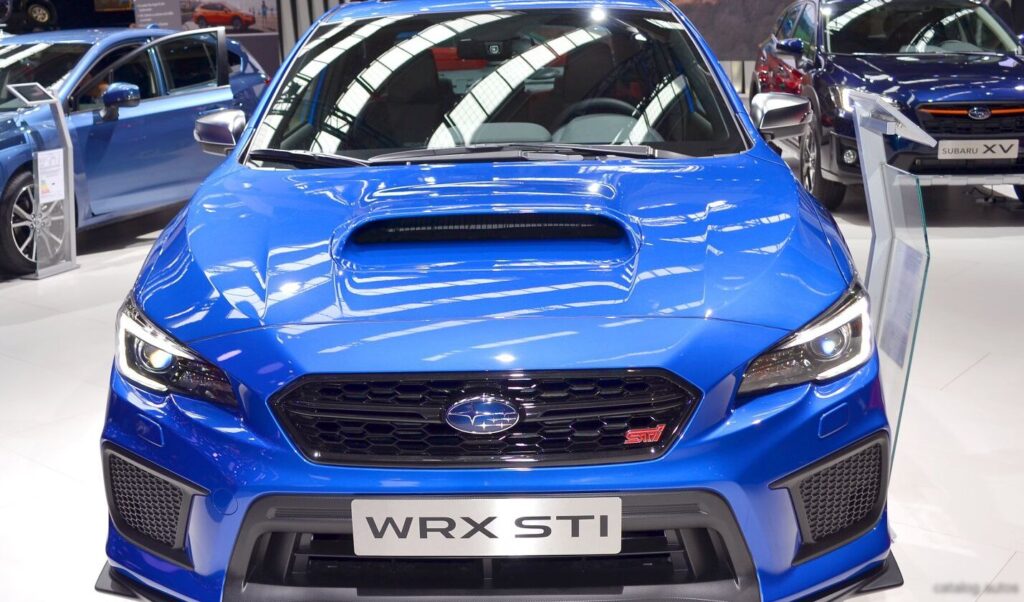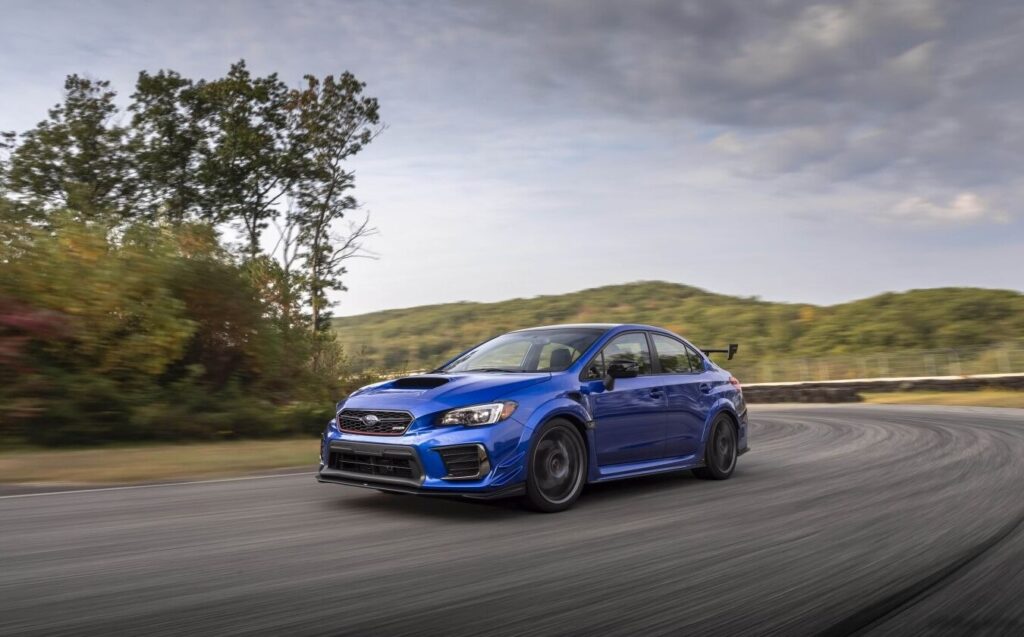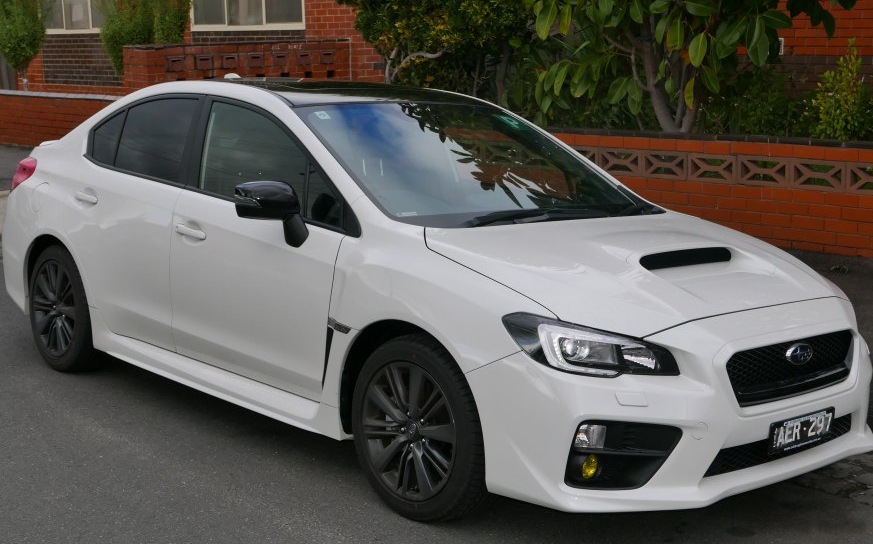
The Subaru WRX Sedan (VA) 2.0, produced from 2014 to 2017, represents the fourth generation of Subaru’s performance-oriented compact car. This iteration marked a significant departure from previous WRX models, being sold as a sedan only – the hatchback body style was relegated to the Impreza range. Positioned as the standard engine option for the North American market, the 2.0-liter turbocharged Boxer engine, delivering 268 horsepower, aimed to provide an accessible entry point into the WRX lineup while still offering the all-wheel-drive performance Subaru is known for. It served as the foundation for the VA chassis, offering a blend of daily drivability and spirited performance, appealing to enthusiasts seeking a capable and engaging driving experience.
Technical Specifications
| Brand | Subaru |
| Model | WRX |
| Generation | WRX Sedan (VA) |
| Type (Engine) | 2.0 (268 Hp) AWD |
| Start of production | 2014 |
| End of production | 2017 |
| Powertrain Architecture | Internal Combustion engine |
| Body type | Sedan |
| Seats | 5 |
| Doors | 4 |
| Fuel consumption (economy) – urban | 11.2 l/100 km (21 US mpg, 25.2 UK mpg, 8.9 km/l) |
| Fuel consumption (economy) – extra urban | 8.7 l/100 km (27 US mpg, 32.5 UK mpg, 11.5 km/l) |
| Fuel Type | Petrol (Gasoline) |
| Weight-to-power ratio | 5.5 kg/Hp, 180.3 Hp/tonne |
| Weight-to-torque ratio | 4.2 kg/Nm, 235.5 Nm/tonne |
| Power | 268 Hp @ 5600 rpm |
| Power per litre | 134.1 Hp/l |
| Torque | 350 Nm @ 2000-5200 rpm (258.15 lb.-ft. @ 2000-5200 rpm) |
| Engine layout | Front, Longitudinal |
| Engine Model/Code | FA20F |
| Engine displacement | 1998 cm3 (121.93 cu. in.) |
| Number of cylinders | 4 |
| Engine configuration | Boxer |
| Cylinder Bore | 86 mm (3.39 in.) |
| Piston Stroke | 86 mm (3.39 in.) |
| Number of valves per cylinder | 4 |
| Fuel injection system | Direct injection |
| Engine aspiration | Turbocharger, Intercooler |
| Valvetrain | DOHC |
| Engine oil capacity | 5.1 l (5.39 US qt | 4.49 UK qt) |
| Coolant | 8.2 l (8.66 US qt | 7.21 UK qt) |
| Kerb Weight | 1486 kg (3276.07 lbs.) |
| Trunk (boot) space – minimum | 340 l (12.01 cu. ft.) |
| Fuel tank capacity | 60 l (15.85 US gal | 13.2 UK gal) |
| Length | 4595 mm (180.91 in.) |
| Width | 1796 mm (70.71 in.) |
| Height | 1476 mm (58.11 in.) |
| Wheelbase | 2649 mm (104.29 in.) |
| Front track | 1529 mm (60.2 in.) |
| Rear (Back) track | 1539 mm (60.59 in.) |
| Drive wheel | All wheel drive (4×4) |
| Number of gears and type of gearbox | 6 gears, manual transmission |
| Front brakes | Ventilated discs |
| Rear brakes | Disc |
| Assisting systems | ABS (Anti-lock braking system) |
| Steering type | Steering rack and pinion |
| Tires size | 235/45 R17 94W |
| Wheel rims size | 8.0J x 17 |
Powertrain & Engine Architecture
The heart of the 2014-2017 WRX Sedan is the FA20F 2.0-liter turbocharged Boxer engine. This engine represented a move away from the EJ257 found in previous generations, offering improved efficiency and responsiveness. The FA20F utilizes direct injection, a technology that precisely meters fuel directly into the combustion chamber, enhancing power and fuel economy. The engine also features a twin-scroll turbocharger, designed to minimize turbo lag and provide a more immediate power delivery. The DOHC (Dual Overhead Camshaft) valvetrain, with four valves per cylinder, further contributes to the engine’s breathing efficiency. The standard transmission for this variant was a six-speed manual, although a continuously variable transmission (CVT) was offered as an option. The FA20F engine code is known for its relative reliability, though preventative maintenance, particularly oil changes, is crucial due to the stresses placed on the engine by the turbocharger.
Driving Characteristics
The 268-horsepower output of the FA20F, coupled with Subaru’s symmetrical all-wheel-drive system, delivers a confident and engaging driving experience. While not as brutally fast as higher-spec WRX models or the WRX STI, the 2.0-liter engine provides ample power for both daily commuting and spirited driving. The six-speed manual transmission offers precise shifts and allows the driver to fully exploit the engine’s powerband. The all-wheel-drive system provides excellent traction in a variety of conditions, making the WRX a capable performer year-round. Compared to the optional CVT, the manual transmission offers a more connected and rewarding driving experience, though the CVT prioritizes fuel efficiency. The gear ratios are tuned to provide a balance between acceleration and cruising comfort.
Equipment & Trim Levels
The base WRX trim level, equipped with the 2.0-liter engine and manual transmission, came standard with features such as automatic climate control, a touchscreen infotainment system, Bluetooth connectivity, and a rearview camera. Interior upholstery typically consisted of cloth seats, though leather options were available. Optional extras included a sunroof, premium audio system, and keyless entry. The WRX also featured Subaru’s EyeSight driver-assist technology, which included adaptive cruise control, lane departure warning, and pre-collision braking. The overall interior design was functional and sporty, prioritizing driver engagement over luxury.
Chassis & Braking
The VA chassis WRX utilizes a MacPherson strut front suspension and a double-wishbone rear suspension, providing a comfortable yet controlled ride. The suspension tuning is firmer than that of a standard Impreza, reflecting the WRX’s performance-oriented nature. Braking duties are handled by ventilated discs at all four corners, providing ample stopping power. Anti-lock brakes (ABS) are standard, enhancing safety and control. The base WRX typically featured smaller brake rotors compared to higher-spec models, but still offered adequate performance for most driving situations. Stabilizer bars were fitted front and rear to reduce body roll during cornering.
Market Reception & Comparison
The 2014-2017 Subaru WRX Sedan received generally positive reviews from automotive critics. The 2.0-liter engine was praised for its responsiveness and fuel efficiency, while the all-wheel-drive system was lauded for its all-weather capability. However, some critics noted that the engine lacked the raw power of previous WRX models. Compared to the higher-spec WRX Premium trim, the base model offered a more affordable entry point into the WRX lineup, but lacked some of the premium features and upgraded components. Fuel economy was respectable for a performance car, averaging around 21 mpg in the city and 27 mpg on the highway. Reliability was generally good, though owners should be mindful of regular maintenance, particularly oil changes.
Legacy
The Subaru WRX Sedan (VA) 2.0 remains a popular choice in the used car market. The FA20F engine has proven to be relatively durable, provided it is properly maintained. The combination of all-wheel-drive performance, a sporty driving experience, and reasonable fuel economy makes it an attractive option for enthusiasts seeking a capable and engaging compact car. The VA generation WRX helped to solidify Subaru’s reputation as a manufacturer of performance vehicles, and continues to be a sought-after model among Subaru enthusiasts. Its accessible price point and readily available aftermarket support contribute to its enduring appeal.