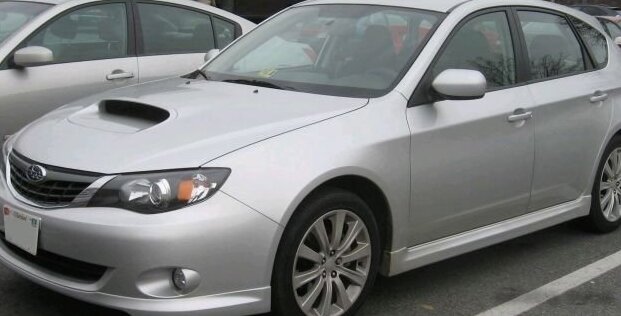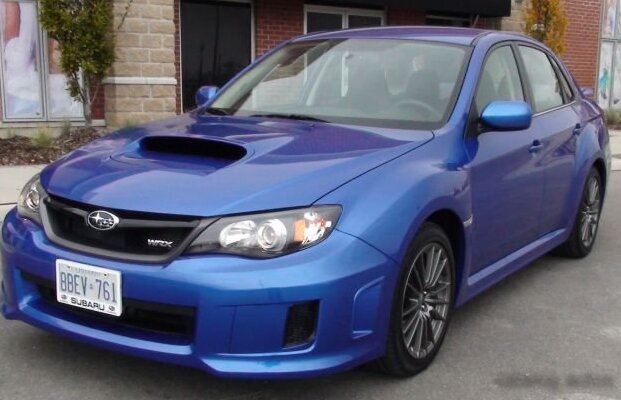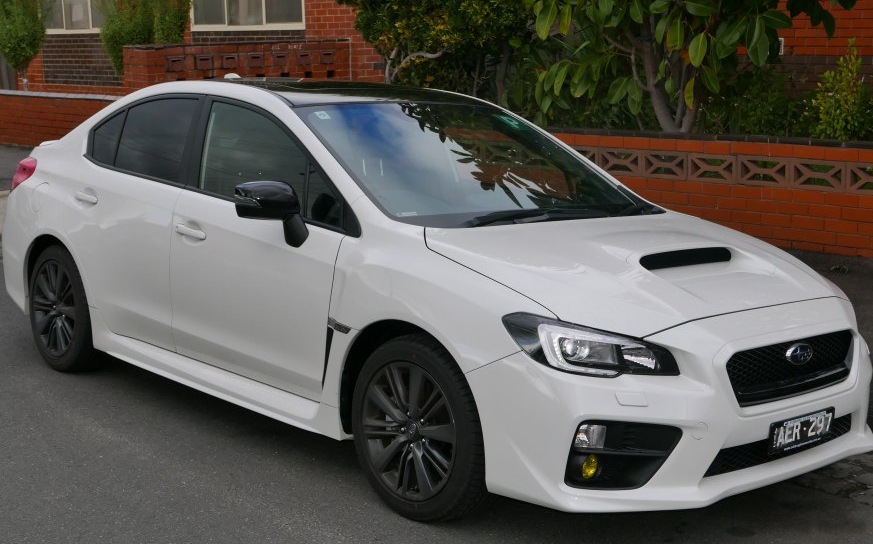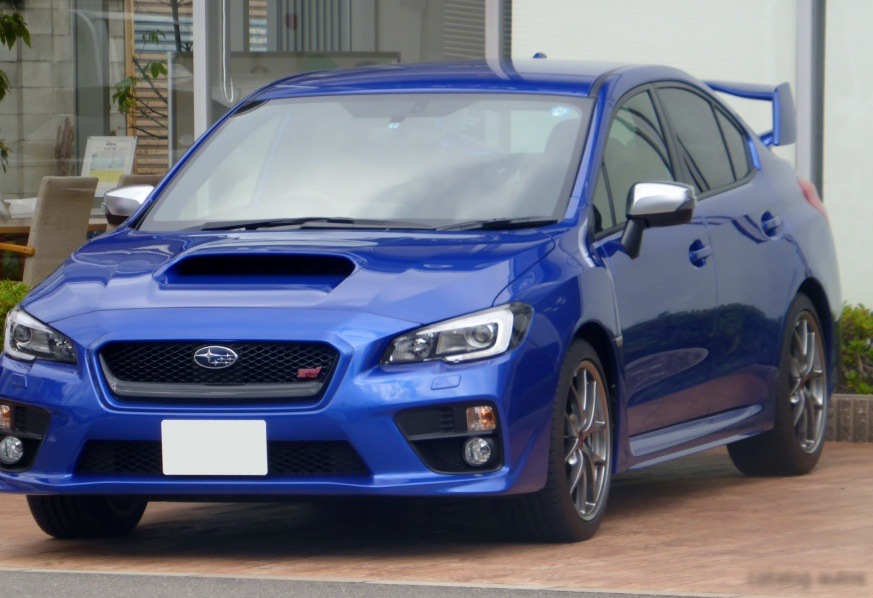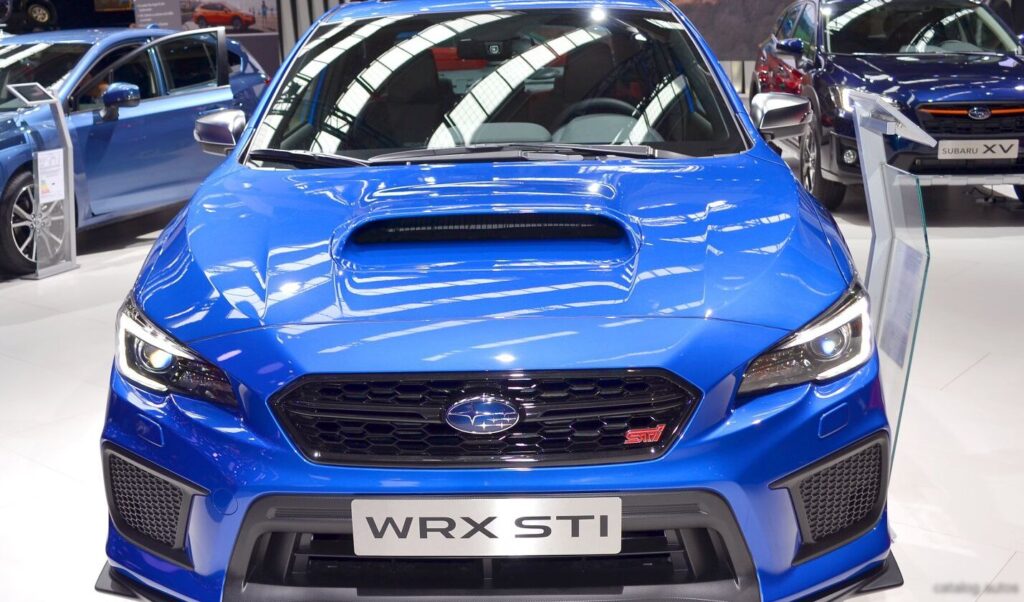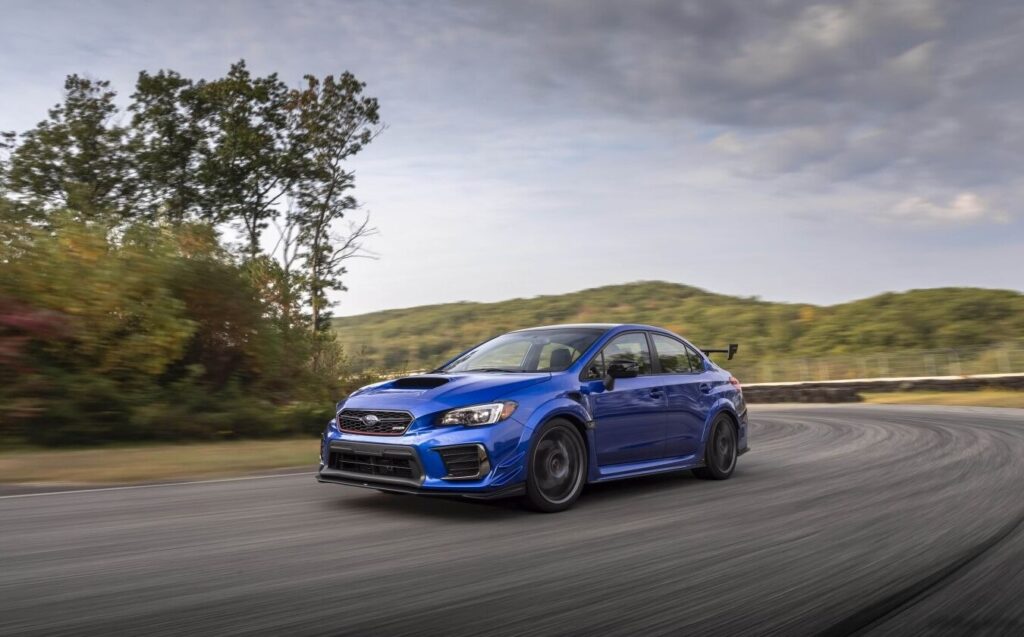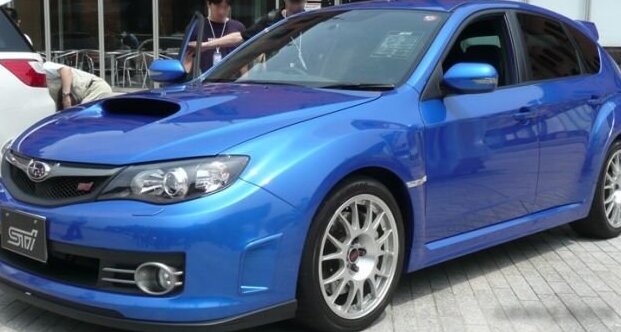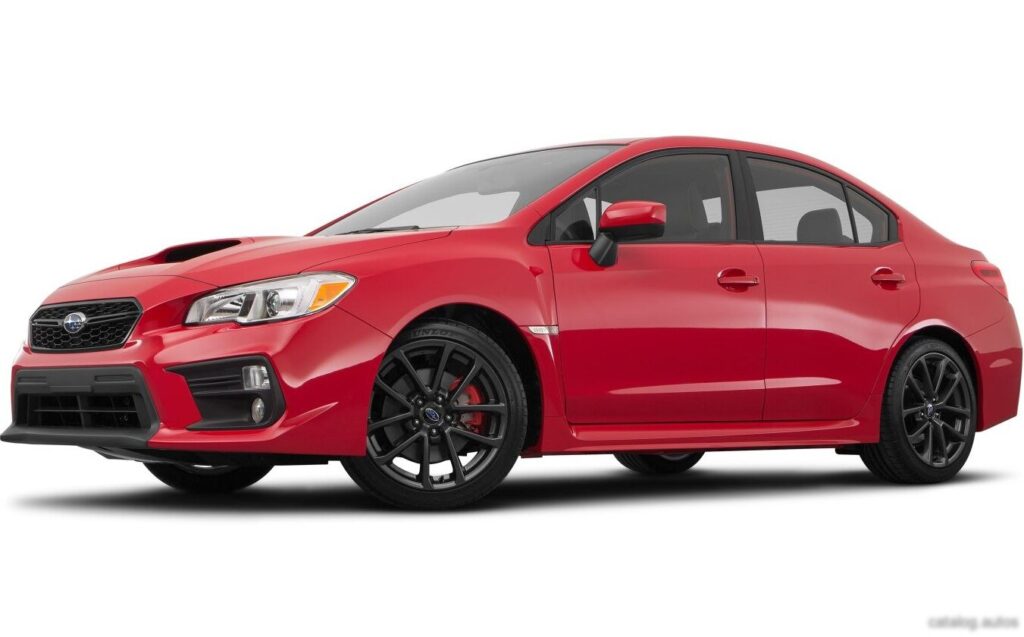
The Subaru WRX Sedan (VA) facelift, produced from 2017 to September 2021, represents a significant evolution of the performance-oriented WRX lineage. This iteration, specifically the 2.0-liter (1998cc) turbocharged variant producing 268 horsepower, solidified the WRX’s position as a compelling all-wheel-drive sports sedan in the North American market. Positioned as the primary performance offering within the WRX range, it catered to enthusiasts seeking a blend of daily usability and spirited driving dynamics. The “VA” chassis designation refers to the model generation, with the 2017 facelift bringing styling updates, revised suspension tuning, and enhanced interior features compared to earlier VA models.
Technical Specifications
| Brand | Subaru |
| Model | WRX |
| Generation | WRX Sedan (VA) (facelift 2017) |
| Type (Engine) | 2.0 (268 Hp) AWD |
| Start of production | 2017 |
| End of production | September, 2021 |
| Powertrain Architecture | Internal Combustion engine |
| Body type | Sedan |
| Seats | 5 |
| Doors | 4 |
| Fuel consumption (urban) | 11.2 l/100 km (21 US mpg, 25.2 UK mpg, 8.9 km/l) |
| Fuel consumption (extra urban) | 8.7 l/100 km (27 US mpg, 32.5 UK mpg, 11.5 km/l) |
| Fuel consumption (combined) | 10.2 l/100 km (23.1 US mpg, 27.7 UK mpg, 9.8 km/l) |
| Fuel Type | Petrol (Gasoline) |
| Weight-to-power ratio | 5.6 kg/Hp, 179.4 Hp/tonne |
| Weight-to-torque ratio | 4.3 kg/Nm, 234.3 Nm/tonne |
| Power | 268 Hp @ 5600 rpm |
| Power per litre | 134.1 Hp/l |
| Torque | 350 Nm @ 2000-5200 rpm (258.15 lb.-ft. @ 2000-5200 rpm) |
| Engine layout | Front, Longitudinal |
| Engine Model/Code | FA20F |
| Engine displacement | 1998 cm3 (121.93 cu. in.) |
| Number of cylinders | 4 |
| Engine configuration | Boxer |
| Cylinder Bore | 86 mm (3.39 in.) |
| Piston Stroke | 86 mm (3.39 in.) |
| Compression ratio | 10.6:1 |
| Number of valves per cylinder | 4 |
| Fuel injection system | Direct injection |
| Engine aspiration | Turbocharger, Intercooler |
| Valvetrain | DOHC, AVCS |
| Engine oil capacity | 5.1 l (5.39 US qt | 4.49 UK qt) |
| Coolant capacity | 8.2 l (8.66 US qt | 7.21 UK qt) |
| Kerb Weight | 1494-1528 kg (3293.71 – 3368.66 lbs.) |
| Trunk (boot) space | 340 l (12.01 cu. ft.) |
| Fuel tank capacity | 60 l (15.85 US gal | 13.2 UK gal) |
| Length | 4595 mm (180.91 in.) |
| Width | 1796 mm (70.71 in.) |
| Height | 1476 mm (58.11 in.) |
| Wheelbase | 2649 mm (104.29 in.) |
| Front track | 1529 mm (60.2 in.) |
| Rear track | 1539 mm (60.59 in.) |
| Ride height (ground clearance) | 124 mm (4.88 in.) |
| Minimum turning circle | 10.8-11 m (35.43 – 36.09 ft.) |
| Drivetrain Architecture | All wheel drive (4×4) |
| Number of gears | 6 |
| Gearbox type | Manual transmission |
| Front suspension | Independent, McPherson with coil spring and anti-roll bar |
| Rear suspension | Double wishbone |
| Front brakes | Ventilated discs, 314.96 mm |
| Rear brakes | Disc, 287.02 mm |
| Assisting systems | ABS (Anti-lock braking system) |
| Steering type | Steering rack and pinion |
| Power steering | Electric |
| Tires size | 235/45 R17; 245/40 R18 |
| Wheel rims size | 8J x 17; 8.5J x 18 |
Powertrain & Engine Architecture
The heart of the 2017-2021 WRX is the FA20F 2.0-liter turbocharged Boxer engine. This horizontally-opposed four-cylinder engine is a key component of Subaru’s engineering philosophy, offering a low center of gravity for improved handling. The FA20F utilizes direct injection, a twin-scroll turbocharger, and Subaru’s Active Valve Control System (AVCS) on both intake and exhaust camshafts. Direct injection enhances combustion efficiency and power output, while the twin-scroll turbocharger minimizes turbo lag and broadens the torque curve. The 6-speed manual transmission was standard, providing precise gear changes and a direct connection to the engine. The engine’s robust construction and advanced technologies contribute to its ability to deliver consistent performance under demanding conditions.
Driving Characteristics
The 268-horsepower WRX with a manual transmission delivers a distinctly engaging driving experience. The Boxer engine provides a unique sound and feel, and the all-wheel-drive system offers exceptional grip in various weather conditions. While not as brutally quick as some higher-performance variants, the 2.0-liter turbo engine provides ample power for spirited driving and everyday commuting. The manual gearbox is well-matched to the engine’s powerband, allowing for precise control and responsive acceleration. The all-wheel-drive system distributes power effectively, minimizing wheelspin and maximizing traction. Compared to potential upgrades like aftermarket tuning, the stock 2.0L provides a balanced and reliable performance profile.
Equipment & Trim Levels
The 2017-2021 WRX came in several trim levels, with the base model offering a solid foundation of features. Standard equipment typically included automatic climate control, a touchscreen infotainment system with Apple CarPlay and Android Auto compatibility, and a suite of safety features like ABS, stability control, and multiple airbags. Higher trims added features such as a premium audio system, leather upholstery, heated front seats, and a sunroof. The WRX also offered a range of optional extras, including performance exhaust systems, upgraded brakes, and various cosmetic enhancements.
Chassis & Braking
The WRX utilizes a MacPherson strut front suspension and a double-wishbone rear suspension, providing a balance of comfort and handling precision. The suspension is tuned to provide a firm but controlled ride, minimizing body roll during cornering. Braking duties are handled by ventilated discs at all four corners, providing ample stopping power. The standard ABS system prevents wheel lockup during hard braking, enhancing stability and control. The chassis is reinforced to handle the increased power and stresses associated with performance driving.
Market Reception & Comparison
The 2017-2021 Subaru WRX was generally well-received by automotive critics, praised for its engaging driving dynamics, standard all-wheel drive, and practical hatchback body style. The 2.0-liter turbo engine was considered a good compromise between performance and fuel economy. Compared to other sports sedans in its price range, the WRX offered a unique combination of features and capabilities. While some critics noted the interior could be more refined, the WRX’s overall value and performance made it a popular choice among enthusiasts. Fuel economy was respectable for a performance car, averaging around 23 mpg in combined driving.
Legacy
The FA20F engine, in its various iterations, has proven to be a reliable and durable powerplant. The 2017-2021 WRX continues to hold its value in the used car market, attracting buyers who appreciate its performance potential and all-weather capability. The WRX’s reputation for reliability and its strong aftermarket support make it a popular choice for modification and customization. The VA generation WRX, and specifically the 2.0-liter turbo variant, represents a significant chapter in the WRX’s ongoing legacy as a performance icon.