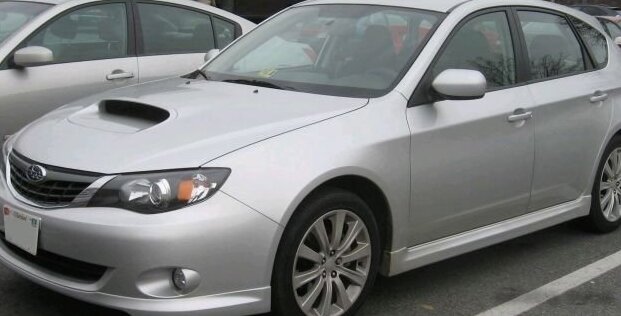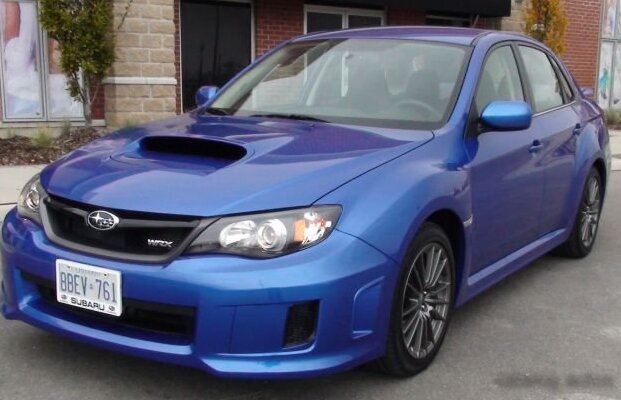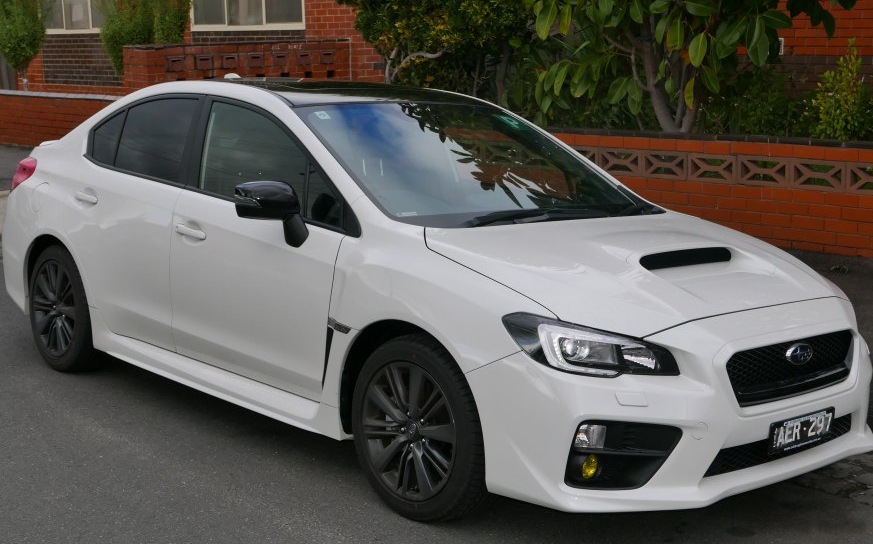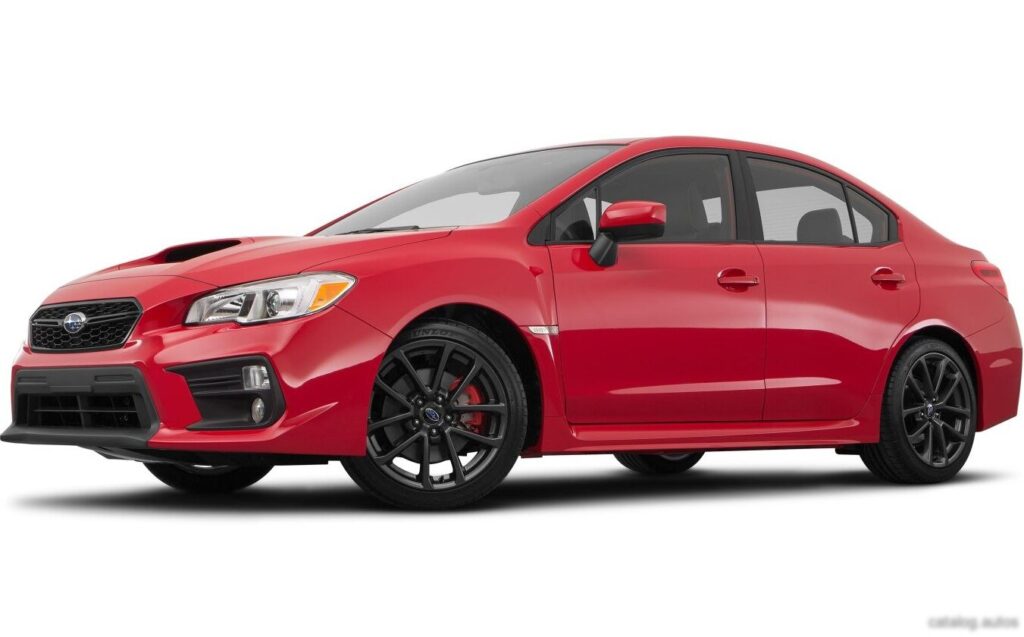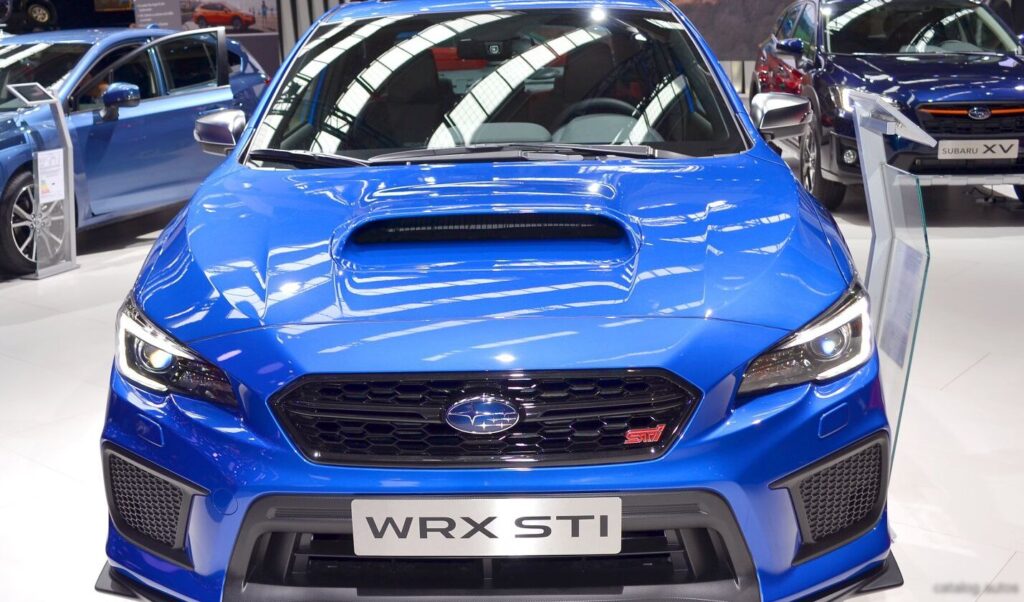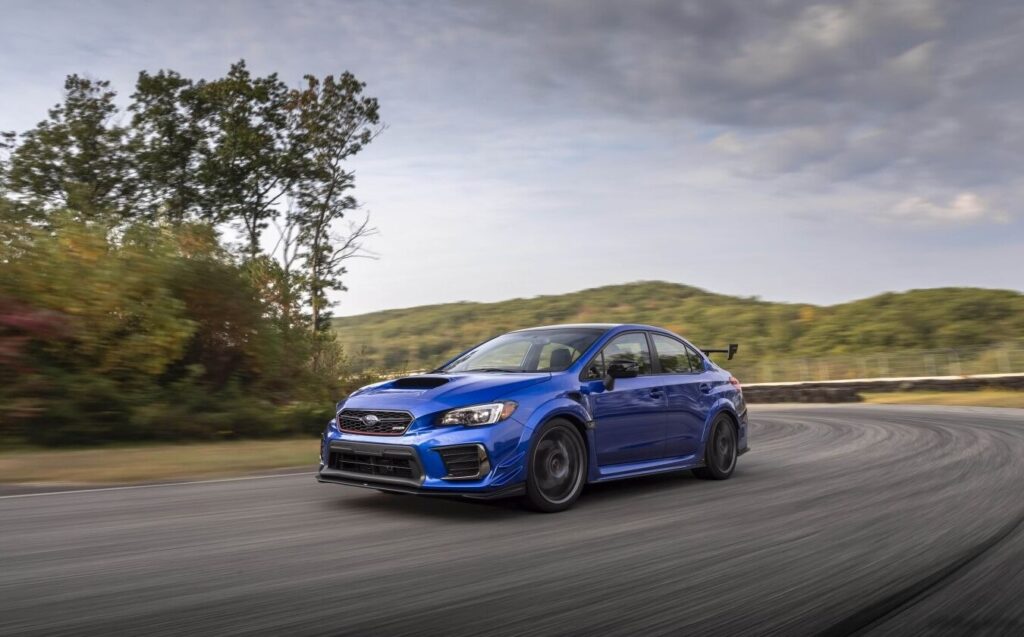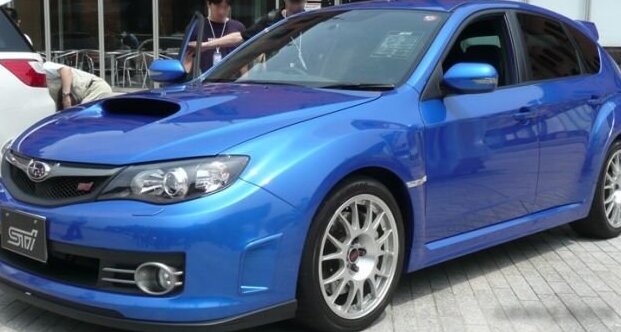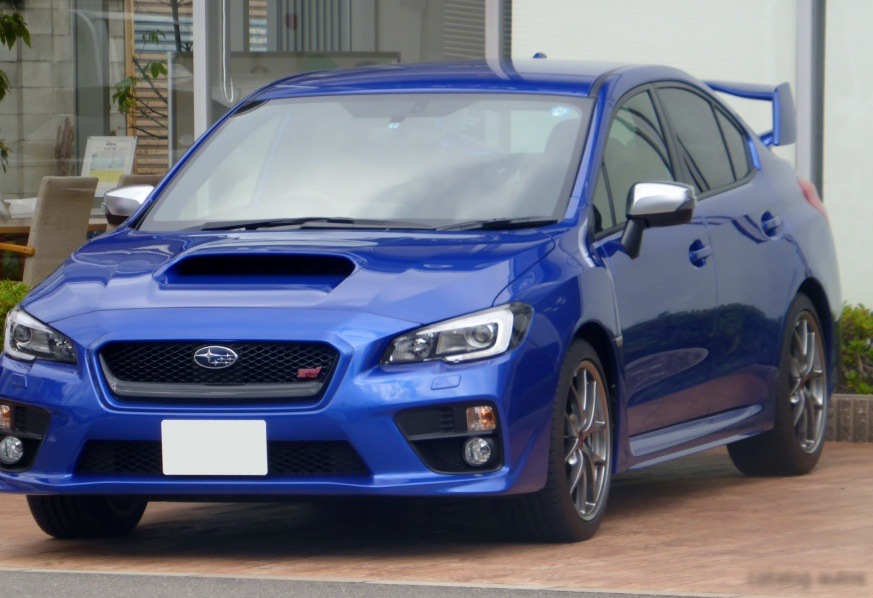
The Subaru WRX STI 2.5, produced between 2014 and 2017, represents the culmination of Subaru’s rally-bred performance sedan lineage. This iteration of the STI, based on the VA chassis, continued the tradition of offering a potent combination of all-wheel drive, a turbocharged boxer engine, and a driver-focused experience. Positioned as the top-tier performance variant of the WRX line, the 2.5-liter STI aimed to deliver uncompromising performance for enthusiasts, both on the street and the track. It served as a direct competitor to vehicles like the Mitsubishi Lancer Evolution, though the Evo was discontinued in 2016, leaving the STI largely unchallenged in its segment.
Technical Specifications
| Brand | Subaru |
| Model | WRX |
| Generation | WRX STI |
| Type (Engine) | 2.5 (300 Hp) AWD |
| Start of production | 2014 |
| End of production | 2017 |
| Powertrain Architecture | Internal Combustion engine |
| Body type | Sedan |
| Seats | 5 |
| Doors | 4 |
| Fuel consumption (urban) | 14 l/100 km (16.8 US mpg) |
| Fuel consumption (extra urban) | 8.4 l/100 km (28 US mpg) |
| Fuel consumption (combined) | 10.4 l/100 km (22.6 US mpg) |
| CO2 emissions | 242 g/km |
| Fuel Type | Petrol (Gasoline) |
| Acceleration 0 – 100 km/h | 5.2 sec |
| Acceleration 0 – 62 mph | 5.2 sec |
| Acceleration 0 – 60 mph | 4.9 sec |
| Maximum speed | 255 km/h (158.45 mph) |
| Emission standard | Euro 6 |
| Weight-to-power ratio | 5 kg/Hp |
| Weight-to-torque ratio | 3.7 kg/Nm |
| Power | 300 Hp @ 6000 rpm |
| Torque | 407 Nm @ 4000 rpm (300.19 lb.-ft. @ 4000 rpm) |
| Engine layout | Front, Longitudinal |
| Engine Model/Code | EJ257 |
| Engine displacement | 2457 cm3 (149.94 cu. in.) |
| Number of cylinders | 4 |
| Engine configuration | Boxer |
| Cylinder Bore | 99.5 mm (3.92 in.) |
| Piston Stroke | 79 mm (3.11 in.) |
| Compression ratio | 8.2:1 |
| Number of valves per cylinder | 4 |
| Fuel injection system | Multi-port manifold injection |
| Engine aspiration | Turbocharger, Intercooler |
| Valvetrain | DOHC |
| Engine oil capacity | 4.3 l (4.54 US qt | 3.78 UK qt) |
| Coolant | 7.7 l (8.14 US qt | 6.78 UK qt) |
| Kerb Weight | 1500 kg (3306.93 lbs.) |
| Trunk (boot) space – minimum | 460 l (16.24 cu. ft.) |
| Fuel tank capacity | 60 l (15.85 US gal | 13.2 UK gal) |
| Length | 4595 mm (180.91 in.) |
| Width | 1795 mm (70.67 in.) |
| Height | 1475 mm (58.07 in.) |
| Wheelbase | 2650 mm (104.33 in.) |
| Front track | 1530 mm (60.24 in.) |
| Rear (Back) track | 1540 mm (60.63 in.) |
| Ride height (ground clearance) | 135 mm (5.31 in.) |
| Minimum turning circle (turning diameter) | 11 m (36.09 ft.) |
| Drive wheel | All wheel drive (4×4) |
| Number of gears and type of gearbox | 6 gears, manual transmission |
| Front suspension | Independent type McPherson |
| Rear suspension | Double wishbone |
| Front brakes | Ventilated discs |
| Rear brakes | Ventilated discs |
| Assisting systems | ABS (Anti-lock braking system) |
| Steering type | Steering rack and pinion |
| Tires size | 245/40 R18 |
| Wheel rims size | 8.5J x 18 |
Powertrain & Engine Architecture
The heart of the 2014-2017 STI is the 2.5-liter EJ257 boxer engine. This horizontally-opposed four-cylinder engine benefits from a closed-deck block design for increased strength, crucial for handling the stresses of forced induction. The engine utilizes multi-point fuel injection and is fed by a twin-scroll turbocharger with an intercooler, producing 300 horsepower at 6,000 rpm and 290 lb-ft of torque at 4,000 rpm. The engine’s flat configuration contributes to a low center of gravity, enhancing handling characteristics. The sole transmission option was a robust six-speed manual gearbox, reinforcing the STI’s focus on driver engagement. The engine code, EJ257, is a hallmark of Subaru performance engines, and this specific iteration was refined for improved responsiveness and durability.
Driving Characteristics
The 2.5-liter STI delivers a raw and engaging driving experience. The combination of all-wheel drive and the manual transmission provides exceptional grip and control, particularly in adverse weather conditions. While the 300 horsepower output isn’t class-leading by modern standards, the engine’s strong mid-range torque and the responsive throttle make it feel quicker than the numbers suggest. The six-speed gearbox features closely spaced ratios, allowing the driver to keep the engine in its powerband. Compared to the standard WRX, the STI offers a significantly firmer suspension and more direct steering, resulting in a more focused and less comfortable ride. The turbo lag is noticeable, but manageable, and the engine builds power linearly as it climbs towards its peak.
Equipment & Trim Levels
The STI came relatively well-equipped, though Subaru kept the focus on performance rather than luxury. Standard features included sport seats with bolstering, a leather-wrapped steering wheel, automatic climate control, and a basic infotainment system. Exterior styling cues included a prominent rear wing, unique alloy wheels, and aggressive front and rear bumpers. Optional extras included a premium sound system, navigation, and Recaro sport seats. The interior, while functional, was relatively spartan compared to some competitors, prioritizing a driver-centric layout.
Chassis & Braking
The STI’s chassis is significantly reinforced compared to the standard WRX, featuring additional bracing and stiffer springs. The suspension utilizes inverted MacPherson struts at the front and a double-wishbone setup at the rear. Braking duties are handled by ventilated discs at all four corners, providing ample stopping power. The STI also benefits from a torque-vectoring system, which actively distributes power between the front and rear wheels, and side-to-side across the rear axle, to enhance cornering agility. The brake system, while effective, could suffer from fade under extreme track use.
Market Reception & Comparison
The 2014-2017 Subaru WRX STI was generally well-received by automotive critics, praised for its performance, handling, and all-weather capability. However, some reviewers criticized its relatively dated interior and fuel economy. Compared to the standard WRX, the STI offered a substantial performance upgrade, but at a higher price point. The STI’s fuel economy, averaging around 22.6 mpg combined, was lower than many of its competitors. Reliability was generally good, though preventative maintenance, particularly regarding oil changes, was crucial for the longevity of the EJ257 engine.
Legacy
The 2014-2017 Subaru WRX STI remains a popular choice among enthusiasts. The EJ257 engine, while known for its potential maintenance needs, is a robust and tunable powerplant. The STI’s all-wheel-drive system and manual transmission continue to appeal to drivers who prioritize engagement and control. On the used car market, well-maintained examples command a premium, reflecting the car’s enduring appeal and its status as a modern classic. The STI’s legacy as a rally-inspired performance sedan is secure, and it continues to be a benchmark for affordable, all-weather performance.