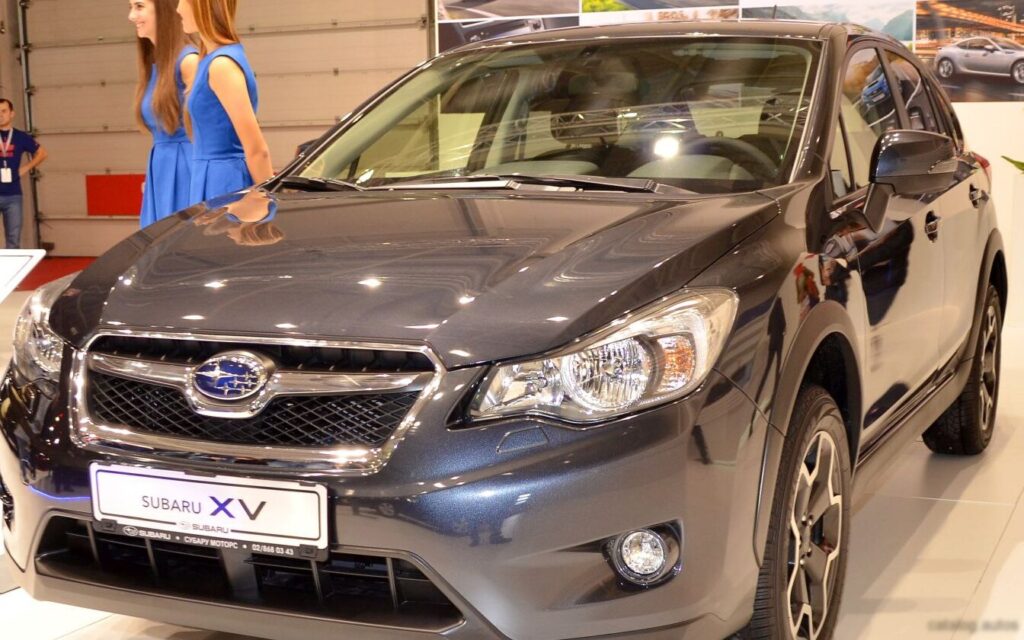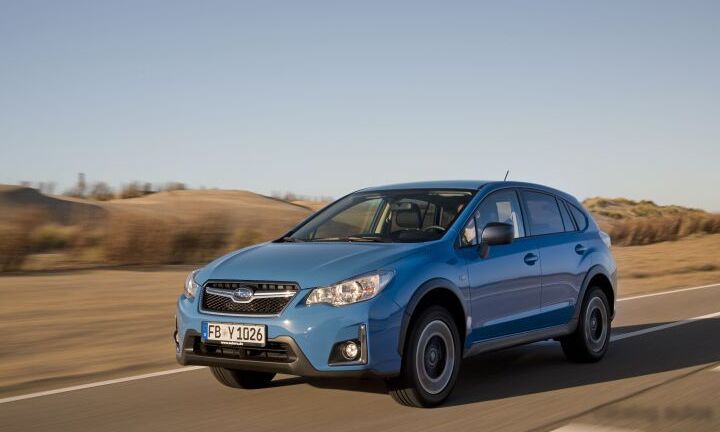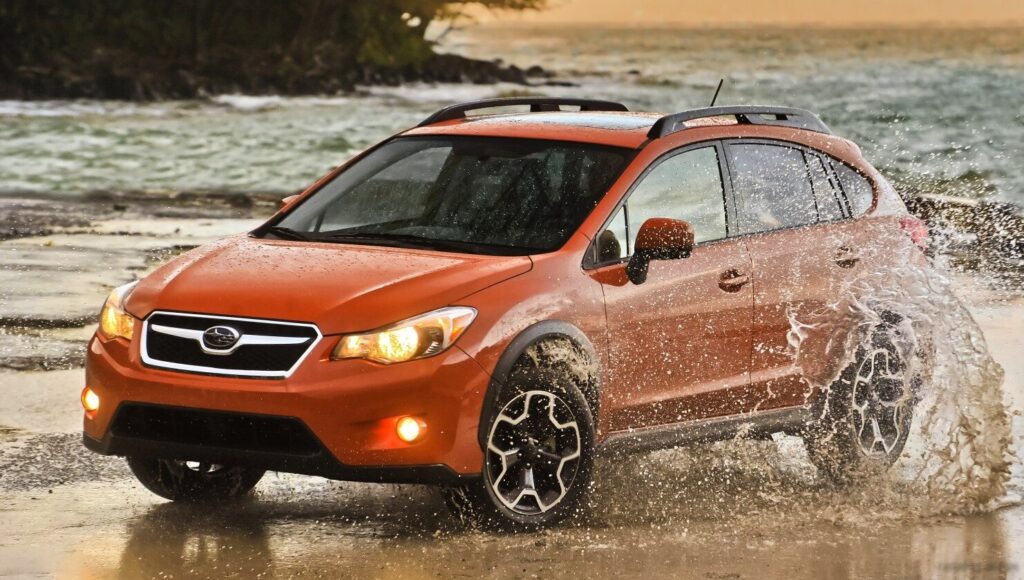
The Subaru XV Crosstrek, known as the Crosstrek in North America, represents Subaru’s entry into the subcompact crossover SUV segment. Introduced for the 2013 model year (as the XV Crosstrek outside of North America), this first generation – designated the XV Crosstrek I – quickly gained popularity for its standard all-wheel drive, fuel efficiency, and practical design. The 2.0-liter variant, producing 148 horsepower, served as the primary engine option throughout its production run, which concluded in 2015. This particular configuration aimed to balance affordability with Subaru’s renowned capability, positioning itself as an accessible all-weather vehicle for a broad range of buyers.
Technical Specifications
| Brand | Subaru |
| Model | Crosstrek |
| Generation | XV Crosstrek I |
| Type (Engine) | 2.0 (148 Hp) AWD |
| Start of production | 2013 |
| End of production | 2015 |
| Powertrain Architecture | Internal Combustion engine |
| Body type | SUV, Crossover |
| Seats | 5 |
| Doors | 5 |
| Fuel consumption (urban) | 10.2 l/100 km (23.1 US mpg) |
| Fuel consumption (extra urban) | 7.8 l/100 km (30.2 US mpg) |
| Fuel consumption (combined) | 9 l/100 km (26.1 US mpg) |
| Fuel Type | Petrol (Gasoline) |
| Weight-to-power ratio | 9.5 kg/Hp |
| Weight-to-torque ratio | 7.1 kg/Nm |
| Power | 148 Hp @ 6200 rpm |
| Power per litre | 74.2 Hp/l |
| Torque | 197 Nm @ 4200 rpm (145.3 lb.-ft. @ 4200 rpm) |
| Engine layout | Front, Longitudinal |
| Engine Model/Code | FB20 |
| Engine displacement | 1995 cm3 (121.74 cu. in.) |
| Number of cylinders | 4 |
| Engine configuration | Boxer |
| Cylinder Bore | 84 mm (3.31 in.) |
| Piston Stroke | 90 mm (3.54 in.) |
| Compression ratio | 10.5:1 |
| Number of valves per cylinder | 4 |
| Fuel injection system | Multi-port manifold injection |
| Engine aspiration | Naturally aspirated engine |
| Valvetrain | DOHC |
| Engine oil capacity | 4.8 l (5.07 US qt | 4.22 UK qt) |
| Coolant capacity | 7.5 l (7.93 US qt | 6.6 UK qt) |
| Kerb Weight | 1400-1440 kg (3086.47 – 3174.66 lbs.) |
| Trunk (boot) space – minimum | 631 l (22.28 cu. ft.) |
| Trunk (boot) space – maximum | 1470 l (51.91 cu. ft.) |
| Fuel tank capacity | 60 l (15.85 US gal | 13.2 UK gal) |
| Length | 4450 mm (175.2 in.) |
| Width | 1781 mm (70.12 in.) |
| Width including mirrors | 1986 mm (78.19 in.) |
| Height | 1615 mm (63.58 in.) |
| Wheelbase | 2634 mm (103.7 in.) |
| Front track | 1524 mm (60 in.) |
| Rear track | 1524 mm (60 in.) |
| Ride height (ground clearance) | 221 mm (8.7 in.) |
| Minimum turning circle | 10.6 m (34.78 ft.) |
| Front brakes | Ventilated discs, 11.6 mm |
| Rear brakes | Disc, 10.8 mm |
| Tires size | 225/55 R17 |
| Wheel rims size | 7J x 17 |
| Number of gears | 5 |
| Type of gearbox | Manual transmission |
Powertrain & Engine Architecture
The heart of the XV Crosstrek 2.0 is the FB20 2.0-liter horizontally-opposed (Boxer) four-cylinder engine. This engine, a hallmark of Subaru engineering, was designed for improved efficiency and reduced vibration compared to traditional inline engines. The FB20 utilizes multi-point fuel injection and a double overhead camshaft (DOHC) valvetrain with four valves per cylinder. The engine’s longitudinal mounting, coupled with a five-speed manual transmission, directs power to all four wheels via Subaru’s symmetrical all-wheel drive system. This system employs a continuously variable multi-plate clutch to distribute torque between the front and rear axles, enhancing traction in various conditions. The FB20 engine was known for its relatively simple design, contributing to its overall reliability.
Driving Characteristics
The 2.0-liter engine, paired with the five-speed manual transmission, provided adequate, though not exhilarating, performance. With 148 horsepower and 145 lb-ft of torque, acceleration was best described as steady. The manual transmission offered precise shifts, but the relatively wide gear ratios meant drivers often needed to downshift to maintain momentum, especially when climbing hills or overtaking. Compared to potential higher-output engine options (which weren’t offered in the US market for this generation), the 2.0L felt less responsive. However, the all-wheel drive system provided confident handling and stability, particularly on slippery surfaces. The suspension, tuned for comfort, absorbed bumps effectively, making it a pleasant daily driver.
Equipment & Trim Levels
The XV Crosstrek 2.0 typically came standard with features like air conditioning, power windows and locks, a basic audio system, and stability control. Higher trim levels, such as the Premium, added amenities like a touchscreen infotainment system, alloy wheels, and upgraded interior materials. Optional extras included a sunroof, heated front seats, and a rearview camera. Interior upholstery was generally cloth, with leather options available on the Premium trim. The dashboard layout was functional and straightforward, prioritizing ease of use over stylistic flair.
Chassis & Braking
The XV Crosstrek I utilized a McPherson strut front suspension and a double-wishbone rear suspension, providing a comfortable ride and predictable handling. The generous 8.7 inches of ground clearance, a key selling point, allowed for confident off-road excursions. Braking duties were handled by ventilated discs up front and solid discs in the rear. Anti-lock brakes (ABS) were standard. The chassis was designed to be lightweight, contributing to the vehicle’s fuel efficiency and agility. Stabilizer bars were included both front and rear to minimize body roll during cornering.
Market Reception & Comparison
The XV Crosstrek 2.0 was generally well-received by automotive critics. It was praised for its standard all-wheel drive, fuel economy, and practicality. However, some reviewers noted the engine’s lack of power, particularly when fully loaded or driving uphill. Compared to other subcompact crossovers of the time, the Crosstrek stood out with its standard AWD, a feature often reserved for higher trim levels in competing models. Fuel economy was competitive, averaging around 26 mpg in combined driving. Reliability was generally good, with the FB20 engine proving to be durable.
Legacy
The first-generation XV Crosstrek established a strong foundation for Subaru’s presence in the subcompact crossover segment. The FB20 engine, while not a powerhouse, proved to be a reliable and fuel-efficient powerplant. Today, used XV Crosstreks from this era remain relatively affordable and are sought after by buyers looking for a capable and dependable all-weather vehicle. The combination of all-wheel drive, practicality, and Subaru’s reputation for longevity continues to make this generation a viable option in the used car market. While maintenance costs are generally reasonable, owners should be mindful of routine servicing, including oil changes and timing belt replacements (typically recommended around 105,000 miles).