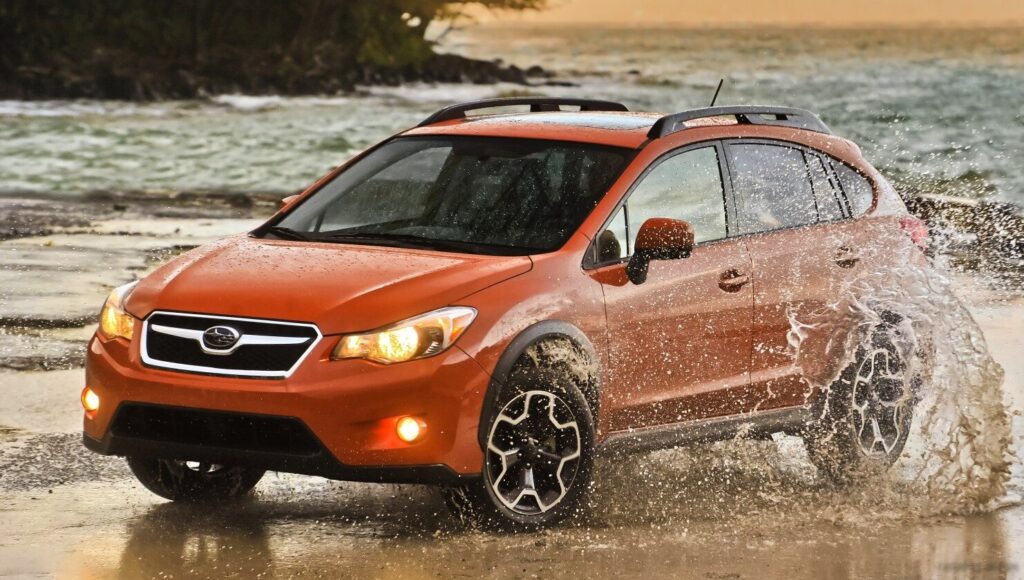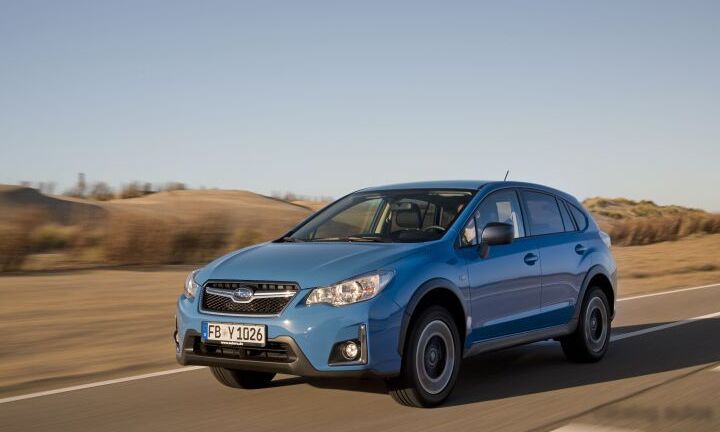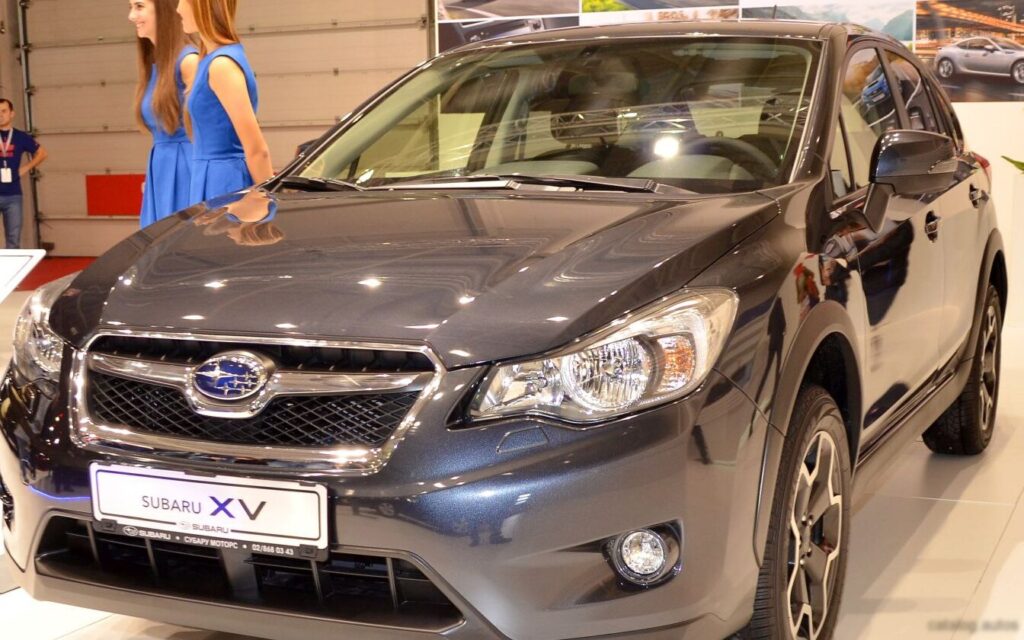
The Subaru XV, known as the Subaru Crosstrek in the North American market, represents Subaru’s entry into the burgeoning compact crossover SUV segment. Introduced in 2011 for the 2012 model year, the first generation XV (internally designated as the GP7/GP8) aimed to blend the practicality of a hatchback with the increased ride height and all-weather capability synonymous with the Subaru brand. The 2.0D variant, powered by a turbocharged diesel engine producing 147 horsepower, was a significant offering, particularly in European and Asian markets where diesel fuel was more prevalent and economically advantageous. Production of the first generation XV continued through 2016, establishing a foothold for Subaru in a rapidly growing segment.
Technical Specifications
| Brand | Subaru |
| Model | XV |
| Generation | XV I |
| Type (Engine) | 2.0D (147 Hp) |
| Start of production | 2011 |
| End of production | 2016 |
| Powertrain Architecture | Internal Combustion engine |
| Body type | SUV |
| Seats | 5 |
| Doors | 5 |
| Fuel consumption (urban) | 6.8 l/100 km (34.6 US mpg) |
| Fuel consumption (extra urban) | 5 l/100 km (47 US mpg) |
| Fuel consumption (combined) | 5.6 l/100 km (42 US mpg) |
| Fuel Type | Diesel |
| Acceleration 0 – 100 km/h | 9.3 sec |
| Acceleration 0 – 62 mph | 9.3 sec |
| Acceleration 0 – 60 mph | 8.8 sec |
| Maximum speed | 198 km/h (123.03 mph) |
| Weight-to-power ratio | 9.8 kg/Hp |
| Weight-to-torque ratio | 4.1 kg/Nm |
| Power | 147 Hp @ 3600 rpm |
| Torque | 350 Nm @ 1600-2400 rpm (258.15 lb.-ft.) |
| Engine layout | Front, Longitudinal |
| Engine Model/Code | EE20 |
| Engine displacement | 1998 cm3 (121.93 cu. in.) |
| Number of cylinders | 4 |
| Engine configuration | Boxer |
| Cylinder Bore | 86 mm (3.39 in.) |
| Piston Stroke | 86 mm (3.39 in.) |
| Compression ratio | 16:1 |
| Number of valves per cylinder | 4 |
| Fuel injection system | Diesel Commonrail |
| Engine aspiration | Turbocharger, Intercooler |
| Valvetrain | DOHC |
| Engine oil capacity | 5.9 l (6.23 US qt | 5.19 UK qt) |
| Coolant | 8.5 l (8.98 US qt | 7.48 UK qt) |
| Kerb Weight | 1435 kg (3163.63 lbs.) |
| Trunk (boot) space – minimum | 1270 l (44.85 cu. ft.) |
| Fuel tank capacity | 60 l (15.85 US gal | 13.2 UK gal) |
| Length | 4450 mm (175.2 in.) |
| Width | 1780 mm (70.08 in.) |
| Height | 1570 mm (61.81 in.) |
| Wheelbase | 2635 mm (103.74 in.) |
| Front track | 1525 mm (60.04 in.) |
| Rear (Back) track | 1525 mm (60.04 in.) |
| Minimum turning circle | 10.6 m (34.78 ft.) |
| Drive wheel | All wheel drive (4×4) |
| Number of gears | 6 gears, manual transmission |
| Front suspension | Independent type McPherson |
| Rear suspension | Double wishbone |
| Front brakes | Ventilated discs |
| Rear brakes | Disc |
| Assisting systems | ABS (Anti-lock braking system) |
| Steering type | Steering rack and pinion |
| Tires size | 225/55 R17 |
| Wheel rims size | 7J x 17 |
Powertrain & Engine Architecture
The heart of the XV 2.0D is the EE20 diesel engine, a 2.0-liter (1998cc) horizontally-opposed (boxer) four-cylinder. This engine was a key component of Subaru’s diesel strategy for the European market. The EE20 utilizes a common rail direct injection system, delivering fuel at extremely high pressure for optimized combustion. A turbocharger with an intercooler is employed to boost power and torque, providing 147 horsepower at 3600 rpm and a substantial 350 Nm (258 lb-ft) of torque between 1600 and 2400 rpm. The engine features a double overhead camshaft (DOHC) valvetrain with four valves per cylinder. The manual transmission offered with this variant is a six-speed unit, designed to efficiently manage the engine’s torque output and provide a balance between performance and fuel economy. The longitudinally mounted engine and symmetrical all-wheel drive system are hallmarks of Subaru engineering, contributing to the vehicle’s stability and handling characteristics.
Driving Characteristics
The 2.0D variant of the XV offered a different driving experience compared to the gasoline-powered models. While not overtly sporty, the diesel engine’s abundant low-end torque made it a capable performer in everyday driving situations. The six-speed manual transmission allowed for precise control, and the gear ratios were well-suited to maximizing fuel efficiency without sacrificing responsiveness. Acceleration from 0-60 mph took approximately 8.8 seconds, and top speed was rated at 123 mph. Compared to the gasoline engines, the diesel offered superior fuel economy, making it an attractive option for drivers covering long distances. However, the diesel engine was noticeably louder and less refined than its gasoline counterparts, a common characteristic of diesel engines of that era.
Equipment & Trim Levels
The XV 2.0D typically came equipped with a reasonable level of standard features. Depending on the specific market and optional packages, these often included air conditioning, power windows and mirrors, a basic audio system with CD player, and alloy wheels. Safety features such as ABS, electronic brakeforce distribution, and multiple airbags were standard. Higher trim levels offered upgrades such as a sunroof, leather upholstery, automatic climate control, and a more advanced audio system with navigation. The interior design was functional and practical, prioritizing usability over luxury. The XV aimed to provide a comfortable and well-equipped cabin without excessive frills.
Chassis & Braking
The XV’s chassis was designed to provide a comfortable ride and stable handling. The front suspension utilized McPherson struts, while the rear employed a double wishbone setup. This configuration offered a good balance between ride quality and handling precision. Disc brakes were fitted to all four wheels, providing adequate stopping power. The XV’s all-wheel drive system was a key feature, providing enhanced traction and stability in various weather conditions. The system typically operated in front-wheel drive mode under normal conditions, automatically engaging the rear wheels when slip was detected. The vehicle’s weight of approximately 3164 lbs contributed to its relatively nimble handling characteristics.
Market Reception & Comparison
The Subaru XV 2.0D was generally well-received by automotive critics, particularly in Europe and Asia. Reviewers praised its fuel efficiency, spacious interior, and all-weather capability. However, some criticized the engine’s noise and lack of refinement compared to gasoline alternatives. Compared to other compact crossovers, the XV stood out for its standard all-wheel drive system and its unique boxer engine configuration. The 2.0D variant offered a compelling alternative to gasoline-powered models for drivers prioritizing fuel economy and torque. Its reliability was generally considered good, although diesel engines can be more complex and potentially more expensive to maintain than gasoline engines.
Legacy
The Subaru XV 2.0D, while not a high-volume seller in all markets, played a significant role in establishing Subaru as a competitor in the compact crossover segment. The EE20 diesel engine, while eventually phased out due to tightening emissions regulations, proved to be a durable and reliable powerplant. Today, used examples of the first-generation XV 2.0D can be found at reasonable prices, offering a practical and capable vehicle for those seeking all-wheel drive capability and good fuel economy. The XV’s success paved the way for subsequent generations of the Crosstrek, which continue to build on the original’s strengths and appeal to a growing audience of crossover buyers.