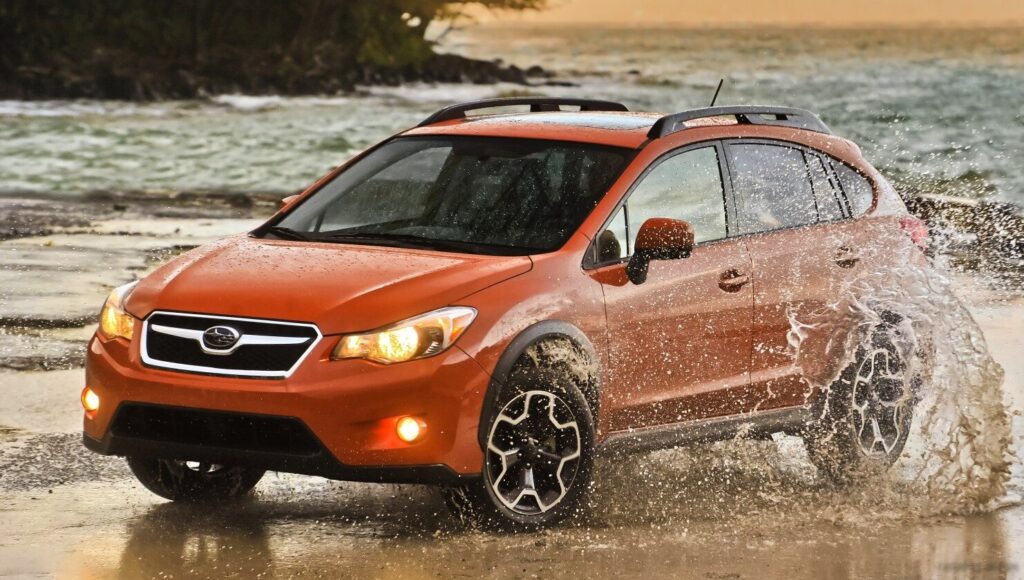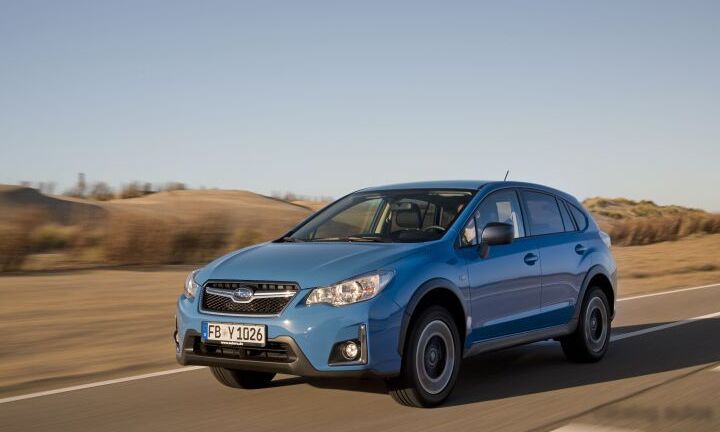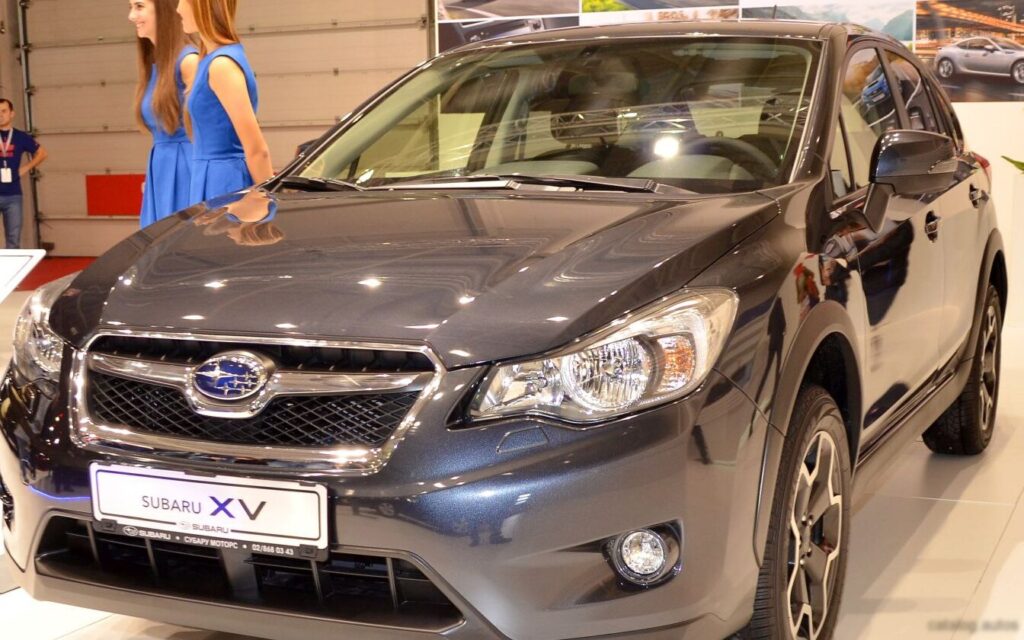
The Subaru XV, known as the Subaru Crosstrek in the North American market, is a compact crossover SUV introduced by Subaru in 2011. The first generation, designated XV I, spanned from 2011 to 2016 and represented Subaru’s entry into the burgeoning crossover segment. The 2.0DL variant, powered by a 2.0-liter diesel engine producing 109 horsepower, was a significant offering, particularly in European and Asian markets where diesel fuel was more prevalent and economically advantageous. This model aimed to provide a balance of fuel efficiency, practicality, and Subaru’s renowned symmetrical all-wheel drive system.
Technical Specifications
| Brand | Subaru |
| Model | XV |
| Generation | XV I |
| Type (Engine) | 2.0DL (109 Hp) |
| Start of production | 2011 |
| End of production | 2016 |
| Powertrain Architecture | Internal Combustion engine |
| Body type | SUV |
| Seats | 5 |
| Doors | 5 |
| Fuel consumption (urban) | 6.8 l/100 km (34.6 US mpg) |
| Fuel consumption (extra urban) | 5 l/100 km (47 US mpg) |
| Fuel consumption (combined) | 5.6 l/100 km (42 US mpg) |
| Fuel Type | Diesel |
| Acceleration 0 – 100 km/h | 9.3 sec |
| Acceleration 0 – 62 mph | 9.3 sec |
| Acceleration 0 – 60 mph | 8.8 sec |
| Maximum speed | 175 km/h (108.74 mph) |
| Weight-to-power ratio | 13.2 kg/Hp |
| Weight-to-torque ratio | 4.6 kg/Nm |
| Power | 109 Hp @ 3600 rpm |
| Torque | 310 Nm @ 1600-2200 rpm (228.64 lb.-ft.) |
| Engine layout | Front, Longitudinal |
| Engine Model/Code | EE20 |
| Engine displacement | 1998 cm3 (121.93 cu. in.) |
| Number of cylinders | 4 |
| Engine configuration | Boxer |
| Cylinder Bore | 86 mm (3.39 in.) |
| Piston Stroke | 86 mm (3.39 in.) |
| Compression ratio | 16:1 |
| Number of valves per cylinder | 4 |
| Fuel injection system | Diesel Commonrail |
| Engine aspiration | Turbocharger, Intercooler |
| Valvetrain | DOHC |
| Engine oil capacity | 5.9 l (6.23 US qt | 5.19 UK qt) |
| Coolant | 8.5 l (8.98 US qt | 7.48 UK qt) |
| Kerb Weight | 1435 kg (3163.63 lbs.) |
| Trunk (boot) space (minimum) | 1270 l (44.85 cu. ft.) |
| Fuel tank capacity | 60 l (15.85 US gal | 13.2 UK gal) |
| Length | 4450 mm (175.2 in.) |
| Width | 1780 mm (70.08 in.) |
| Height | 1570 mm (61.81 in.) |
| Wheelbase | 2635 mm (103.74 in.) |
| Front track | 1525 mm (60.04 in.) |
| Rear track | 1525 mm (60.04 in.) |
| Minimum turning circle | 10.6 m (34.78 ft.) |
| Drive wheel | All wheel drive (4×4) |
| Number of gears | 6 |
| Gearbox type | Manual transmission |
| Front suspension | Independent type McPherson |
| Rear suspension | Double wishbone |
| Front brakes | Ventilated discs |
| Rear brakes | Disc |
| Assisting systems | ABS (Anti-lock braking system) |
| Steering type | Steering rack and pinion |
| Tires size | 225/55 R17 |
| Wheel rims size | 7J x 17 |
INTRODUCTION
The Subaru XV I 2.0DL, produced between 2011 and 2016, was a key variant within the first generation of Subaru’s XV line. Positioned as a more fuel-efficient alternative to the gasoline-powered models, the 2.0DL catered to European and Asian buyers seeking a practical and economical crossover. Built on the Subaru Impreza platform (G3/GP), it shared many components with its hatchback sibling but offered increased ground clearance and a more rugged aesthetic. The 2.0DL trim typically sat in the mid-range of the XV lineup, offering a good balance of features and affordability.
Powertrain & Engine Architecture
The heart of the XV 2.0DL is the EE20 diesel engine, a 2.0-liter horizontally-opposed (Boxer) four-cylinder. This engine is characterized by its compact design and inherently balanced operation, contributing to reduced vibration. The EE20 utilizes a common rail direct injection system, delivering fuel directly into the combustion chamber at extremely high pressure for optimized combustion. A turbocharger with an intercooler is employed to boost power and torque, providing 109 horsepower at 3600 rpm and a substantial 310 Nm (228.64 lb.-ft.) of torque between 1600 and 2200 rpm. The engine features a double overhead camshaft (DOHC) valvetrain with four valves per cylinder. The 2.0DL was exclusively offered with a six-speed manual transmission, designed to maximize fuel efficiency and provide a more engaging driving experience. The transmission’s gear ratios were tuned to take advantage of the engine’s strong low-end torque.
Driving Characteristics
The 2.0DL variant of the Subaru XV offered a distinctly different driving experience compared to the gasoline-powered models. The diesel engine’s abundant low-end torque made it feel surprisingly punchy, especially during everyday driving situations. While not a performance-oriented vehicle, the 9.3-second 0-62 mph acceleration was respectable for its class. The six-speed manual transmission allowed for precise control over the engine’s power delivery. Compared to the higher-output gasoline versions, the 2.0DL prioritized fuel economy and relaxed cruising over outright speed. The symmetrical all-wheel drive system provided excellent traction in various conditions, a hallmark of Subaru vehicles. The suspension, tuned for comfort, absorbed bumps effectively, but the higher ride height resulted in some body roll during cornering.
Equipment & Trim Levels
The 2.0DL trim level typically included standard features such as air conditioning, power windows and mirrors, a basic audio system with CD player, and alloy wheels. Safety features included ABS brakes, electronic brakeforce distribution, and multiple airbags. Optional extras often included a sunroof, upgraded audio system with Bluetooth connectivity, and parking sensors. Interior upholstery was typically cloth, with a functional and durable design. The dashboard layout was straightforward and user-friendly, prioritizing practicality over luxury. The 2.0DL aimed to provide a well-equipped and comfortable interior without the premium price tag of higher trim levels.
Chassis & Braking
The Subaru XV I utilized a unibody construction, providing a good balance of rigidity and weight. The front suspension featured independent McPherson struts, while the rear employed a double wishbone setup. This configuration provided a comfortable ride and predictable handling. The 2.0DL variant, being a mid-range trim, typically featured ventilated disc brakes at the front and solid disc brakes at the rear. The braking system was assisted by ABS (Anti-lock Braking System) and EBD (Electronic Brakeforce Distribution) for enhanced safety. The stabilizer bars, while present, were relatively modest in thickness, reflecting the vehicle’s focus on comfort and practicality rather than sporty handling.
Market Reception & Comparison
The Subaru XV 2.0DL received generally positive reviews, particularly for its fuel efficiency and all-wheel drive capability. Critics praised the engine’s torque and the comfortable ride quality. However, some noted that the manual transmission could feel notchy, and the interior, while functional, lacked the refinement of some competitors. Compared to the gasoline-powered XV models, the 2.0DL offered significantly better fuel economy, making it an attractive option for drivers covering long distances. Compared to other diesel crossovers in its class, the XV 2.0DL stood out for its standard all-wheel drive system and Subaru’s reputation for reliability.
Legacy
The EE20 diesel engine, while generally reliable, has been known to exhibit issues with the diesel particulate filter (DPF) if not properly maintained or if primarily used for short trips. Regular servicing and the use of high-quality diesel fuel are crucial for long-term reliability. Today, the Subaru XV I 2.0DL remains a relatively affordable and practical used car option. Its all-wheel drive system and fuel efficiency continue to appeal to buyers seeking a versatile and economical crossover. While not as common as the gasoline-powered models, the 2.0DL has established a loyal following among those who appreciate its unique blend of practicality, efficiency, and Subaru’s renowned engineering.