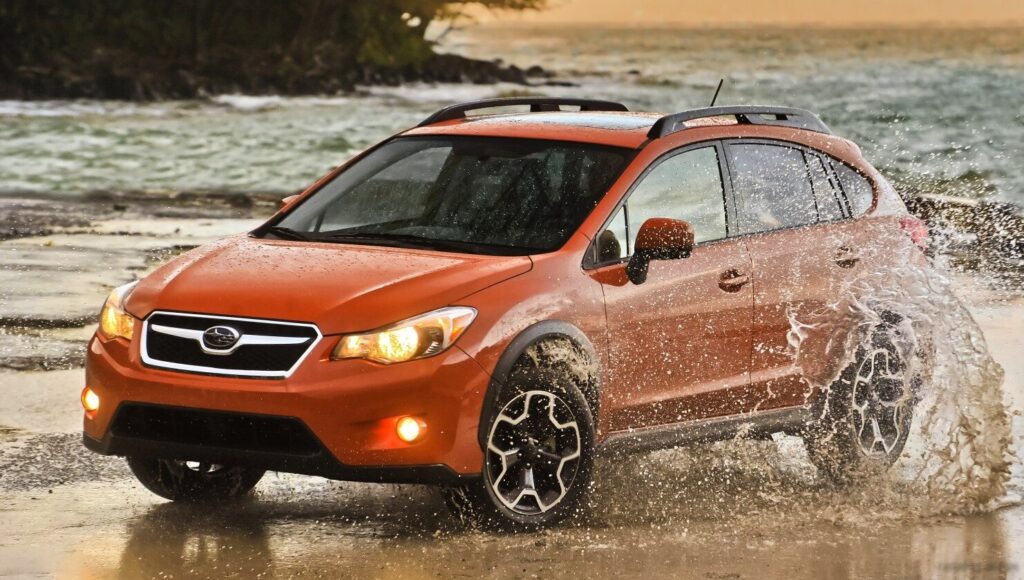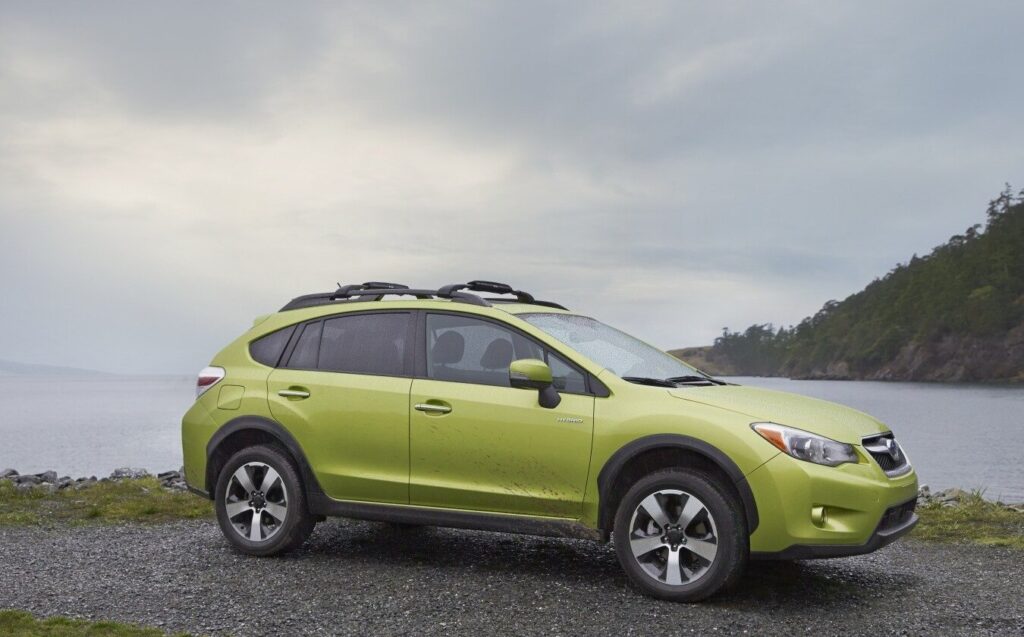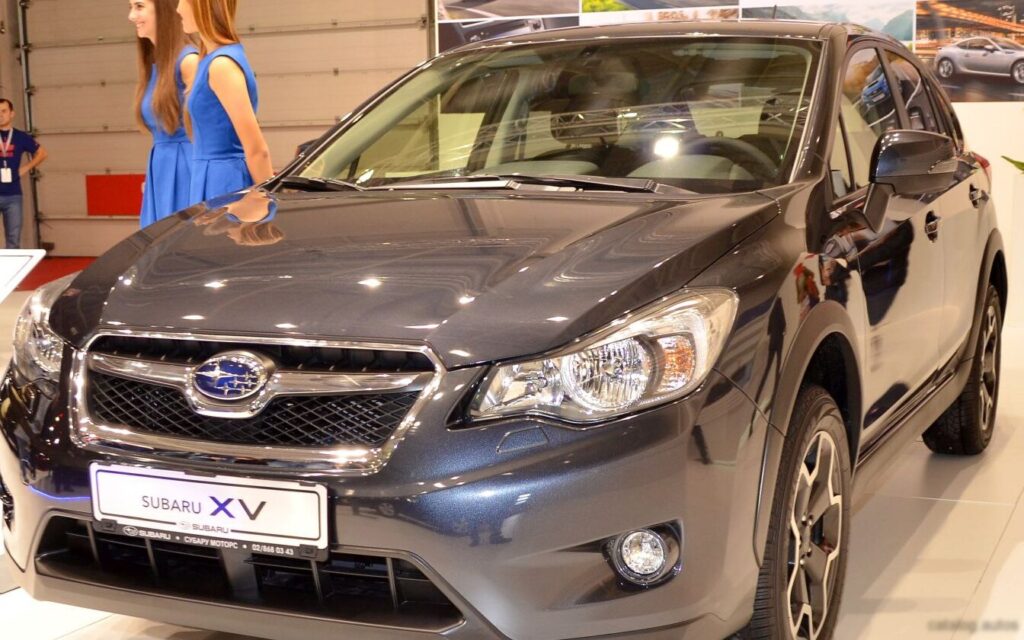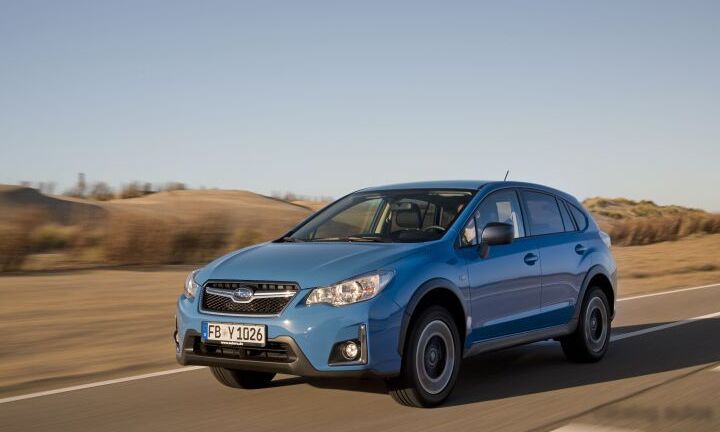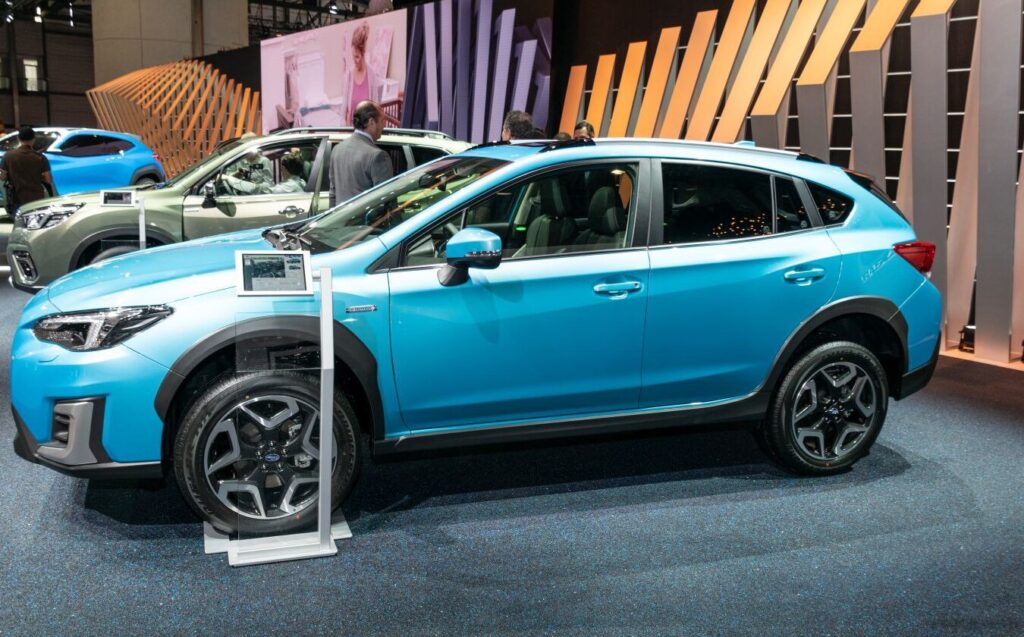
The Subaru XV II 2.0 e-Boxer, equipped with a 145 horsepower engine and a continuously variable transmission (CVT), represents a significant iteration in Subaru’s compact crossover SUV lineup. Produced from 2019 to early 2021, this variant played a key role in Subaru’s push towards electrification and fuel efficiency within the globally popular XV (known as the Crosstrek in North America) model range. It sits within the second generation of the XV, designated as the GP7/GPE chassis code, building upon the success of the first-generation model and offering a blend of Subaru’s renowned symmetrical all-wheel drive system with mild hybrid technology.
Technical Specifications
| Brand | Subaru |
| Model | XV |
| Generation | XV II |
| Type (Engine) | 2.0 e-Boxer (145 Hp) AWD CVT |
| Start of production | 2019 |
| End of production | January, 2021 |
| Powertrain Architecture | MHEV (Mild Hybrid Electric Vehicle) |
| Body type | SUV |
| Seats | 5 |
| Doors | 5 |
| Fuel consumption (combined) | 6.7 l/100 km (35.1 US mpg, 42.2 UK mpg, 14.9 km/l) |
| Fuel Type | Petrol (Gasoline) |
| Weight-to-power ratio | 10.7 kg/Hp, 93.5 Hp/tonne |
| Weight-to-torque ratio | 8.2 kg/Nm, 121.3 Nm/tonne |
| Electric motor power | 14 Hp |
| Electric motor Torque | 65 Nm (47.94 lb.-ft.) |
| Electric motor location | Integrated into the transmission |
| Power | 145 Hp @ 6000 rpm |
| Power per litre | 72.7 Hp/l |
| Torque | 188 Nm @ 4000 rpm (138.66 lb.-ft. @ 4000 rpm) |
| Engine Model/Code | FB20 |
| Engine displacement | 1995 cm3 (121.74 cu. in.) |
| Number of cylinders | 4 |
| Engine configuration | Boxer |
| Cylinder Bore | 84 mm (3.31 in.) |
| Piston Stroke | 90 mm (3.54 in.) |
| Compression ratio | 12.5:1 |
| Number of valves per cylinder | 4 |
| Fuel injection system | Direct injection |
| Valvetrain | DOHC |
| Engine oil capacity | 4.2 l (4.44 US qt | 3.7 UK qt) |
| Kerb Weight | 1550 kg (3417.17 lbs.) |
| Max. weight | 1825 kg (4023.44 lbs.) |
| Max load | 275 kg (606.27 lbs.) |
| Fuel tank capacity | 48 l (12.68 US gal | 10.56 UK gal) |
| Length | 4465 mm (175.79 in.) |
| Width | 1800 mm (70.87 in.) |
| Height | 1550 mm (61.02 in.) |
| Wheelbase | 2670 mm (105.12 in.) |
| Front track | 1555 mm (61.22 in.) |
| Rear track | 1565 mm (61.61 in.) |
| Ride height (ground clearance) | 200 mm (7.87 in.) |
| Minimum turning circle | 10.8 m (35.43 ft.) |
| Drive wheel | All wheel drive (4×4) |
| Number of gears and type of gearbox | automatic transmission CVT |
| Front suspension | Independent coil spring |
| Rear suspension | Double wishbone |
| Front brakes | Ventilated discs |
| Rear brakes | Ventilated discs |
| Assisting systems | ABS (Anti-lock braking system) |
| Steering type | Steering rack and pinion |
| Power steering | Electric Steering |
INTRODUCTION
The Subaru XV II 2.0 e-Boxer, launched in 2019, represented a mid-cycle refresh of the second-generation XV. It was designed to appeal to buyers seeking a practical, fuel-efficient, and capable compact SUV. The “e-Boxer” designation signifies Subaru’s integration of a mild-hybrid system with their horizontally-opposed “Boxer” engine. This model was primarily marketed in Europe, Asia, and Australia, with the North American market receiving a slightly different version known as the Crosstrek. The XV II aimed to improve upon the first generation’s already strong reputation for reliability and all-weather capability.
Powertrain & Engine Architecture
At the heart of the XV II 2.0 e-Boxer lies the FB20 2.0-liter four-cylinder Boxer engine. This engine is characterized by its horizontally-opposed piston layout, which contributes to a lower center of gravity and improved balance. The FB20 utilizes direct fuel injection, optimizing combustion efficiency and power delivery. The engine produces 145 horsepower at 6000 rpm and 188 Nm (138.66 lb-ft) of torque at 4000 rpm.
The “e-Boxer” system incorporates a small electric motor integrated directly into the Lineartronic CVT (Continuously Variable Transmission). This motor doesn’t provide full electric drive capability; instead, it assists the engine during acceleration, providing a boost of power and reducing engine load. The system also enables regenerative braking, capturing energy during deceleration to recharge the hybrid battery. The battery itself is relatively small, contributing to minimal weight gain. The Lineartronic CVT is programmed to simulate stepped gear changes, offering a more engaging driving experience than traditional CVTs.
Driving Characteristics
The 2.0 e-Boxer with CVT delivers a smooth and predictable driving experience. While not particularly sporty, the mild-hybrid system provides a noticeable improvement in low-end torque, making it feel more responsive in urban driving conditions. The CVT effectively manages the engine’s power band, keeping the engine within its optimal operating range. Compared to the manual transmission options available in some markets, the CVT prioritizes fuel efficiency and ease of use over outright performance. The all-wheel-drive system provides excellent traction in various conditions, making it a capable vehicle for inclement weather and light off-road adventures. The steering is light and precise, contributing to a comfortable and confident driving experience.
Equipment & Trim Levels
The XV II 2.0 e-Boxer typically came well-equipped, even in base trim levels. Standard features often included automatic climate control, a touchscreen infotainment system with Apple CarPlay and Android Auto compatibility, and a suite of safety features such as automatic emergency braking, lane departure warning, and adaptive cruise control. Higher trim levels added features like leather upholstery, heated front seats, a sunroof, and upgraded audio systems. Interior materials were generally of good quality, offering a comfortable and refined cabin environment. The dashboard layout was functional and user-friendly, with logically placed controls.
Chassis & Braking
The XV II utilizes a MacPherson strut front suspension and a double-wishbone rear suspension, providing a comfortable ride and good handling characteristics. The suspension is tuned to prioritize comfort over sporty handling, absorbing bumps and imperfections in the road effectively. Braking duties are handled by ventilated disc brakes on all four wheels, providing ample stopping power. The ABS (Anti-lock Braking System) and Electronic Stability Control (ESC) systems enhance safety and control in emergency braking situations. The relatively lightweight construction of the XV II contributes to its nimble handling and efficient fuel consumption.
Market Reception & Comparison
The Subaru XV II 2.0 e-Boxer was generally well-received by automotive critics. Reviewers praised its fuel efficiency, comfortable ride, and standard safety features. The mild-hybrid system was seen as a positive step towards electrification, although some critics noted that its impact on performance was relatively modest. Compared to other trims in the XV lineup, the 2.0 e-Boxer offered a good balance of performance and fuel economy. The 1.6i non-hybrid variant was more affordable but offered less power, while the higher-output 2.0i models prioritized performance over efficiency. The CVT transmission was a point of contention for some, with some drivers preferring the more engaging experience of a manual gearbox.
Legacy
The Subaru XV II 2.0 e-Boxer represents an important step in Subaru’s transition towards electrified powertrains. While the mild-hybrid system may not have been revolutionary, it demonstrated Subaru’s commitment to improving fuel efficiency and reducing emissions. The FB20 engine, in general, has proven to be a reliable and durable powerplant, and the Lineartronic CVT has also demonstrated good long-term reliability with proper maintenance. On the used car market, the XV II 2.0 e-Boxer remains a popular choice for buyers seeking a practical, reliable, and fuel-efficient compact SUV with all-wheel drive capability. Its blend of comfort, safety, and capability continues to make it a compelling option in its segment.