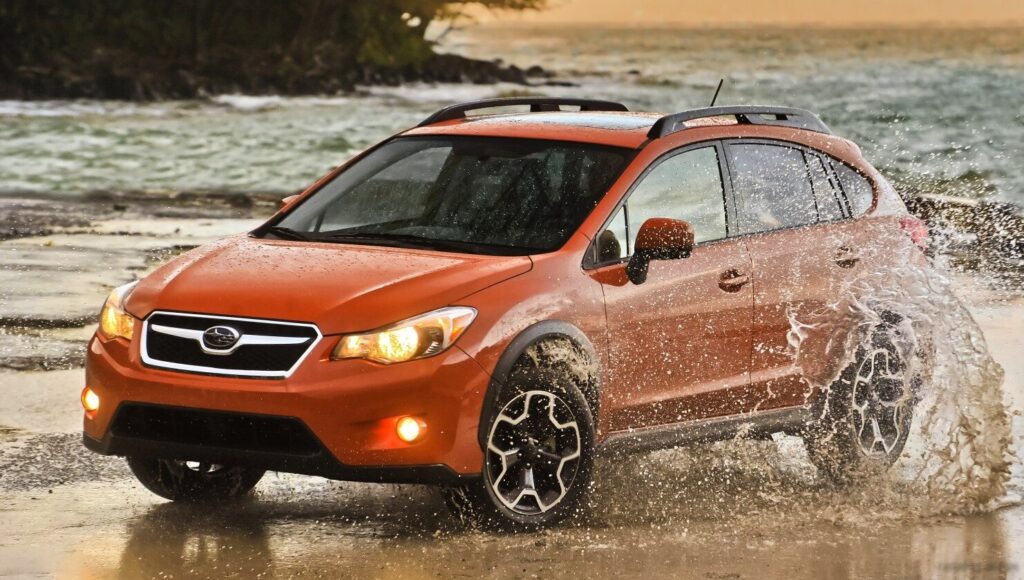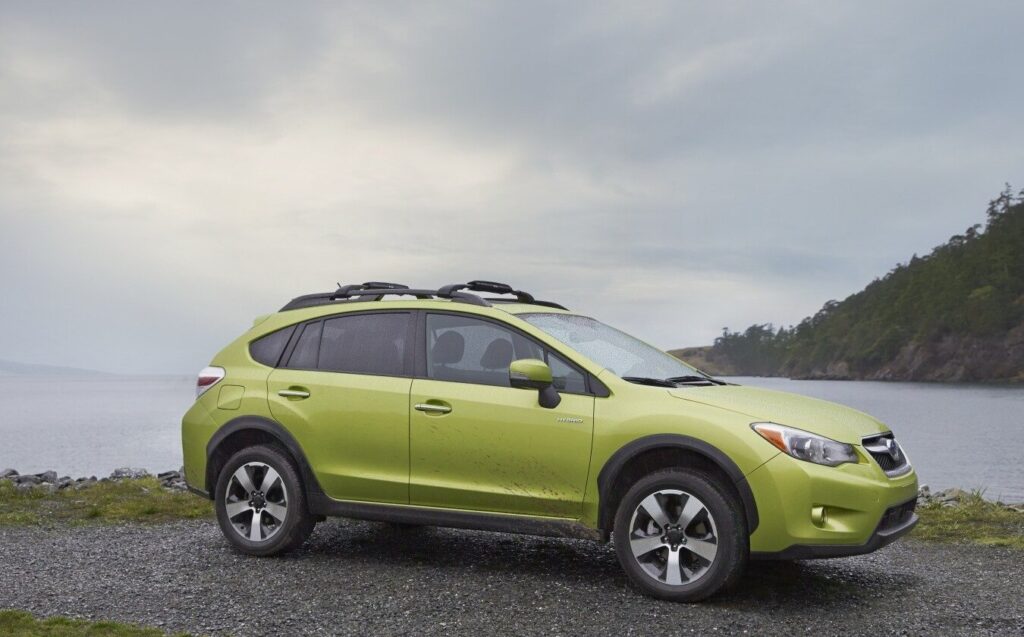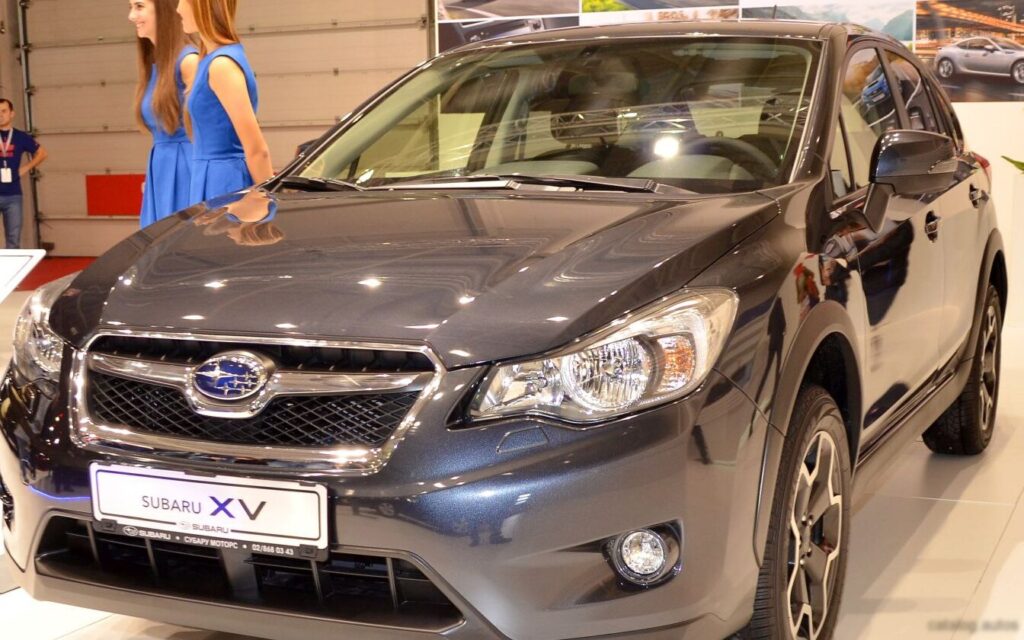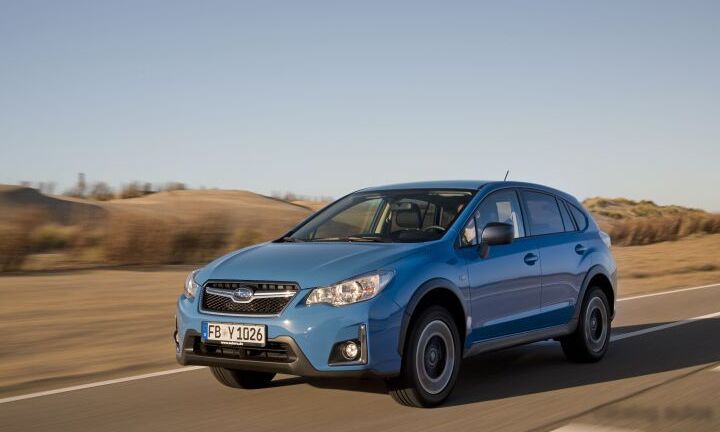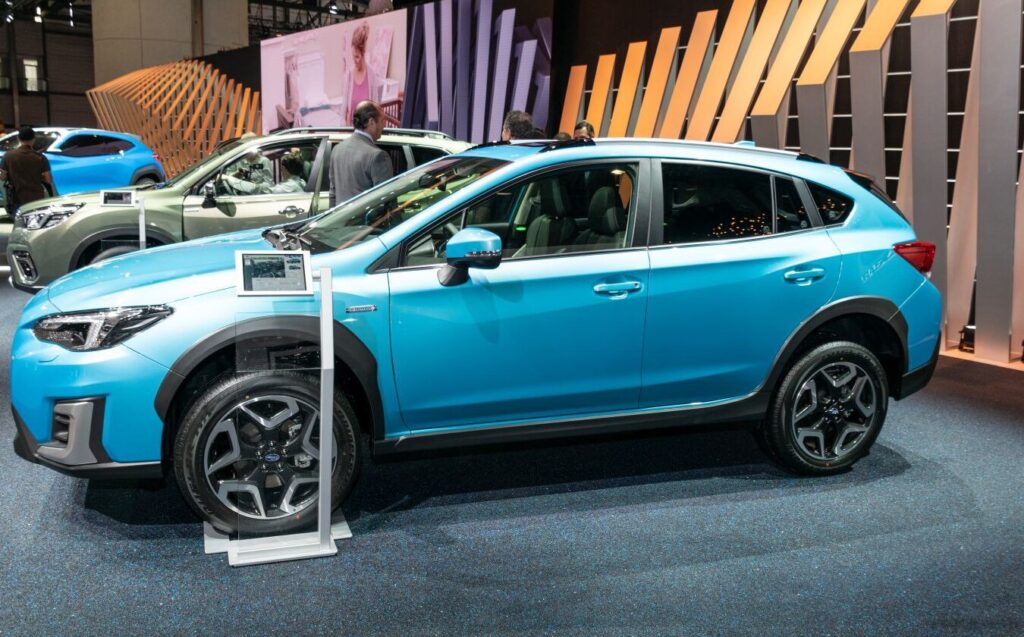
The Subaru XV II 2.0i Plug-In Hybrid, marketed in some regions as the Subaru Crosstrek Hybrid, represents Subaru’s entry into the compact plug-in hybrid SUV segment. Produced from 2018 to January 2021, this variant of the second-generation XV (introduced in 2017, internally designated as the GT3/GP7) aimed to combine Subaru’s renowned symmetrical all-wheel drive system with the fuel efficiency and reduced emissions of a plug-in hybrid powertrain. Positioned as a mid-range offering within the XV lineup, it bridged the gap between the standard 2.0-liter gasoline models and potential future, more performance-oriented trims. The XV II platform (part of the Subaru Global Platform) prioritized safety, practicality, and a comfortable driving experience, appealing to environmentally conscious buyers seeking the versatility of an SUV.
Technical Specifications
| Brand | Subaru |
| Model | XV |
| Generation | XV II |
| Type (Engine) | 2.0i (148 Hp) Plug-In hybrid AWD Lineartronic |
| Start of production | 2018 |
| End of production | January, 2021 |
| Powertrain Architecture | PHEV (Plug-in Hybrid Electric Vehicle) |
| Body type | SUV |
| Seats | 5 |
| Doors | 5 |
| Fuel consumption (combined) | 6.7 l/100 km (35.1 US mpg, 42.2 UK mpg, 14.9 km/l) |
| Fuel Type | Petrol / electricity |
| Weight-to-power ratio | 11.4 kg/Hp, 87.6 Hp/tonne |
| Weight-to-torque ratio | 9.3 kg/Nm, 107.7 Nm/tonne |
| Gross battery capacity | 8.8 kWh |
| All-electric range | 27 km (16.78 mi) |
| Electric motor power | 118 Hp |
| Electric motor Torque | 202 Nm @ 0-1500 rpm (148.99 lb.-ft. @ 0-1500 rpm) |
| System power | 148 Hp |
| Internal combustion engine power | 137 Hp @ 5600 rpm |
| Power per litre | 68.7 Hp/l |
| Engine torque | 182 Nm @ 4400 rpm (134.24 lb.-ft. @ 4400 rpm) |
| Engine layout | Front, Longitudinal |
| Engine Model/Code | FB20 Hybrid |
| Engine displacement | 1995 cm3 (121.74 cu. in.) |
| Number of cylinders | 4 |
| Engine configuration | Boxer |
| Cylinder Bore | 84 mm (3.31 in.) |
| Piston Stroke | 90 mm (3.54 in.) |
| Compression ratio | 13.5:1 |
| Number of valves per cylinder | 4 |
| Fuel injection system | Direct injection |
| Engine oil capacity | 4.2 l (4.44 US qt | 3.7 UK qt) |
| Coolant capacity | 7.8 l (8.24 US qt | 6.86 UK qt) |
| Kerb Weight | 1690 kg (3725.81 lbs.) |
| Trunk (boot) space – minimum | 450 l (15.89 cu. ft.) |
| Trunk (boot) space – maximum | 1220 l (43.08 cu. ft.) |
| Fuel tank capacity | 50 l (13.21 US gal | 11 UK gal) |
| Permitted towbar download | 45 kg (99.21 lbs.) |
| Length | 4465 mm (175.79 in.) |
| Width | 1805 mm (71.06 in.) |
| Width including mirrors | 2022 mm (79.61 in.) |
| Height | 1595 mm (62.8 in.) |
| Wheelbase | 2665 mm (104.92 in.) |
| Front track | 1550 mm (61.02 in.) |
| Rear track | 1555 mm (61.22 in.) |
| Ride height (ground clearance) | 221 mm (8.7 in.) |
| Minimum turning circle | 11.7 m (38.39 ft.) |
| Approach angle | 17.1° |
| Departure angle | 28.6° |
| Ramp-over angle | 19.3° |
| Drive wheel | All wheel drive (4×4) |
| Number of gears and type of gearbox | automatic transmission CVT |
| Front suspension | Independent multi-link suspension |
| Rear suspension | Independent multi-link suspension |
| Front brakes | Ventilated discs |
| Rear brakes | Ventilated discs |
| Assisting systems | ABS (Anti-lock braking system) |
| Steering type | Steering rack and pinion |
| Power steering | Electric Steering |
| Tires size | 225/55 R18 98H |
| Wheel rims size | 7J x 18 |
Powertrain & Engine Architecture
The XV II 2.0i Plug-In Hybrid utilizes Subaru’s FB20 2.0-liter horizontally-opposed (Boxer) four-cylinder gasoline engine, coupled with an electric motor integrated into the Lineartronic continuously variable transmission (CVT). The FB20 engine, a staple in Subaru’s lineup, benefits from direct injection and optimized combustion chamber design for improved efficiency. The electric motor provides supplemental power and allows for all-electric driving for up to 27 kilometers (16.78 miles). The system’s combined output is rated at 148 horsepower. The Lineartronic CVT is specifically tuned for hybrid applications, offering smooth and seamless transitions between gasoline and electric power. The battery pack, with a gross capacity of 8.8 kWh, is located under the floor, minimizing impact on passenger and cargo space. The hybrid system employs a sophisticated power control unit to manage the flow of energy between the engine, motor, and battery.
Driving Characteristics
The 2.0i Plug-In Hybrid delivers a noticeably different driving experience compared to the standard XV 2.0i models. While the overall horsepower figure remains similar, the instant torque from the electric motor provides brisk acceleration from a standstill. The CVT, while efficient, lacks the direct feel of a traditional automatic transmission. In hybrid mode, the system prioritizes electric power at lower speeds, resulting in quiet and refined operation. The all-wheel drive system provides confident traction in various weather conditions. Compared to the manual transmission versions of the XV, the CVT prioritizes fuel economy and ease of use over sporty driving dynamics. The added weight of the battery pack does slightly impact handling agility, but the well-tuned suspension minimizes body roll.
Equipment & Trim Levels
The XV II 2.0i Plug-In Hybrid typically came well-equipped, reflecting its position as a mid-range offering. Standard features generally included automatic climate control, a touchscreen infotainment system with Apple CarPlay and Android Auto compatibility, Subaru’s EyeSight driver-assist technology (including adaptive cruise control, lane departure warning, and automatic emergency braking), and a suite of safety features like seven airbags. Interior upholstery was typically cloth, with options for leather available. Optional extras included a premium sound system, power-adjustable driver’s seat, and a sunroof. The exterior styling was largely consistent with other XV II models, with subtle badging to denote the plug-in hybrid variant.
Chassis & Braking
The XV II utilizes Subaru’s Global Platform, which provides a rigid and stable chassis. The suspension consists of independent multi-link systems at both the front and rear, tuned for a balance of comfort and handling. Braking duties are handled by ventilated discs on all four wheels, providing ample stopping power. The electronic parking brake includes an auto-hold function. The XV’s symmetrical all-wheel drive system distributes power to all four wheels, enhancing traction and stability. The ride height of 221 mm (8.7 inches) provides good ground clearance for navigating rough terrain.
Market Reception & Comparison
The Subaru XV II 2.0i Plug-In Hybrid was generally well-received by automotive critics, who praised its fuel efficiency, comfortable ride, and standard safety features. However, some reviewers noted the CVT’s lack of engagement and the relatively limited all-electric range compared to some competitors. Compared to the standard 2.0-liter XV, the plug-in hybrid offered significantly improved fuel economy, particularly for drivers who frequently commute short distances and can take advantage of the electric driving mode. Compared to the diesel variants available in some markets, the plug-in hybrid offered lower emissions and a smoother, quieter driving experience. Reliability reports suggest the hybrid system is generally robust, but regular maintenance is crucial to ensure optimal performance.
Legacy
The Subaru XV II 2.0i Plug-In Hybrid represented an important step for Subaru in embracing electrification. While production was relatively short-lived, the model demonstrated Subaru’s commitment to developing fuel-efficient and environmentally friendly vehicles. On the used car market, these models hold their value reasonably well, particularly those with low mileage and a well-maintained service history. The FB20 engine, known for its durability, continues to be a reliable powerplant. The XV II Plug-In Hybrid paved the way for Subaru’s future hybrid and electric vehicle offerings, showcasing the potential of combining their core all-wheel drive technology with electrified powertrains.