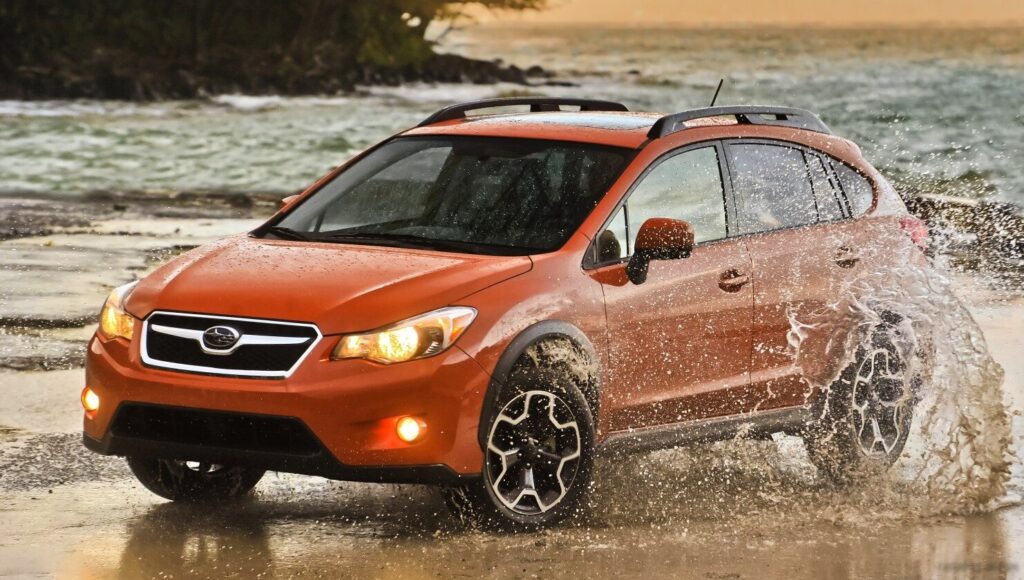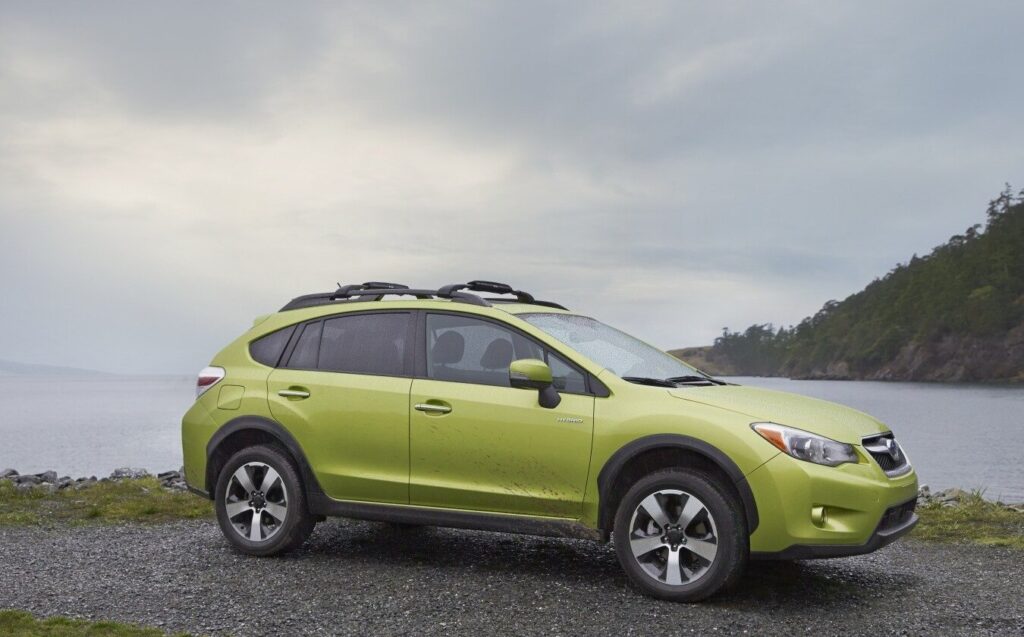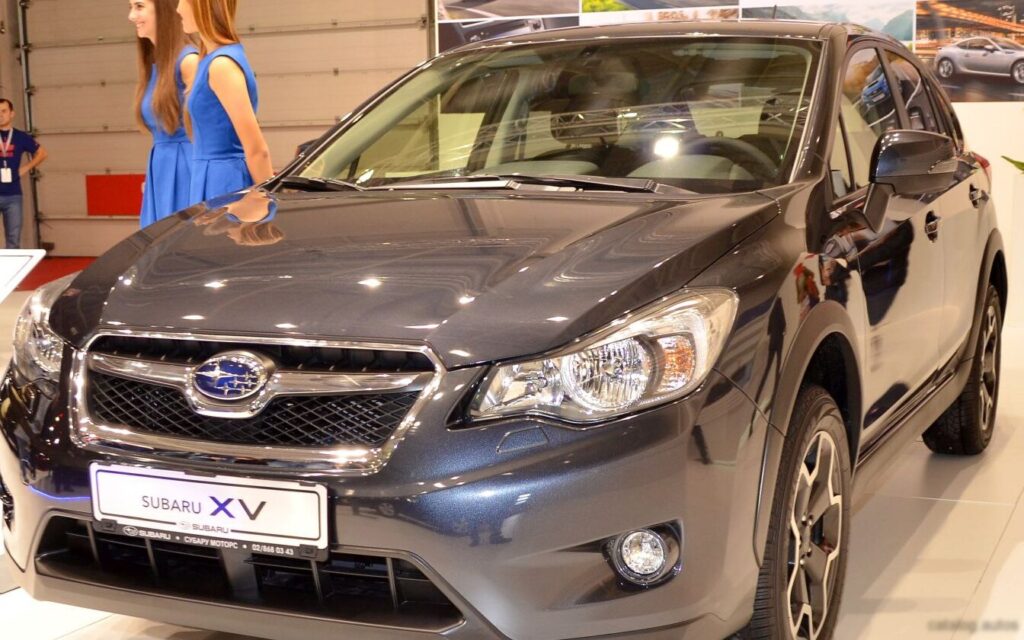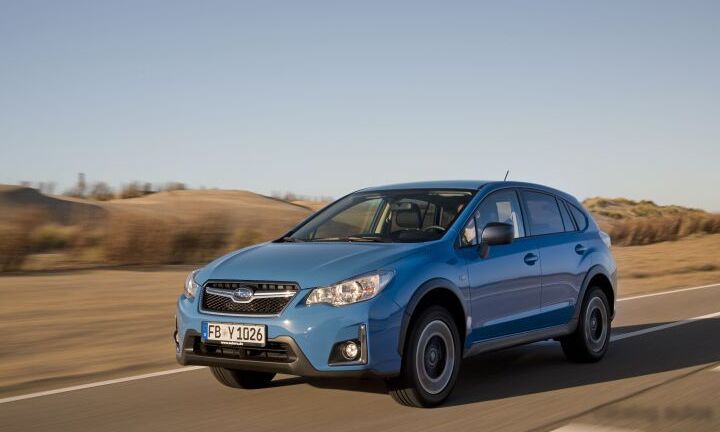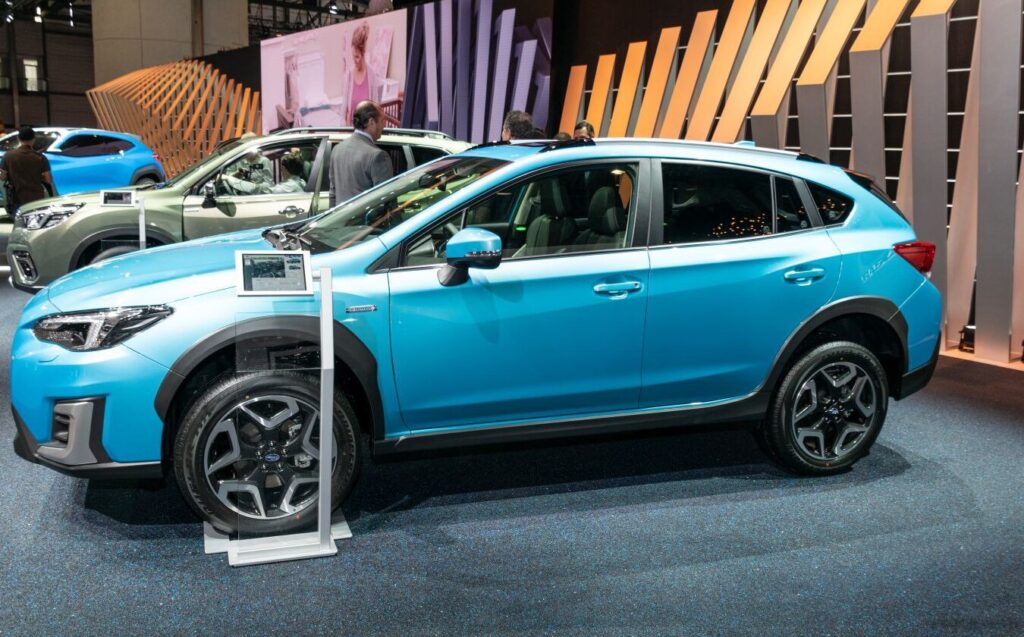
The Subaru XV II 2.0i (156 Hp) AWD Lineartronic, marketed in some regions as the Subaru Crosstrek, represents a significant iteration in Subaru’s compact crossover SUV lineup. Produced from 2018 to January 2021, this variant occupied a key position within the second generation XV (GP/GT) series, built on the Subaru Global Platform. It aimed to blend Subaru’s renowned symmetrical all-wheel-drive capability with improved fuel efficiency and a more comfortable driving experience, targeting a broad demographic seeking a versatile and practical vehicle.
Technical Specifications
| Brand | Subaru |
| Model | XV |
| Generation | XV II |
| Type (Engine) | 2.0i (156 Hp) AWD Lineartronic |
| Start of production | 2018 |
| End of production | January, 2021 |
| Powertrain Architecture | Internal Combustion engine |
| Body type | SUV |
| Seats | 5 |
| Doors | 5 |
| Fuel consumption (urban) | 8.7 l/100 km (27 US mpg, 32.5 UK mpg, 11.5 km/l) |
| Fuel consumption (extra urban) | 5.8 l/100 km (40.6 US mpg, 48.7 UK mpg, 17.2 km/l) |
| Fuel consumption (combined) | 6.9 l/100 km (34.1 US mpg, 40.9 UK mpg, 14.5 km/l) |
| CO2 emissions | 155 g/km |
| Fuel Type | Petrol (Gasoline) |
| Acceleration 0 – 100 km/h | 10.4 sec |
| Acceleration 0 – 62 mph | 10.4 sec |
| Acceleration 0 – 60 mph | 9.9 sec |
| Maximum speed | 194 km/h (120.55 mph) |
| Emission standard | Euro 6 |
| Weight-to-power ratio | 9.3 kg/Hp, 108.1 Hp/tonne |
| Weight-to-torque ratio | 7.4 kg/Nm, 135.8 Nm/tonne |
| Power | 156 Hp @ 6000 rpm |
| Power per litre | 78.2 Hp/l |
| Torque | 196 Nm @ 4000 rpm (144.56 lb.-ft. @ 4000 rpm) |
| Engine layout | Front, Longitudinal |
| Engine Model/Code | FB20 |
| Engine displacement | 1995 cm3 (121.74 cu. in.) |
| Number of cylinders | 4 |
| Engine configuration | Boxer |
| Cylinder Bore | 84 mm (3.31 in.) |
| Piston Stroke | 90 mm (3.54 in.) |
| Compression ratio | 12.5:1 |
| Number of valves per cylinder | 4 |
| Fuel injection system | Multi-port manifold injection |
| Engine aspiration | Naturally aspirated engine |
| Engine oil capacity | 4.4 l (4.65 US qt | 3.87 UK qt) |
| Kerb Weight | 1443 kg (3181.27 lbs.) |
| Max. weight | 1940 kg (4276.97 lbs.) |
| Max load | 497 kg (1095.7 lbs.) |
| Trunk (boot) space – minimum | 385 l (13.6 cu. ft.) |
| Trunk (boot) space – maximum | 1290 l (45.56 cu. ft.) |
| Fuel tank capacity | 63 l (16.64 US gal | 13.86 UK gal) |
| Permitted trailer load with brakes (12%) | 1400 kg (3086.47 lbs.) |
| Permitted trailer load without brakes | 650 kg (1433 lbs.) |
| Permitted towbar download | 80 kg (176.37 lbs.) |
| Length | 4465 mm (175.79 in.) |
| Width | 1800 mm (70.87 in.) |
| Height | 1615 mm (63.58 in.) |
| Wheelbase | 2665 mm (104.92 in.) |
| Front track | 1550 mm (61.02 in.) |
| Rear (Back) track | 1555 mm (61.22 in.) |
| Ride height (ground clearance) | 221 mm (8.7 in.) |
| Minimum turning circle (turning diameter) | 11.6 m (38.06 ft.) |
| Approach angle | 18° |
| Departure angle | 29° |
| Ramp-over (brakeover) angle | 21.6° |
| Drive wheel | All wheel drive (4×4) |
| Number of gears and type of gearbox | automatic transmission CVT |
| Front suspension | Independent multi-link suspension |
| Rear suspension | Independent multi-link suspension |
| Front brakes | Ventilated discs |
| Rear brakes | Ventilated discs |
| Assisting systems | ABS (Anti-lock braking system) |
| Steering type | Steering rack and pinion |
| Power steering | Electric Steering |
| Tires size | 225/55 R18 |
| Wheel rims size | 7J x 18 |
INTRODUCTION
The Subaru XV II 2.0i AWD Lineartronic, launched in 2018, represented the second generation of Subaru’s popular subcompact SUV. Building upon the success of the first-generation XV (known as the Crosstrek in North America), the II aimed for a more refined driving experience and improved safety features. This particular variant, equipped with the 2.0-liter naturally aspirated boxer engine and a continuously variable transmission (CVT), was positioned as a mainstream offering within the XV lineup, appealing to buyers prioritizing fuel economy and ease of use over outright performance. It was a key model for Subaru in markets like Australia, Europe, and Asia, where compact SUVs were gaining significant traction.
Powertrain & Engine Architecture
At the heart of the XV II 2.0i Lineartronic lies the FB20 2.0-liter four-cylinder boxer engine. This engine, a hallmark of Subaru’s engineering, features a horizontally opposed configuration, contributing to a low center of gravity and improved balance. The FB20 utilizes multi-point fuel injection and a relatively high compression ratio of 12.5:1 to maximize efficiency. The engine produces 156 horsepower at 6000 rpm and 196 Nm (144.56 lb-ft) of torque at 4000 rpm. Paired with this engine is Subaru’s Lineartronic CVT (continuously variable transmission). This transmission is designed to provide smooth, stepless gear changes, optimizing fuel efficiency and drivability. Unlike traditional automatic transmissions, CVTs don’t have fixed gear ratios, instead using a belt-and-pulley system to continuously adjust the transmission ratio. The Lineartronic CVT in the XV II also features simulated “shift points” to provide a more familiar driving feel for those accustomed to conventional automatics.
Driving Characteristics
The 2.0i Lineartronic variant of the XV II delivers a comfortable and predictable driving experience. While not particularly sporty, the engine provides adequate power for everyday driving situations. Acceleration from 0-60 mph takes approximately 9.9 seconds, and the top speed is around 120.55 mph. The CVT contributes to smooth acceleration, but can sometimes feel less responsive than a traditional automatic or manual transmission, particularly during quick overtaking maneuvers. The symmetrical all-wheel-drive system provides excellent traction in various weather conditions, making the XV II a capable vehicle for both on-road and light off-road use. The CVT’s programming prioritizes fuel efficiency, resulting in a noticeable difference in driving feel compared to versions equipped with a manual transmission. The gear ratios are optimized for cruising and fuel economy, rather than aggressive acceleration.
Equipment & Trim Levels
The XV II 2.0i Lineartronic typically came standard with a respectable array of features. These included automatic climate control, a touchscreen infotainment system with Apple CarPlay and Android Auto compatibility, rearview camera, and Subaru’s EyeSight driver-assist technology, which incorporates features like adaptive cruise control, lane departure warning, and automatic emergency braking. Interior upholstery was typically cloth, with options for leather upgrades on higher trim levels. Optional extras included a power sunroof, premium audio system, and various styling enhancements. The trim level often dictated the availability of these extras, with the 2.0i Lineartronic serving as a mid-range offering, positioned above the base model but below the more premium trims.
Chassis & Braking
The XV II utilizes Subaru’s Global Platform, a modular chassis designed to enhance rigidity and improve crash safety. The suspension consists of independent multi-link setups at both the front and rear, providing a comfortable ride and good handling characteristics. Braking duties are handled by ventilated disc brakes on all four wheels, providing ample stopping power. The XV II is equipped with ABS (Anti-lock Braking System) and electronic brake-force distribution. The relatively lightweight construction of the XV II, with a kerb weight of 1443 kg (3181.27 lbs), contributes to its nimble handling and efficient fuel consumption.
Market Reception & Comparison
The Subaru XV II 2.0i Lineartronic was generally well-received by automotive critics. It was praised for its comfortable ride, spacious interior, and standard safety features. However, some reviewers noted the engine’s lack of outright power and the CVT’s sometimes-sluggish response. Compared to other trims in the XV lineup, such as those with manual transmissions, the 2.0i Lineartronic prioritized ease of use and fuel efficiency over performance. Against competitors like the Honda HR-V and Mazda CX-5, the XV II offered a unique combination of all-wheel-drive capability and a comfortable driving experience. Fuel economy figures of around 34.1 US mpg combined were competitive within its segment.
Legacy
The FB20 engine and Lineartronic CVT pairing in the XV II have proven to be relatively reliable powertrains. While some owners have reported minor issues with the CVT, such as occasional hesitation, these are generally not widespread. The XV II’s symmetrical all-wheel-drive system continues to be a major selling point in the used car market, particularly in regions with inclement weather. The XV II 2.0i Lineartronic remains a popular choice for buyers seeking a practical, reliable, and fuel-efficient compact SUV with all-weather capability. Its blend of comfort, safety, and functionality ensures its continued relevance in the used car landscape.