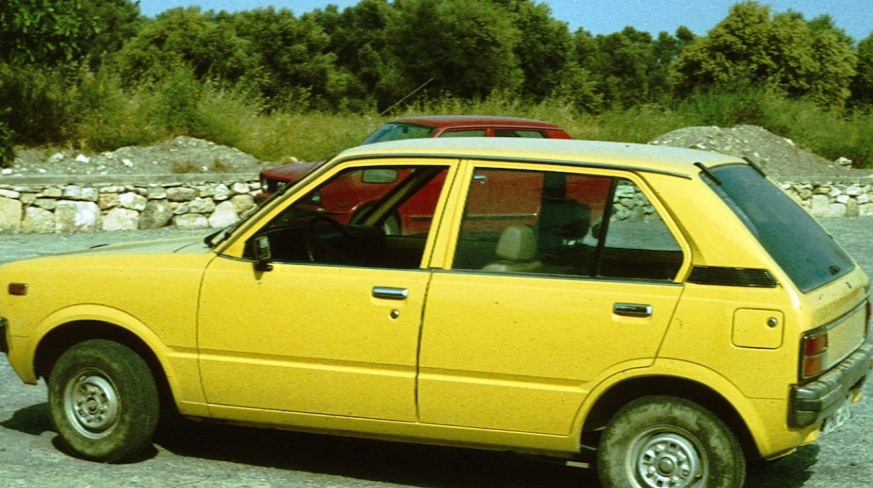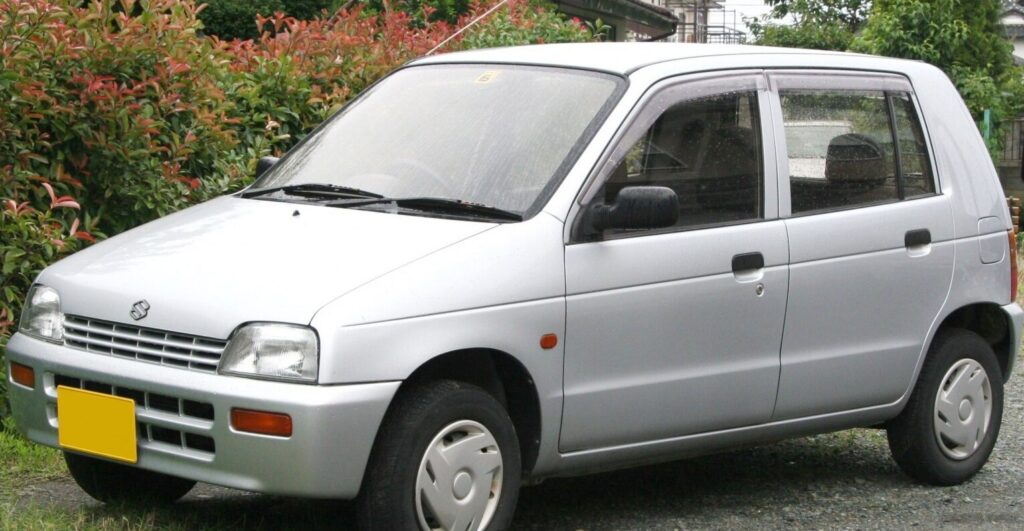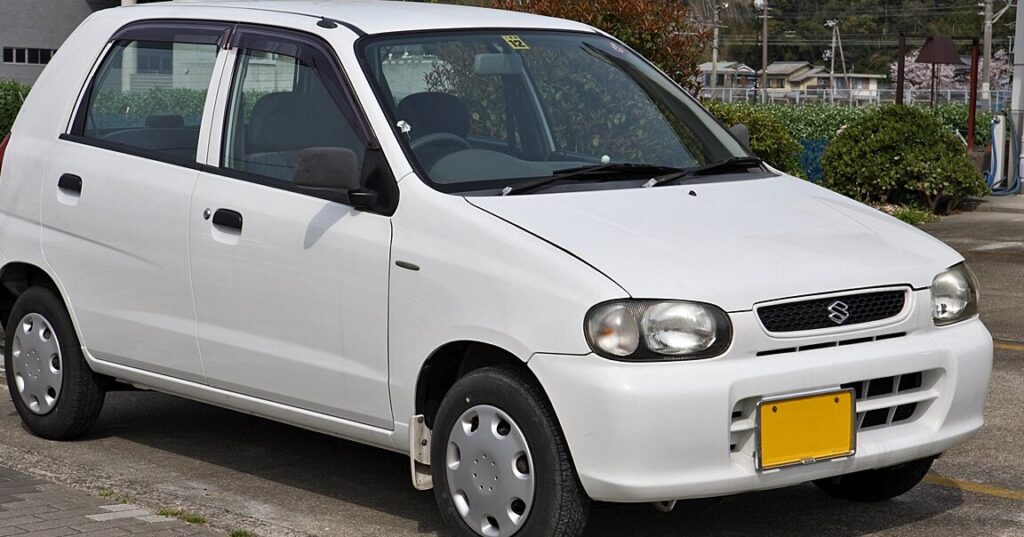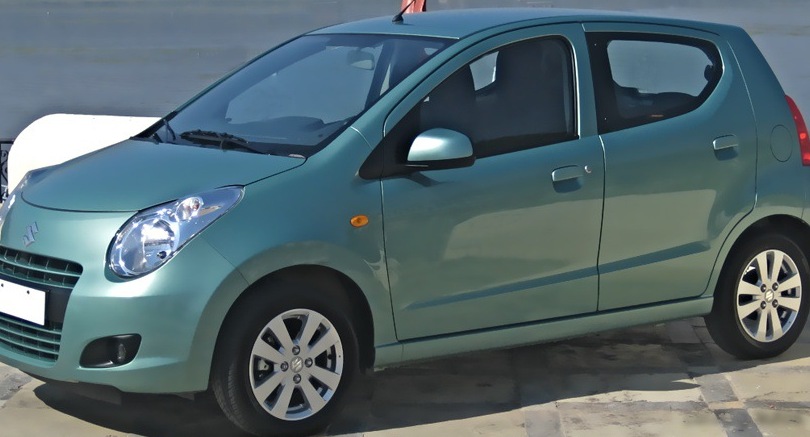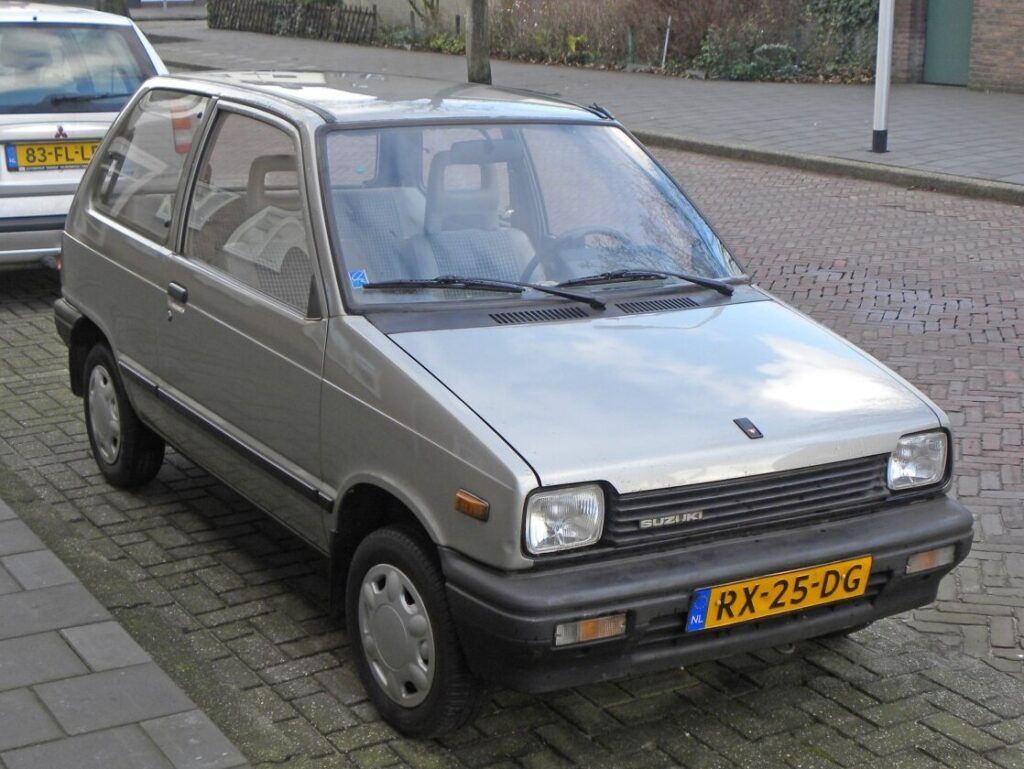
The Suzuki Alto II 0.8 (SB308/CA), producing 39 horsepower, was a key variant of the second-generation Suzuki Alto, manufactured between 1984 and 1988. This model represented a significant step in Suzuki’s commitment to affordable and efficient transportation, primarily targeted at the Japanese and emerging Asian markets. While not officially sold in the United States, the Alto II exemplified the “Kei car” philosophy – small, lightweight, and economical vehicles designed to navigate congested urban environments. The SB308/CA designation refers to the engine code and chassis variant, respectively. It occupied the entry-level position within the Alto II lineup, offering basic transportation at a very competitive price point.
Technical Specifications
| Brand | Suzuki |
| Model | Alto |
| Generation | Alto II |
| Type (Engine) | 0.8 (SB308/CA) (39 Hp) |
| Start of Production | 1984 |
| End of Production | 1988 |
| Powertrain Architecture | Internal Combustion Engine |
| Body Type | Hatchback |
| Doors | 3 |
| Fuel Type | Petrol (Gasoline) |
| Power | 39 Hp |
| Engine Model/Code | F8B |
| Engine Aspiration | Naturally Aspirated |
| Engine Oil Capacity | 2.7 l (2.85 US qt | 2.38 UK qt) |
| Coolant Capacity | 3.6 l (3.8 US qt | 3.17 UK qt) |
Powertrain & Engine Architecture
The heart of the Alto II 0.8 was the F8B engine, a 797cc, three-cylinder, naturally aspirated gasoline engine. This engine was a cornerstone of Suzuki’s Kei car strategy, designed for maximum efficiency and minimal weight. The F8B featured a single overhead camshaft (SOHC) valvetrain operating two valves per cylinder. Fuel delivery was managed by a carburetor, a common feature for vehicles of this era and price point, prioritizing simplicity and cost-effectiveness over advanced fuel injection systems. The engine’s relatively low compression ratio contributed to its ability to run on lower-octane fuel, further reducing running costs. The SB308 chassis was typically paired with a four-speed manual transmission, but a three-speed automatic transmission was also available, albeit less common. The automatic transmission was designed to provide ease of use, particularly appealing to drivers in congested city environments. The engine’s design emphasized durability and ease of maintenance, reflecting its intended role as a reliable and affordable mode of transportation.
Driving Characteristics
The 39 horsepower output of the F8B engine in the Alto II 0.8 translated to modest, but adequate, performance for its intended purpose. Acceleration was slow by modern standards, with a 0-60 mph time estimated to be well over 15 seconds. However, the vehicle’s lightweight construction – typically around 1,500 lbs – helped to mitigate the lack of power. The three-speed automatic transmission, when equipped, featured relatively widely spaced gear ratios, prioritizing fuel economy over spirited acceleration. The automatic transmission did detract from the overall responsiveness compared to the manual version. In real-world driving, the Alto II 0.8 was best suited for urban commutes and short trips. Its small size and nimble handling made it easy to maneuver in tight spaces, and its fuel efficiency was a major selling point. The suspension, while basic, provided a reasonably comfortable ride on smooth roads, although it could become unsettled on rough surfaces.
Equipment & Trim Levels
The Alto II 0.8 (SB308/CA) was positioned as the entry-level model, and as such, it came with a relatively sparse equipment list. Standard features typically included basic cloth upholstery, a simple dashboard with analog gauges, and manually operated windows and door locks. Air conditioning was often an optional extra, as were features like a radio and upgraded interior trim. The interior design prioritized functionality and durability over luxury. The seats were designed for comfort during short journeys, and the dashboard layout was straightforward and easy to understand. Trim levels were minimal, with most variations stemming from optional extras rather than distinct packages. The focus was on providing a basic, functional vehicle at the lowest possible price.
Chassis & Braking
The Alto II utilized a simple, yet effective, chassis design. It featured a front engine, rear-wheel-drive layout, which was common for Kei cars of the era. The suspension consisted of independent coil springs in the front and a rigid axle with leaf springs in the rear. This setup provided a reasonable balance between ride comfort and handling. Braking was typically accomplished with drum brakes on all four wheels, a cost-saving measure common in this segment. Steering was manual, further contributing to the vehicle’s simplicity and affordability. The chassis was designed to be lightweight and rigid, providing a stable platform for the engine and body. Stabilizer bars were generally absent on the base model, contributing to a slightly more pronounced body roll during cornering.
Market Reception & Comparison
The Suzuki Alto II 0.8 (SB308/CA) was well-received in its target markets, particularly in Japan and Southeast Asia. Critics praised its fuel efficiency, affordability, and ease of use. However, its limited power and basic equipment levels were also noted. Compared to other Kei cars of the time, such as the Honda N360 and the Daihatsu Mira, the Alto II offered a competitive combination of price and features. The automatic transmission variant, while convenient, was often criticized for its sluggish performance compared to the manual version. Fuel economy was a major strength, with the Alto II achieving figures in the range of 50-60 mpg, making it an exceptionally economical vehicle to operate. Reliability was also a strong point, with the F8B engine proving to be durable and long-lasting.
Legacy
The Suzuki Alto II 0.8 (SB308/CA) represents a significant chapter in the history of Kei cars and Suzuki’s commitment to affordable transportation. While not widely known in the United States, it played a crucial role in providing mobility to millions of people in Asia. The F8B engine, in particular, became a mainstay of Suzuki’s Kei car lineup for many years. Today, the Alto II is a popular choice among enthusiasts of classic Japanese cars, prized for its simplicity, reliability, and affordability. Parts availability can be challenging, but the engine’s robust design and the widespread use of common components make it relatively easy to maintain. The Alto II’s legacy continues to influence Suzuki’s design philosophy, emphasizing efficiency, practicality, and affordability in its modern vehicles. Well-maintained examples command a modest but growing following in the classic car community.