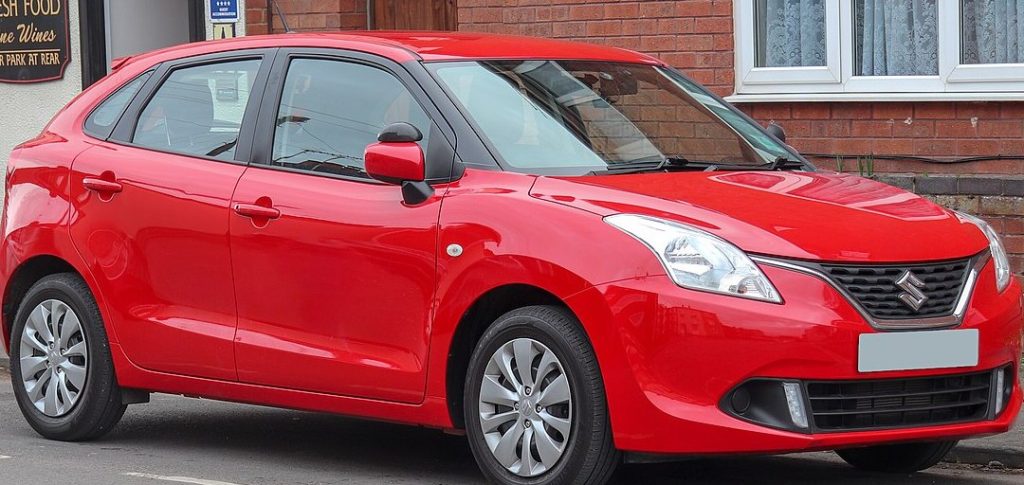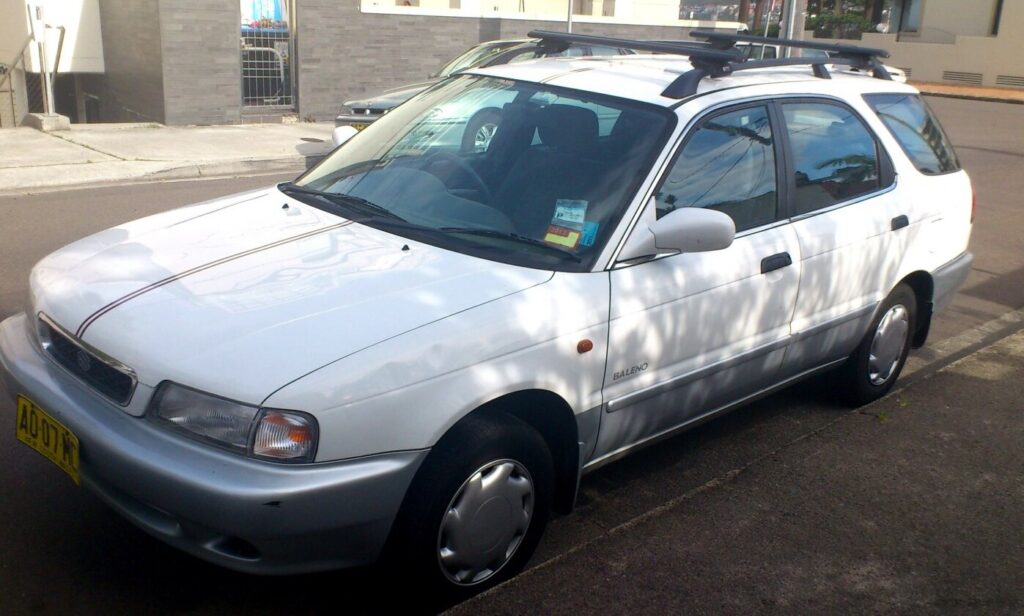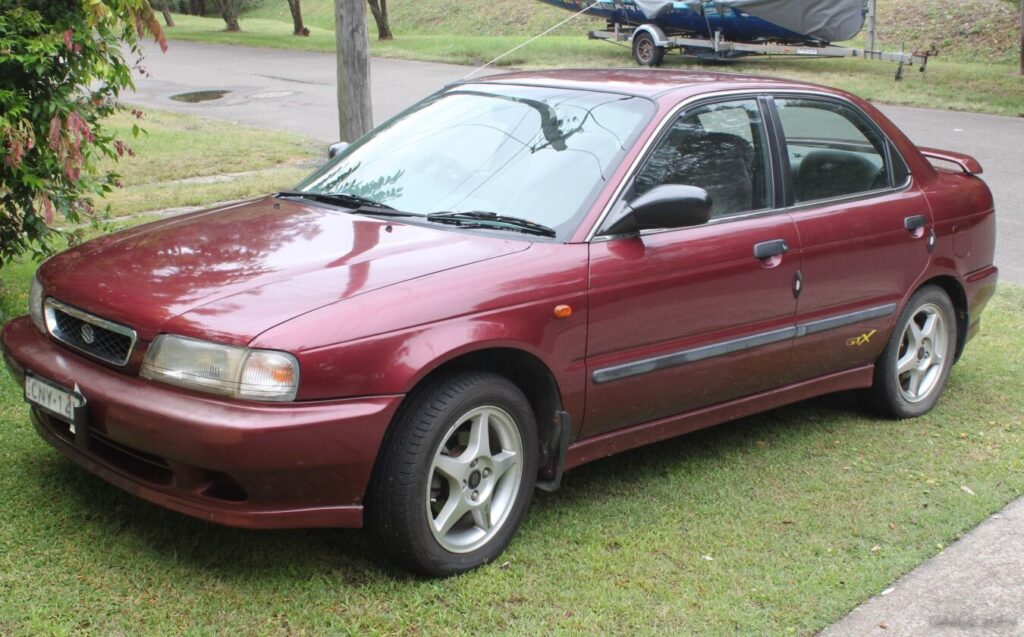
The Suzuki Baleno (EG series), launched in 1995, represented a significant step forward for Suzuki in the compact sedan market. Produced through 2002, the EG Baleno was a globally marketed vehicle, offering a blend of affordability, practicality, and relatively modern features. Within the Baleno range, the 1.6 i 16V (98 hp) variant with an automatic transmission occupied a middle ground, positioned as a more comfortable and convenient option compared to the base models, but lacking the sporting pretensions of potential future performance trims. It was designed to appeal to buyers prioritizing ease of driving and a reasonably equipped vehicle for daily use.
The 1.6L 16V Automatic Baleno: A Detailed Overview
The 1.6L 16V automatic Baleno was a key component of the EG series lineup, particularly in markets where automatic transmissions were highly favored. It offered a balance between fuel efficiency and acceptable performance, making it a popular choice for families and commuters. The “i” designation signified fuel injection, a standard feature across the range, while the “16V” indicated the four valves per cylinder, contributing to improved engine breathing and power output. The automatic transmission provided a smoother driving experience, especially in urban environments, at the cost of some performance and fuel economy compared to the available manual gearbox.
Powertrain & Engine Architecture
At the heart of this Baleno variant lies the G16B engine, a 1.6-liter (1590 cc) inline-four cylinder gasoline engine. This engine featured a single overhead camshaft (OHC) valvetrain operating 16 valves – four per cylinder. The G16B utilized multi-port fuel injection, delivering fuel directly into the intake ports for optimized combustion. The engine produced 98 horsepower at 6000 rpm and 127 Nm (93.67 lb-ft) of torque at 3200 rpm. The compression ratio was set at 9.5:1. Engine oil capacity was 3.3 liters (3.49 US quarts / 2.9 UK quarts) and coolant capacity was 4.2 liters (4.44 US quarts / 3.7 UK quarts).
The automatic transmission paired with the G16B was a conventional four-speed unit. While not offering the sophistication of modern automatic transmissions, it provided smooth and reliable gear changes. The gear ratios were tuned for comfortable cruising and adequate acceleration, prioritizing drivability over outright performance. Specific gear ratios were not widely published, but the transmission was designed to keep the engine operating within its optimal torque band for most driving situations.
Driving Characteristics
The 1.6L automatic Baleno offered a comfortable, if not particularly exhilarating, driving experience. Acceleration from 0 to 100 km/h (0-62 mph) took approximately 11.2 seconds, while 0-60 mph was achieved in around 10.6 seconds. The top speed was rated at 175 km/h (108.74 mph). The automatic transmission, while convenient, did result in some power loss compared to the manual transmission versions. The engine felt relatively responsive at lower speeds, making it well-suited for city driving. However, overtaking maneuvers required careful planning, as the engine lacked significant low-end torque. The automatic transmission’s shift points were generally well-chosen, but could sometimes feel hesitant during quick acceleration. The weight-to-power ratio of 9.6 kg/hp and weight-to-torque ratio of 7.4 kg/Nm reflected the car’s moderate performance capabilities.
Equipment & Trim Levels
The standard equipment level for the 1.6L automatic Baleno varied depending on the specific market. However, generally, it included features such as power steering, central locking, and basic audio system. Interior upholstery was typically cloth, with a relatively simple dashboard layout. Optional extras often included air conditioning, power windows, and upgraded audio systems. Higher trim levels might have added features like alloy wheels, a sunroof, and more luxurious interior trim. The Baleno aimed for a balance between affordability and comfort, offering a reasonable level of equipment for its price point.
Chassis & Braking
The Baleno EG series utilized a front-engine, front-wheel-drive layout. The suspension consisted of wishbone suspension at both the front and rear, providing a comfortable ride quality. The front brakes were ventilated discs, offering good stopping power, while the rear brakes were drums. This configuration was typical for vehicles in this class during the mid-1990s, balancing cost and performance. Anti-lock braking system (ABS) was often available as an option, enhancing safety. The steering system was a rack and pinion setup with hydraulic power assistance, providing precise and responsive steering feel. Standard tire size was 175/70 R13 H or 185/60 R14.
Market Reception & Comparison
The 1.6L automatic Baleno received generally positive reviews for its practicality, affordability, and comfortable ride. Critics praised its fuel efficiency, with combined fuel consumption figures around 7 l/100 km (33.6 US mpg / 40.4 UK mpg). However, some reviewers noted its lack of sporting character and relatively modest performance. Compared to other trims in the Baleno lineup, the 1.6L automatic offered a more relaxed driving experience than the base models, but lacked the performance of any potential higher-output variants. It competed with other compact sedans such as the Toyota Corolla, Honda Civic, and Nissan Sentra, offering a competitive package in terms of price and features.
Technical Specifications
| Brand | Suzuki |
| Model | Baleno |
| Generation | Baleno (EG, 1995) |
| Type | 1.6 i 16V (98 Hp) Automatic |
| Start of production | 1995 |
| End of production | 2002 |
| Engine Displacement | 1590 cm3 (97.03 cu. in.) |
| Engine Model/Code | G16B |
| Number of Cylinders | 4 |
| Engine Configuration | Inline |
| Power | 98 Hp @ 6000 rpm |
| Torque | 127 Nm @ 3200 rpm (93.67 lb.-ft. @ 3200 rpm) |
| Fuel Type | Petrol (Gasoline) |
| Transmission | 4-speed Automatic |
| Drive Wheels | Front Wheel Drive |
| Acceleration 0-100 km/h | 11.2 sec |
| Acceleration 0-60 mph | 10.6 sec |
| Maximum Speed | 175 km/h (108.74 mph) |
| Kerb Weight | 945 kg (2083.37 lbs.) |
| Max. Weight | 1375 kg (3031.36 lbs.) |
| Fuel Tank Capacity | 51 l (13.47 US gal / 11.22 UK gal) |
| Trunk (boot) space – minimum | 210 l (7.42 cu. ft.) |
| Trunk (boot) space – maximum | 495 l (17.48 cu. ft.) |
Legacy
The 1.6L automatic Baleno, while not a particularly groundbreaking vehicle, proved to be a reliable and practical choice for many buyers. The G16B engine, when properly maintained, is known for its durability. Today, these Balenos are increasingly rare, but well-maintained examples can still be found. They represent an affordable entry point into classic Japanese motoring. The automatic transmission, while not as fuel-efficient as a manual, has generally proven to be reliable. In the used car market, the 1.6L automatic Baleno is often sought after by those looking for a simple, dependable, and inexpensive vehicle for commuting or as a first car. Its relatively low running costs and readily available parts contribute to its continued appeal.