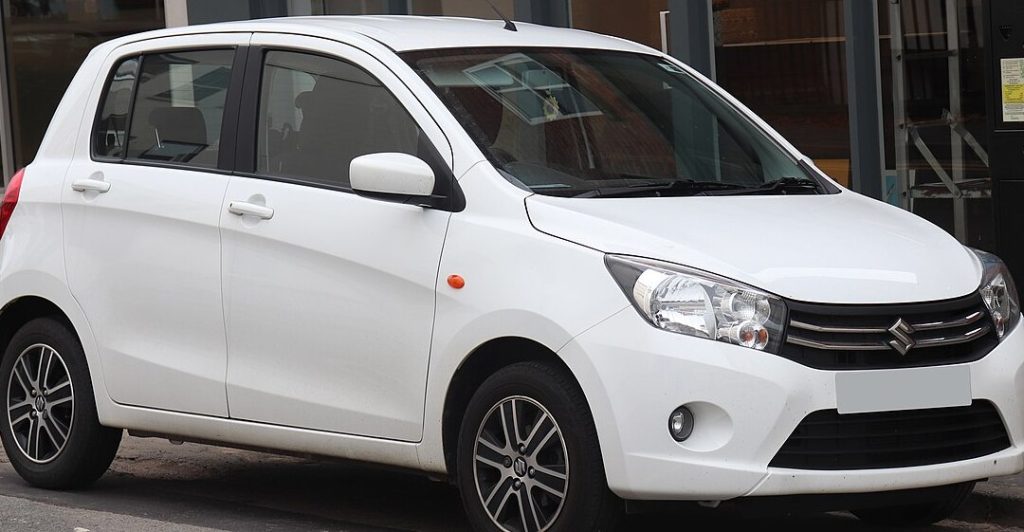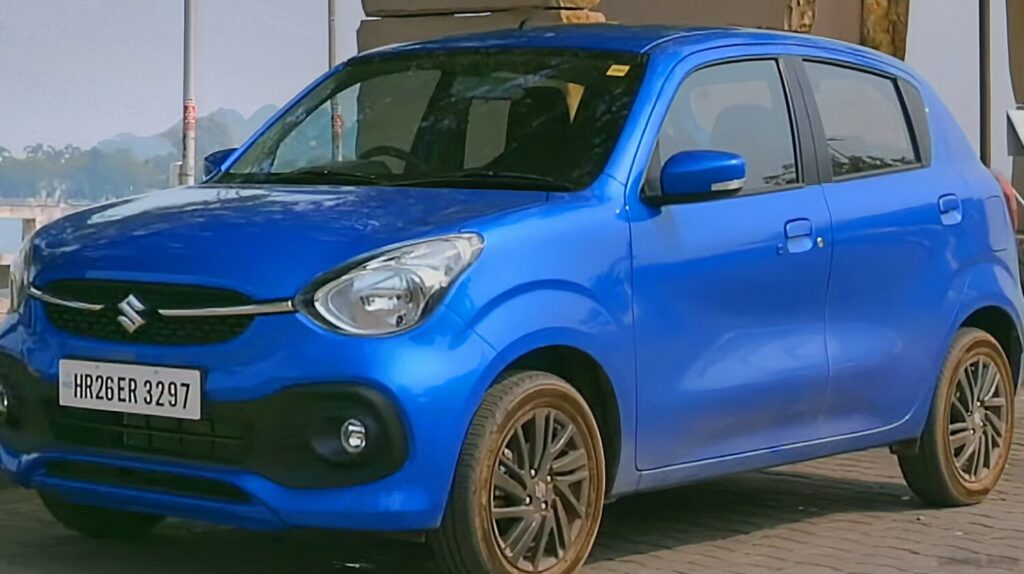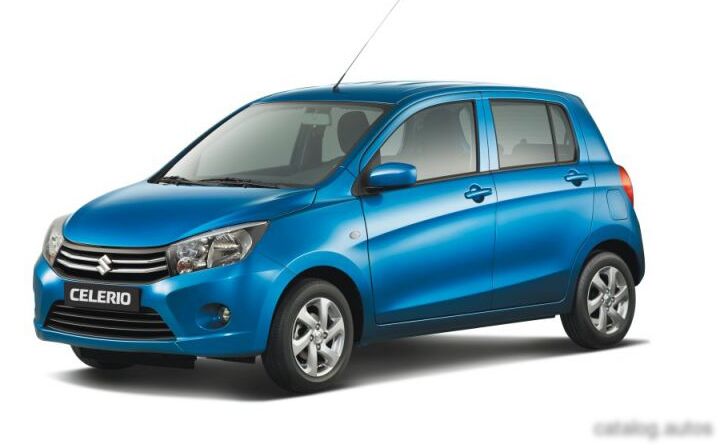
The Suzuki Celerio II 1.0 (68 hp) Automatic, produced from February 2014 to November 2021, represents an entry-level offering within the second generation of the Suzuki Celerio (introduced as the Alto in some markets). Positioned as the most accessible variant of the Celerio II, it aimed to provide affordable and economical transportation, particularly in urban environments. This model was built on the HEARTECT platform, a lightweight chassis designed to enhance fuel efficiency and safety. The Celerio II was primarily sold in Asian and European markets, offering a practical and compact hatchback solution.
Powertrain & Engine Architecture
The heart of the Celerio II 1.0 Automatic is the K10B engine, a 998 cc inline-three cylinder gasoline engine. This engine is characterized by its compact size and lightweight construction, contributing to the vehicle’s overall efficiency. The K10B utilizes a multi-point fuel injection system, delivering fuel directly into the intake ports. It features four valves per cylinder (DOHC – Double Overhead Camshaft) and a compression ratio of 11:1. The engine produces a maximum power output of 68 hp at 6000 rpm and 90 Nm (66.38 lb-ft) of torque at 3500 rpm. The engine’s power-to-liter ratio is 68.1 hp/liter.
Paired with the K10B engine is a 5-speed automatic transmission. This transmission was chosen to provide ease of use, particularly appealing to drivers seeking a convenient and stress-free driving experience. While not known for sporty performance, the automatic transmission offered smooth shifts and adequate acceleration for city driving. The transmission is a conventional torque converter automatic, prioritizing fuel economy and comfort over rapid gear changes.
Engine Specifications
The K10B engine is known for its relatively simple design, which contributes to its reliability and ease of maintenance. It requires 2.8 liters (2.96 US quarts / 2.46 UK quarts) of engine oil, and the recommended coolant capacity is 3.3 liters (3.49 US quarts / 2.9 UK quarts). The engine is naturally aspirated, meaning it does not utilize a turbocharger or supercharger.
Driving Characteristics
The Celerio II 1.0 Automatic’s driving experience is best described as practical and undemanding. Acceleration from 0 to 100 km/h (0-62 mph) takes approximately 15.2 seconds, and 0 to 60 mph is achieved in around 14.4 seconds. The top speed is limited to 155 km/h (96.31 mph). The automatic transmission contributes to a relaxed driving style, but it also means that the engine can feel strained during overtaking maneuvers or when climbing hills. The gear ratios are optimized for fuel efficiency rather than outright performance. Compared to a manual transmission version (if available in certain markets), the automatic variant typically exhibits slightly slower acceleration due to the inherent power loss within the torque converter.
The Celerio’s light weight (885 kg / 1951.09 lbs kerb weight) helps to mitigate the effects of the modest engine output. Steering is light and easy, making it well-suited for navigating congested city streets. The suspension is tuned for comfort, absorbing bumps and imperfections in the road surface reasonably well.
Equipment & Trim Levels
The Celerio II 1.0 Automatic, being the entry-level trim, typically came equipped with basic but essential features. Standard equipment generally included power steering, air conditioning, central locking, and electric front windows. Safety features such as ABS (Anti-lock Braking System) were also standard. Interior upholstery was typically a simple cloth material. The dashboard layout was functional and straightforward, prioritizing usability over aesthetic flair.
Optional extras varied depending on the market, but could include features such as alloy wheels, a more advanced audio system, and a driver’s airbag. Higher trim levels, if available, offered additional features like fog lamps, body-colored door handles and mirrors, and upgraded interior trim.
Chassis & Braking
The Celerio II utilizes a McPherson strut suspension system at the front, providing a good balance of comfort and handling. The rear suspension is a semi-independent coil spring setup, which is a cost-effective solution for a vehicle in this segment. The front brakes are ventilated discs, offering adequate stopping power, while the rear brakes are drums. This combination was chosen to keep costs down while still providing acceptable braking performance for the vehicle’s weight and intended use.
The Celerio II’s front track measures 1420 mm (55.91 in), and the rear track is 1410 mm (55.51 in). The vehicle has a ride height (ground clearance) of 145 mm (5.71 in), which is sufficient for navigating most road conditions. The minimum turning circle is 9.4 meters (30.84 ft).
Market Reception & Comparison
The Suzuki Celerio II 1.0 Automatic was generally well-received as an affordable and fuel-efficient city car. Critics praised its low running costs and ease of driving. However, the engine’s limited power output was often cited as a drawback, particularly for drivers who frequently travel on highways or carry passengers and luggage. Fuel economy figures are impressive, with combined fuel consumption rated at 4.3 l/100 km (54.7 US mpg / 65.7 UK mpg), and CO2 emissions of 99 g/km, meeting Euro 6 emission standards.
Compared to other trims in the Celerio II lineup (if available), the 1.0 Automatic offered the lowest price point but also the least amount of performance. It was positioned as a direct competitor to other small city cars such as the Hyundai i10, Kia Picanto, and Toyota Aygo. These competitors often offered similar levels of fuel efficiency and affordability, but the Celerio II distinguished itself with its lightweight construction and compact dimensions.
Technical Specifications
| Body Type | Hatchback, 5 Doors, 5 Seats |
| Fuel Economy (Combined) | 4.3 l/100 km / 54.7 US mpg / 65.7 UK mpg / 23.3 km/l |
| CO2 Emissions | 99 g/km |
| Maximum Speed | 155 km/h / 96.31 mph |
| Acceleration 0-100 km/h | 15.2 sec |
| Acceleration 0-60 mph | 14.4 sec |
| Power | 68 Hp @ 6000 rpm |
| Torque | 90 Nm @ 3500 rpm / 66.38 lb.-ft. @ 3500 rpm |
| Engine Layout | Front, Transverse |
| Engine Model/Code | K10B |
| Engine Displacement | 998 cm3 / 60.9 cu. in. |
| Number of Cylinders | 3, Inline |
| Cylinder Bore | 73 mm / 2.87 in. |
| Piston Stroke | 79.5 mm / 3.13 in. |
| Compression Ratio | 11:1 |
| Fuel Injection System | Multi-port manifold injection |
| Engine Oil Capacity | 2.8 l / 2.96 US qt / 2.46 UK qt |
| Coolant Capacity | 3.3 l / 3.49 US qt / 2.9 UK qt |
| Kerb Weight | 885 kg / 1951.09 lbs. |
| Max. Weight | 1260 kg / 2777.82 lbs. |
| Trunk (boot) space (min/max) | 254 l / 726 l / 8.97 cu. ft. / 25.64 cu. ft. |
| Fuel Tank Capacity | 35 l / 9.25 US gal / 7.7 UK gal |
| Length | 3600 mm / 141.73 in. |
| Width | 1600 mm / 62.99 in. |
| Height | 1540 mm / 60.63 in. |
| Wheelbase | 2425 mm / 95.47 in. |
| Gearbox | 5 gears, automatic transmission |
Legacy
The Suzuki Celerio II 1.0 Automatic, while not a performance icon, has proven to be a reliable and economical vehicle. The K10B engine is known for its durability, and the simple automatic transmission is relatively trouble-free. In the used car market, these models are often sought after by buyers looking for a low-cost, fuel-efficient city car. Maintenance costs are generally low, and parts availability is good. However, potential buyers should be aware of the engine’s limited power output and the relatively basic level of equipment. The Celerio II 1.0 Automatic remains a viable option for those seeking a practical and affordable mode of transportation, particularly in urban environments.