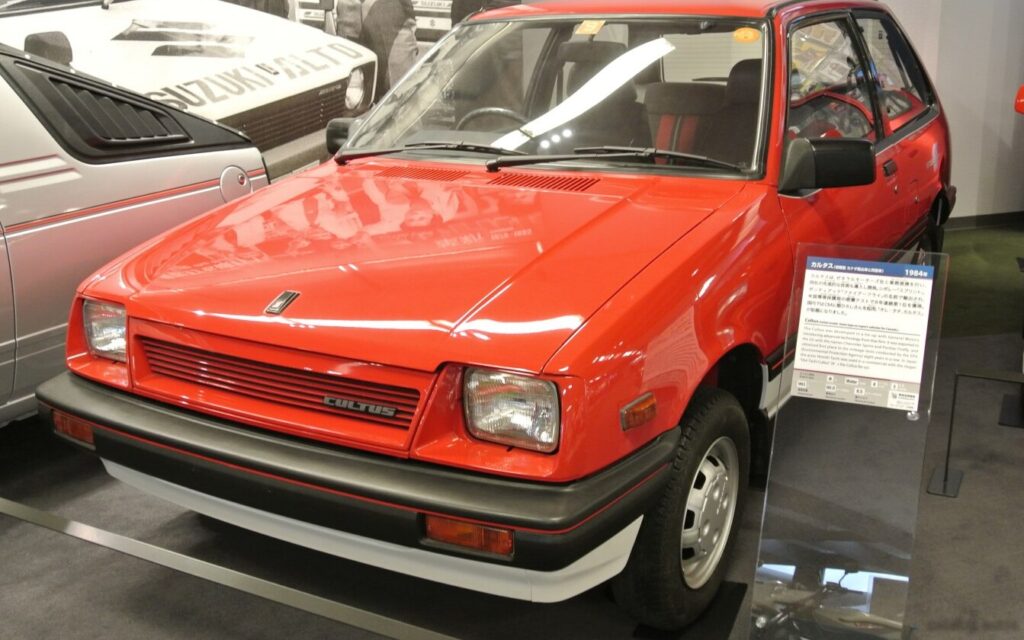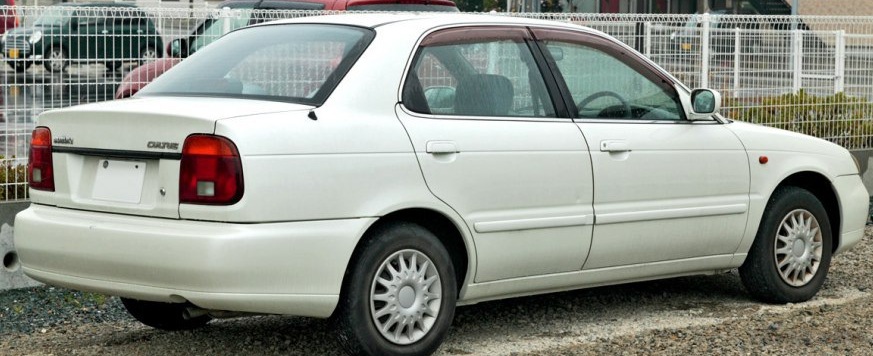
The Suzuki Cultus II 1.6 i (SF416, AH14), producing 92 horsepower, was a variant of the second-generation Suzuki Cultus (also known as the Geo Metro in some markets) manufactured from 1990 to 2003. This model represented a step up in performance and features compared to the base 1.0 and 1.3-liter versions, positioning itself as a mid-range offering within the Cultus II lineup. It was primarily sold as a four-door sedan, catering to buyers seeking a practical and relatively affordable compact car.
Powertrain & Engine Architecture
The heart of the Cultus II 1.6 i was the G16B engine, a 1.6-liter (1590 cc) inline-four cylinder gasoline engine. This engine utilized a single overhead camshaft (OHC) valvetrain with four valves per cylinder. While the provided data indicates a carburetor fuel injection system, this is a simplification. Later iterations of the G16B, particularly those produced after the mid-1990s, often featured multi-point fuel injection, improving efficiency and emissions. The engine produced 92 hp (68.6 kW) at an unspecified RPM and 133 Nm (98.1 lb-ft) of torque. The compression ratio was 9.5:1. The engine was transversely mounted in the front of the vehicle, driving the front wheels.
The G16B engine was known for its relative simplicity and durability, though it wasn’t a particularly high-performance unit. It shared its basic architecture with other Suzuki engines of the era, benefiting from economies of scale in production. The engine oil capacity was 3.3 liters (3.49 US quarts, 2.9 UK quarts), and the cooling system held 4.9 liters (5.18 US quarts, 4.31 UK quarts).
Transmission
The original specification details a 5-speed manual transmission. However, a 3- or 4-speed automatic transmission was also available as an option, and was a common choice for buyers prioritizing convenience over outright performance. The automatic transmission, while providing ease of use, did impact acceleration and fuel economy compared to the manual version. Specific gear ratios for both transmissions varied slightly depending on the production year.
Driving Characteristics
The Cultus II 1.6 i offered a noticeable improvement in driving experience compared to the smaller-engined models. The 92 hp output, while modest by modern standards, provided adequate power for everyday driving and highway cruising, especially when paired with the 5-speed manual transmission. The automatic transmission, while smooth, resulted in slower acceleration and a more relaxed driving style. The weight-to-power ratio of 9.1 kg/hp meant the car wasn’t particularly quick, but it was responsive enough for typical urban and suburban use.
The suspension, consisting of wishbone front suspension and coil springs in the rear, provided a comfortable ride, though it wasn’t particularly sporty. Handling was predictable and safe, but the car wasn’t designed for aggressive cornering. The steering utilized a rack and pinion system, offering reasonable precision.
Equipment & Trim Levels
The Cultus II 1.6 i typically came equipped with basic amenities, reflecting its position as an affordable compact car. Standard features generally included cloth upholstery, a basic instrument cluster, and manual windows and door locks. Air conditioning was often an optional extra, as were power windows and a more advanced audio system. Trim levels varied by market, but generally offered incremental upgrades in interior materials and features. The dashboard layout was functional and straightforward, prioritizing usability over aesthetics.
Higher trim levels might have included features like a tachometer, upgraded seat fabric, and a more comprehensive sound system. However, the Cultus II 1.6 i remained a relatively spartan vehicle, focusing on providing reliable transportation at a reasonable price.
Chassis & Braking
The Cultus II 1.6 i had a kerb weight of 840 kg (1851.88 lbs) and a maximum weight of 1290 kg (2843.96 lbs). The chassis was a traditional body-on-frame construction, contributing to its relatively low weight. The front brakes were discs, providing adequate stopping power, while the rear brakes were drums. An Anti-lock Braking System (ABS) was available as an option, enhancing safety, particularly in wet or slippery conditions.
The suspension setup, with its wishbone front and coil spring rear, was tuned for comfort rather than performance. Tire size was typically 165/65 R14, mounted on 14-inch steel wheels. The front and rear track widths were 1365 mm (53.74 in) and 1340 mm (52.76 in) respectively.
Market Reception & Comparison
The Suzuki Cultus II 1.6 i was generally well-received as a practical and economical compact car. Critics praised its fuel efficiency and reliability, but noted its lack of refinement and relatively basic interior. Compared to its siblings, the 1.6 i offered a significant performance advantage over the 1.0 and 1.3-liter models, making it a more appealing option for drivers who frequently traveled on highways or carried passengers. However, it didn’t offer the same level of performance or prestige as larger, more expensive cars in the segment.
Fuel economy was a strong point, with the 1.6 i achieving reasonable mileage for its time. Reliability was also generally good, with the G16B engine proving to be durable and relatively trouble-free. Maintenance costs were typically low, thanks to the car’s simple design and readily available parts.
Technical Specifications
| Brand | Suzuki |
| Model | Cultus |
| Generation | Cultus II |
| Type (Engine) | 1.6 i (SF416,AH14) (92 Hp) |
| Start of production | 1990 year |
| End of production | 2003 year |
| Powertrain Architecture | Internal Combustion engine |
| Body type | Sedan |
| Seats | 5 |
| Doors | 4 |
| Fuel Type | Petrol (Gasoline) |
| Weight-to-power ratio | 9.1 kg/Hp |
| Power | 92 Hp |
| Torque | 133 Nm / 98.1 lb.-ft. |
| Engine layout | Front, Transverse |
| Engine Model/Code | G16B |
| Engine displacement | 1590 cm3 / 97.03 cu. in. |
| Number of cylinders | 4 |
| Engine configuration | Inline |
| Cylinder Bore | 75 mm / 2.95 in. |
| Piston Stroke | 90 mm / 3.54 in. |
| Compression ratio | 9.5:1 |
| Number of valves per cylinder | 4 |
| Fuel injection system | Carburettor (early models) / Multi-point Fuel Injection (later models) |
| Engine aspiration | Naturally aspirated engine |
| Valvetrain | OHC |
| Engine oil capacity | 3.3 l / 3.49 US qt | 2.9 UK qt |
| Coolant | 4.9 l / 5.18 US qt | 4.31 UK qt |
| Kerb Weight | 840 kg / 1851.88 lbs |
| Max. weight | 1290 kg / 2843.96 lbs |
| Max load | 450 kg / 992.08 lbs |
| Trunk (boot) space – minimum | 363 l / 12.82 cu. ft. |
| Fuel tank capacity | 40 l / 10.57 US gal | 8.8 UK gal |
| Length | 4075 mm / 160.43 in. |
| Width | 1600 mm / 62.99 in. |
| Height | 1380 mm / 54.33 in. |
| Wheelbase | 2365 mm / 93.11 in. |
| Front track | 1365 mm / 53.74 in. |
| Rear (Back) track | 1340 mm / 52.76 in. |
| Drivetrain Architecture | Front wheel drive |
| Number of gears and type of gearbox | 5 gears, manual transmission |
| Front suspension | Wishbone |
| Rear suspension | Coil spring |
| Front brakes | Disc |
| Rear brakes | Drum |
| Assisting systems | ABS (Optional) |
| Steering type | Steering rack and pinion |
| Tires size | 165/65 R14 |
| Wheel rims size | 14 |
Legacy
The Suzuki Cultus II 1.6 i, while not a particularly iconic or collectible car, remains a popular choice among budget-conscious buyers and those seeking a reliable and economical used vehicle. The G16B engine is known for its durability, and many examples are still on the road today. Parts availability is generally good, and maintenance costs remain relatively low. However, potential buyers should be aware of the possibility of rust, particularly in areas with harsh winters. The automatic transmission, while convenient, may require more frequent servicing than the manual version. Overall, the Cultus II 1.6 i represents a solid and dependable option in the used car market, offering a good balance of affordability, fuel efficiency, and practicality.