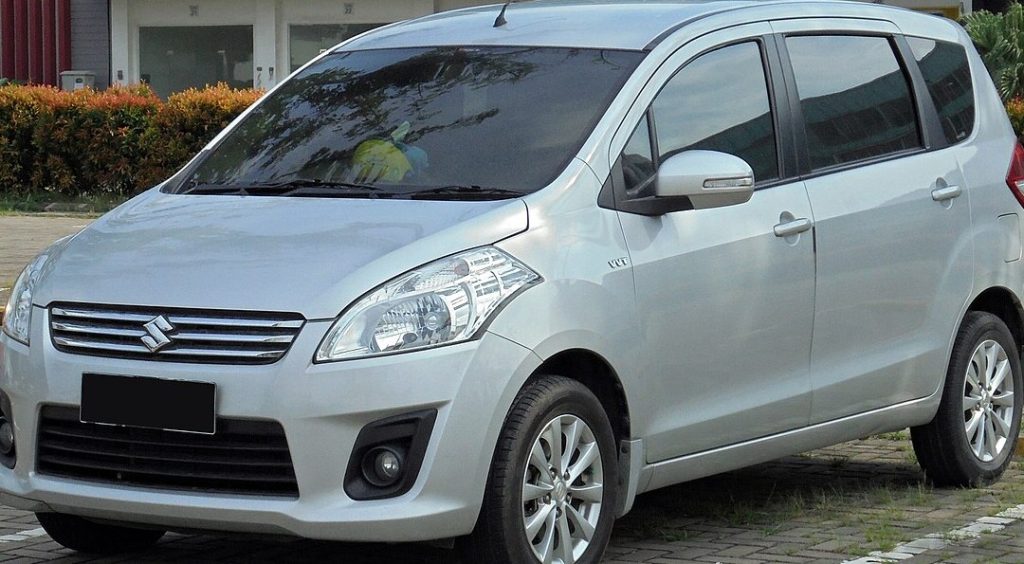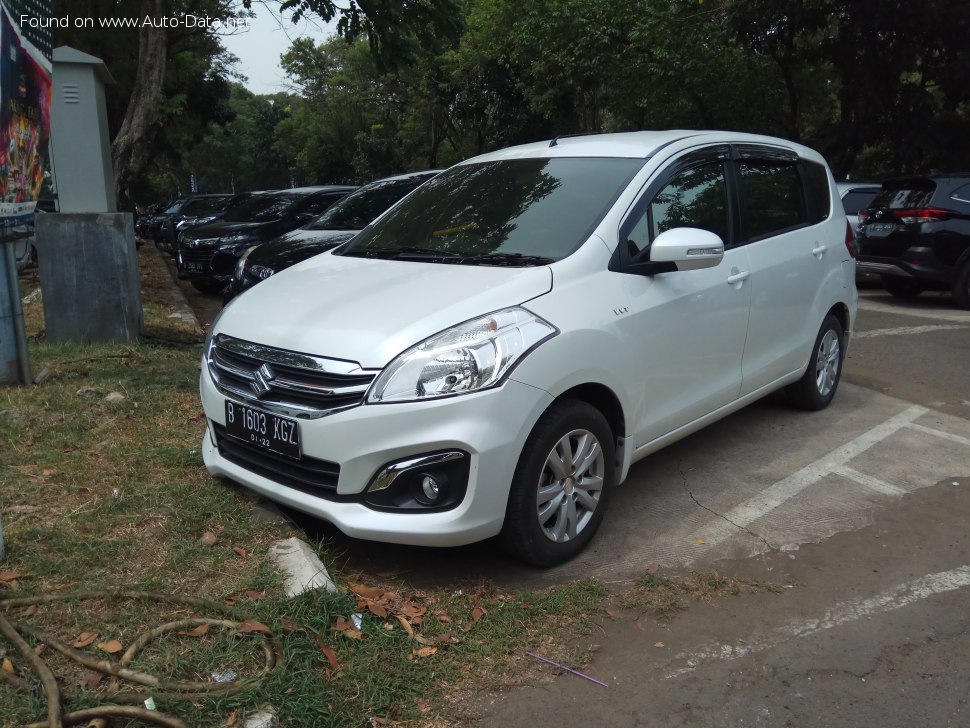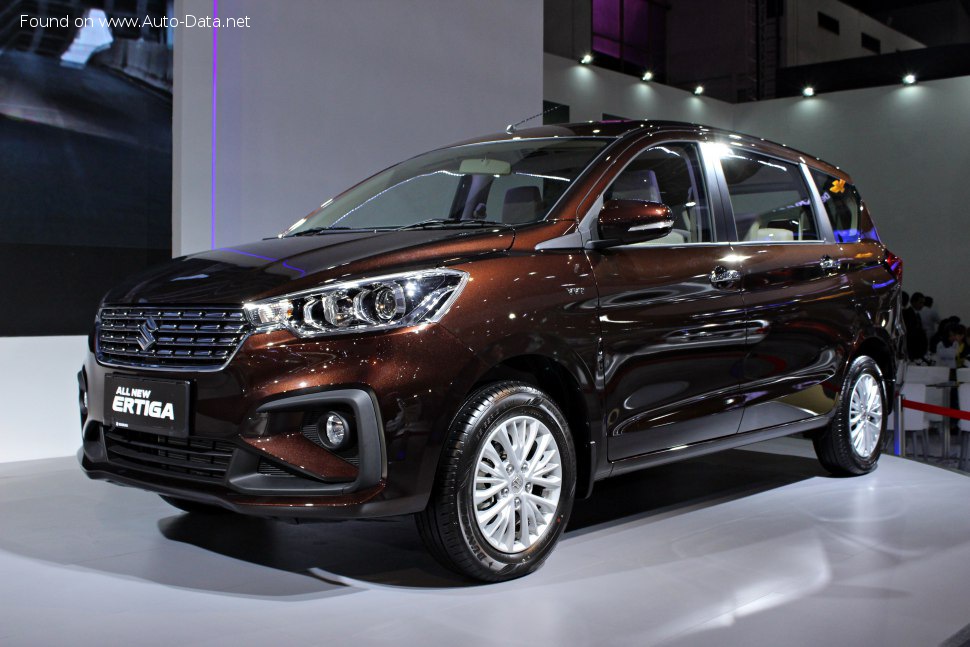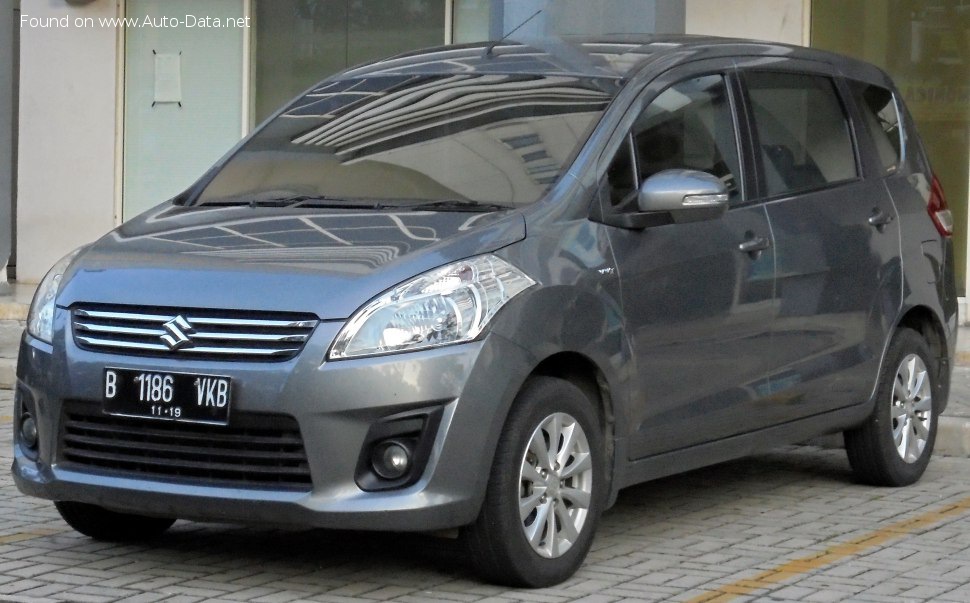
The Suzuki Ertiga I 1.2 CRDi (90 hp) was a compact multi-purpose vehicle (MPV) produced by Suzuki from January 2012 to 2015. Positioned as an entry-level offering within the first generation Ertiga (Ertiga I) lineup, it provided affordable seven-seat transportation, primarily targeting families and budget-conscious buyers. The Ertiga I, built on a modified Swift platform, represented Suzuki’s attempt to capitalize on the growing demand for practical and spacious vehicles in emerging markets, particularly in India and Southeast Asia. This 1.2 CRDi variant was a key component of that strategy, offering a diesel engine option for improved fuel economy compared to the petrol versions.
Powertrain & Engine Architecture
The heart of the Ertiga I 1.2 CRDi is the D13A four-cylinder diesel engine, displacing 1248 cm³ (76.16 cubic inches). This engine produces 90 horsepower (hp) at 4000 rpm and 200 Newton-meters (Nm) of torque at 1750 rpm, equating to 147.51 lb-ft. The engine features a common rail direct injection system, which optimizes fuel delivery for improved efficiency and reduced emissions. A turbocharger with an intercooler is employed to boost power output and enhance responsiveness. The engine’s configuration is inline, with four valves per cylinder, contributing to its relatively efficient combustion process. The engine oil capacity is 3.2 liters (3.38 US quarts or 2.82 UK quarts), and the recommended oil specification should be consulted in the vehicle’s owner’s manual.
Engine Details
The D13A engine utilizes a cast iron block and an aluminum cylinder head. The bore measures 69.6 mm (2.74 inches) and the stroke is 82 mm (3.23 inches). The diesel common rail system operates at high pressure, ensuring fine atomization of the fuel for cleaner and more complete combustion. The turbocharger is a variable geometry turbo (VGT), allowing for optimized boost pressure across a wider range of engine speeds. This contributes to the engine’s usable torque, particularly at lower RPMs, which is beneficial for everyday driving and carrying a full load of passengers.
Driving Characteristics
The 1.2 CRDi engine, paired with a 5-speed manual transmission (this article focuses on the manual transmission variant as the automatic was not widely available in most markets), delivers adequate performance for its intended purpose. While not a particularly sporty vehicle, the Ertiga I 1.2 CRDi offers sufficient power for highway cruising and city driving, even when fully loaded. The torque peak at 1750 rpm provides good low-end grunt, making it easy to accelerate from a standstill or overtake slower vehicles. The 5-speed gearbox is relatively smooth-shifting, although the shift linkage can feel somewhat vague. Compared to the petrol versions of the Ertiga I, the 1.2 CRDi offers significantly better fuel economy, making it a more economical choice for drivers who cover long distances. However, it lacks the refinement and responsiveness of higher-powered engines.
Equipment & Trim Levels
The Ertiga I 1.2 CRDi typically came with a relatively basic level of equipment, reflecting its position as an entry-level model. Standard features generally included air conditioning, power steering, central locking, and front power windows. The interior upholstery was typically cloth, and the dashboard featured a functional but somewhat utilitarian design. Optional extras, depending on the market, could include a stereo system with CD player, alloy wheels, rear power windows, and a driver’s airbag. Higher trim levels, if available, might add features like fog lamps, a multi-function steering wheel, and upgraded interior trim. The focus was on providing a practical and affordable vehicle rather than luxurious appointments.
Chassis & Braking
The Ertiga I utilizes a McPherson strut independent suspension system at the front, providing a reasonable level of ride comfort and handling. The rear suspension employs a torsion beam setup, which is a cost-effective solution for maintaining a comfortable ride while minimizing complexity. The front brakes are discs, offering good stopping power, while the rear brakes are drums, a common feature in this price segment. Anti-lock Braking System (ABS) was often included as standard equipment, enhancing safety by preventing wheel lockup during hard braking. The steering system is a rack and pinion type with electric power steering, providing light and easy steering feel. The vehicle rides on 185/65 R15 tires mounted on 15-inch steel or alloy wheels.
Market Reception & Comparison
The Suzuki Ertiga I 1.2 CRDi was generally well-received by critics and consumers alike, particularly in markets where fuel efficiency and affordability were key considerations. It was praised for its spacious interior, seven-seat capacity, and relatively low running costs. However, some reviewers noted that the engine could feel underpowered when fully loaded, and the interior quality was somewhat basic. Compared to other MPVs in its class, such as the Toyota Avanza and the Honda Mobilio, the Ertiga I offered a competitive combination of price, space, and fuel economy. The 1.2 CRDi variant was often preferred over the petrol versions due to its superior fuel efficiency, making it a popular choice for families and taxi operators.
Technical Specifications
| Brand | Suzuki |
| Model | Ertiga I |
| Type | 1.2 CRDi (90 Hp) |
| Start of production | January, 2012 |
| End of production | 2015 |
| Engine Type | Internal Combustion engine |
| Body type | MPV |
| Seats | 7 |
| Doors | 5 |
| Fuel Type | Diesel |
| Power | 90 Hp @ 4000 rpm |
| Torque | 200 Nm @ 1750 rpm (147.51 lb.-ft. @ 1750 rpm) |
| Engine Layout | Front, Transverse |
| Engine Model/Code | D13A |
| Engine Displacement | 1248 cm3 (76.16 cu. in.) |
| Number of Cylinders | 4 |
| Engine Configuration | Inline |
| Cylinder Bore | 69.6 mm (2.74 in.) |
| Piston Stroke | 82 mm (3.23 in.) |
| Number of Valves per Cylinder | 4 |
| Fuel Injection System | Diesel Commonrail |
| Engine Aspiration | Turbocharger, Intercooler |
| Engine Oil Capacity | 3.2 l (3.38 US qt | 2.82 UK qt) |
| Max. Weight | 1845 kg (4067.53 lbs.) |
| Fuel Tank Capacity | 45 l (11.89 US gal | 9.9 UK gal) |
| Length | 4265 mm (167.91 in.) |
| Width | 1695 mm (66.73 in.) |
| Height | 1685 mm (66.34 in.) |
| Wheelbase | 2740 mm (107.87 in.) |
| Front Track | 1480 mm (58.27 in.) |
| Rear Track | 1490 mm (58.66 in.) |
| Ride Height | 185 mm (7.28 in.) |
| Turning Circle | 10.4 m (34.12 ft.) |
| Drivetrain | Front wheel drive |
| Gears | 5, manual transmission |
| Front Suspension | Independent type McPherson |
| Rear Suspension | Torsion |
| Front Brakes | Disc |
| Rear Brakes | Drum |
| Assisting Systems | ABS (Anti-lock braking system) |
| Steering | Steering rack and pinion, Electric Power Steering |
| Tire Size | 185/65 R15 |
Legacy
The Suzuki Ertiga I 1.2 CRDi, while not without its shortcomings, proved to be a popular and reliable MPV in many markets. The D13A engine, when properly maintained, is known for its durability and relatively low maintenance costs. In the used car market, these Ertigas continue to be sought after by buyers looking for an affordable and practical seven-seat vehicle. Common issues include wear and tear on suspension components and potential problems with the turbocharger if not regularly serviced. However, overall, the Ertiga I 1.2 CRDi remains a viable option for those seeking a budget-friendly MPV with decent fuel economy and a spacious interior. The success of the first-generation Ertiga paved the way for subsequent iterations, solidifying Suzuki’s presence in the MPV segment.