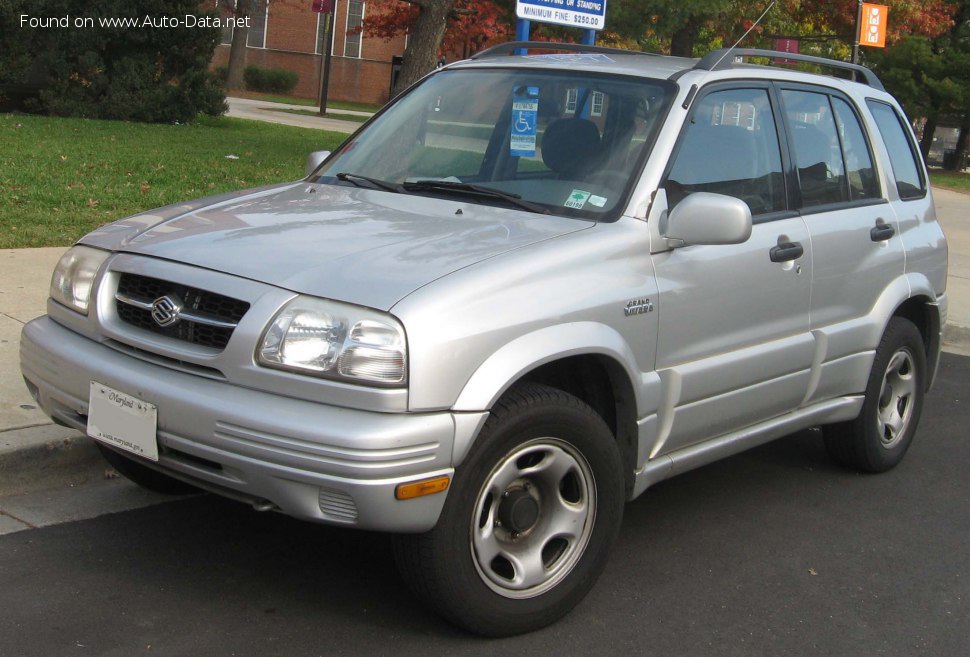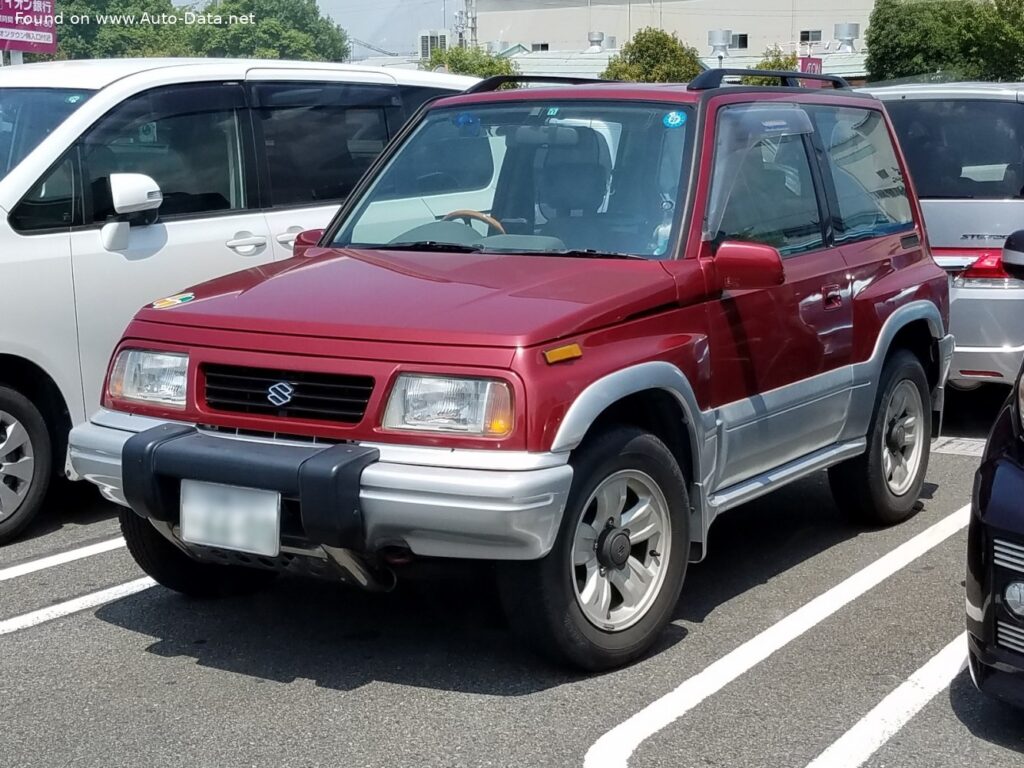
The Suzuki Escudo I 1.6i (101 hp) was a popular compact SUV produced between 1988 and 1998. Representing the first generation of the Escudo (also known as the Vitara in some markets), this variant served as a key entry point into the model range, offering a balance of affordability, practicality, and Suzuki’s emerging four-wheel-drive capability. The Escudo I was built on a body-on-frame construction, a design choice common for SUVs of the era, prioritizing durability and off-road performance. This 1.6i model was positioned as the base engine option, appealing to buyers seeking a versatile vehicle for daily commuting and light off-road adventures.
Suzuki Escudo I 1.6i: An Overview
The Escudo I, launched in 1988, marked Suzuki’s significant entry into the rapidly growing compact SUV segment. The 1.6i variant, powered by the G16A engine, was a mainstay of the lineup throughout its production run. Available primarily with a three-door body style, though a five-door version was later introduced, the Escudo I 1.6i targeted buyers who needed a small, capable SUV without the expense of larger or more powerful models. It competed with vehicles like the Toyota RAV4 (later in its production run), Honda CR-V, and Isuzu Trooper II, offering a more affordable and compact alternative.
Powertrain & Engine Architecture
The heart of the Escudo I 1.6i is the G16A inline-four cylinder gasoline engine. This 1.6-liter (1590 cc) engine produces 101 horsepower at 6000 rpm and 134 Nm (98.83 lb-ft) of torque at 3000 rpm. The engine features a single overhead camshaft (OHC) valvetrain with four valves per cylinder, contributing to its relatively efficient operation for its time. Fuel delivery is managed by a multi-port fuel injection system, improving throttle response and fuel economy compared to earlier carbureted engines. The engine’s bore is 75mm and the stroke is 90mm, resulting in a compression ratio of 9.5:1. The G16A is a naturally aspirated engine, meaning it does not utilize a turbocharger or supercharger to force air into the cylinders.
While a five-speed manual transmission was commonly offered, the 1.6i Escudo was also available with a four-speed automatic transmission. This automatic option, while providing convenience, did impact performance slightly. The automatic transmission was designed for durability and ease of use, prioritizing smooth shifts over outright speed. The transmission’s gear ratios were optimized for everyday driving conditions, with a focus on fuel efficiency and comfortable cruising. The automatic transmission was a popular choice for buyers who preferred a more relaxed driving experience.
Driving Characteristics
The Escudo I 1.6i, particularly when equipped with the automatic transmission, offered a modest but adequate level of performance. Acceleration was not its strong suit, with 0-60 mph times estimated to be around 12-14 seconds. However, the engine’s torque delivery at lower rpm made it reasonably capable for everyday driving and light off-road work. The automatic transmission’s shift points were programmed to prioritize fuel economy, which meant the engine sometimes felt strained during quick acceleration or when climbing hills. Compared to the later 1.9-liter and 2.0-liter engine options, the 1.6i felt noticeably less powerful. The manual transmission version offered a more engaging driving experience and slightly improved acceleration, allowing the driver to better control the engine’s power band.
The Escudo I’s four-wheel-drive system, typically selectable between 2H (two-wheel drive), 4H (four-wheel drive high range), and 4L (four-wheel drive low range), provided enhanced traction in challenging conditions. This made the 1.6i a surprisingly capable off-road vehicle for its size and price point. The body-on-frame construction contributed to its durability and ability to withstand the stresses of off-road driving.
Equipment & Trim Levels
The Escudo I 1.6i typically came with a relatively basic level of standard equipment, reflecting its position as the entry-level model. Standard features generally included cloth upholstery, manual windows and door locks, and a basic AM/FM radio. Air conditioning was often an optional extra, as were power windows and a more advanced audio system. Interior trim was functional and durable, prioritizing practicality over luxury. The dashboard layout was straightforward and easy to use, with clearly labeled controls. Later models may have included features like a tilt steering wheel and upgraded interior trim options.
Optional extras for the 1.6i Escudo could include alloy wheels, a sunroof, and upgraded suspension components. Some models also offered a rear cargo area cover and a spare tire carrier. The availability of optional equipment varied depending on the market and the year of production.
Chassis & Braking
The Escudo I utilized a body-on-frame construction, providing a robust and durable chassis. The suspension system consisted of coil springs and shock absorbers, offering a comfortable ride quality for a vehicle of its type. Front suspension was independent, while the rear suspension typically featured a solid axle with leaf springs. This configuration contributed to the Escudo’s off-road capability and load-carrying capacity. Braking systems varied depending on the market and year. Earlier models often featured drum brakes on the rear wheels, while later models upgraded to disc brakes on all four wheels. The braking system was adequate for everyday driving, but lacked the stopping power of more modern vehicles. Stabilizer bars were often included to reduce body roll during cornering.
Market Reception & Comparison
The Suzuki Escudo I 1.6i was generally well-received by critics and consumers alike. It was praised for its affordability, practicality, and off-road capability. However, some critics noted its relatively modest performance and basic interior. Compared to the higher-trim Escudo models with larger engines, the 1.6i offered a more economical option, but at the expense of power and refinement. Fuel economy was a strong point for the 1.6i, typically achieving around 25-30 mpg in mixed driving conditions. Reliability was generally good, with the G16A engine proving to be a durable and long-lasting unit. The Escudo I 1.6i represented a good value for buyers seeking a small, capable SUV.
Technical Specifications
| Engine Type | Inline-4, Gasoline |
| Engine Displacement | 1590 cc (97.03 cu in) |
| Power | 101 hp @ 6000 rpm |
| Torque | 134 Nm (98.83 lb-ft) @ 3000 rpm |
| Compression Ratio | 9.5:1 |
| Valves per Cylinder | 4 |
| Fuel Injection | Multi-port |
| Transmission | 4-speed Automatic (also available with 5-speed Manual) |
| Drivetrain | Four-Wheel Drive (Selectable 2H, 4H, 4L) |
| Body Type | 3-Door SUV (5-Door available later) |
| Seating Capacity | 5 |
| Curb Weight | Approximately 1,100 – 1,200 kg (2,425 – 2,646 lbs) |
| Fuel Tank Capacity | 55 liters (14.5 US gallons) |
Legacy
The Suzuki Escudo I 1.6i remains a popular choice among enthusiasts and collectors today. Its affordability, simplicity, and off-road capability have made it a desirable vehicle in the used car market. The G16A engine is known for its reliability and relatively easy maintenance. While parts availability may be becoming more challenging, many components are still readily available through aftermarket suppliers. The Escudo I 1.6i represents a significant milestone in Suzuki’s history, establishing the brand as a major player in the compact SUV segment. It laid the foundation for future generations of the Vitara/Escudo, which continue to be popular vehicles around the world.