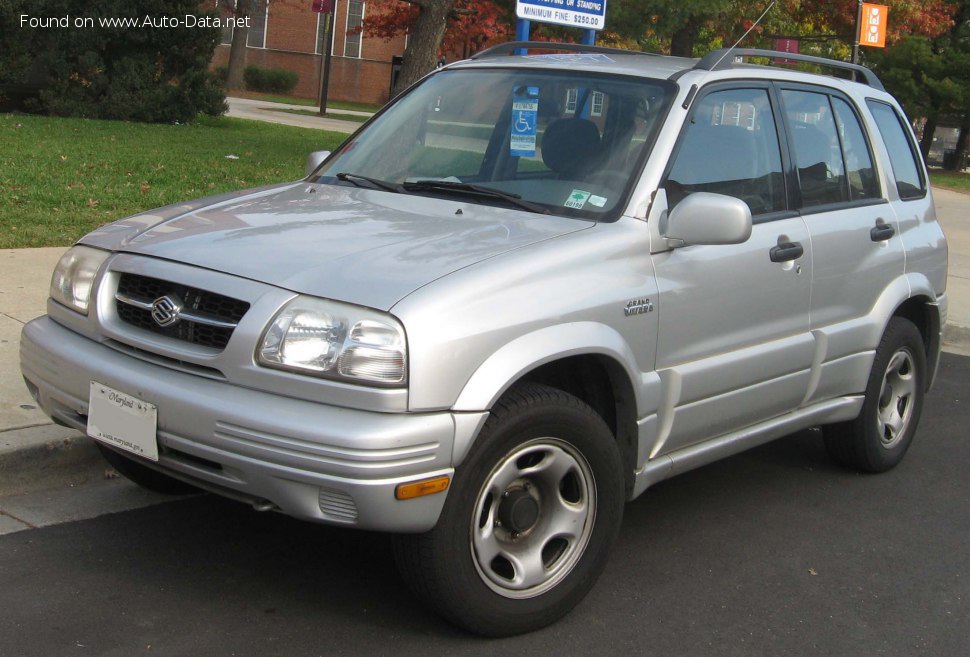
The Suzuki Escudo I 2.0i (145 hp) was a variant of the first-generation Escudo, produced between 1988 and 1998. This model represented a significant step up in performance and refinement for the Escudo line, positioning itself as a more capable and comfortable option within the burgeoning compact SUV segment. The Escudo I, known as the Vitara in many markets, was built on a body-on-frame chassis, offering robust off-road capability. The 2.0i variant, powered by the J20A engine, aimed to balance off-road prowess with on-road drivability, appealing to buyers seeking a versatile vehicle for both daily commuting and weekend adventures.
Suzuki Escudo I 2.0i: An Overview
The Escudo I was Suzuki’s initial foray into the compact SUV market, designed to compete with vehicles like the Toyota RAV4 and Honda CR-V. The 2.0i model, with its 145 horsepower engine, occupied a middle ground in the Escudo lineup. Lower trims featured smaller displacement engines, while higher-end models often included features like automatic transmissions and more luxurious interiors. The 3-door body style was particularly popular, emphasizing the Escudo’s off-road heritage and youthful appeal. The Escudo I was notable for its available four-wheel-drive system, which provided enhanced traction in challenging conditions.
Powertrain & Engine Architecture
The heart of the Escudo I 2.0i is the J20A inline-four cylinder engine. This 1995cc (121.74 cubic inches) naturally aspirated engine produced 145 hp at 6500 rpm and 186 Nm (137.19 lb-ft) of torque at 4000 rpm. The engine featured a cast iron block and an aluminum cylinder head, a common configuration for engines of this era. The J20A employed a multi-port fuel injection system, delivering fuel directly to each intake port for improved efficiency and performance. The valvetrain consisted of a double overhead camshaft (DOHC) design with four valves per cylinder, contributing to the engine’s relatively high output for its displacement. The engine’s longitudinal mounting allowed for a more traditional front-engine, rear-wheel-drive layout, which was essential for its off-road capabilities. The J20A engine had a compression ratio of 9.7:1. Engine oil capacity was 4.2 liters (4.44 US quarts or 3.7 UK quarts).
Driving Characteristics
The Escudo I 2.0i offered a noticeable improvement in performance compared to the lower-displacement models. While not a sports car, the 145 hp engine provided adequate power for both on-road driving and moderate off-road excursions. Acceleration was respectable, and the engine felt responsive throughout the rev range. The engine’s torque peak at 4000 rpm meant that it delivered usable power for everyday driving situations. The 3-door body style, while offering a more compact footprint, resulted in limited rear passenger space. The suspension, tuned for a balance of comfort and off-road capability, provided a reasonably smooth ride on paved roads, although it could feel somewhat bouncy on uneven surfaces. The available four-wheel-drive system, selectable via a transfer case, significantly enhanced traction in slippery conditions, making the Escudo I 2.0i a capable off-road vehicle. The manual transmission offered a more engaging driving experience, while the optional automatic transmission prioritized convenience.
Equipment & Trim Levels
The Escudo I 2.0i typically came equipped with features such as power steering, air conditioning, and a basic audio system. Higher trim levels offered upgrades like alloy wheels, upgraded upholstery, and a more sophisticated sound system. Interior materials were generally durable and practical, reflecting the Escudo’s intended use as a rugged utility vehicle. The dashboard layout was functional and straightforward, with easy-to-read gauges. Optional extras included a sunroof, power windows, and power door locks. The 2.0i trim often served as a base for adding these optional features, allowing buyers to customize their vehicle to their specific needs and preferences. Upholstery was typically cloth, with vinyl or leather options available on higher-spec models.
Chassis & Braking
The Escudo I utilized a body-on-frame construction, providing a robust and durable chassis. The suspension consisted of a double wishbone setup in the front and a multi-link suspension in the rear. This configuration offered a good balance of ride comfort and off-road articulation. Braking systems varied depending on the specific market and trim level. Many models were equipped with front disc brakes and rear drum brakes. Higher-end models often featured disc brakes on all four wheels. Stabilizer bars were typically included in the front suspension to reduce body roll during cornering. The steering system was a recirculating ball type, providing a direct and responsive feel. The Escudo I’s relatively lightweight construction contributed to its nimble handling characteristics.
Market Reception & Comparison
The Suzuki Escudo I 2.0i was generally well-received by automotive critics. It was praised for its off-road capability, rugged construction, and relatively affordable price. However, some critics noted that the interior was somewhat basic and that the ride quality could be improved. Compared to other trims in the Escudo lineup, the 2.0i offered a significant performance advantage over the smaller-displacement models. It provided a more enjoyable driving experience, particularly when equipped with the manual transmission. Fuel economy was reasonable for a vehicle of its type, averaging around 20-25 mpg in mixed driving conditions. Reliability was generally good, although some owners reported issues with the fuel injection system and the transfer case. Compared to competitors like the Toyota RAV4 and Honda CR-V, the Escudo I 2.0i offered a more traditional off-road experience, while the RAV4 and CR-V focused more on on-road comfort and refinement.
Technical Specifications
| Engine Model/Code | J20A |
| Engine Displacement | 1995 cm3 (121.74 cu. in.) |
| Number of Cylinders | 4, Inline |
| Cylinder Bore | 84 mm (3.31 in.) |
| Piston Stroke | 90 mm (3.54 in.) |
| Compression Ratio | 9.7:1 |
| Number of Valves per Cylinder | 4 |
| Fuel Injection System | Multi-port manifold injection |
| Engine Aspiration | Naturally aspirated |
| Maximum Power | 145 hp @ 6500 rpm |
| Maximum Torque | 186 Nm @ 4000 rpm (137.19 lb-ft @ 4000 rpm) |
| Engine Oil Capacity | 4.2 l (4.44 US qt | 3.7 UK qt) |
| Body Type | SUV, 3 Doors |
| Seats | 5 |
Legacy
The Suzuki Escudo I 2.0i remains a popular choice among enthusiasts and off-roaders. Its robust construction, capable four-wheel-drive system, and relatively simple mechanicals make it a reliable and easy-to-maintain vehicle. The J20A engine, while not particularly powerful by modern standards, is known for its durability and longevity. In the used car market, the Escudo I 2.0i commands a reasonable price, particularly for well-maintained examples. Parts availability is generally good, although some components may be becoming increasingly difficult to find. The Escudo I 2.0i represents a significant milestone in Suzuki’s history, establishing the brand as a serious contender in the compact SUV segment. Its blend of off-road capability, on-road comfort, and affordability continues to appeal to buyers today.