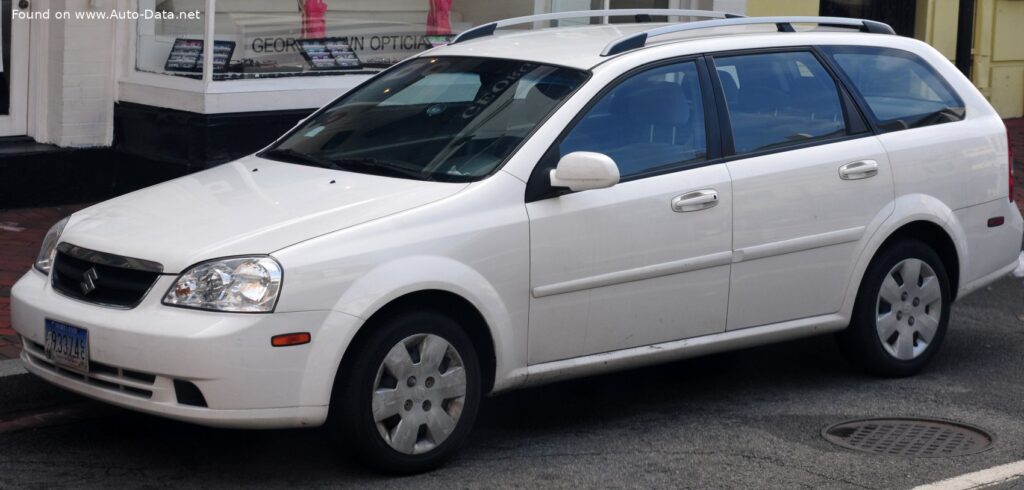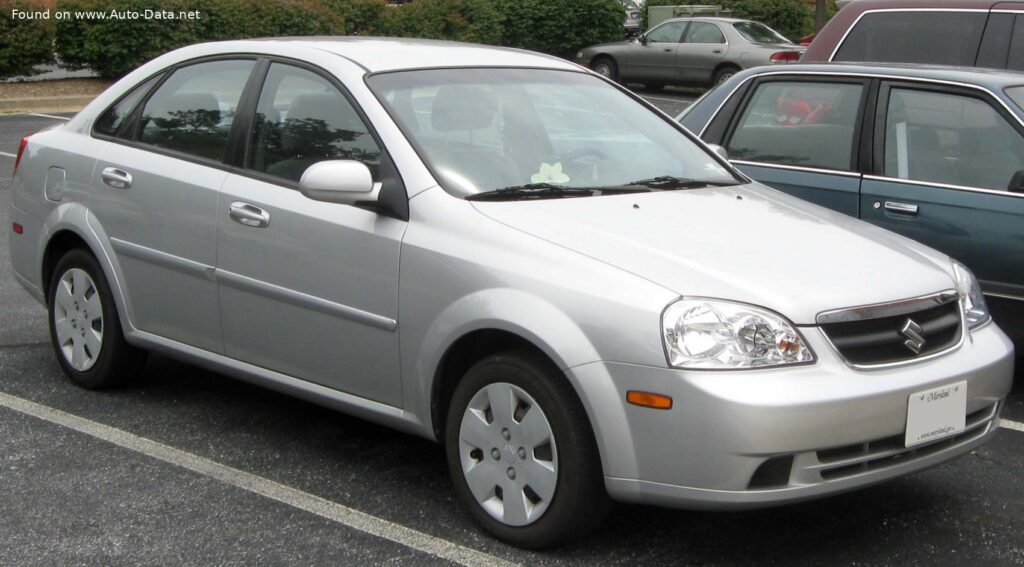
The Suzuki Forenza 2.0 (127 hp) Automatic, produced between 2006 and 2008, represented the top-tier engine and transmission offering for the first generation Forenza (introduced in 2004). Positioned as the premium trim level, it aimed to provide a more refined driving experience and increased power compared to the base 1.6L engine option. The Forenza itself was a compact sedan designed to compete in the North American market, leveraging a platform shared with the Chevrolet Optra and Daewoo Nubira. This variant sought to appeal to buyers prioritizing comfort and ease of use over outright performance, offering a convenient automatic transmission and a respectable level of standard equipment.
Suzuki Forenza 2.0 Automatic: An Overview
The Forenza was Suzuki’s attempt to establish a stronger foothold in the competitive compact sedan segment. The 2.0L automatic model was the flagship, intended to attract buyers who desired a more powerful and comfortable vehicle than the base model. While not a performance car, it offered a noticeable improvement in acceleration and highway cruising ability. The vehicle was sold primarily in the United States and Canada, and its production run was relatively short, ending in 2008. The Forenza was based on the GM Delta platform, a cost-effective solution that allowed Suzuki to enter the market quickly, but also meant it shared many components with other vehicles.
Powertrain & Engine Architecture
The heart of the Forenza 2.0 Automatic is the J20A inline-four cylinder engine. This 2.0-liter (1998 cc) naturally aspirated engine produces 127 horsepower at 5,800 rpm and 122 lb-ft of torque at 4,200 rpm. The engine utilizes a single overhead camshaft (SOHC) valvetrain with two valves per cylinder. Fuel delivery is managed by a multi-point fuel injection system. The engine block is cast iron, while the cylinder head is aluminum, a common configuration for balancing durability and weight. The J20A engine is known for its relatively simple design, contributing to its generally good reliability.
The engine is mated to a four-speed automatic transmission. This transmission, sourced from GM, is a conventional hydraulic automatic, offering smooth shifts but lacking the efficiency of more modern transmissions with more gears. The gear ratios are tuned for comfortable cruising and adequate acceleration, rather than maximizing fuel economy or performance. First gear is relatively short for quick take-offs, while the higher gears are geared for relaxed highway driving. The transmission does not feature a manual shift mode.
Driving Characteristics
The driving experience in the Forenza 2.0 Automatic is best described as comfortable and predictable. Acceleration is adequate for everyday driving, with 0-60 mph times estimated around 10-11 seconds. The four-speed automatic transmission, while smooth, can feel somewhat dated compared to transmissions with more gears. The engine delivers its peak torque at a relatively high rpm, meaning drivers often need to downshift to access its full power, especially when climbing hills or overtaking. Compared to a hypothetical manual transmission version, the automatic sacrifices some responsiveness and fuel efficiency. The suspension is tuned for comfort, absorbing bumps and road imperfections reasonably well, but it doesn’t offer particularly sporty handling. Steering feel is light and precise, making it easy to maneuver in city traffic.
Equipment & Trim Levels
The 2.0L Automatic Forenza typically came standard with features such as air conditioning, power windows and locks, a CD player with AM/FM radio, and cloth upholstery. Safety features included dual front airbags and ABS (Anti-lock Braking System). Higher trim levels, often denoted by optional packages, could add features like a sunroof, upgraded audio system, alloy wheels, and keyless entry. Interior materials were generally of average quality for the price point, focusing on durability rather than luxury. The dashboard layout is functional and straightforward, with easy-to-read gauges and controls. The rear seats offer adequate legroom for passengers, making it a suitable family sedan.
Chassis & Braking
The Forenza utilizes a front-wheel-drive layout with an independent MacPherson strut suspension in the front and a semi-independent torsion beam suspension in the rear. This suspension setup provides a good balance between ride comfort and handling. The front brakes are ventilated discs, offering good stopping power, while the rear brakes are drum brakes, a cost-saving measure common in this class of vehicle. The ABS system helps to prevent wheel lockup during hard braking, improving stability and control. The steering system is a rack-and-pinion setup, providing precise and responsive steering. Stabilizer bars are present on both the front and rear axles to reduce body roll during cornering.
Market Reception & Comparison
The Suzuki Forenza, and particularly the 2.0L Automatic variant, received mixed reviews from automotive critics. While praised for its comfortable ride and relatively spacious interior, it was often criticized for its bland styling, dated interior, and lack of refinement compared to competitors like the Honda Civic, Toyota Corolla, and Mazda3. Fuel economy was average for the class, with EPA estimates around 22 mpg city and 30 mpg highway. Reliability was generally considered acceptable, although some owners reported issues with the automatic transmission and electrical components. Compared to the base 1.6L Forenza, the 2.0L Automatic offered a significant improvement in performance and driving enjoyment, but at a higher price point. The 1.6L model was aimed at budget-conscious buyers, while the 2.0L targeted those willing to pay a premium for more power and features.
Technical Specifications
| Engine Type | Inline-4, Naturally Aspirated |
| Engine Displacement | 1998 cc (2.0 L / 122.05 cu in) |
| Horsepower | 127 hp @ 5800 rpm |
| Torque | 122 lb-ft @ 4200 rpm |
| Fuel System | Multi-point Fuel Injection |
| Valvetrain | SOHC, 2 valves per cylinder |
| Transmission | 4-speed Automatic |
| Drivetrain | Front-Wheel Drive |
| Front Brakes | Ventilated Discs |
| Rear Brakes | Drums |
| ABS | Standard |
| Curb Weight | Approximately 2,800 lbs (1270 kg) |
| Fuel Economy (EPA est.) | 22 mpg City / 30 mpg Highway |
| Engine Oil Capacity | 4.0 liters (4.23 US qt / 3.52 UK qt) |
| Coolant Capacity | 7.4 liters (7.82 US qt / 6.51 UK qt) |
Legacy
The Suzuki Forenza, while not a resounding success, provided Suzuki with a foothold in the North American compact sedan market. The 2.0L Automatic powertrain, while not particularly groundbreaking, offered a reliable and comfortable driving experience. On the used car market today, Forenzas are relatively affordable and can be a good option for buyers seeking a basic and economical transportation. However, potential buyers should be aware of the potential for age-related issues, such as transmission problems and worn suspension components. Parts availability can be a challenge, as Suzuki withdrew from the US market in 2012. Despite its shortcomings, the Forenza 2.0 Automatic remains a testament to Suzuki’s ambition to compete in a highly competitive segment, and it offers a unique alternative to more mainstream compact sedans.